World Cruises and Grand Voyages: The Long Way Around, Explained
A world cruise is less a holiday than a season of life aboard. This explainer covers full voyages, grand regional voyages and the segment trick that lets mortals sample them.
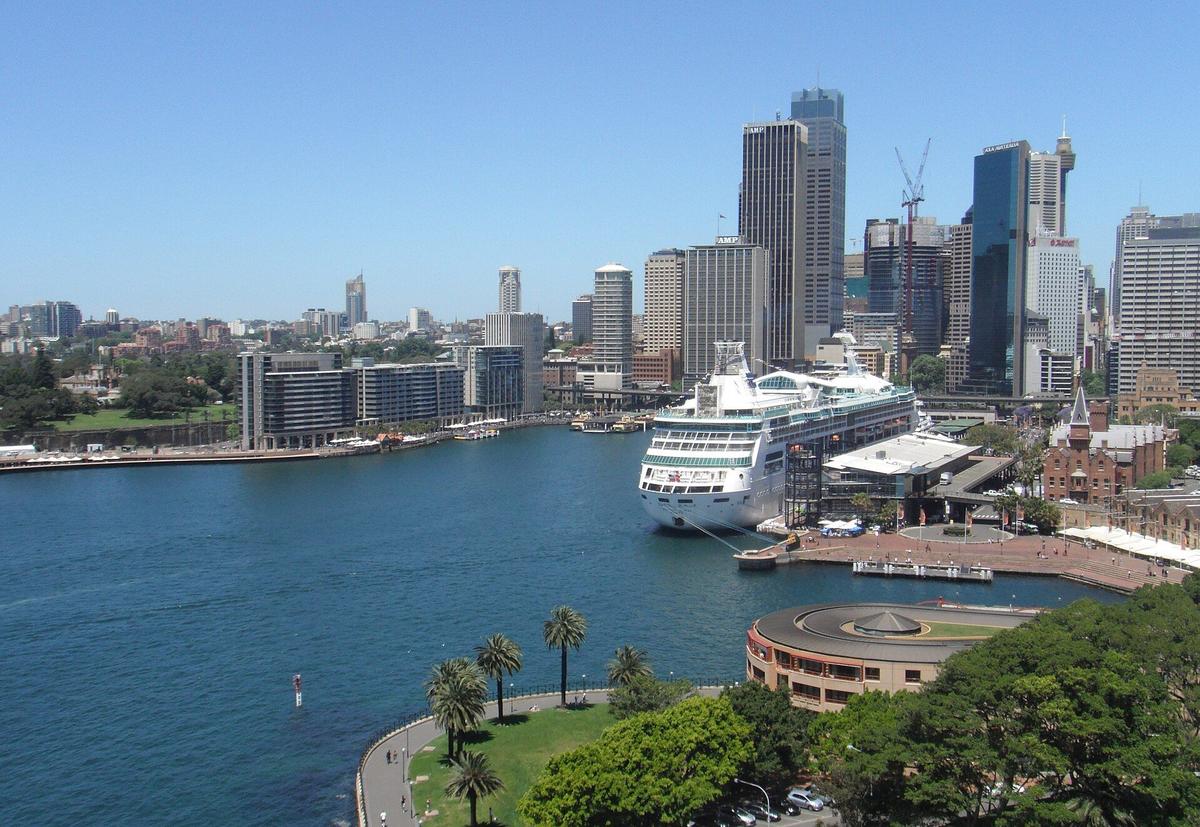
World cruises are the extreme end of the industry: a single voyage that leaves a homeport, crosses oceans, strings together dozens of ports across several continents, and returns months later — or is sold, quietly and sensibly, in pieces. The format bewilders outsiders because it behaves like nothing else in travel. It is not a long holiday so much as a temporary relocation: your address is a cabin, your neighbourhood moves, and the itinerary is measured in seasons rather than days. This explainer covers what world cruises actually are, how the grand regional voyages differ, and how the segment structure lets travellers who cannot vanish for four months sample the same ship, the same voyage and the same community in a shorter slice.
World cruises: the full voyage
What "world" actually means aboard
A true world cruise attempts the planet: multiple oceans, several continents, and a port list that reads like an atlas index. Lines publish the shape plainly. Princess Cruises' 2027 world cruise programme, for example, is built around full voyages of 110, 114 or 129 days on its Grand Circle Pacific itinerary, charting more than 35,400 nautical miles (Princess Cruises, checked October 2026). Other lines run comparable full voyages on their own routings — Atlantic-circle, Pacific-circle and true circumnavigations all exist under the same label. What unifies them is less the map than the sociology: a few hundred to a couple of thousand passengers sharing a season of life, with programming — lecturers, themed events, commemorative rituals at the equator and the date line — built for the long haul. CLIA's industry overview places such voyages at the exploration end of a spectrum that runs from weekend samplers to months-long expeditions (CLIA, About the Cruise Industry, checked October 2026). Life aboard is the product as much as the ports are, which is why the length question — treated generally in how long should a cruise be — reaches its limit case here.
World cruises' regional cousins: grand voyages in depth
One basin, properly explored
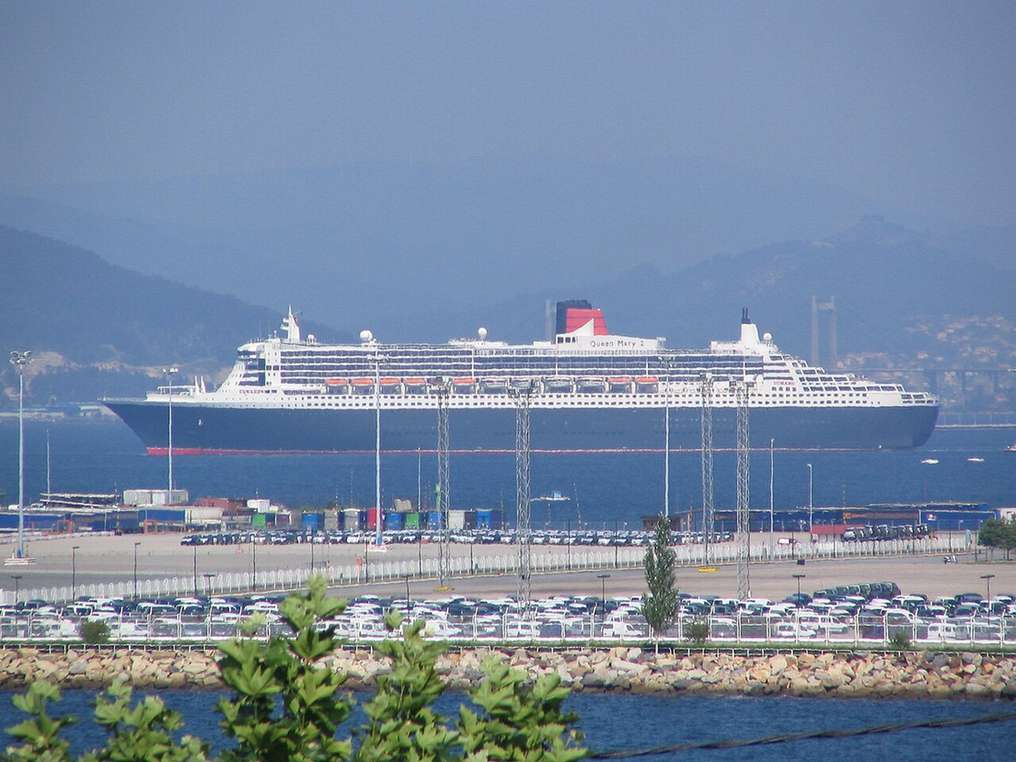
Below the full world cruise sits the grand voyage: a long sailing that stays inside one grand region — a full Mediterranean season, a South America circumnavigation, an Asia-Pacific arc, a grand Arctic or northern-Europe programme. These run weeks rather than months and trade the circumnavigation's bragging rights for depth: more ports in the region, more overnights, fewer transit days spent crossing empty ocean to reach the next continent. For many experienced cruisers the grand voyage is the sweet spot of long cruising — long enough for the shipboard rhythm to become a life, short enough to remain a holiday. Lines market full world cruises and grand voyages side by side, and the boundary between them is marketing as much as geography; the honest test is nights, oceans crossed and whether the ship returns to its starting port. That last property — ending where you began, or somewhere else entirely — shapes the whole journey's logistics, as one way vs round trip cruise works through. Travellers comparing the two should also weigh embarkation logistics: a grand voyage often starts and ends within one region's flight network, while a full circle can strand the open-jaw traveller with the longest possible flight home. Ports, pacing and the flight home all change with that single choice. The two products often share ships, crews and seasons; what changes is the shape of the commitment the traveller signs up for.
The segment shortcut: buying a world voyage in slices
How segments work
The least understood and most useful fact about world cruises is that the lines sell them in segments. Princess's published programme again shows the structure: alongside "Book a Full Circle" sits "Book a Segment", with the same voyage divided into named regional legs (Princess Cruises, checked October 2026). A segment passenger boards where a leg begins — a major port on the route — sails that leg, and disembarks weeks later while the voyage continues. You get the long-voyage ship, its programme and its community, for the length of one region rather than the whole circle. The trade-offs are real: segment passengers join a community already formed, embarkation ports may be long-haul flights away, and the fare maths per night can differ from the full-voyage rate in either direction — a comparison that only means anything run on the line's own dated figures for the specific voyage, which is why this page quotes structures and never headline totals. Lines also distinguish the products in their benefits: full-voyage bookings typically carry the richest inclusion bundles, with segment benefits scaled down. Which lines run which structures is a lines question; the format itself is now clear.
| Format | Typical length | Shape | Who it fits |
|---|---|---|---|
| Full world cruise | Three to six months | Circumnavigation or near-equivalent, one ship | Travellers who can relocate for a season |
| Grand voyage | One to two months | One ocean basin or continent in depth | Experienced cruisers wanting depth over breadth |
| World cruise segment | Weeks, varying by leg | One regional slice of a full voyage | Travellers sampling the format or one region of it |
| Repositioning leg | One to three weeks | One-way between seasonal regions | One-way travellers comfortable with sea days |
Frequently asked questions
How long is a world cruise, really?
Full world cruises typically run three to six months. Published programmes put concrete numbers on it — Princess Cruises' 2027 offering is built around 110-, 114- and 129-day full voyages (checked October 2026) — while other lines' full voyages fall in the same broad band. Anything much shorter is a grand voyage or a segment, however it is marketed.
Can I book just part of a world cruise?
Yes — that is what segments are. Lines divide their long voyages into named legs and sell them separately, with boarding and disembarkation at major ports along the route. Segment passengers get the same ship and programme for their leg, with benefits usually scaled below the full-voyage bundle.
What is included in a world cruise fare?
It varies more than in any other cruise category. Long-voyage fares commonly bundle some combination of drinks, Wi-Fi, gratuities, laundry, airfare credits and onboard credit — but the exact bundle is a per-line, per-voyage document. Read the specific voyage's inclusions page, dated, before comparing anything; a headline fare without its bundle is meaningless.
Do world cruises sell out?
The full voyages have a loyal, repeat market and a limited number of cabins on one ship, so popular categories can go early; segments, being more numerous, are usually easier to find. Availability is a per-voyage fact — check the line's current programme rather than assuming either scarcity or plenty.
The bottom line: world cruises are a season of life sold three ways — whole, by the region, or by the slice. Understand which of the three you are actually pricing, read the inclusions on the line's own dated page, and the format stops being a mystery. The lines that run them, and how each structures its programme, are compared at our lines hub.
See the deals, total price first
Every deal we list will show the total — fare, taxes and port fees included — before you pay. That is the rule the deals page is being built to.
Browse cruise dealsNever overpay after you book
Once sign-ups open at launch, our price-drop alerts will watch the sailing you care about and flag it when the fare moves.
About price-drop alerts

Search cruises
Every result shows the total for your cabin — taxes and port fees included.