Alaska Cruise Guide: Choosing Your Route, Ship and Month
Alaska itineraries come in two shapes: Inside Passage round-trips from Seattle or Vancouver, and one-way Gulf of Alaska crossings between Vancouver and Seward or Whittier that pair naturally with a land tour. The best Alaska cruise for you is the one whose route shape, glacier day and month match what you came north to see.
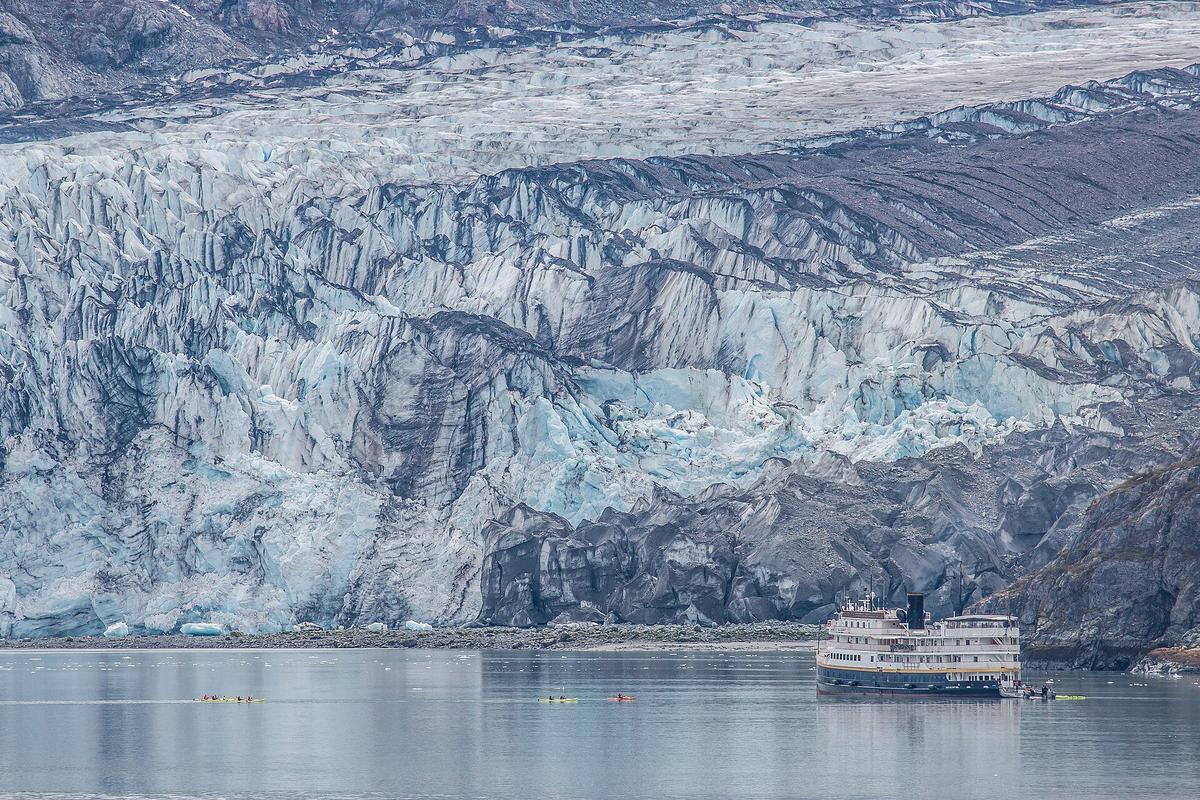
An Alaska cruise guide has a different job from a Caribbean one. Alaska is not a beach circuit with interchangeable ports; it is a single short season, a choice between two distinct route shapes, and a competition for a limited number of glacier days — some of them rationed by federal permit. This Alaska cruise guide works through those decisions in order: Inside Passage round-trip or one-way Gulf of Alaska crossing, which glacier your itinerary actually visits, and which month of a season running roughly from May to September suits what you want to see. The detail here is drawn from official sources, principally the National Park Service and the State of Alaska's Travel Alaska programme; the sailings are listed on the destinations page.
The two route shapes in this Alaska cruise guide
The most useful thing an Alaska cruise guide can do is separate the state's itineraries into two families, because almost every other choice follows from this one.
Inside Passage round-trips
Round-trip sailings depart from Seattle or Vancouver and spend the week in Southeast Alaska — the panhandle of forested islands, fjords and small port towns threaded by the Inside Passage's protected waters. The standard port set is Ketchikan, Juneau and Skagway, with Sitka, Hoonah (Icy Strait Point) or Victoria, British Columbia, rotating in, plus one or two days of scenic cruising. Returning to the starting port makes these sailings logistically simple, and they suit travellers whose trip is the cruise itself.
Gulf of Alaska one-way crossings
One-way sailings cross the Gulf of Alaska between Vancouver and the Southcentral ports of Seward or Whittier, near Anchorage. Northbound and southbound versions run through the same Southeast ports, then add the open-gulf day and, on most programmes, scenic cruising at Hubbard Glacier or College Fjord. The one-way shape exists mainly to connect with the land: rail and coach tours into Denali National Park and the interior attach at the Seward or Whittier end. Budget it as a cruise plus a land segment — the only realistic way to see interior Alaska on the same holiday.
Glacier days in this Alaska cruise guide: the decision inside the decision
Alaska marketing treats "glacier" as a single word, but itineraries visit specific glaciers with materially different characters, and the differences are worth learning before you book.
Glacier Bay National Park and Preserve is the prestige name, and the regulated one. The National Park Service limits cruise ship entry to Glacier Bay under a permit system designed to protect the park — only a set number of ships may enter on any given day, and only lines and itineraries holding permits include a Glacier Bay day. On a permitted sailing, National Park Service rangers board for the day to provide commentary, and the ship spends the day in scenic cruising among tidewater glaciers such as Margerie Glacier; there is no docking and no going ashore inside the park. The practical instruction is blunt: if Glacier Bay matters to you, verify it appears by name in the day-by-day itinerary of the specific sailing, because an itinerary can cruise Southeast Alaska's fjords without entering the park at all.
The other glacier days are not consolation prizes
The alternatives are not consolation prizes. Hubbard Glacier, visited on gulf crossings and some Inside Passage programmes, is among North America's largest tidewater glaciers and is viewed from the ship in Yakutat Bay. Tracy Arm Fjord, near Juneau, offers a narrow, cliff-walled fjord cruise to the Sawyer Glaciers, sometimes by small-boat excursion from Juneau rather than by the ship itself. College Fjord, in Prince William Sound, lines a series of glaciers along a single fjord on gulf-crossing itineraries. Each delivers the essential Alaska image — ice calving into cold water — under different conditions; what changes between itineraries is which glacier.
| Port / scenic day | Region | Known for |
|---|---|---|
| Ketchikan | Inside Passage | First port northbound, salmon and totem heritage, Misty Fjords access |
| Juneau | Inside Passage | State capital, Mendenhall Glacier, whale-watching waters nearby |
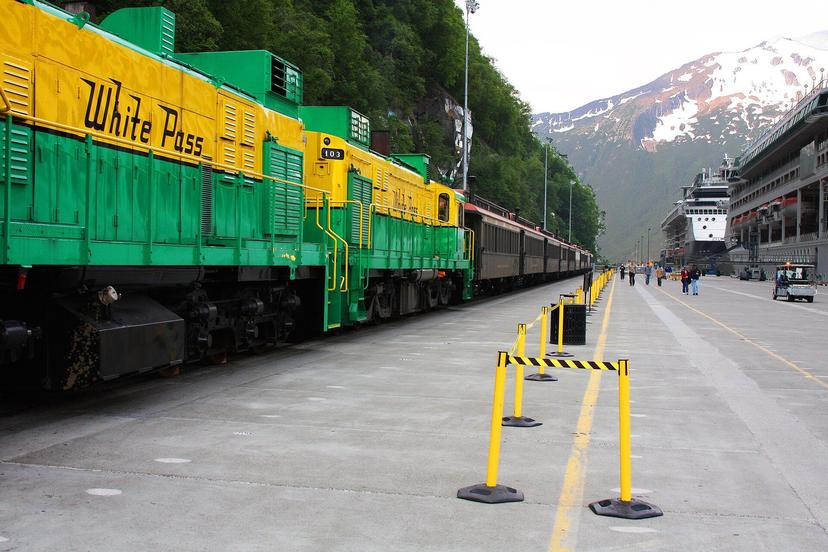
| Skagway | Inside Passage | Gold-rush town, White Pass and Yukon Route railway |
| Glacier Bay | Inside Passage | Permit-limited National Park Service entry, ranger-led scenic cruising |
| Sitka | Inside Passage | Russian colonial history, island setting, select itineraries |
| Seward / Whittier | Gulf of Alaska | One-way terminus ports, gateway to Anchorage and Denali land tours |
| Hubbard Glacier | Gulf of Alaska | Large tidewater glacier viewed from the ship in Yakutat Bay |
Alaska cruise ports, ship size and the balcony question
The Southeast ports reward different interests. Ketchikan, usually the first call, is a working fishing town known for salmon, for totem poles at Saxman and Totem Bight, and as the gateway to Misty Fjords National Monument on flightseeing and boat excursions. Juneau, the state capital — reachable only by air or sea — pairs the Mendenhall Glacier, a short drive from the dock, with whale-watching waters in the channels nearby; you may see humpback whales bubble-net feeding in season, though sightings are never guaranteed. Skagway is preserved gold-rush theatre: a frontier main street at the head of Lynn Canal and the White Pass and Yukon Route narrow-gauge railway climbing into the mountains. Sitka, on the outer coast, adds Russian colonial history — the onion-domed St Michael's Cathedral — and an island-Pacific feel.
Ship size interacts with all of this. The largest ships bring the widest onboard choice and sail the standard port set; mid-size and smaller ships gain a broader rotation, including Sitka and Hoonah more often, and tend to spend longer in scenic cruising.
Then the balcony question, which Alaska makes genuinely two-sided. In the Caribbean, a balcony is mostly a private outdoor space. In Alaska it is a viewing platform for hours of scenic cruising — fjords, waterfalls, glaciers and the chance of wildlife along the shoreline. Against it: Alaska is cold and wet for much of the season, scenic cruising concentrates on a few days, and public deck and lounge viewing on most ships is genuinely good, with commentary the balcony may lack. The honest framing is that a balcony in Alaska is a viewing purchase, not a comfort purchase — weigh it against how you actually watch scenery,.
Season timing: what the month changes
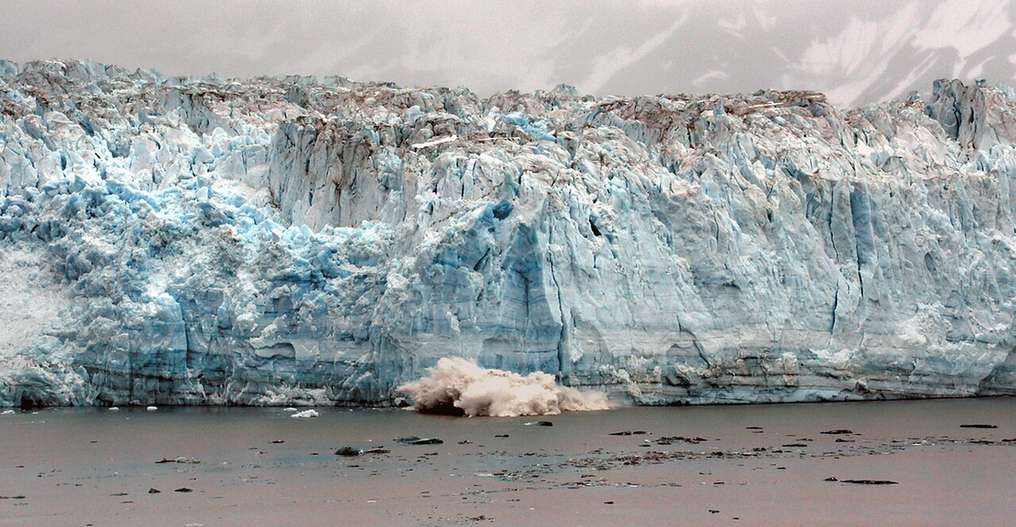
The Alaska season is compressed — broadly May through September for the main fleet — and the month is a real decision variable, because daylight, weather patterns and wildlife cycles all move within it.
May and early June build toward midsummer daylight — by late June, Southeast Alaska has very long evenings — along with historically drier Inside Passage weather and snow still low on the mountains. July and early August are the warmest weeks by Alaska standards and the height of the season, with all excursions operating. Late August and September bring salmon runs toward their peak in many systems, which is when feeding bears are most often seen along salmon streams; the trade-offs are shortening days, a greater likelihood of rain, and some excursion operations winding down toward the season's end. Rain deserves a plain word in any Alaska cruise guide: the Inside Passage is a temperate rainforest, and wet days occur in every month.
Departure choice finishes the picture. Seattle sailings are simplest for US travellers and are covered port-side in the Seattle cruise port guide; Vancouver departures add Canadian embarkation formalities. Travellers weighing a northern itinerary against a Pacific one will find the contrast in the Hawaii cruise guide.
Frequently asked questions
Does every Alaska cruise go to Glacier Bay?
No. Entry to Glacier Bay National Park is limited by National Park Service permit, with only a set number of cruise ships permitted to enter each day, so only some lines and some itineraries include a Glacier Bay scenic-cruising day. Others substitute Hubbard Glacier, Tracy Arm or College Fjord. If Glacier Bay is a priority, confirm it is named in the day-by-day itinerary of the exact sailing before booking.
Will I see whales and bears on an Alaska cruise?
You may, and the chances are genuinely good for some species in the right places and weeks — humpback whales in the Juneau and Icy Strait waters in summer, sea otters and bald eagles widely, brown bears most often where salmon are running later in the season. But wildlife is unmanaged: no line or guide can promise a sighting, and any that does is overselling. Dedicated whale-watching and bear-viewing excursions, run by licensed local operators, improve the chances without removing the uncertainty.
What is the best month for an Alaska cruise?
It depends on the priority, which is why this guide refuses a single answer. For long daylight and historically drier Inside Passage weather, May and June have the strongest case. For the warmest weeks and full excursion operation, July and early August. For salmon, feeding bears and thinner crowds, late August and September — accepting more rain and shorter days.
Should I choose a round-trip or one-way Alaska cruise?
Choose the round-trip Inside Passage sailing if the cruise is the whole trip: it is simpler, returns to Seattle or Vancouver, and covers the classic Southeast ports and a glacier day. Choose the one-way Gulf of Alaska crossing if you intend to add interior Alaska — Denali and the rail journey — because that route exists precisely to connect the ship to the land tour at Seward or Whittier.
Conclusion
This Alaska cruise guide's decisions, in order: pick the route shape first, because it decides whether interior Alaska is in your trip at all. Check the glacier by name second, remembering that Glacier Bay is a permit-limited National Park Service allocation and not a default. Choose the month third, by daylight, weather tendency and wildlife cycle rather than by habit. Then, and only then, compare ships and cabins on the destinations page. In Alaska more than anywhere else, the itinerary is the product.
Sources
- National Park Service — Glacier Bay National Park and Preserve
- Travel Alaska — official state tourism
- Port of Seattle — cruise pages
Use this Alaska cruise guide with the lines' own sailing calendars, and the right season will choose itself. Thebest alaska cruise is the one whose season, route and port days match the trip you actually want — pick those first, and the ship follows.
See the deals, total price first
Every deal we list will show the total — fare, taxes and port fees included — before you pay. That is the rule the deals page is being built to.
Browse cruise dealsNever overpay after you book
Once sign-ups open at launch, our price-drop alerts will watch the sailing you care about and flag it when the fare moves.
About price-drop alerts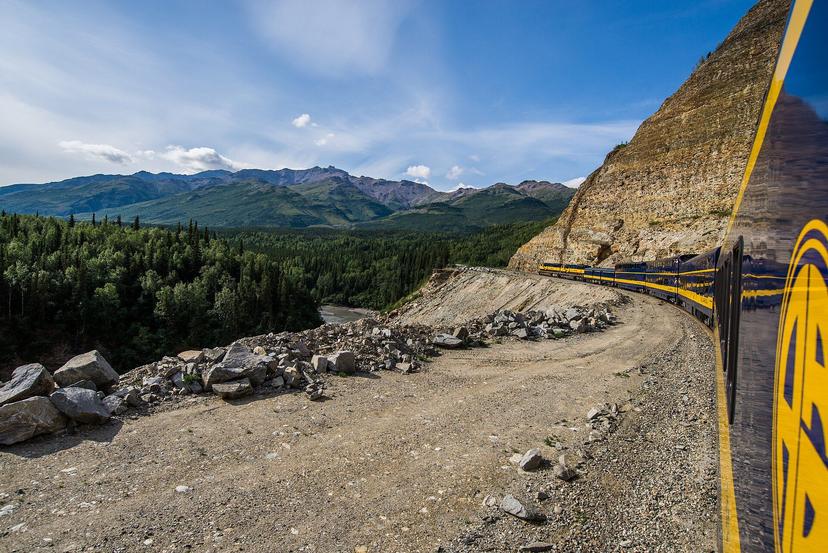
Search cruises
Every result shows the total for your cabin — taxes and port fees included.