Mediterranean Cruise Guide: How to Choose Your Half of the Sea
West and east Mediterranean itineraries are different holidays: big-city western ports versus island-and-old-town eastern calls. Pick the half before the ship. The most useful mediterranean cruise tips follow from that split: sail the west for art cities and easy rail links, or the east for islands and older ports, and book shoulder season for either.
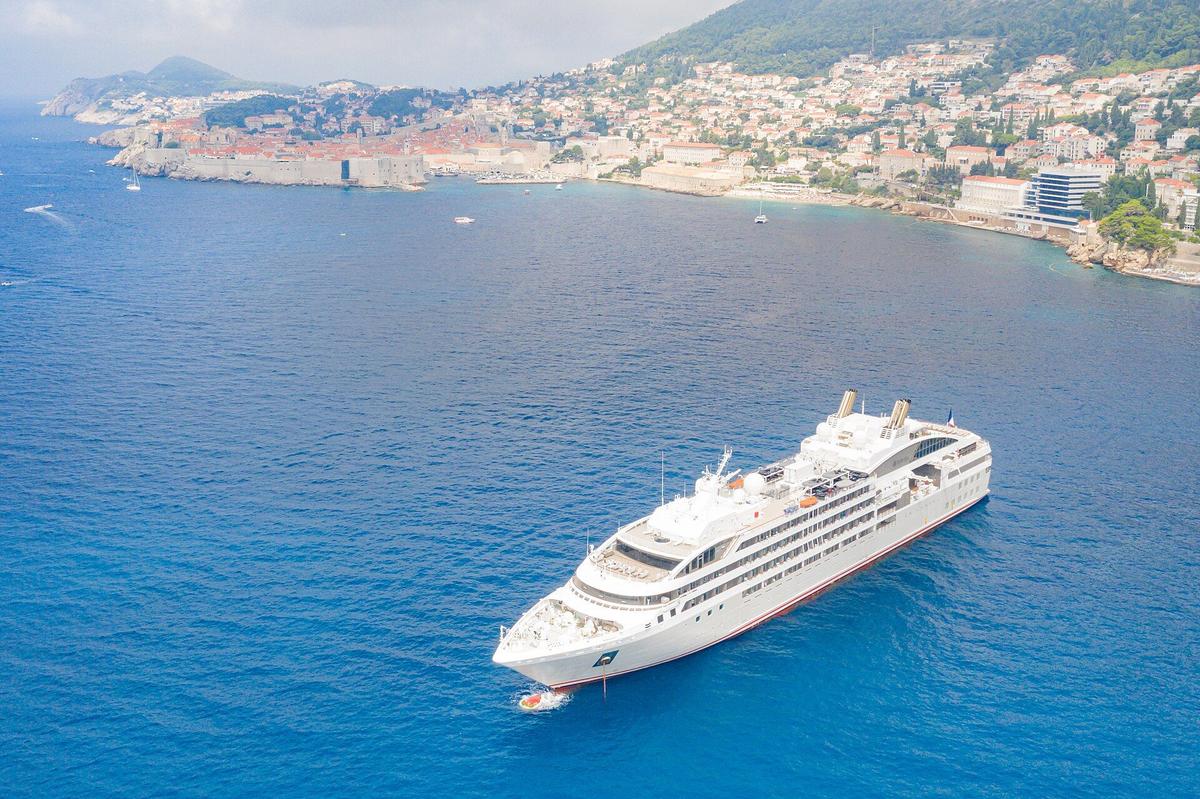
A Mediterranean cruise guide has to start with a split, because "the Mediterranean" is not one cruise. It is two distinct products sharing a sea: a western circuit built on Spain, France and Italy, and an eastern circuit built on Greece, Croatia and Türkiye, with Italy's Adriatic coast as the hinge between them. They differ in embarkation ports, in the character of the days ashore, in how much flying the trip requires and in which season suits them best. Choosing the half comes first; choosing a ship comes a distant second. This guide maps both halves, the ports that anchor them, the seasonal logic and the entry-requirement checks that currently apply — then points to the Mediterranean destinations page for the sailings themselves.
Mediterranean cruise guide: west and east at a glance
The table below summarises the two halves. It carries no fares, deliberately: the same itinerary shape is sold across many ships and cabin grades, and the planning decision is geographic before it is financial.
| Western Mediterranean | Eastern Mediterranean | |
|---|---|---|
| Anchor embarkation ports | Barcelona, Civitavecchia (for Rome), Genoa, Marseille, Palma | Athens (Piraeus), Istanbul, Venice-area ports, Ravenna, Valletta on some loops |
| Characteristic calls | Balearics, French Riviera, Naples, Florence/Pisa via Livorno, Sicily | Greek islands (Santorini, Mykonos, Rhodes, Crete), Dubrovnik and the Croatian coast, Kotor, Kusadasi for Ephesus |
| Day-ashore character | Big cities and headline museums; longer transfers at some calls | Old towns, island days and archaeological sites; more tender and small-port calls |
| Typical shape | 7-night loops, often round-trip from one homeport | 7–10 night loops and open-jaw sailings between two ports |
| Pairs well with | A pre- or post-cruise city stay at the embarkation port | Island-focused trips and travellers who prefer smaller ports |
Where the two halves blur
Many itineraries blur the line — a western loop may add Sicily and Malta, an Adriatic sailing may combine Venice-area ports with Croatia and Greece — but the west/east question still decides the flavour of the week.
The western Mediterranean: cities, museums and one very efficient homeport
Western itineraries are the Mediterranean's greatest-hits circuit. Barcelona is the region's leading cruise homeport; the Port de Barcelona's official passenger-terminal pages describe its international terminals on the Adossat quay and the Barcelona quay and the services attached to them, and the port is the authoritative source for which terminal a given ship uses. The Barcelona cruise port guide covers the fly-cruise mechanics of that port in detail. Civitavecchia, the port for Rome, works differently: the city it serves is inland, so the port day or embarkation day is built around a transfer, and honest planning treats that transfer as part of the itinerary rather than a surprise inside it. Calls at Livorno (for Florence and Pisa) and Naples (for Pompeii and the Amalfi Coast) share the same pattern — the port is a gateway, the destination is a journey away, and the quality of the day depends on the transfer plan.
Who the western half suits
That makes the western half the right choice for travellers whose priority is the famous cities and collections, and who accept fuller days and longer excursions as the price. It is also the easier half logistically for a first fly-cruise, because the big homeports are major air hubs with frequent long-haul connections.
The eastern half: islands, old towns and smaller ports
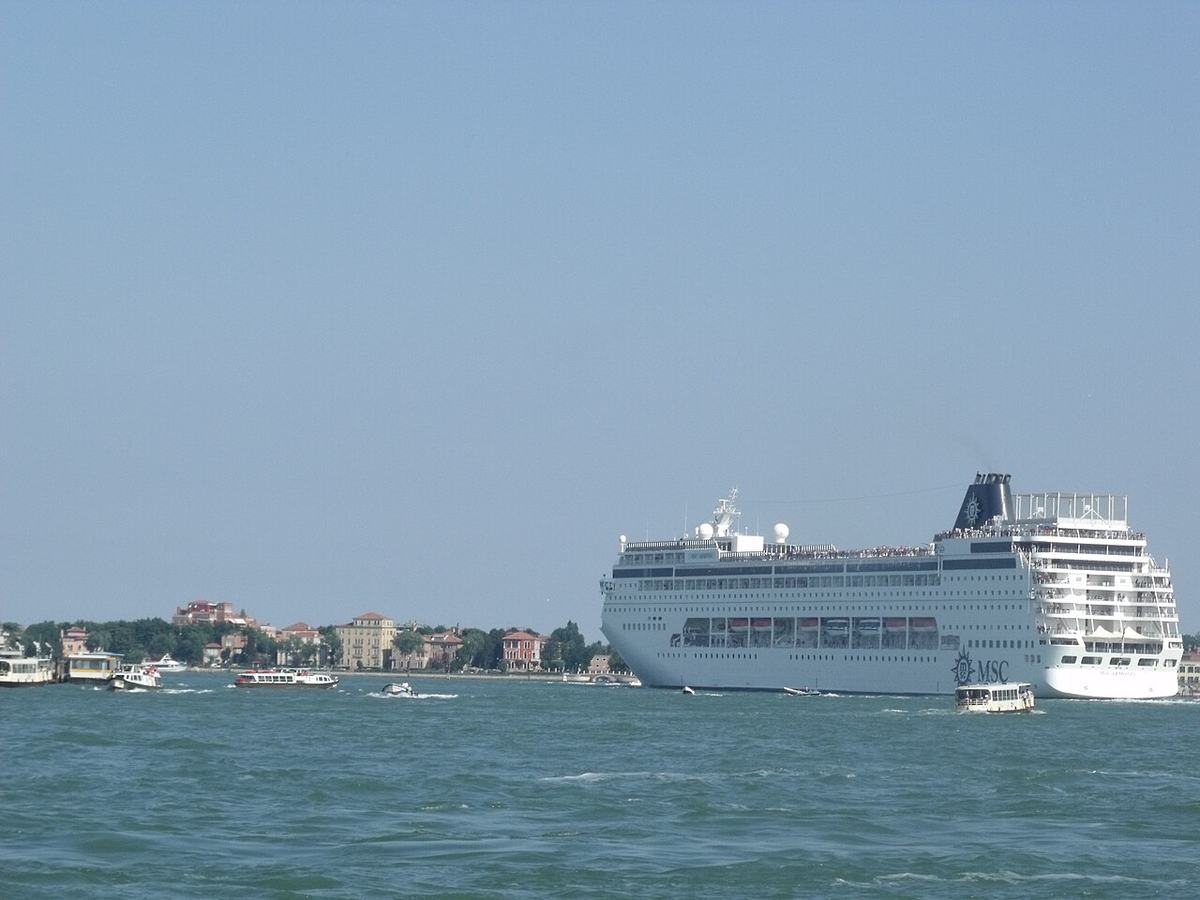
Eastern itineraries trade city scale for port character. Athens (Piraeus) anchors the Greek loops; the days alternate between island calls — where the port is the place, and the day can be as simple as a harbour town, a beach and a taverna lunch — and heavyweight archaeological calls such as Kusadasi, the gateway for Ephesus. Dubrovnik and Kotor add walled-city days, and Istanbul, where it features, is a destination that dwarfs a single port call, which is why eastern itineraries that overnight there are structured differently from simple loops.
The eastern half also asks more of the planner. Open-jaw sailings that start in one country and end in another can be excellent value in time ashore, but they complicate flights. Tender calls are more common. And because several eastern ports sit outside the European Union or outside the Schengen area, document checks deserve the same care as the itinerary itself — the subject of the entry-requirements section below.
Seasons in a Mediterranean cruise guide: the shoulder-season case
Mediterranean cruising is no longer only a summer product; major lines now sail the region across a long season, and some itineraries run through winter. The referee position is structural rather than meteorological. Peak summer brings the longest days and the warmest sea, and also the fullest ports, the highest heat in the inland excursion cities and the most competition for the same museum entrances. Spring and autumn — the shoulder seasons — trade a little warmth for thinner crowds and more comfortable city touring, which is why experienced Mediterranean planners so often land there. Winter sailings exist on a narrower set of routes and suit travellers who are cruising for the ship and the cities rather than for swimming. None of this requires a fare claim: the season decision is about what the days ashore feel like, and it should be made before prices are compared, because a sailing in the wrong season is not made right by being sold keenly.
Before you book: the document and entry-requirement check
Do this check for your own nationality, for every country on the itinerary, shortly before you travel — not from memory and not from a guide, including this one. Two European systems currently matter. The EU's Entry/Exit System (EES) is the border-registration system for non-EU travellers entering the Schengen area. ETIAS, the European Travel Information and Authorisation System, is a separate pre-travel authorisation for visa-exempt travellers that has been repeatedly delayed. As the official EU ETIAS site states at the time of drafting, ETIAS is currently not in operation, no applications for travel authorisations are being collected, and the EU will announce the specific start date several months before launch. In other words, there is no ETIAS application to file today, no settled start date to plan around, and any third-party site offering to process one now should be treated with suspicion. The authoritative sources are the official EU pages at travel-europe.europa.eu and your own government's travel advice; check both in the run-up to sailing, because this is exactly the kind of rule that changes between booking and boarding. Travellers whose itineraries include non-EU calls such as Türkiye need the equivalent check for those countries as well.
Frequently asked questions
Is the eastern or western Mediterranean better for a first cruise there?
For a first fly-cruise, the western half is usually the simpler planning job: major air-hub homeports, round-trip loops and gateway ports for famous cities. The eastern half rewards travellers who prefer islands and old towns and are comfortable with open-jaw flights. Neither is better; they are different.
When is the best season for a Mediterranean cruise?
Structurally, spring and autumn offer the most comfortable city touring and thinner crowds, summer offers the warmest sea and longest days, and winter offers a narrower, city-led product. Choose by what you want the days ashore to feel like.
Do I need ETIAS for a Mediterranean cruise?
Not at the time of drafting: the official EU site states that ETIAS is not in operation and no applications are being collected, with the start date to be announced several months before launch. Because that can change, verify on the official EU site shortly before you travel.
How much time should be allowed at Civitavecchia for Rome?
Plan the port day around the transfer in both directions and the ship's all-aboard time, and treat Rome as a focused visit — a small number of sights done properly — rather than a complete tour. Embarking or disembarking passengers should build the transfer into their flight timing with a wide margin.
Conclusion: using this Mediterranean cruise guide
The Mediterranean cruise guide decision sequence is: choose the half, choose the season, check the entry requirements against official sources, and only then compare ships and sailings on the destinations page. Travellers who also plan to sail further north in the same trip should read the companion northern Europe cruise guide, where the season shortens and the planning rules change again. The unglamorousmediterranean cruise tips are the ones that save a trip — half, season, entry requirements, in that order — checked against official sources before the ship is chosen.
Sources consulted for this guide: the Port de Barcelona passenger terminals pages and the European Union's official ETIAS site. Entry requirements change — verify them shortly before travel.
See the deals, total price first
Every deal we list will show the total — fare, taxes and port fees included — before you pay. That is the rule the deals page is being built to.
Browse cruise dealsNever overpay after you book
Once sign-ups open at launch, our price-drop alerts will watch the sailing you care about and flag it when the fare moves.
About price-drop alerts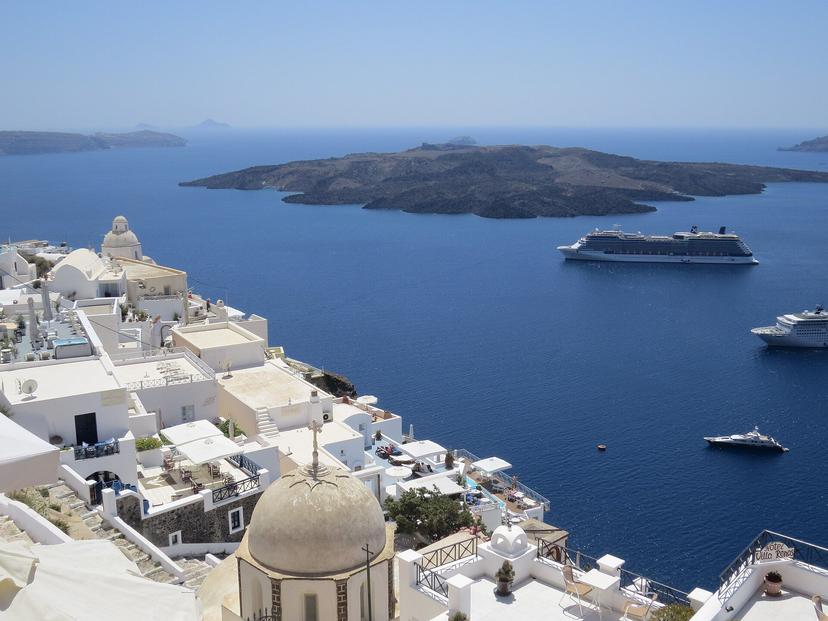

Search cruises
Every result shows the total for your cabin — taxes and port fees included.