How Long Should a Cruise Be? The Length That Fits the Trip
Three nights sample a ship; fourteen change the traveller. This guide compares cruise lengths by rhythm and recovery time - the two things brochures never mention. The ideal cruise length is the shortest one that still leaves a full sea day either side of the port days, and the comparisons below are built on that rule.
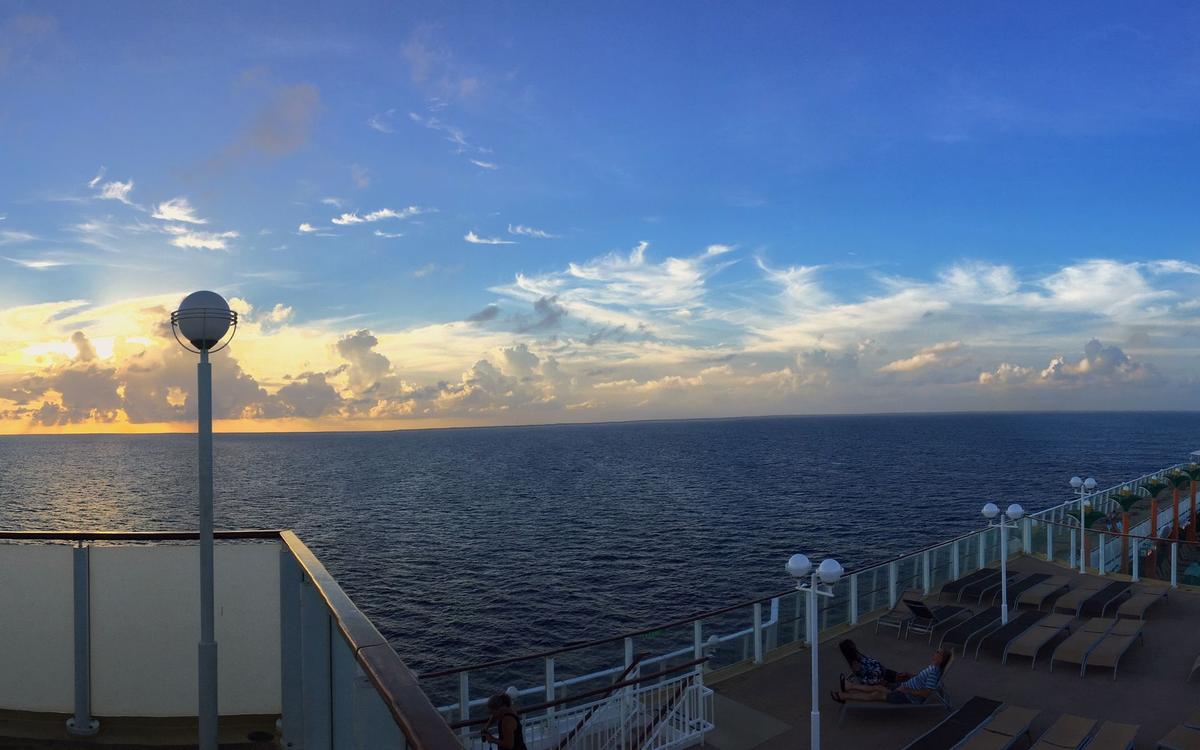
Seven nights is the industry's default answer to how long should a cruise be, and it is a habit, not a law. Cruise lengths run from two-night tasters to voyages of well over a hundred nights — Princess Cruises' published 2027 world cruise programme, at the far extreme, is built around full voyages of 110 to 129 days (Princess Cruises, checked October 2026). Between those poles, the right length is not the longest you can afford or the shortest you can find: it is the length whose rhythm matches the traveller. This guide compares the standard lengths by what they actually feel like — sea-day tolerance, port hunger, recovery time and holiday allowance — so the choice is made on fit, not folklore.
How long should a cruise be: the short end
Three to five nights: the sampler
Short sailings do one job well: they test the format. A three- or four-night cruise shows you the ship, the dining, the embarkation machinery and a port or two, at a contained cost in money and leave. The compressed shape of weekend cruise ideas is built for exactly this. What short cruises cannot do is range: itineraries stay close to homeport, port time is a taster, and just as the ship's rhythm becomes familiar, it ends. For a first-timer deciding whether cruising suits them at all, that is a fair trade. For a traveller who already knows they love sea days, a short sailing can feel like all travel and no voyage.
The hidden cost of short: travel overhead
Every cruise, whatever its length, carries the same fixed overhead — getting to the port, embarkation day, disembarkation morning. On a three-night sailing that overhead frames a very small holiday; on a ten-night sailing it is amortised across a real one. This is the structural reason per-day comparisons flatter longer cruises, and it is a fact about logistics, not a sales line: the journey to the ship costs what it costs whether you sail for three nights or thirteen.
How long should a cruise be: the middle and the long end
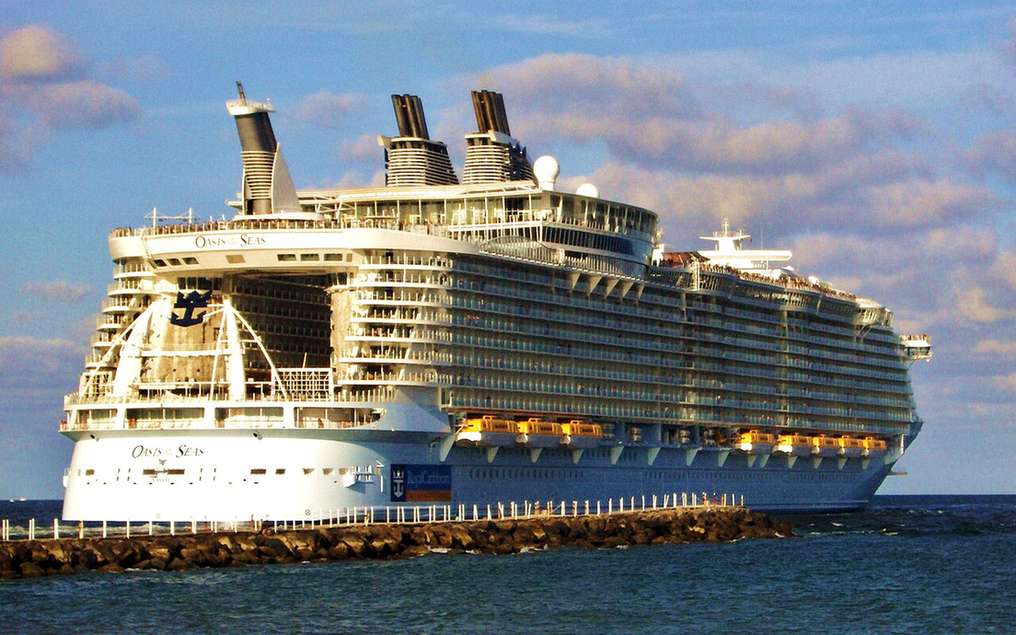
Seven nights: why the default exists
The seven-night cruise became the standard because it balances the competing hungers. A typical week-long itinerary strings together three to five port days with one or two sea days, visits a coherent region rather than a fragment of one, and still fits inside a single week of leave plus weekends for many workers. CLIA's industry overview describes an industry built around exactly this mainstream shape, with ships and itineraries spanning everything from short breaks to exploration cruising (CLIA, About the Cruise Industry, checked October 2026). If you have no strong signal in either direction — no sea-day restlessness, no port checklist a mile long — seven nights is the length least likely to be wrong.
Ten to fourteen nights: the character change
Past a week, the trip changes kind. Longer itineraries reach ports that week-long loops cannot — the far side of a region, the second archipelago, the repositioning leg — and the onboard rhythm slows: sea days stop being gaps between ports and become part of the point. Travellers also report a real recovery effect: the first days of any cruise are spent unwinding, and on a short sailing the unwinding can outlast the holiday. The costs are equally real — more leave consumed, a higher total bill even where the per-day rate softens, and more nights of onboard spending. One legitimate way to build length without a single long booking is to chain two sailings on the same ship, which is the whole subject of back-to-back cruises; where in the world the extra nights should take you is a destinations question.
| Length | Rhythm | Best for | Watch out for |
|---|---|---|---|
| 3–5 nights | Fast, ship-focused, one or two ports | First tests, short breaks, celebrations | Travel overhead dominates; itineraries stay near homeport |
| 7 nights | Balanced ports and sea days | The default first full cruise; one clear region | Peak-season pricing on the most popular shape |
| 10–11 nights | Slower, wider-ranging | Travellers who want a region in depth | Leave allowance; fewer departure choices |
| 14+ nights | Voyage pace, sea days as content | Experienced cruisers, milestone trips | Total cost and time; check the per-day value yourself, dated |
Matching cruise length to traveller: the honest test
Three questions that settle it
Ask, first, how the traveller feels about sea days: a port-every-day itinerary exhausts some people and thrills others, and length amplifies whichever is true. Second, what is the trip for — a test, a celebration, a region to explore, a rest? Tests want short; rests want long; explorations want the length the region's geography demands. Third, what does the calendar honestly allow, including the travel days at both ends? Answer those and how long should a cruise be stops being a guessing game. The seven-night default is a fine answer for the undecided — but it should be chosen, not inherited, and the choosing starts with the trip's purpose and the map at our destinations hub.
Frequently asked questions
Is a longer cruise always better value per day?
Not automatically. Longer sailings often show softer per-day fares, but the total is always higher, onboard spending has more days to run, and the claim only means anything when you compare two specific dated sailings like-for-like. Run the totals for your dates rather than trusting the generalisation.
Is a three-night cruise long enough for a first cruise?
It is long enough to learn whether you like the format — the ship, the food, the motion, the routine. It is not long enough to judge a region or to settle into the rhythm longer sailings offer. Treat it as a sampler with a purpose, not a miniature of a full cruise.
How many sea days will my cruise have?
It depends on the itinerary's geography: island loops near homeport can dock most days, while crossings and far-flung itineraries build in several sea days. Count them on the itinerary before booking — the port-to-sea-day ratio is the single best predictor of how a cruise will feel.
Can I extend a cruise if I want more nights?
On the same ship, the cleanest extension is a back-to-back booking made in advance — consecutive sailings sold as separate reservations. Adding nights after booking depends on availability for the adjacent sailing, and the combined trip is priced as the two bookings, not as one long fare.
The bottom line: how long should a cruise be is a fit question — rhythm, purpose and calendar, in that order. Sample short if you are testing, take the balanced week if you are undecided, and go long when the region or the rest demands it. Start with the map at our destinations hub, and let the itinerary's shape, not habit, set the number of nights. Whatever you choose, the ideal cruise length is the one that still leaves you rested on the last morning, not merely the one that fits the calendar.
See the deals, total price first
Every deal we list will show the total — fare, taxes and port fees included — before you pay. That is the rule the deals page is being built to.
Browse cruise dealsNever overpay after you book
Once sign-ups open at launch, our price-drop alerts will watch the sailing you care about and flag it when the fare moves.
About price-drop alerts

Search cruises
Every result shows the total for your cabin — taxes and port fees included.