Eastern Caribbean Cruise Guide: St Thomas, St Maarten and San Juan
Most itineraries are anchored by St Thomas, St Maarten and San Juan, with St Kitts, Antigua and Tortola in support. Most sailings run about a week from Florida homeports; San Juan departures trade a flight for more port days and fewer sea days. The most useful eastern caribbean cruise tips follow from that map: pick the homeport for the port mix you actually want, because a San Juan start buys port days at the cost of a flight.
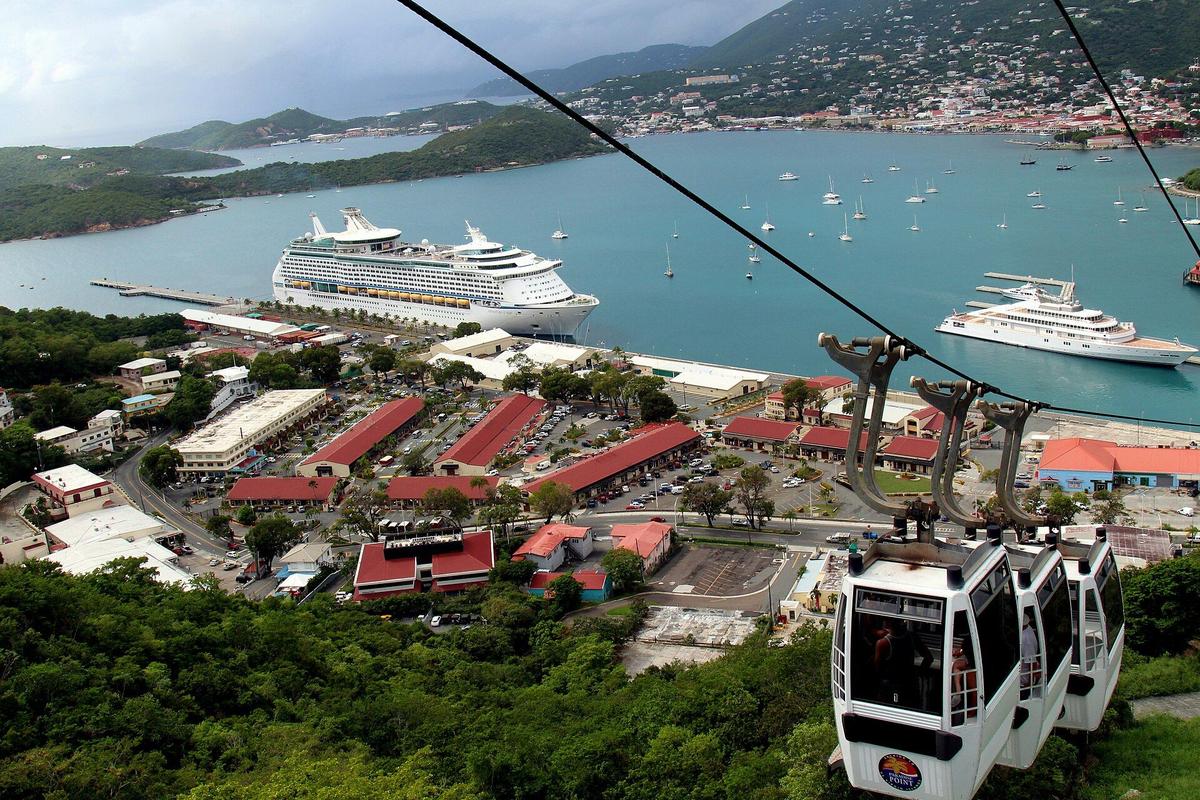
This eastern Caribbean cruise guide covers the classic north-eastern Caribbean loop: St Thomas, St Maarten, San Juan and their neighbours, the ports most week-long Caribbean itineraries are built around. It explains what each port offers, how sailings differ by departure port and by line, and how the official hurricane season should shape the month you choose. No fares appear here, deliberately: prices move constantly, so this guide covers the planning decisions that stay true whatever a sailing costs. For the sailings themselves, start with the region overview on the destinations page.
What an eastern Caribbean cruise guide should tell you first
The first thing an eastern Caribbean cruise guide should make clear is geography. "Eastern Caribbean" describes the chain running south-east from Puerto Rico through the Leeward Islands — the Virgin Islands, St Maarten, St Kitts and Nevis, Antigua and Barbuda, and sometimes Dominica on longer loops. Distances between ports are short, often an overnight hop, which is why eastern itineraries pack in more port days and shorter sea days than western or southern sailings.
The second point is maturity. These ports have received large ships for decades, their terminals sit close to the towns they serve, and the excursion infrastructure — beach transfers, island tours, snorkelling and sailing trips — is well established. Port authorities such as the Virgin Islands Port Authority publish berthing information, so how many ships share your call is easy to check.
The ports in this eastern Caribbean cruise guide
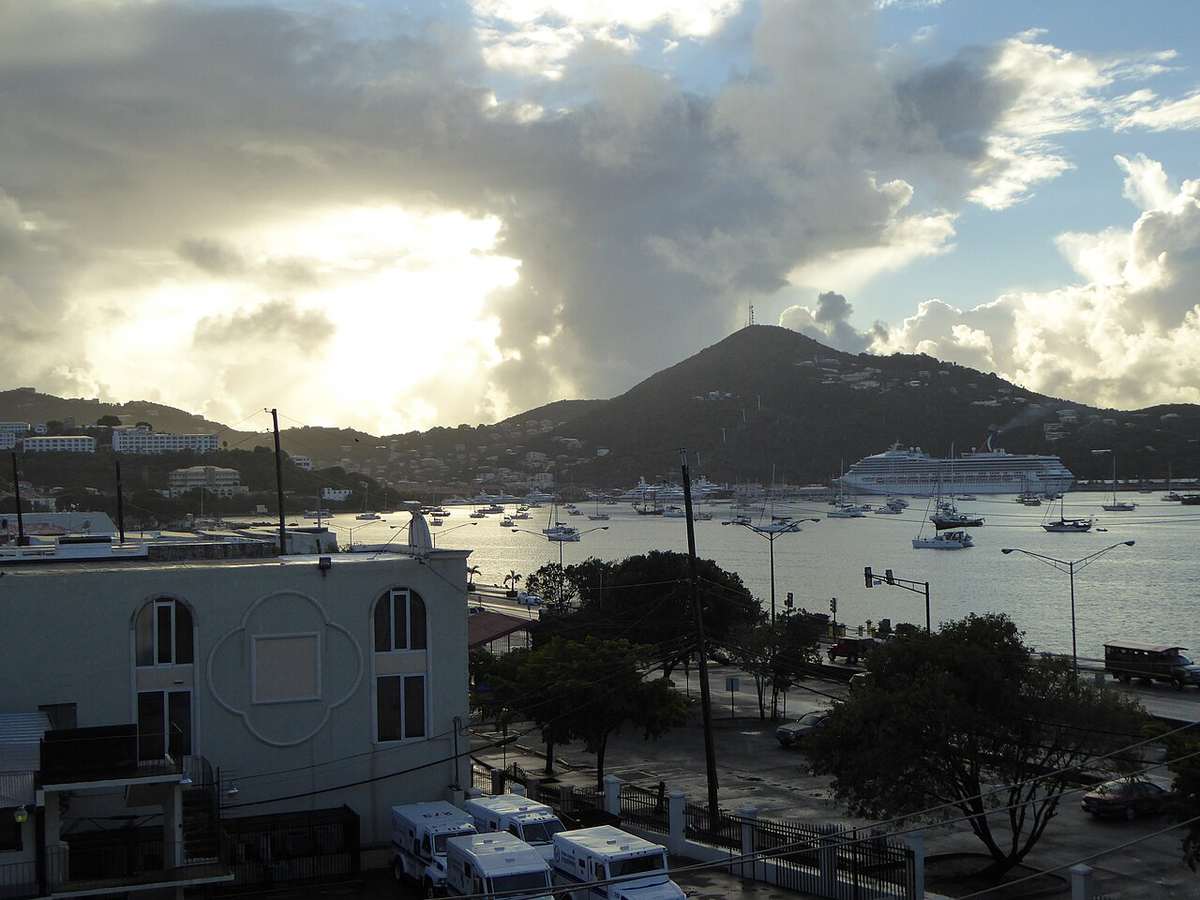
St Thomas, US Virgin Islands
St Thomas is the workhorse port of the eastern Caribbean. Ships berth in the Charlotte Amalie area, principally at the West Indian Company dock and at Crown Bay, the Austin "Babe" Monsanto Marine Terminal under the Virgin Islands Port Authority. As a US territory, the island uses the dollar and applies no passport formalities to a port day. St Thomas is best known for duty-free shopping in Charlotte Amalie, for Magens Bay on the north coast, and as the ferry gateway to St John, much of which is national park land. Shoppers, beach-goers and independent travellers all get a workable day from the same berth.
St Maarten and St Martin
St Maarten is the two-nation island: the Dutch side, Sint Maarten, hosts the cruise berths at the Dr A.C. Wathey Cruise Facility in Philipsburg, within reach of the town's boardwalk and beach, while the north of the island is French St Martin. The island is known for that split personality — Dutch-side resort energy, French-side dining in Grand Case and Marigot — and for Maho Beach at the end of the airport runway, a famous plane-watching spot. Because the island is small, one port day can credibly combine a beach, both sides of the border, and an excursion, which is why lines use St Maarten as the long call on many eastern loops.
San Juan, Puerto Rico
San Juan plays two roles: a port of call on Florida-based sailings, and a homeport in its own right. As a call, ships berth near Old San Juan, and passengers walk straight into a walled colonial city — the fortifications of Castillo San Felipe del Morro and Castillo San Cristóbal, cobbled streets and the cathedral quarter — rather than transferring to the sights. As a homeport, San Juan changes the shape of a cruise: sailings from Puerto Rico reach deeper into the island chain within a week, often adding ports Florida round-trips cannot fit, at the cost of a flight to embark. Discover Puerto Rico is the island's official source for what is on in the city and beyond.
Beyond the big three, eastern itineraries rotate through a supporting cast worth reading closely. Basseterre in St Kitts pairs a historic town with the Brimstone Hill fortress and a scenic railway. St John's, Antigua, is the gateway to an island marketed on its many beaches and to English Harbour and Nelson's Dockyard. Road Town, Tortola, in the British Virgin Islands, is a sailing base with day trips to Virgin Gorda's granite boulders at The Baths. Some loops also call in the Dominican Republic, at Amber Cove or La Romana, adding a larger-island excursion day to an otherwise small-island week.
| Port | Country / territory | Known for |
|---|---|---|
| Charlotte Amalie, St Thomas | US Virgin Islands (US) | Duty-free shopping, Magens Bay, ferry access to St John |
| Philipsburg | Sint Maarten (Netherlands) | Two-nation island, boardwalk beach, Maho Beach plane-watching |
| San Juan | Puerto Rico (US) | Old San Juan forts, walk-off-the-ship sightseeing, homeport sailings |
| Basseterre | St Kitts and Nevis | Brimstone Hill fortress, scenic railway, historic town |
| St John's | Antigua and Barbuda | Beaches, English Harbour and Nelson's Dockyard |
| Road Town, Tortola | British Virgin Islands (UK) | Sailing trips, day boats to Virgin Gorda and The Baths |
Eastern Caribbean seasons, weather and the hurricane question
The Caribbean is a year-round cruise region, and eastern itineraries sail every month. The honest qualification is the Atlantic hurricane season, which NOAA's National Hurricane Center dates officially from June 1 to November 30, with climatological activity peaking around September 10 and most activity between mid-August and mid-October. Those are probabilities from the historical record, not a forecast for any given week: storms can form outside the season, and many weeks inside it are uneventful.
In practice the effect is structural rather than dramatic. Ships are mobile and lines reroute around weather systems, swapping port order or substituting a sea day, so a sailing in the peak weeks carries a higher chance of an itinerary change than one in winter or spring. Winter and spring sailings sit outside the official season and historically bring drier, slightly cooler conditions — which is also when demand, and the number of ships sharing each port, is highest. No month is labelled the safe or the cheap option here, because neither claim survives the evidence; there are only different balances of weather probability, crowding and choice.
Departure ports and ship choices
Most eastern Caribbean sailings depart Florida — Miami, Fort Lauderdale (Port Everglades) and Port Canaveral — on round-trips of about a week. Florida departures suit travellers who can drive to the port or fly domestically, and the largest ships deployed in the Caribbean typically sail from these homeports. San Juan departures shorten the distance to the eastern chain and usually buy an extra port day in exchange for the flight.
Ship choice interacts with itinerary more than first-time cruisers expect. The largest ships need ports with suitable berths — all three anchor ports here can receive them, but some smaller supporting ports cannot, which is why mega-ship itineraries show a more standardised port list. Mid-size and smaller ships trade onboard scale for a wider choice of calls and, on longer itineraries, ports further down the chain. The neighbouring regions reward the same exercise — the western Caribbean cruise guide covers the Cozumel–Jamaica–Grand Cayman loop, and the Bahamas cruise guide covers the short sailings that often serve as a first cruise before a full eastern week.
Frequently asked questions
What is the difference between eastern and western Caribbean cruises?
Geography and port character. Eastern itineraries work the island chain east and south of Puerto Rico — St Thomas, St Maarten, St Kitts, Antigua — with short hops and an emphasis on beaches, shopping and island sightseeing. Western itineraries cross to Mexico's Yucatán coast, Jamaica and Grand Cayman, with longer sea stretches and mainland excursions such as Maya archaeological sites. Many travellers do one, then the other, precisely because the port days feel different.
Do I need a passport for an eastern Caribbean cruise?
It depends on the sailing and your citizenship. Eastern itineraries call at foreign ports such as Sint Maarten, St Kitts and Antigua, even though St Thomas and San Juan are US territories. Closed-loop sailings from a US homeport have historically allowed US citizens to travel with specific alternative documents, but a passport is the safer document — it is required if you need to fly home from a foreign port mid-trip. Check the current requirements for your exact itinerary before booking.
When is hurricane season in the eastern Caribbean?
The Atlantic hurricane season officially runs from June 1 to November 30, per NOAA, and covers the eastern Caribbean. Historical activity concentrates between mid-August and mid-October. Ships sail throughout the season and reroute around systems, so the practical effect is a higher chance of itinerary changes in the peak weeks rather than a reason to rule the months out.
How many ports does a typical eastern Caribbean cruise visit?
A week-long Florida round-trip commonly calls at three or four ports, with the balance of days at sea. San Juan-based sailings of the same length often manage one additional call because the ship starts inside the region. The exact count matters less than the mix: three anchor ports plus one smaller island is a different week from four large, busy calls.
Conclusion
Used well, this eastern Caribbean cruise guide reduces the choice to a few clear questions. Do you want the flight-free convenience and largest ships of a Florida departure, or the extra port days of a San Juan start? Is your week built around beaches and shopping, sightseeing in Old San Juan, or a spread of smaller islands? And how much itinerary flexibility are you comfortable with inside the official hurricane season? Answer those, and the itinerary lists on the destinations page become easy to sort. An eastern Caribbean cruise guide can compare the loops — the final call is which version of the week sounds like yours.
Sources
- Virgin Islands Port Authority
- Port St. Maarten
- Discover Puerto Rico
- NOAA National Hurricane Center — climatology
Used well, this eastern Caribbean cruise guide turns seven similar-looking ports into seven distinct days.
See the deals, total price first
Every deal we list will show the total — fare, taxes and port fees included — before you pay. That is the rule the deals page is being built to.
Browse cruise dealsNever overpay after you book
Once sign-ups open at launch, our price-drop alerts will watch the sailing you care about and flag it when the fare moves.
About price-drop alerts

Search cruises
Every result shows the total for your cabin — taxes and port fees included.