One Way vs Round Trip Cruise: When Different Start and End Ports Pay
Starting and ending in different ports unlocks the most interesting itineraries afloat - and the trickiest flight home. This guide weighs reach against logistics, honestly. A round trip cruise trades that reach for a simpler flight home, and the worked examples below price both shapes on the same route so the trade is visible.
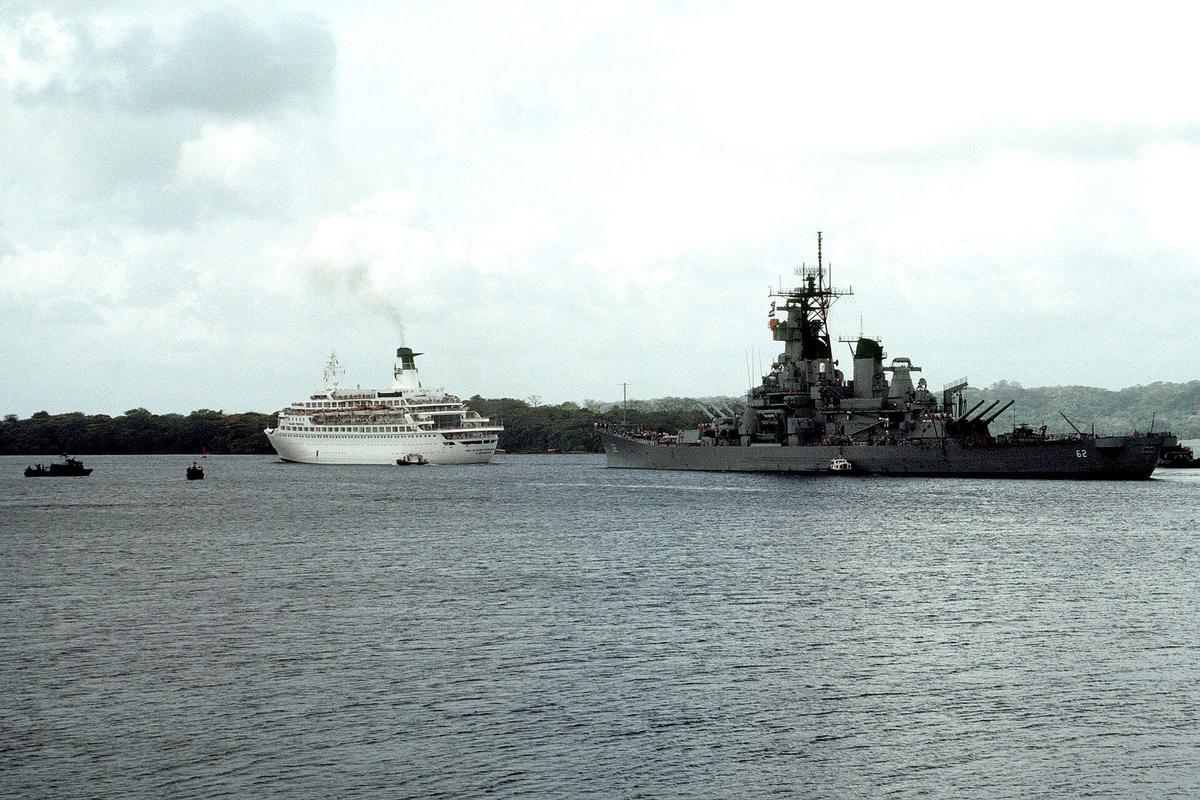
Round-trip cruises are tidier. One-way cruises are more interesting. One way vs round trip cruise is the planning choice between a loop — sail out, sail back, fly home from where you started — and a line: board in one port, disembark in another, and let the ship do a leg of your journey that no loop can offer. One way vs round trip cruise decides which itineraries are even available to you, because the cruise world's most distinctive voyages are one-way by construction: Panama Canal transits, Alaska's cross-Gulf runs, repositioning crossings, and almost every river sailing ever printed. This guide weighs what the one-way format buys (reach, variety, no backtracking) against what it charges (open-jaw flights, two sets of ground logistics, a harder missed-connection problem), under one strict rule: one-way and repositioning fares are never assumed to be cheaper. Sometimes they are, sometimes not, and the totals decide.
One way vs round trip cruise: what each format really is
The loop's quiet advantages
A round-trip (closed-loop) sailing from a homeport is cruising's simplest machine: one airport or one drive, one hotel decision, a flight home that cannot be missed because the ship returns you to your starting point, and — for US citizens on eligible itineraries — the closed-loop document exception described in our documents coverage. The loop's cost is geometric: the ship must spend part of the week coming back, so loops revisit sea lanes and sometimes ports, and whole categories of voyage are impossible in the format. Loops dominate the Caribbean because the geography forgives them; they dominate nowhere the geography doesn't.
The line's reach: transits, crossings and rivers
The one-way catalogue is where cruising gets ambitious. A Panama Canal transit exists only as a line — the ship passes from one ocean to the other under the Canal Authority's transit system (the Authority's operations are published at pancanal.com, checked October 2026), and no loop can contain it. Alaska's Vancouver–Whittier/Seward runs pair with the land tour in a way loops cannot. River cruising is one-way by default: Viking's Rhine Getaway sails Basel to Amsterdam because a river flows one way and its towns line up along it. And the seasonal repositioning cruises explained in our companion guide are one-way by definition — the ship is moving house, and passengers ride the move.
One way vs round trip cruise: the flight traps and the honest maths
Open-jaw flights price by route, not by rule
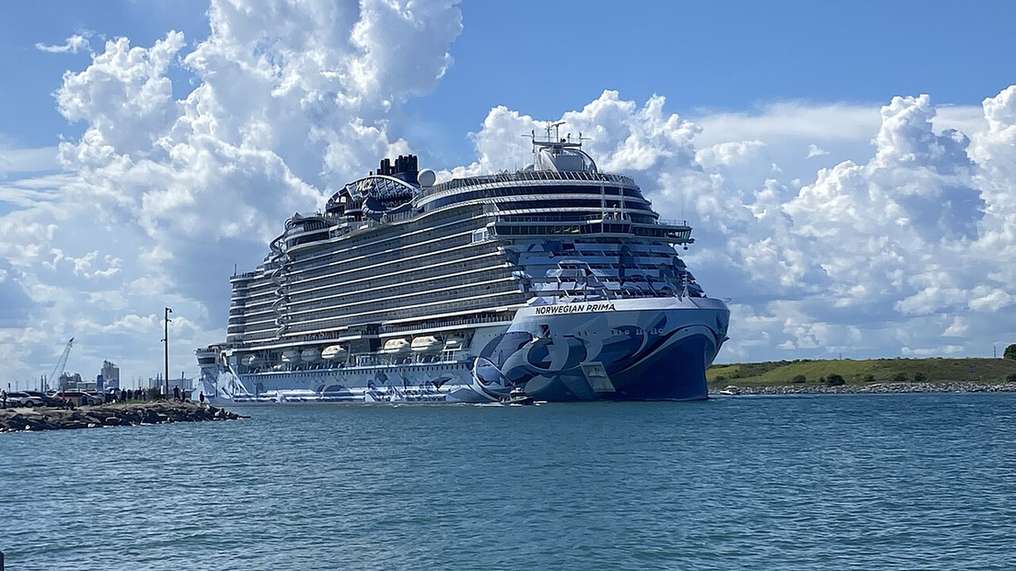
The one-way traveller flies an open jaw: into city A, home from city B. International open-jaw tickets are ordinary products, but their pricing relative to a simple return varies by route, season and airline in ways no rule of thumb survives. Sometimes the open jaw costs what the return would; sometimes the B-city departure is the expensive half of the pattern. The referee instruction is boring and absolute: price the actual flights for your actual dates in both formats before the cruise fare seduces you. A one-way fare that looks keen beside its round-trip cousin can hand the difference back at the airline's till — and a one-way fare that looks dear can be the bargain once a cheap B-city departure enters the ledger. The cruise line's own air programme, where offered, prices the same pattern with the line's connection protections attached; compare it against the independent booking on protection as well as price.
Two ends, two logistics problems
Every one-way trip has two embarkation problems instead of one: ground transport and possibly a hotel at both ends, luggage that must be managed in a strange city on disembarkation morning, and a flight home that leaves from a port you have never used. If a leg is stitched to another sailing, the discipline of back to back cruises applies in reverse — one ship ends, your journey continues by other means. None of this is prohibitive; all of it belongs in the comparison, priced, before the verdict. It is also why the one-way format rewards the traveller who treats the end ports as destinations: a night or two in the disembarkation city converts the format's friction into the trip's bonus chapter, an extension the regions on our destinations hub make easy to plan.
| Cost or factor | Round trip (loop) | One way |
|---|---|---|
| Flights | One return to the homeport city | Open-jaw: in to A, out of B — price both halves |
| Ground logistics | One port, known twice | Two ports, two transfer problems |
| Documents | Closed-loop exceptions may apply (US citizens, eligible itineraries) | Passport is the working document |
| Itinerary reach | Loops only; backtracking built in | Transits, crossings, one-way rivers, cross-Gulf Alaska |
| Missed-connection risk | Ship returns to your flight city | Flight home leaves from a new city — protect it |
| Fare relationship | Baseline | Never assume cheaper or dearer — total both |
When the one-way choice pays, and when it doesn't
One-way pays when the itinerary is the point: the canal, the crossing, the river, the Gulf run with the land tour attached. It pays when both end cities are places you want to be, so the open jaw is two holidays in one frame. It does not pay when the loop version of the same region exists and the end cities mean nothing to you — then the format's friction buys nothing. And it does not pay as a fare-hunting shortcut: the repositioning-value story is told properly in repositioning cruises explained, and its honest summary is that the mechanism exists and the verdict is always arithmetic. Run both totals door to door — fares, flights, transfers, hotels — and let the columns, not the romance of the line on the map, decide between the formats listed on our destinations hub.
Frequently asked questions
Are one-way cruises cheaper than round trips?
Not as a rule, and this guide is barred from pretending otherwise. Some one-way sailings — repositioning voyages especially — price keenly because the ship must travel anyway; others price at a premium for their uniqueness. The fare is half the question: open-jaw flights and two ends of logistics complete it.
Do I need a passport for a one-way cruise?
Plan on yes. The closed-loop document exception applies to sailings that begin and end in the same US port; a one-way sailing breaks the loop by definition, and where a foreign port is an endpoint, a passport is the working document. Verify your itinerary's requirements with the line before booking.
How do I get home from a different port?
With an open-jaw flight booked as deliberately as the cruise: into the embarkation city, out of the disembarkation city, with a buffer before the homebound flight. The line's air programme can build the same pattern with connection protection; price both.
What is the best first one-way cruise?
A river sailing is the gentlest introduction — the format is standard, the end cities are capitals with every transport link, and the distances are kind. For ocean travellers, a canal transit is the canonical one-way: the itinerary that justifies the entire format, surveyed among the regions on our destinations hub.
The bottom line: one way vs round trip cruise is reach against tidiness. The loop is the simpler machine and the right default for beach-week cruising; the line — canal, crossing, river, Gulf — is how you sail the voyages that make cruisers evangelical. Price the open jaw, protect the homebound flight, count both ends' logistics, and never let a fare tell the story before the totals do. Start from the regions on our destinations hub, and choose the shape of the journey before the ship. A round trip cruise keeps the logistics to one port and one flight home — which is why it is the right default, and why the destinations hub is the place to pick the region first.
See the deals, total price first
Every deal we list will show the total — fare, taxes and port fees included — before you pay. That is the rule the deals page is being built to.
Browse cruise dealsNever overpay after you book
Once sign-ups open at launch, our price-drop alerts will watch the sailing you care about and flag it when the fare moves.
About price-drop alerts



Search cruises
Every result shows the total for your cabin — taxes and port fees included.