Solo Cruising Guide: Beating the Double-Occupancy Price Model
A single supplement is the percentage of the second person's fare a solo pays for sole occupancy. At 200%, the solo pays the full cabin price for two; reduced supplements (published per sailing, sometimes as low as no supplement on selected inventory) are the market's main solo lever. Most solo cruising tips come down to that same hunt: find the cabins and sailings where travelling alone is not priced as travelling double.
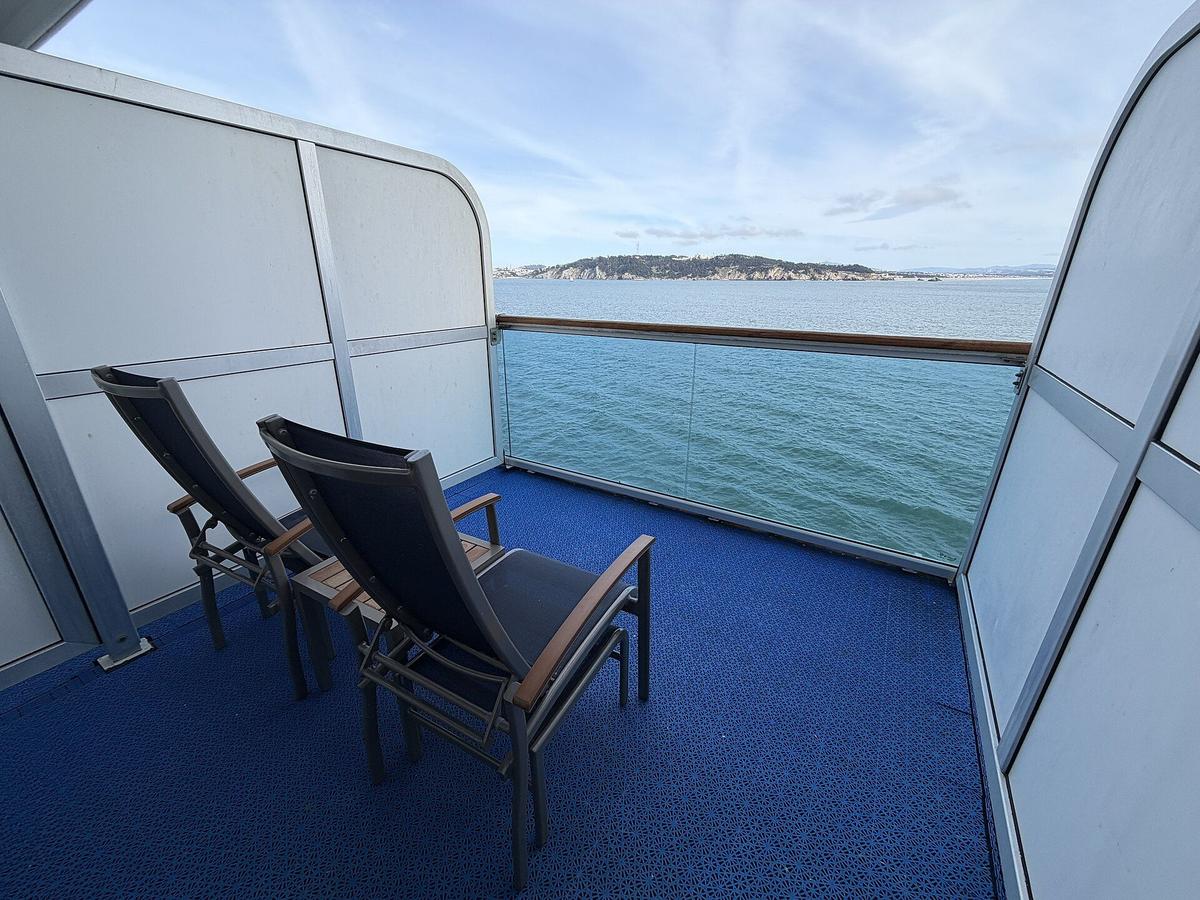
A solo cruising guide has to start with the industry's founding assumption, because everything solo travellers pay follows from it: cruise pricing is built on two people in a cabin. Fares are quoted per person at double occupancy — the trap our cruise price per person explained post unpacks in full — and a party of one collides with the model at every step. The good news is structural too: lines that once charged solos a flat 200% have spent a decade building studio cabins, solo categories and reduced-supplement promotions, because solo travellers are a growing market. This guide maps the mechanisms from the lines' published solo programmes — ranges are described only as lines publish them, because supplements vary by sailing and no honest guide invents an average.
Solo cruising guide: the supplement, explained mechanically
A cabin earns the line a target revenue. Price it per person at double occupancy and two guests meet the target; send one guest and the line protects the target by charging a supplement — a percentage of the second fare. At the historic standard of 200% total, the solo pays exactly what a couple pays for the same cabin. Lines publish supplements per sailing and per category rather than as one policy, and the same ship can carry a full supplement on a peak week and a waived or reduced one on a quiet week, because the supplement is really unsold-inventory pricing wearing a rule's clothes. That is why this guide refuses to quote "typical" supplement percentages: the only honest figures are the ones attached to the sailing you are pricing, stated by the line at the time you price it.
The quieter trap: promotions
The second trap is quieter: promotions. "Second guest half price" and percentage-off offers are usually built on the double-occupancy fare, and their value to a solo ranges from something to nothing depending on the terms. Read the promo's basis before counting it.
Studio cabins and the fair-for-one solo cruise designs
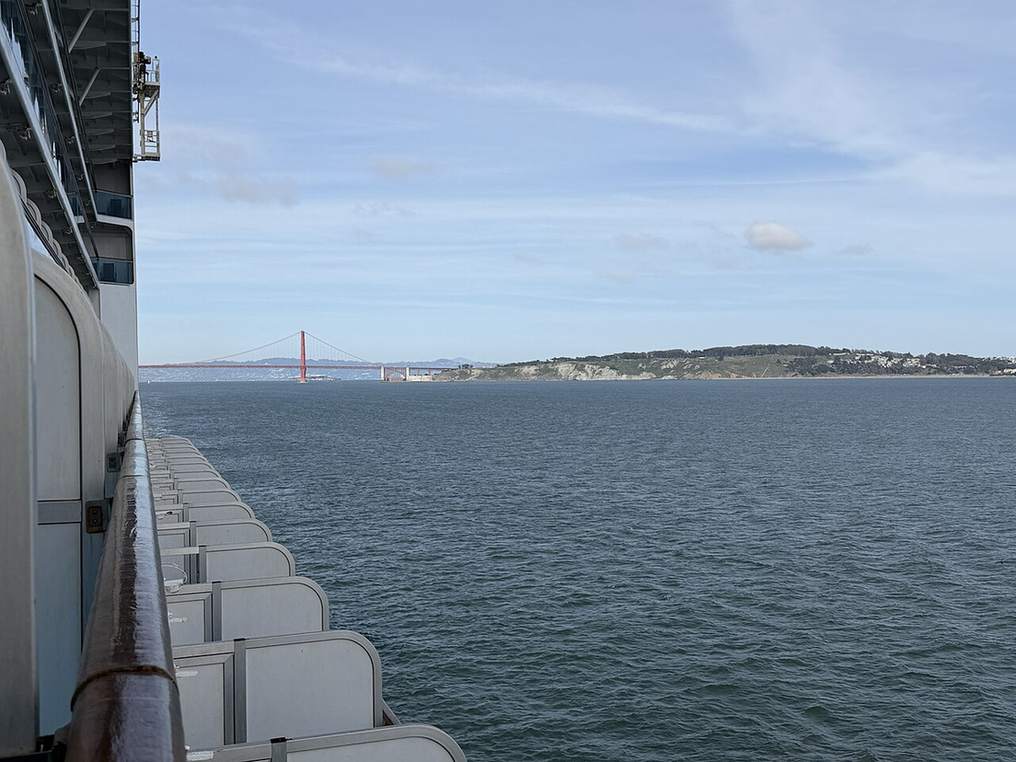
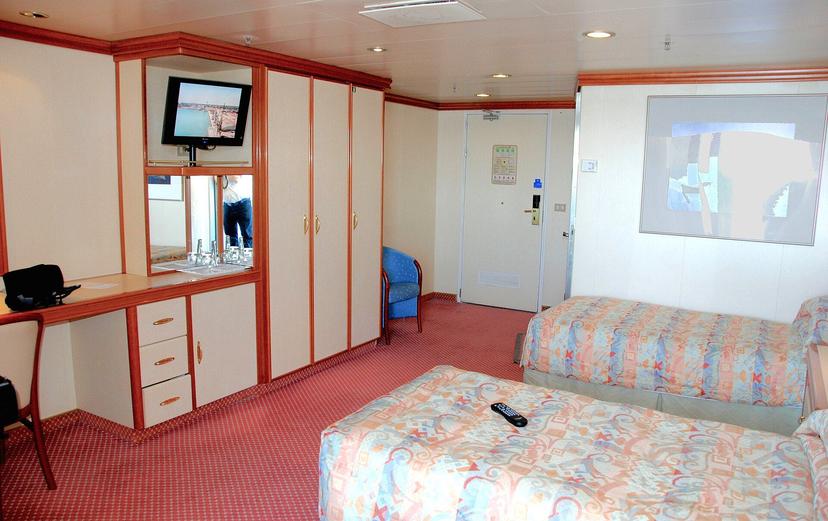
Norwegian Cruise Line built the segment's reference product: Studio staterooms, compact cabins (around 100 square feet) designed and priced for one, clustered around a shared Studio Lounge, carried across much of the fleet including the Prima class discussed in our Norwegian cruises explained guide. Studios are interiors — the trade for a no-supplement fare is size and a window — and they sell out early on popular sailings precisely because the maths is clean.
Beyond Norwegian: the other lines' solo categories
Royal Caribbean publishes solo categories on several ships, including studio interior and studio balcony cabins on its newer vessels, priced for single occupancy. Virgin Voyages sells Solo Insider and Solo Sea View categories on its Lady ships — an adults-only product whose social design suits many solo travellers, with supplements applying on standard categories instead. Celebrity has added single Infinite Veranda staterooms on its Edge-class ships. Beyond the purpose-built inventory, some lines periodically publish reduced-supplement or no-single-supplement offers on selected sailings; these are genuine but date-specific, and they surface in fare searches rather than in any permanent policy.
| Solo route | How it works | Watch out for |
|---|---|---|
| Studio cabins (Norwegian's Studio programme is the reference) | Small cabins priced for one; no supplement; solo lounge on NCL | Interiors only; tiny inventory sells early |
| Dedicated solo categories (Royal Caribbean, Celebrity, Virgin) | Cabins designed for single occupancy on selected ships | Only on some ships and categories — check your sailing |
| Standard cabin with supplement | Any cabin, at a supplement set per sailing | Supplement can run to 200% on peak sailings |
| Reduced / waived supplement offers | Periodic line promotions on selected inventory | Date-specific; read the fare basis carefully |
| Repositioning and shoulder-season sailings | Softer demand softens supplements | One-way logistics — price the whole trip |
Summary of the solo options the major lines publish; availability and terms are per sailing.
The solo method: how to actually shop
Work in totals for one. First, widen the field: price studios and solo categories first, then standard cabins with the supplement applied — on strong-supplement sailings a studio wins easily; on reduced-supplement sailings a standard balcony can beat it. Second, flex the calendar: supplements track demand, so shoulder-season and repositioning sailings (one-way voyages our other guides cover) are where solo pricing softens most. Third, count the whole bill — a solo pays one set of taxes and gratuities, which narrows the gap against couples' per-person comparisons more than the fare alone suggests. Fourth, book early for studios and late only opportunistically: solo cabins are few, and the "late deal" in a standard cabin depends on the line discounting the supplement, which it does only when the ship needs filling. When listings go live, solo-friendly sailings will surface among the wider market on our deals page — filter by total for one, not by the per-person headline.
The social design question
Solo travellers also ask whether they will be alone in a crowd. The published-design answer: lines with studio complexes add a lounge and hosted meetups precisely to solve it; hosted solo gatherings appear in most lines' daily programmes; and communal dining formats — Virgin's restaurants, freestyle dining on Norwegian — sidestep the fixed-table-for-eight problem entirely. Ships and sailings differ, and a guide written from published material can point to the structures without grading the atmosphere. Choose the ship whose structures fit how social you actually want to be.
Frequently asked questions
What is a single supplement on a cruise?
The charge for occupying a double-occupancy cabin alone, expressed as a percentage of the second person's fare. At 200% you pay the full two-person cabin price. Lines set supplements per sailing and category, and reduce or waive them on selected inventory — check the figure attached to your sailing, not any general claim.
Which cruise lines are best for solo travellers?
By published product: Norwegian, for its fleet-wide Studio cabins and solo lounge; Royal Caribbean and Celebrity, for dedicated solo categories on newer ships; and Virgin Voyages, for solo cabin categories on an adults-only product. The best line for a given trip is the one whose solo total for your dates is lowest in the cabin type you want.
Are studio cabins worth it?
If the alternative is a standard cabin at a high supplement, usually yes — the studio fare is transparent and the lounge is a genuine social asset. If a sailing carries a reduced supplement, a standard cabin can offer more space for similar money. Compare the total for one in both cases.
Do solo travellers pay double for everything?
No. The supplement applies to the cabin fare. Taxes, port fees and gratuities are per person, so a solo pays one person's share of those; excursions, drinks and onboard spend are likewise per person. The fare is where the double-occupancy model bites.
Solo cruise deals are supplement deals, not fare deals
Solo cruise deals are, in practice, supplement deals: the fare is rarely the thing on offer — the thing on offer is a waived or reduced single supplement on a selected sailing, a studio cabin priced for one, or a solo category with no supplement at all. That is why cruises for solo travelers are shopped in totals for one, not per-person headlines, and why single cruise deals are best read the same way: a deal is only a deal if the total for one beats the same cabin's double-occupancy total. Cheap solo cruises, in that sense, are the sailings where the supplement is lowest — shoulder-season and repositioning sailings, and the occasional reduced-supplement promotion on selected inventory. Solo cruise deals 2026 follow the same rule as every year: studios sell early, so the best 2026 solo value is booked early, while last minute solo cruise deals are the opposite bet — a standard cabin whose supplement the line discounts late, only when the ship needs filling.
The referee's verdict in this solo cruising guide
The double-occupancy model is not a conspiracy; it is arithmetic — and arithmetic can be shopped. Price studios first, hunt the reduced-supplement sailings, flex your dates, and never compare a per-person headline against your solo total. The market's solo inventory grows every year; the current crop will be gathered on our deals page, priced for one — the only number that should ever decide it. The solo cruising tips in this guide share one rule: never compare a per-person headline against your solo total — and the first-cruise guides are written to the same rule.
See the deals, total price first
Every deal we list will show the total — fare, taxes and port fees included — before you pay. That is the rule the deals page is being built to.
Browse cruise dealsNever overpay after you book
Once sign-ups open at launch, our price-drop alerts will watch the sailing you care about and flag it when the fare moves.
About price-drop alerts
Search cruises
Every result shows the total for your cabin — taxes and port fees included.