Cruise Price Per Person Explained: Why the Headline Is Half the Story
A per-person headline assumes two guests in the cabin ("double occupancy"). One cabin costs about two headlines, plus per-person taxes and fees for both guests. Once you see that, cruise price per person stops being a fare and becomes a sharing assumption: travelling alone usually means paying close to double for the same cabin.

Here is the oldest display trick in cruise retail, and it is not even against the rules: the big number is per person. With cruise price per person explained, the trick loses its power. Cruise cabins are sold as a unit — almost always priced for two people sharing — but they are advertised as a per-person fare, which means the headline you react to is roughly half the amount that will leave your account for the cabin, before taxes, fees and gratuities join it. This guide explains why the industry quotes this way, how solo travellers and families are affected differently, and the three-second conversion that turns any headline into the real cabin total.
Cruise price per person explained: the double-occupancy convention
One cabin, divided by two
Cruise lines price staterooms, then divide by two for display. The convention came from an era of brochures and newspaper ads, and it survives because it makes every fare look smaller and because "per person per day" maths is how the industry compares itself internally. The fine print carries the truth — "per person, based on double occupancy" — alongside the other qualifiers: cruise only, taxes and fees additional, category and date restrictions. None of this is hidden, exactly; it is simply arranged so that the number you remember is the smallest defensible one. The lines' own rules confirm the like-for-like basis underneath the display: Royal Caribbean's Best Price Guarantee, for example, matches only the same cruise, same date and same room type, because anything else is not the same product wearing a different number.
What the headline leaves out, in order
Start with the cabin maths: two guests means the fare component is the headline multiplied by two. Then add taxes, fees and port expenses, which are also charged per person — so they double too, as cruise taxes and port fees explained sets out. Then add the daily gratuity or service charge, again per person, for each night. Only then do you reach the figure that deserves to be compared, and it is routinely a very different number from the one in the advertisement that caught your eye. The worked example below uses round illustrative figures — not a real fare — purely to show the shape of the conversion.
| Step (illustrative example only) | Per person | Full cabin, two guests |
|---|---|---|
| Headline fare as advertised | 500 | 1,000 |
| Taxes, fees and port expenses added | 150 | 300 |
| Gratuities for the sailing added | 100 | 200 |
| True total to compare | 750 | 1,500 |
Reading the worked figures honestly
The label matters: those figures demonstrate the arithmetic, nothing more. Any real sailing must be totalled from its own booking screen — which is exactly the discipline what a cruise really costs applies layer by layer.
Cruise price per person explained for solo travellers and families
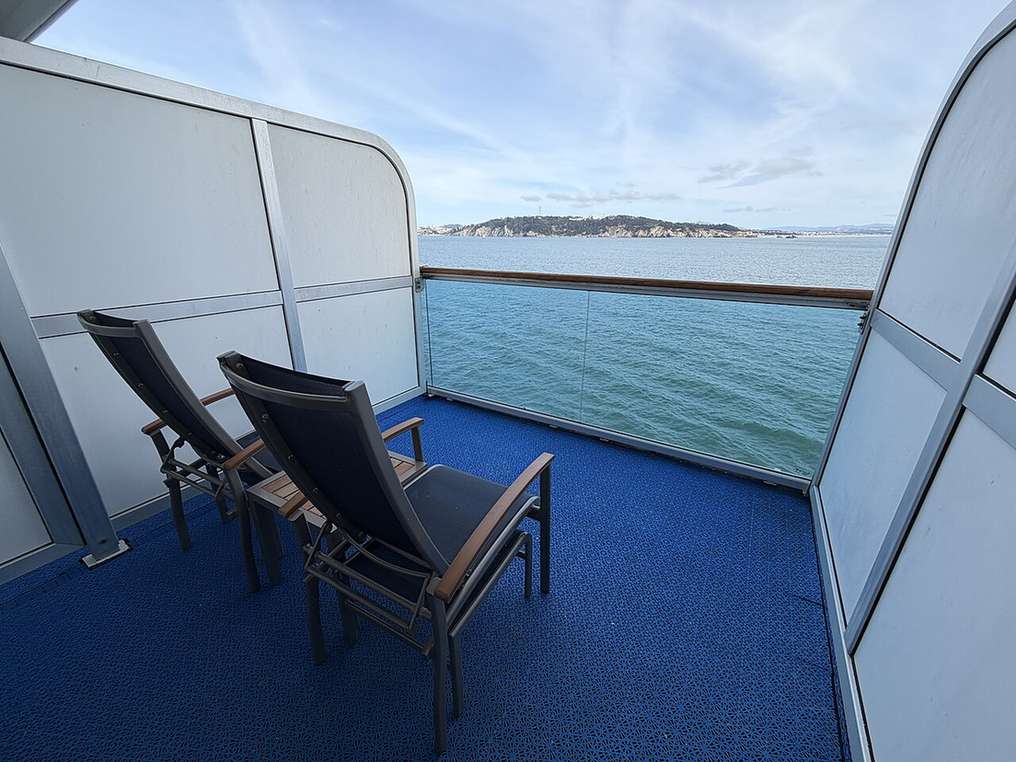
For a solo traveller, the per-person convention cuts the other way. A cabin priced for two does not become half price for one: lines levy a single supplement, and on many sailings a solo guest pays close to the full two-person fare for the cabin, minus the second guest's taxes and fees. A small number of ships have dedicated solo cabins priced without a supplement, and they sell out early for exactly that reason. If you cruise solo, the honest figure to shop for is the total for one, and any listing that will not show it without a phone call is telling you something.
Families: third and fourth guests change the maths
For families and groups, third and fourth guests in the same cabin are usually priced at a reduced fare — sometimes promoted as free — but "free" reaches only the fare. Each additional guest still pays taxes, fees and port expenses in full, plus gratuities. A family of four comparing two sailings should total all four guests completely on both, because a sailing with a higher headline and a genuine third/fourth-guest promotion can beat a lower headline where the extra guests pay near-full fare.
The per-day restatement to resist
One more restatement to resist: the per-day figure. Sellers often divide the per-person fare by the number of nights to produce a small daily number that looks like a hotel rate. It inherits every distortion of the per-person figure and adds one of its own — it spreads the taxes, fees and gratuities nowhere at all, so the daily number you remember may be half or less of the true daily cost of the cabin. If a daily rate helps you budget, build it yourself from the cabin total, divided by nights, with every layer inside it.
The referee's conversion, and what to demand
Demand the cabin total, in writing
The conversion takes seconds: double the per-person fare, add per-person taxes and fees for every guest, add gratuities for every guest for every night. Then compare totals, like for like, on the same ship, date, category and guest count. Any seller can be asked for exactly this number, and the better ones publish it unprompted. That is the standard on our page how our prices work: the whole cabin total, with every mandatory layer inside it, next to any per-person figure — never instead of it. California's Honest Pricing Law pushes the same direction: the California Attorney General's guidance requires mandatory charges to sit inside the advertised price.
Frequently asked questions
Why do cruise lines advertise per person instead of per cabin?
Convention and effect. Per-person pricing is the industry's historical display standard, and it produces a smaller, more clickable headline. The qualifiers — double occupancy, taxes additional — are disclosed in the small print, which is why learning to convert matters more than complaining about the format.
Is the per-person price ever the real price?
Only if you read it precisely as what it is: one guest's fare share, excluding taxes, fees and gratuities. For a couple it is exactly half the story; the cabin total is the amount that will actually be charged.
Do single supplements apply on every sailing?
On most mainstream sailings, yes, in some amount — the cabin is priced for two and the line recovers the second fare share from a solo guest. Dedicated solo cabins and occasional supplement-reduced promotions are the exceptions, and they are capacity-limited.
Are third and fourth guests really "free" when a promotion says so?
Their fare may be. Their taxes, fees and port expenses are not, and neither are their gratuities. Total the whole party before deciding whether the promotion is worth more than a rival sailing's straightforward lower fare.
The bottom line: cruise price per person explained is really one habit — convert before you compare. Double the headline, load every per-person charge for every guest, and judge sellers on the cabin total, the way how our prices work presents it. The headline is half the story; the total is the story. Everycruise price per person headline works the same way — it shows you half a cabin and asks you to react to the whole holiday — so double it first, and compare only totals.
See the deals, total price first
Every deal we list will show the total — fare, taxes and port fees included — before you pay. That is the rule the deals page is being built to.
Browse cruise dealsNever overpay after you book
Once sign-ups open at launch, our price-drop alerts will watch the sailing you care about and flag it when the fare moves.
About price-drop alerts




Search cruises
Every result shows the total for your cabin — taxes and port fees included.