First Cruise Checklist: Everything First-Timers Actually Need to Do
Documents come first, not last: names on the booking must match the ID you will travel on, and document rules depend on the itinerary. Final payment is a hard deadline set by the line; missing it can cancel the booking. These first time cruiser tips run in the order a first sailing actually unfolds, from booking day to boarding day.

A first cruise checklist only helps if it is in the order things actually happen. First-timers are usually handed a packing list, when the tasks that can genuinely end a trip come much earlier: documents that do not match the booking, a final payment deadline that passes unnoticed, an online check-in left until the terminal. This checklist therefore runs in real sequence — book, documents, pay, check in, pack, board — with no prices anywhere, because none of these steps depends on what you paid. Timings that vary are flagged as line-set: your line's published guidance is the version that counts.
Stage one of the first cruise checklist: book and record
- Choose the itinerary and sailing, and note where the ship embarks and disembarks — the ports at both ends shape your document and travel needs. Destination background is on our destinations page.
- Book with names exactly as they appear on the travel documents each guest will use. Nicknames and shortened names create check-in problems that are tedious to unwind.
- Record loyalty programme numbers for every eligible guest on the booking itself.
- Read the booking confirmation when it arrives and file it: fare type, deposit terms, cabin or guarantee status, and every promised perk should be visible on it.
- Put three dates in a calendar immediately: the final payment date, the day online check-in opens for your sailing, and embarkation day itself.
Documents: the step that decides whether you sail
- Establish which documents your itinerary requires, well before sailing. A sailing that begins and ends at the same U.S. port is treated differently from one that starts or ends abroad.
- If you are relying on the closed-loop rules, read closed loop cruise documents explained, which sets out the U.S. Customs and Border Protection (CBP) and State Department position — including why a passport book is the safer document even when it is not the minimum.
- Check expiry and condition of passports or other documents for every guest, including children, and check whether any port on the itinerary has its own entry requirements.
- If a name has changed — marriage, for example — assemble the document that links the old and new names, as your line directs.
- Store copies of documents separately from the originals, and leave a copy with someone at home.
Stage two of the first cruise checklist: pay, protect and prepare

- Pay the balance by the final payment date on your confirmation. The deadline is line-set and fare-specific; how it works is covered in when is final payment due on a cruise. Assume no grace period exists unless your line confirms one in writing.
- Decide on travel insurance with the booking's cancellation terms in front of you, so you know what risk you are actually covering.
- Tell the line about needs that require preparation: accessibility or dietary requirements, medical equipment, or medication that needs refrigeration. Lines ask for notice; CDC cruise guidance also advises discussing health needs with your own clinician before travel.
- Book anything with limited capacity that matters to you — items that sell out belong earlier in the sequence than items that do not.
- Arrange the unglamorous logistics: travel to the port, parking or transfers, and a buffer that assumes delays. Arrive in the embarkation city the day before if you are flying in.
| Stage | Core tasks | When it happens |
|---|---|---|
| Book and record | Names matched to documents, confirmation checked, key dates diarised | At booking |
| Documents | Itinerary-specific ID confirmed, copies stored separately | As soon as booked — renewals take time |
| Pay and prepare | Final payment made, insurance decided, needs notified to the line | By the line-set final payment date |
| Check in online | Guest details, travel documents, arrival time selected | In the line-set window before sailing |
| Pack | Carry-on essentials separated from checked luggage | The week of sailing |
| Board | Documents and boarding pass in hand, arrive in your arrival window | Embarkation day |
Stage three: check in online — the first cruise step people skip
Online check-in is where the line collects guest information, document details, emergency contacts and an onboard payment method, and where you select or are assigned an arrival time. Windows are line-set, so treat the following as an illustration from one line's published guidance, checked at drafting: Royal Caribbean's check-in FAQ states that guests may check in on its website up to 48 hours before sailing, that app check-in runs until the morning of sailing, and that guests must be checked in no later than 90 minutes before the scheduled sailing time. Your line may set different points; the principle is universal — the window opens well before the terminal, and the best arrival times go first.
- Complete check-in for every guest on the booking as soon as your line's window opens.
- Enter document details exactly as the documents read, and complete any health questionnaire your line requires, when it requires it — some are only released close to sailing.
- Save or print the boarding pass or SetSail-style pass your line issues, and download the line's app if it uses one for boarding and onboard information.
- Note your assigned arrival time and plan the journey to the terminal around it, not around the ship's departure time.
Packing: two lists, not one
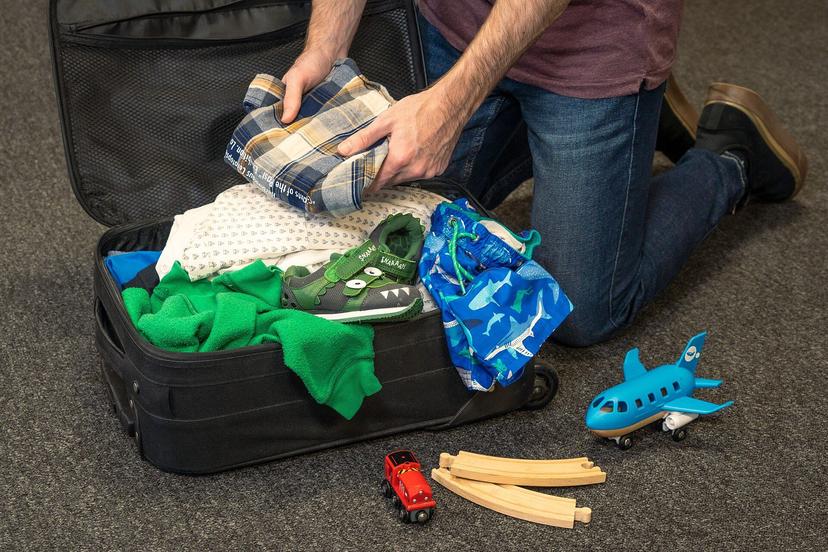
- Carry-on bag: travel documents and boarding pass, medication in hand luggage, phone charger, a change of clothes and swimwear if you want the pool before luggage arrives, and anything you would need if a checked bag were delayed.
- Checked luggage: attach the line's luggage tags, issued after check-in, before you hand bags over at the terminal; keep valuables, documents and medication out of checked bags entirely.
- Check your line's prohibited-items list before packing — rules on items such as irons, kettles and power strips are line-set and enforced at screening.
- For health preparation, the CDC's cruise ship travel page advises being up to date with routine vaccinations, checking its destination guidance, and packing a travel health kit including prescriptions, sunscreen and hand sanitiser.
Embarkation day: the final stage of the first cruise checklist
- Arrive within your assigned arrival window with documents in hand, not in checked luggage.
- Complete terminal check-in and security screening, keep the boarding pass accessible, and go through the line's safety briefing and muster process once aboard — attendance is mandatory, and the ship does not sail until it is complete.
- Test the essentials once in the cabin: safe, lights, bathroom, and where your muster station is. Report problems immediately, while the ship is still in port and fixes are easy.
- Set phones to the ship's time convention as the line directs, so port return times are never misread.
If something is wrong, raise it while the ship is in port
Embarkation day is the cheapest moment to fix a wrong cabin assignment or a missing perk: raise discrepancies at the terminal or guest services desk immediately, with your confirmation in hand, rather than assuming they will resolve themselves at sea.
Browse itineraries to apply this list to on our destinations page when you are ready to choose the sailing itself.
Frequently asked questions
When should I start this checklist?
At booking. The document and final payment steps have deadlines measured from the booking date and the sailing date respectively, and document renewals can take weeks. Everything after check-in is comparatively quick; everything before it is where lead time matters.
Is online check-in really mandatory before the terminal?
Lines differ, but the direction is uniform: guest information is collected in advance, arrival times are allocated through check-in, and terminal-only check-in is the slow fallback. Royal Caribbean's guidance, quoted above, allows website check-in up to 48 hours before sailing — treat your line's window as binding and check in early.
What is the one item people most often pack wrong?
Their documents — in checked luggage, or left at home in the folder they meant to bring. Documents, medication and boarding passes travel in the carry-on bag, every time. The second most common error is arriving at the terminal at departure time rather than in the assigned arrival window.
Does this checklist cover what documents I need?
It covers when to settle the question, not the legal detail. Document rules turn on your citizenship, itinerary and the specific ports, and the authoritative sources are CBP and the State Department. The dedicated guide linked in the documents stage explains the closed-loop position in full; for any other itinerary, confirm requirements with your line and those sources directly.
How to plan your first cruise
The short answer to how to plan your first cruise is to work the list in order rather than booking first and sorting the details later: pick the itinerary and cabin, match the names on the booking to your documents, diarise final payment, check in when your line's window opens, and pack documents in the carry-on. Planning in that order is what keeps a first sailing calm — the steps are the same whether the cruise is three nights or fourteen.
Conclusion: a first cruise checklist is really a sequence
Worked in order, a first cruise checklist is short: match the names, settle the documents, diarise and meet final payment, check in the moment your line's window opens, pack documents in the carry-on, and board in your arrival window. None of it is complicated, and almost every embarkation-day disaster story is one of those steps done late or out of order. Do them in sequence, use your line's published timings where this list flags them as line-set, and a first cruise starts the way it should — at the terminal, calm, with the right paper in your hand.
Sources
- Royal Caribbean — online check-in FAQ
- U.S. Customs and Border Protection — Western Hemisphere Travel Initiative
- CDC — Cruise Ship Travel, Travelers' Health
Work this first cruise checklist in order, and embarkation day becomes the easiest day of the trip. Done in order, before the sailing, thefirst time cruiser tips that matter most are the ones on this list — not lessons discovered at the terminal.
See the deals, total price first
Every deal we list will show the total — fare, taxes and port fees included — before you pay. That is the rule the deals page is being built to.
Browse cruise dealsNever overpay after you book
Once sign-ups open at launch, our price-drop alerts will watch the sailing you care about and flag it when the fare moves.
About price-drop alerts


Search cruises
Every result shows the total for your cabin — taxes and port fees included.