Closed Loop Cruise Documents Explained: When a Birth Certificate Works
"Closed loop" means the cruise begins and ends at the same U.S. port. Different start and end ports are not closed loop. That is why closed loop cruise documents turn on the itinerary itself: if the ship visits only U.S. ports and returns to its starting port, a birth certificate can be enough where a passport book would otherwise be required.
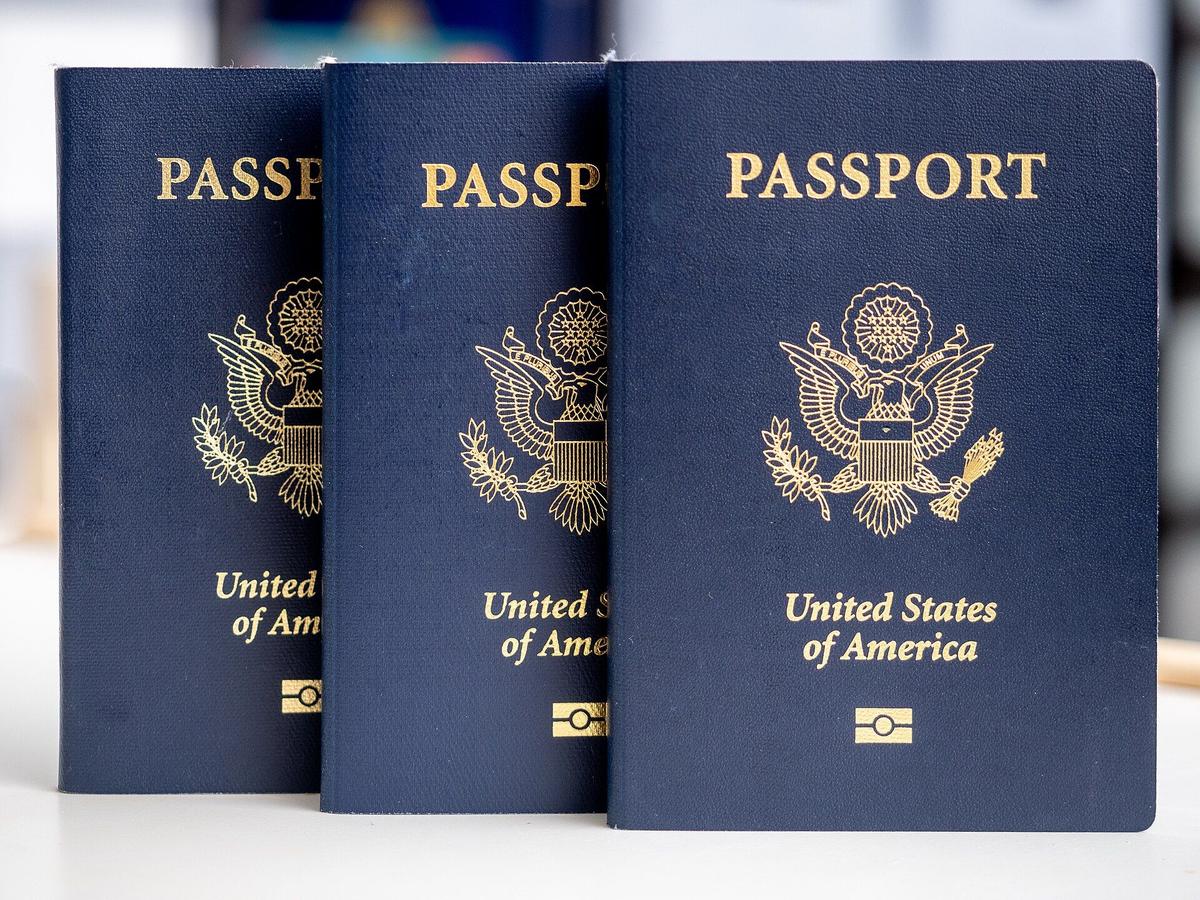
With closed loop cruise documents explained properly, the picture is narrower than most summaries suggest. A closed-loop cruise begins and ends at the same U.S. port. For U.S. citizens on that kind of sailing, U.S. Customs and Border Protection (CBP) allows re-entry with documents other than a passport book — in the familiar case, proof of citizenship such as a government-issued birth certificate, together with a government-issued photo ID for travellers aged 16 and over. That is the whole of the exception. This is general information drawn only from CBP and U.S. Department of State sources, checked 2026-10-20 — it is not legal advice, and your line may impose more than the government minimum. Check your sailing.
Closed loop cruise documents explained: what "closed loop" means
CBP's own illustration is the simplest definition: board a cruise ship at a U.S. port such as Fort Lauderdale, visit at least one foreign port of call, and return to Fort Lauderdale, and you have taken a closed-loop cruise. Two elements do the work. The start and end point is the same U.S. port — not merely the same country, and not a nearby port in the same state. And the travel is by sea, within the framework of the Western Hemisphere Travel Initiative, which covers travel between the United States and Canada, Mexico, Bermuda and the Caribbean nations.
It follows that several popular itinerary shapes are not closed loop, however they are marketed: a one-way sailing between two U.S. ports, a repositioning cruise, any sailing that embarks or disembarks in a foreign port, and fly-cruise combinations where you fly to join the ship abroad. For those, the exception does not apply, and a passport book is the document to plan around. If your itinerary's shape is ambiguous, treat it as not closed loop until CBP's guidance and your line both say otherwise.
Which documents CBP accepts — closed loop cruise documents explained for U.S. citizens
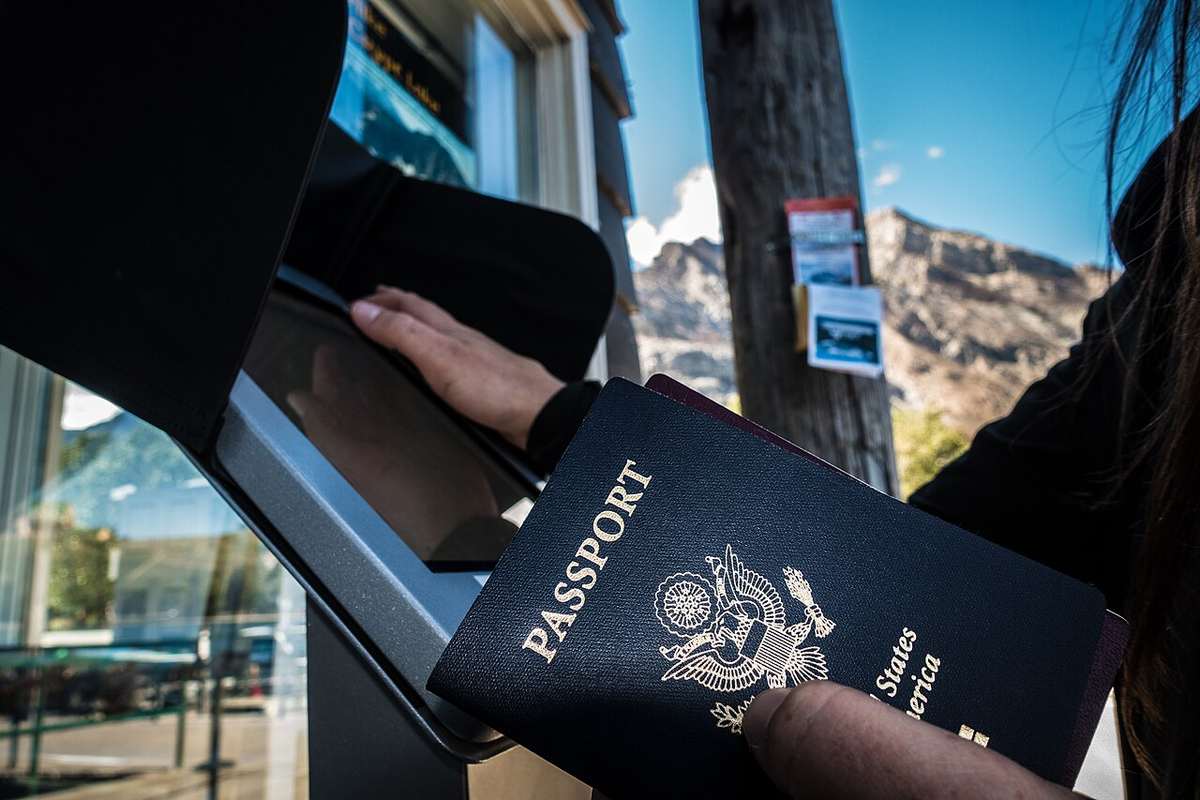
CBP states that U.S. citizens on closed-loop cruises will be able to enter or depart the country with proof of citizenship, such as an Enhanced Driver's License, a government-issued birth certificate — issued by the vital records department in the state where the traveller was born — or a passport, and, if aged 16 or older, a government-issued photo ID.
Proof of citizenship is only half of the document
Unpack that formulation carefully, because each half matters:
- Proof of citizenship. A government-issued birth certificate is the common example. CBP notes that U.S. and Canadian citizens under age 16 may present an original, notarised or certified copy of a birth certificate, a Consular Report of Birth Abroad issued by the Department of State, or a Certificate of Naturalization issued by U.S. Citizenship and Immigration Services, when entering by land or sea. Adults should expect to need the government-issued document itself, not a hospital souvenir certificate, which is not a government-issued record.
- Photo ID, for ages 16 and over. The birth certificate proves citizenship; it does not prove the person holding it is you. The government-issued photo ID does that second job.
- Single-document options. An Enhanced Driver's License denotes both identity and citizenship and is WHTI-compliant for land and sea entry, as are U.S. passport books and passport cards. Note what an Enhanced Driver's License is not: it is issued only by certain states, and it is a different document from a standard or REAL ID-compliant licence.
Travellers who are not U.S. citizens should not read this section as applying to them. CBP states that WHTI does not affect U.S. lawful permanent residents, who are required to present a Permanent Resident Card (Form I-551) or other valid evidence of permanent resident status. Other nationalities face their own passport and visa requirements for the United States and for each port — check those against your own status, not against a summary written for U.S. citizens.
| Document option (U.S. citizen, closed loop) | Accepted by CBP for re-entry by sea? | Lets you fly home from a foreign port? |
|---|---|---|
| Passport book | Yes | Yes — the State Department's recommended document |
| Government-issued birth certificate plus government photo ID (age 16+) | Yes, as proof of citizenship plus identity under WHTI | No |
| Passport card | Yes — valid for re-entry at seaports from Canada, Mexico, Bermuda and the Caribbean | No — not valid for international air travel |
| Enhanced Driver's License (participating states only) | Yes — WHTI-compliant for land and sea | No |
The fly-home risk: the paragraph to read twice
The State Department's page for cruise ship passengers states the risk in one sentence: if you cannot return on the cruise ship and need to fly back to the United States for any reason, you will need a passport book. Its examples are not exotic. Illness or injury can mean being admitted to a hospital abroad while the ship sails on without you; a ship with mechanical problems can put passengers ashore in a country that requires a passport, from which the journey home is by air. Missing the ship at a port of call and a family emergency at home belong on the same list. In every case the birth certificate and photo ID that were sufficient to board and to re-enter by sea are not documents an airline can accept for an international flight, and a passport card does not close the gap, because the State Department is explicit that the card is for land and sea entry only.
That is why the State Department strongly recommends that all cruise passengers travel with a passport book, even if it is not required. The recommendation is not bureaucratic caution; it is the difference between an interrupted trip and an interrupted trip plus a document emergency in a foreign port. Travellers should also consider what cover they hold for disruption generally — see cruise travel insurance explained — though no insurance policy substitutes for the document itself.
The limits of the closed loop cruise documents exception, honestly
Three limits catch travellers out. First, CBP's rules govern entry to and departure from the United States; they do not govern the countries you visit. A port state can set its own entry requirements, outside the closed-loop exception entirely. The Bahamas form of the question — do you need a passport for a Bahamas cruise — has two rulebooks, not one: CBP's closed-loop exception governs U.S. re-entry, while the Bahamas and your line set their own entry and boarding rules, so check both before you sail.
Boarding is the line's decision, not CBP's
Second, the State Department notes that your cruise company may require a passport book even if CBP or the foreign country's border agency does not — the line's document list for your sailing is a boarding condition, not a suggestion. Third, names matter: the name on the booking should match the documents presented, and travellers whose citizenship document shows a different name from their photo ID should carry the linking document their line requires.
Practical preparation follows. Settle the document question at booking, as the first cruise checklist sequences it, not in the final week, because obtaining a passport book takes time. Keep documents in hand luggage, carry copies separately, and — if you hold a passport book — the simplest compliant decision is to travel on it. To discuss a specific itinerary before booking, get a quote will be the place for that conversation once quoting opens — have the itinerary in front of you.
Frequently asked questions
Can I take a closed-loop cruise with just a birth certificate?
A birth certificate alone is only half of the CBP formulation for most adults: U.S. citizens aged 16 and over need proof of citizenship, such as a government-issued birth certificate, and a government-issued photo ID. Under-16s may present an original, notarised or certified copy of a birth certificate or the other citizenship documents CBP lists. And "can board" is separate from "should travel" — the fly-home risk above applies in full.
Does a passport card cover everything a passport book does?
No. The State Department states that a passport card can be used to re-enter the United States at seaports of entry from Mexico, Canada, Bermuda and the Caribbean, but that a traveller who cannot return on the cruise ship and needs to fly back will need a passport book. The card is a land-and-sea document only.
My cruise starts and ends in different U.S. ports. Is that closed loop?
No. Closed loop means the same U.S. port at both ends. A sailing between two different ports, even both in the United States, falls outside the exception, as do sailings beginning or ending in a foreign port. Plan on a passport book and confirm your line's requirements.
The government minimum is lower than my line's requirement. Which wins?
For boarding, the line's requirement wins, because the line controls embarkation. The State Department expressly notes that a cruise company may require a passport book even where CBP does not. Check your line's document list for your exact sailing and treat it as the operative rule, with CBP's guidance as the floor beneath it.
Do you need a passport for a Caribbean cruise?
For a closed-loop Caribbean sailing — one that begins and ends at the same U.S. port — the CBP rule above applies: a U.S. citizen may re-enter by sea with proof of citizenship, such as a government-issued birth certificate, plus a government-issued photo ID if aged 16 or over. That is only the U.S. re-entry rulebook. The second rulebook is the destination's own entry rules for each port you visit, and the third is your line's document list, which may require a passport book even where CBP does not. The State Department recommends travelling with a passport book, and the fly-home risk above applies in full: if you miss the ship in a foreign port, only a passport book gets you on a flight home.
Do you need a passport for an Alaska cruise?
It depends on the sailing's shape. A round-trip Alaska cruise from Seattle is closed loop, so the CBP rule above applies to U.S. citizens. A one-way sailing between Vancouver and an Alaska port is not closed loop — it begins and ends in different countries — so a passport book is the document to plan around. There is also a shore-excursion wrinkle: the White Pass rail trip from Skagway crosses into Canada's Yukon, so that excursion needs a passport even on a closed-loop sailing. Check your itinerary's shape, your excursion plans and your line's list before you decide.
What documents do you need for a cruise?
The short list is: a passport book, which is the recommended default for every cruise; or, for U.S. citizens on a closed-loop sailing only, proof of citizenship such as a government-issued birth certificate plus a government-issued photo ID if aged 16 or over. On top of that, check the entry rules of every country your sailing visits and your line's own document list for your exact sailing — the line's requirement governs boarding, and a passport book is the only document on the list that still works if the trip does not go as planned.
Can you cruise without a passport?
For a closed-loop sailing — one that begins and ends at the same U.S. port — the CBP rule above applies to U.S. citizens: proof of citizenship, such as a government-issued birth certificate, plus a government-issued photo ID if aged 16 or over, is enough for re-entry by sea. That is only the U.S. re-entry rulebook. The second rulebook is the destination's own entry rules for every port you visit, and the third is your line's document list, which may require a passport book even where CBP does not. The State Department recommends travelling with a passport book, and the fly-home risk above applies in full: if you miss the ship in a foreign port, only a passport book gets you on a flight home.
Can you use a birth certificate for a cruise?
Yes, on a closed-loop sailing, for a U.S. citizen: a government-issued birth certificate is the proof of citizenship CBP accepts for re-entry by sea, alongside a government-issued photo ID if aged 16 or over. It must be a government-issued certificate, not a hospital souvenir copy, and it does not work for air travel — so it cannot get you home by plane if the trip goes wrong. Your line may also require a passport book even where CBP does not, so check the line's list for your exact sailing before you decide.
Do you need a passport for a Mexico cruise?
A Mexico cruise from a U.S. port is usually closed loop, so the CBP rule above applies to U.S. citizens: proof of citizenship plus a photo ID is enough for re-entry by sea. That is only the U.S. rulebook. Mexico's own entry rules for your ports of call are the second rulebook, and your line's document list is the third — either may require a passport book where CBP does not. The State Department recommends travelling with a passport book, and the fly-home risk above applies in full: if you miss the ship in Mexico, only a passport book gets you on a flight home.
Conclusion: closed loop cruise documents explained comes down to one trade-off
With closed loop cruise documents explained in full, the trade-off is clear. CBP's WHTI guidance lets U.S. citizens re-enter by sea on a closed-loop sailing with proof of citizenship plus photo ID, and that is a genuine, lawful minimum. The State Department, looking at the same facts, strongly recommends a passport book for every cruise passenger — because the minimum only works while the trip goes exactly as planned, and a passport book is the only document in the list that still works when it does not. This guide is general information from those two sources, not legal advice: with closed loop cruise documents explained, what remains is to check your sailing, your status and your line's list — and let the passport be the default wherever there is doubt. For readers asking do you need a passport for a Bahamas cruise, the default is the passport book wherever there is doubt — the fly-home risk above applies in full, and no insurance policy substitutes for the document itself.
Sources
- U.S. Customs and Border Protection — Western Hemisphere Travel Initiative
- U.S. Department of State — Cruise Ship Passengers
With closed loop cruise documents explained this way, the passport decision becomes a risk choice, not a guess. Get theclosed loop cruise documents right and the rest of the first cruise is paperwork you have already done — the passport question, answered once, stays answered.
See the deals, total price first
Every deal we list will show the total — fare, taxes and port fees included — before you pay. That is the rule the deals page is being built to.
Browse cruise dealsNever overpay after you book
Once sign-ups open at launch, our price-drop alerts will watch the sailing you care about and flag it when the fare moves.
About price-drop alerts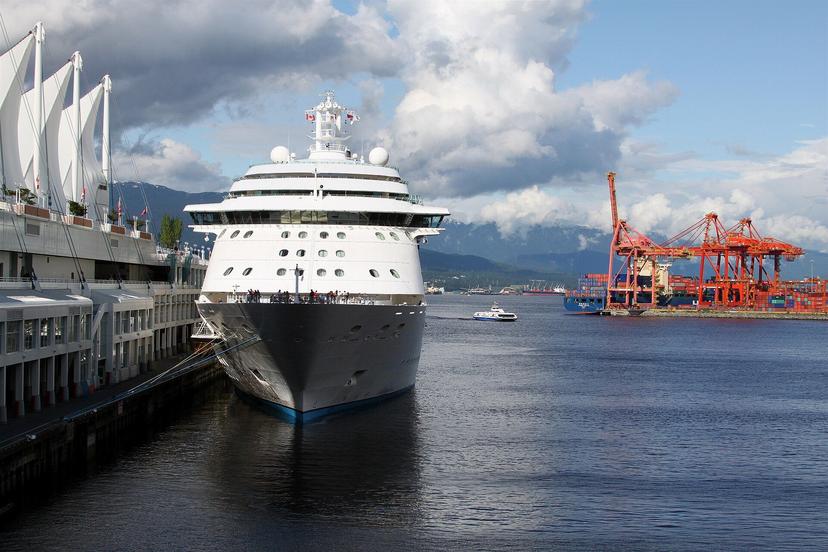

Search cruises
Every result shows the total for your cabin — taxes and port fees included.