Accessible Cruising Guide: What Lines Must Provide and What to Book Early
Every major line publishes an accessibility programme: wheelchair-accessible staterooms with wider doors and adapted bathrooms, accessible boarding assistance, and an access desk or department to notify in advance. The accessible cruising tips in this guide start with that notification step, because most access arrangements are set before the ship sails.
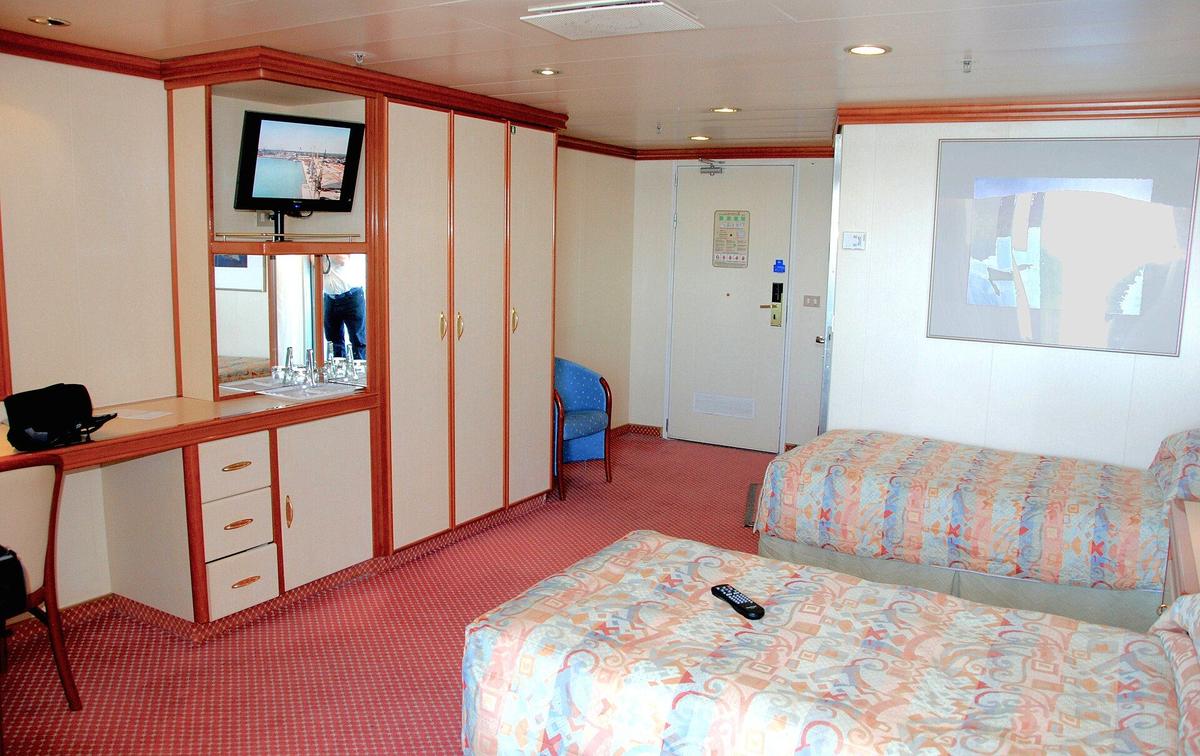
An accessible cruising guide has a duty most guides do not: its readers will rely on the details. So this one is built strictly from the lines' published accessibility pages and US guidance for cruise passengers with disabilities, it distinguishes carefully between what lines publish as commitments and what varies ship by ship, and it states its limits plainly — accessibility provisions change, ships differ within the same fleet, and the authoritative answer for any specific need is always the line's access department, contacted before booking, not after. Treat what follows as the map of questions and the published framework, and use the route our get-a-quote page will provide at launch for putting specific requirements to a seller in writing.
Accessible cruising guide: your rights and the framework
In US waters, the Americans with Disabilities Act framework and Department of Transportation guidance shape what cruise passengers with disabilities can expect, and the US Supreme Court has confirmed the ADA's application to foreign-flagged ships operating in US waters in relevant respects — while the detail of what any rule requires on a given ship is a matter for the line's published policies and, where needed, legal advice this guide does not give.
What the lines themselves publish
What the lines themselves publish — and this is the practical layer most travellers actually use — converges on a consistent offer: accessible accommodation across categories on modern ships, assistance with boarding and disembarking, accessible seating and viewing in venues, large-print or digital daily programmes, and assistive listening provision in theatres on many ships. Deaf and blind guests should ask specifically: provisions such as TTY equipment, sign-language interpretation on request, service-animal relief areas and visual-tactile alert kits exist across the major lines' programmes but are arranged per sailing, which is why the notice periods below matter.
Accessible cabins and boarding: book early, notify early
Accessible staterooms are engineered rooms — wider doorways, turning space, roll-in showers, grab rails, lowered fixtures — and they are a small fraction of any ship's inventory. They are also sold across categories, so an accessible balcony or suite exists on newer ships rather than only at the entry level. Two consequences follow. First, book as early as your plans allow; the accessible inventory on a popular sailing goes first for the same reason everything in this guide does.
Notify: the step that matters more than booking
Second, when you book matters less than when you notify: lines publish advance-notice windows for accessibility services — commonly 30 to 60 days for equipment and arrangements, longer for some requests — through their access departments or special-needs forms. Put requirements in writing, keep the confirmation, and re-confirm before sailing. Families planning a multi-generational cruise will find the booking choreography pairs with our first cruise checklist; guests travelling with children who have additional needs will also want the youth-programme notes in our cruising with kids guide.
Tender ports: the limit nobody can sell away
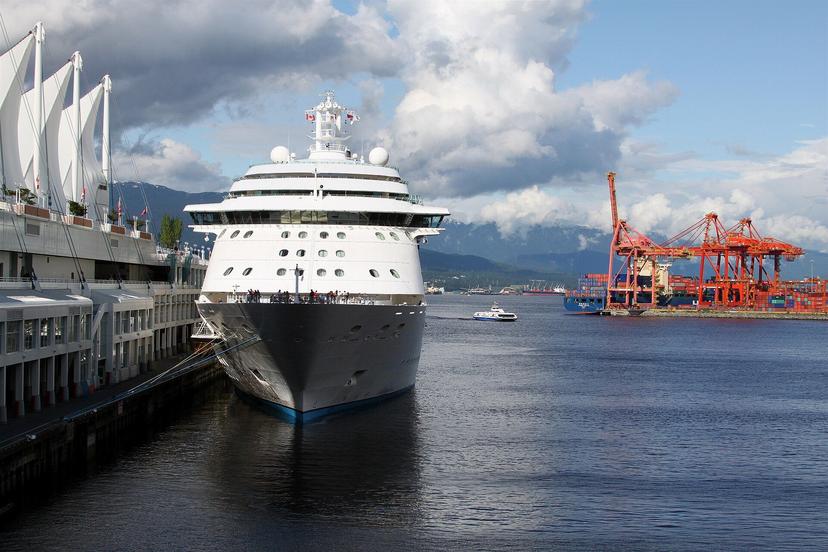
Ships dock at most major ports, and docked boarding via gangway is manageable for most wheelchair users with crew assistance, subject to tide and gangway angle on the day. Tender ports are different: the ship anchors, and guests transfer to small boats. Lines' published policies are honest about this in a way their brochures are not — tender transfer for wheelchair users depends on the tender's design, the guest's ability to transfer (sometimes with crew lifting assistance, sometimes not), and the sea state at the time. Some tender operations cannot take wheelchairs at all; in marginal weather a port call can become tender-inaccessible on the morning itself. No line and no seller can guarantee a specific tender call in advance, and any who promises one is overselling. The practical defence is itinerary choice: prefer docked ports for the calls that matter most to you, and ask the access department, in writing, about each tender port on your shortlist before you book.
| Step | When | Why |
|---|---|---|
| Choose the ship and itinerary | As early as possible | Accessible cabins are few; docked ports beat tender ports for must-do calls |
| Book the accessible cabin | At booking | Inventory per ship is a small fraction of total cabins |
| Notify the access department, in writing | At booking; within the line's published window (commonly 30–60 days out) | Equipment, interpretation, relief areas and boarding assistance are arranged per sailing |
| Ask about each tender port specifically | Before final payment | Tender access cannot be guaranteed; answers may change your itinerary choice |
| Re-confirm arrangements | In the final weeks | Confirmations in writing are your record if anything drifts |
Summary of the sequence the lines' published accessibility programmes describe; follow your line's own notice requirements where they differ.
Service animals, equipment and medical-adjacent logistics
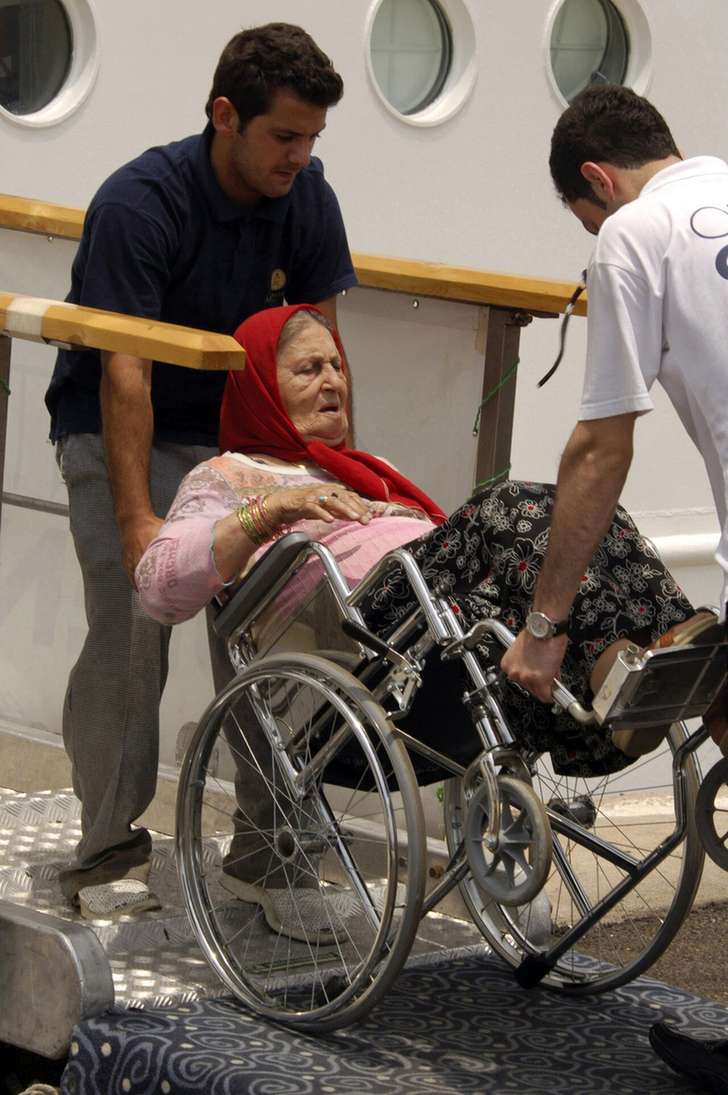
Published policies across the major lines admit service dogs trained to perform tasks for a guest with a disability, with advance notification; they provide relief areas and require the guest to supply food and care. Emotional-support animals and pets are generally not accepted under current policies. Mobility equipment: guests may bring their own wheelchairs and scooters (check width limits against cabin doors in the line's published dimensions), and several lines work with rental providers for equipment delivered to the ship — arranged in advance, at the guest's cost. Oxygen and similar medical logistics are likewise possible under published rules with notice, and dialysis-at-sea exists only on specific organised programmes, not as a general line service. This guide gives no medical advice: the pattern to copy is notice, writing, confirmation — and your own clinician's view on the itinerary's demands, taken before final payment rather than after.
Frequently asked questions
How far in advance should I notify a cruise line of accessibility needs?
As early as possible, and within the line's published window — commonly 30 to 60 days before sailing for arrangements and equipment, with some requests needing longer. Notify the line's access department in writing at booking, keep the acknowledgment, and re-confirm closer to departure.
Can wheelchair users go ashore at tender ports?
Sometimes — it depends on the tender design, the transfer involved and the sea conditions on the day, and it cannot be guaranteed in advance. Ask the line's access department about each tender port on your itinerary before booking, and favour docked ports for must-do calls.
Are service animals allowed on cruise ships?
Service dogs trained to perform tasks for a guest with a disability are accommodated under the major lines' published policies, with advance notification and a designated relief area. Pets and emotional-support animals are generally not permitted. Confirm the current policy and paperwork for your line and itinerary — rules for international ports can add requirements.
Do accessible cabins cost more?
Accessible staterooms are sold across the normal category range, from interior to suite, at the category's fare — the adaptation is not a separate product tier. The constraint is availability, not price: there are few per ship, so early booking matters more than budget.
The referee's verdict in this accessible cruising guide
Accessible cruising works when it is treated as logistics rather than luck: the right cabin booked early, requirements notified in writing within the line's windows, tender ports interrogated before money is committed. The lines' published programmes are better than their marketing suggests and narrower than their brochures imply. Start the conversation with specifics in writing — our get-a-quote page is being built for exactly that — and let the access department's answers, not a sales page, shape the booking. The accessible cruising tips in this guide all point the same way: specifics in writing, booked early, and judged against the line’s published policy — the first-cruise guides collect the rest of the planning in the same spirit.
See the deals, total price first
Every deal we list will show the total — fare, taxes and port fees included — before you pay. That is the rule the deals page is being built to.
Browse cruise dealsNever overpay after you book
Once sign-ups open at launch, our price-drop alerts will watch the sailing you care about and flag it when the fare moves.
About price-drop alerts

Search cruises
Every result shows the total for your cabin — taxes and port fees included.