Cruising With Kids Guide: What Families Need to Know Before Booking
Kids' clubs are age-banded everywhere — typically nurseries for under-3s (often charged and bookable in limited hours), clubs for 3–11, tween spaces around 11–14 and teen lounges 14–17 — but the bands, names and rules differ by line and must be checked on the line's own page. "Kids sail free" means the fare only. Most cruising with kids tips come down to that checking habit: verify the club bands, the nursery fees and the fare terms for your exact ship before you book.
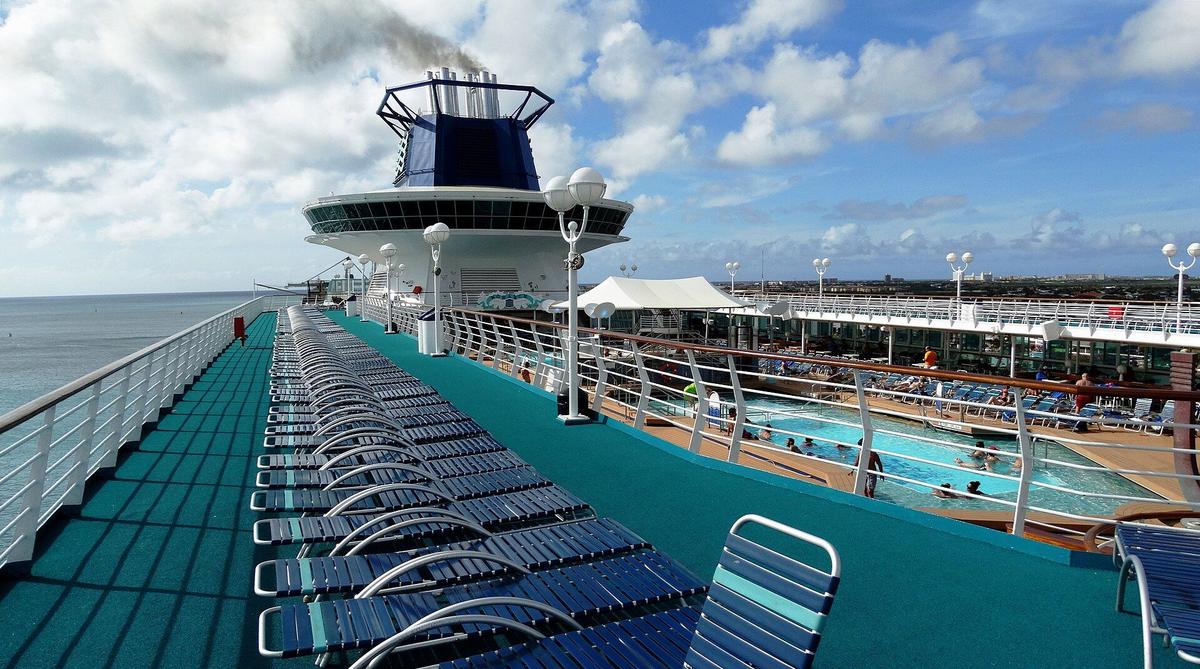
A cruising with kids guide earns its keep by being specific, so here is the shape of this one: how the kids' clubs actually work by age, which cabins genuinely fit a family, what "kids sail free" does and does not mean in the fare, and the costs that ambush family budgets after booking. It is written from the lines' published youth-programme and fare material — general guidance, not a review of any ship's childcare, and no substitute for reading your chosen line's current programme terms before you sail. Families new to cruising altogether should also work through our first cruise checklist, which this guide assumes as its companion.
Cruising with kids guide: clubs by age, read carefully
Every major family line runs the same architecture with different branding. Under 3s get a nursery or baby space — Disney's "it's a small world" nursery is the reference example — typically charged by the hour, reservable in limited blocks, and the only part of the system where babies are cared for rather than hosted. Ages 3 to 11 (in Disney's Oceaneer Club pattern, with Royal Caribbean's Adventure Ocean and Carnival's Camp Ocean running similar bands) get the main club: supervised, themed, drop-in during open hours, with children required to be toilet-trained on most lines. Tweens (roughly 11–14) and teens (14–17) get progressively looser lounges with come-and-go privileges — which parents should clock honestly: the teen product is a meeting point, not supervision.
| Age band | What lines typically provide | What to check before booking |
|---|---|---|
| Under 3 | Nursery or baby space on larger family ships; hourly charge; limited reservable hours | Whether your ship has one at all; booking opens onboard or in advance |
| 3–11 | Main kids' club (Oceaneer Club, Adventure Ocean, Camp Ocean patterns); included in daytime hours | Toilet-training requirement; registration on embarkation day |
| 11–14 | Tween lounge with hosted activities and some come-and-go freedom | The exact band edges on your ship — they differ by line |
| 14–17 | Teen lounge: meeting point and programme, not supervision | Curfew and sign-out rules in the line's youth policy |
| After hours | Group sitting on several lines, per-hour charge | Availability on sea days — it books out |
Summary of the published pattern across the major family lines; names and bands are each line's own and must be verified on its youth-programme page.
Three rules that catch families out
Three rules catch families out. Children must usually be within the band on the sailing date, and lines enforce it. After-hours group sitting exists on several lines at a per-hour charge and books out fast on sea days. And club registration happens on embarkation day — it belongs on the family's first-afternoon list, next to the muster drill, not on day three.
Cabins: where family maths is won and lost
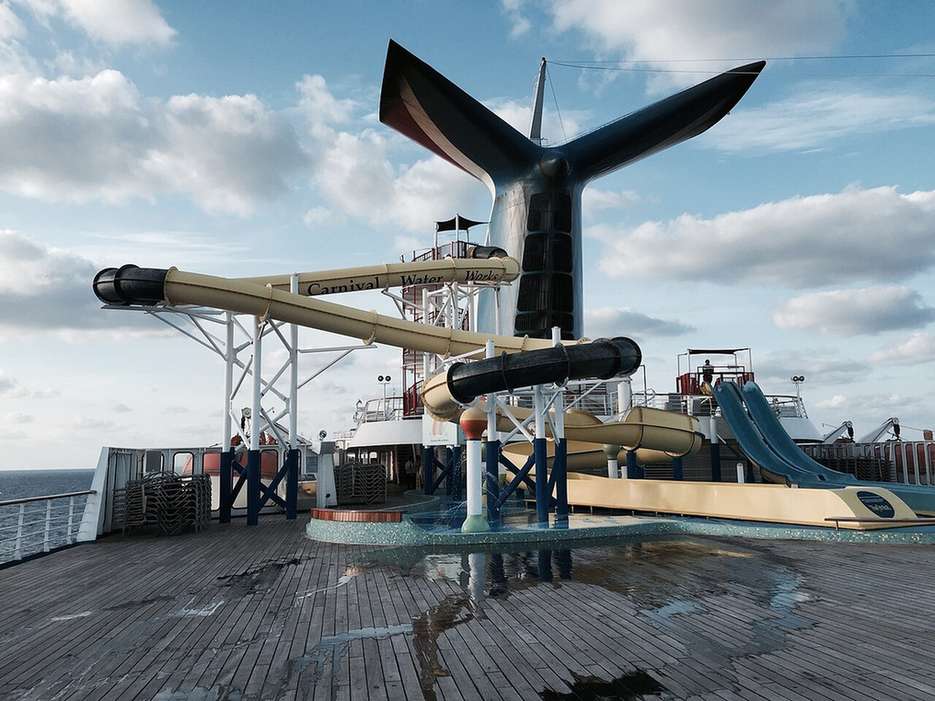
The family cabin market sorts into four shapes. Third/fourth-berth cabins put children on a sofa bed or pull-down bunks in the parents' room — cheapest per family, cosiest by night four. Connecting cabins give two rooms and two bathrooms at roughly two fares each, and often beat a suite on both space and price. Family-designated categories (Carnival's Family Harbor, Royal Caribbean's family ocean-view and interior categories) add berths and sometimes a lounge. Suites add space and perks at a fare jump that should be priced, not assumed. The method is unglamorous: shortlist ships on our destinations page by itinerary first, then price the exact berth configuration — a headline fare for "a cabin" that sleeps two tells a family of four nothing.
Kids sail free: the mechanism, in plain terms
The promotion recurs across the industry, so here is the mechanism once, carefully. On a "kids sail free" offer, the cruise fare for eligible children — usually the third and fourth guests in the cabin, sometimes any child under a stated age — is reduced to zero. What does not change: government taxes and port fees are charged per person, children included; daily gratuities are charged per person per the line's policy; and the first two guests in the cabin pay the fare the promotion is anchored to. The offer is often restricted by date, ship and cabin category, and a sailing where it applies can still cost more than a competing sailing where it does not, if the underlying adult fares differ. None of this makes the promotion worthless — on the right sailing it is a genuine saving. It makes the promotion a starting point for arithmetic, not the arithmetic itself. Always compare the family total, all four passengers, taxes in.
The costs families miss
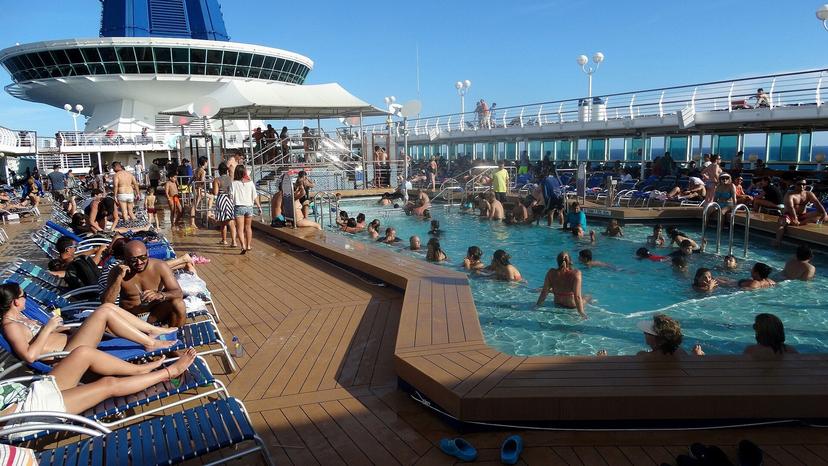
From the lines' published terms, the recurring surprises: nursery hourly fees and limited availability; after-hours sitting charges; per-ride charges on headline attractions (coasters on several lines are charged per ride); arcade spend, which is real money at ship prices; specialty dining supplements if the family wants one celebration dinner; and Wi-Fi packages, which teenage demand turns from optional to budgeted. Add the children's gratuities — easy to overlook when a quote is scanned as "two adults." Set against them the genuine inclusions family lines bundle: the clubs themselves in daytime hours, waterparks, shows and most casual dining, which is why the comparison against a land holiday should be made total-against-total.
The premium end: Disney's family infrastructure
For the deepest family infrastructure afloat — purpose-built club decks, rotational dining theatres, private islands — our Disney cruises explained guide covers the premium end honestly, including why Disney discounts least.
Frequently asked questions
What age can children use cruise kids' clubs?
Main clubs generally start at age 3 (and most lines require children to be toilet-trained), with nursery care for babies and toddlers available on some ships at an hourly charge and limited hours. Tween and teen spaces typically span roughly 11–14 and 14–17. Bands and names vary by line — verify on the line's youth-programme page for your ship.
Does "kids sail free" mean children cost nothing?
No. It zeroes the cruise fare for eligible children — usually the third and fourth guests in the cabin. Taxes, port fees and gratuities still apply per child, and the adults' fares are unaffected. Compare the all-in family total before treating any sailing as the cheap one.
What is the best cabin setup for a family of four?
Usually either a fourth-berth cabin (cheapest, tightest) or two connecting cabins (two bathrooms, more sleep space, often better value than a suite). Price both configurations for your sailing; the right answer changes with the fare difference.
Are there costs for kids' clubs?
Daytime club hours are included on the major family lines. Nursery care for under-3s and after-hours group sitting are charged by the hour on the lines that offer them, and nursery slots are limited — book them early in the cruise.
The referee's verdict in this cruising with kids guide
Families get the best of cruising — clubs, waterparks, contained geography — provided the booking is done on family arithmetic: exact berths, per-person taxes and gratuities counted, promotions read as mechanisms. Do that, and the headline fare becomes the honest total your trip was always going to cost. Start the itinerary search on our destinations page, and run the checklist before final payment. The cruising with kids tips that save a family budget are the arithmetic ones — exact berths, per-person taxes counted, promotions read as mechanisms — and the first-cruise guides carry the same discipline into the rest of the booking.
See the deals, total price first
Every deal we list will show the total — fare, taxes and port fees included — before you pay. That is the rule the deals page is being built to.
Browse cruise dealsNever overpay after you book
Once sign-ups open at launch, our price-drop alerts will watch the sailing you care about and flag it when the fare moves.
About price-drop alerts


Search cruises
Every result shows the total for your cabin — taxes and port fees included.