Sea Days vs Port Days: How Itinerary Rhythm Changes the Whole Trip
Two seven-night cruises can be opposite holidays: one never stops, one barely docks. This guide teaches you to read an itinerary's rhythm before you book it. The right balance of days at sea comes down to whether you cruise for the ship itself or for the places it stops. Read the sea days vs port days split alongside the port times themselves, because a short port day counts for less than its name suggests.
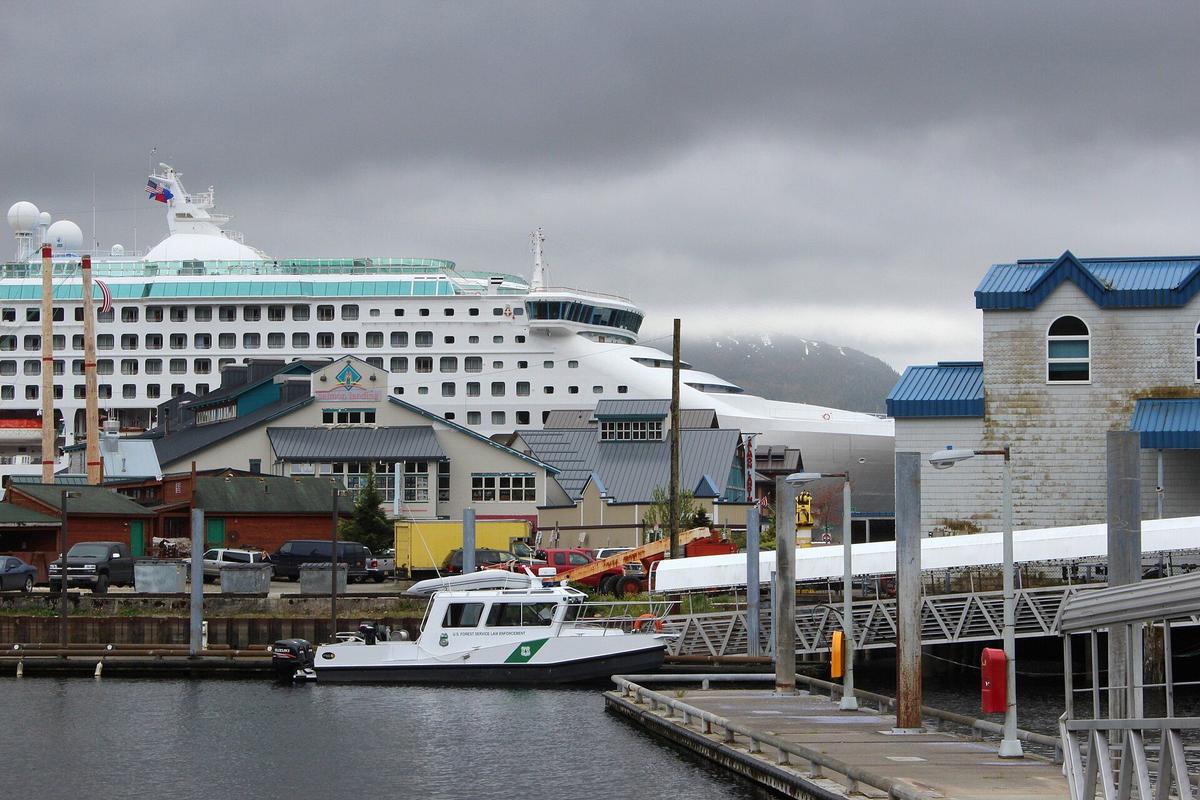
Two cruises can share a region, a length and a price and still be opposite holidays. The difference is rhythm. Sea days vs port days is the hidden architecture of every itinerary: a port-intensive sailing spends your energy ashore in a new place every morning, while a sea-day-heavy sailing spends it aboard, in the floating resort you also paid for. Sea days vs port days decides how tired you come home, how much extra you spend, and — for many travellers — whether the trip felt like touring or like rest. This guide teaches you to read an itinerary's rhythm the way you read its port list, using two published itineraries at opposite poles as the worked examples, and to match the balance to the holiday you actually want rather than the one the brochure photographed.
Sea days vs port days at the poles: two published itineraries
The port-daily pole
At one extreme sits the river pattern. Viking's Rhine Getaway (2027 itinerary, checked October 2026) calls at a port on every one of its eight days between Basel and Amsterdam — no sea days exist in the format. Mediterranean ocean itineraries approach the same pole: a port most mornings, an overnight in the glamorous ones, and the ship functioning as a moving hotel. Travellers who cruise to see places are buying exactly this, and the cost is real: early starts, full days on foot, and a ship whose amenities they mostly sleep through. Our scenic cruising guide covers the hybrid case, where the sailing itself — a fjord, a glacier bay — is the sightseeing.
The resort pole
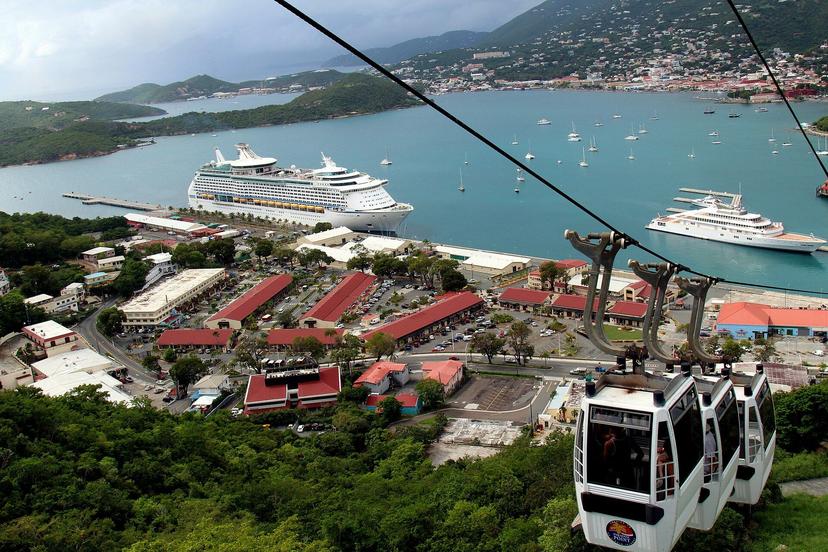
At the other extreme, the big-ship Caribbean pattern treats the ship as the destination and ports as excursions from it. Royal Caribbean's published nine-night Southern Caribbean itinerary on Explorer of the Seas (checked October 2026) opens with two days at sea before its first port and closes with two more after its last — four sea days framing five port calls, a deliberate design that uses the sailing days as product. Repositioning and transatlantic itineraries push further, running sea days in long, meditative blocks. None of these rhythms is a trick. Each is a different holiday wearing the same word, and the itinerary page — not the destination list — is where you tell them apart before you pay, browsing candidates on our destinations hub.
What sea days vs port days do to your energy, your spending and your ports
Energy is the budget nobody counts
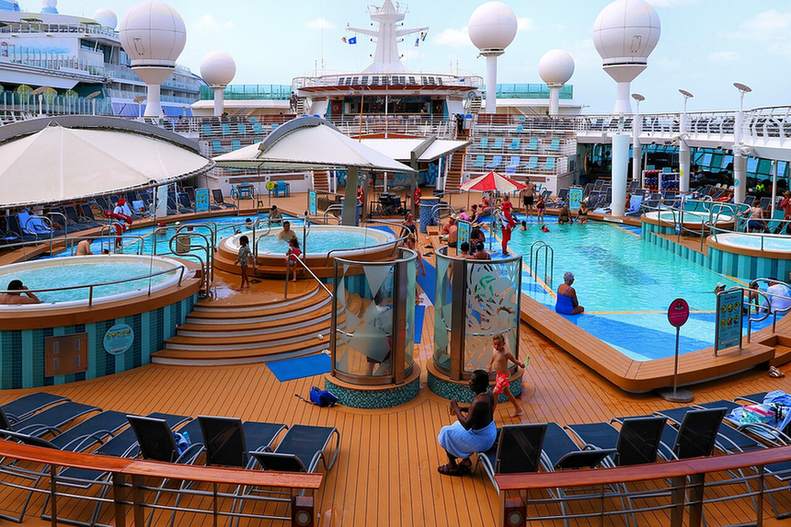
A port day costs an early alarm, a tender or a gangway queue, hours of walking, and the low-grade logistics of being somewhere unfamiliar. Stack five in a row and day four's magnificent old town gets the traveller day three exhausted. Sea days are recovery with entertainment attached — which is why experienced itinerary-readers look at the sequence: ports broken by a sea day in the middle sustain sightseeing better than the same ports in a solid block, and a sea day first, straight after embarkation, lets the ship itself be explored before the touring starts. Families feel the arithmetic doubled; so do travellers with limited mobility, for whom a port day is an expedition in a way a sea day is not.
The spending split nobody budgets
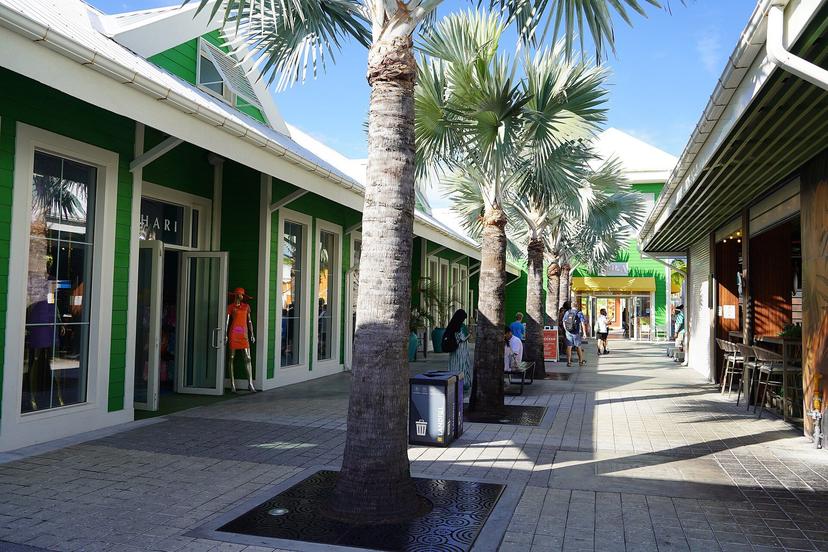
Port days move spending ashore — excursions, taxis, lunches, admissions, shopping. Sea days concentrate spending aboard — specialty dining, spa, drinks, activities with cover charges. A port-intensive itinerary on a low fare can therefore outspend a sea-heavy one on a higher fare by the end of the week, and the reverse holds for travellers who use port days for free beaches and ship sea days for the spa. Neither pattern is the value answer; the discipline is to sketch both halves before booking, the way what to do in port on a cruise plans the ashore half day by day.
| Rhythm | Typical shape | Energy profile | Spending leans | Suits |
|---|---|---|---|---|
| Port-daily | A port nearly every day, no sea days | High output, touring fatigue by day five | Ashore: tours, food, admissions | Sightseers, first visits to a region |
| Balanced | Ports in blocks of two or three, sea days between | Sustainable touring with recovery | Split both ways | Most travellers, most regions |
| Sea-heavy | Long sea-day runs framing few ports | Rest-first, ship as destination | Aboard: dining, spa, drinks | Ship lovers, repeat visitors to a region |
| Scenic cruising | Sailing days that are themselves the sight | Gentle, deck-based | Low — the view is included | Alaska, fjords, canal transits |
Reading the itinerary diagram: counting sea days and port days before you book
Open the day-by-day, not the map. Mark each day P or S, note the arrival and departure times on the P days (an 8-to-4 call is a different product from a 10-to-10), and check for tender ports, which tax a day further. Then ask the only question that matters: if the sea days vanished, would you miss the ship — and if the ports vanished, would you miss the touring? CLIA's consumer material makes the underlying point from the industry's side — its sharable articles return repeatedly to matching the cruise's style to the traveller's — and rhythm is where that matching is actually decided. The itineraries assembled on our destinations hub reward being read this way: the port list tells you where; the rhythm tells you what the week will feel like.
Frequently asked questions
How many sea days is right for a seven-night cruise?
For most travellers in a port-rich region, two: one to settle into the ship, one to recover mid-touring. Sightseers tolerate one; ship-lovers happily take three. The right number is the one that matches your honest answer about whether the ship is your hotel or your destination.
Are sea days wasted days?
Only if you bought the wrong rhythm. On a big ship a sea day is the product — pools, shows, restaurants, rest. On a port-daily itinerary the equivalent hours are spent sailing past scenery between towns. A day is wasted when it is not the day you wanted, which the itinerary diagram shows in advance.
Do sea days make a cruise cheaper or dearer overall?
Neither, inherently. Sea days shift spending aboard and port days shift it ashore. A traveller who buys ship excursions in every port may spend more on a port-intensive low fare than on a sea-heavy higher one. Sketch both halves of the budget before judging.
Can I change the rhythm after booking?
The itinerary is the contract's skeleton — you cannot rebalance a booked sailing. What you can do is soften a port-heavy week (skip a port, stay aboard, treat the ship as quiet) or enliven a sea-heavy one (book the activities early). The real decision happens at booking, on our destinations hub and the itinerary page itself.
The bottom line: sea days vs port days is not a detail of an itinerary; it is the itinerary, experienced from the inside. Count the split, read the sequence, price both halves of the spending, and choose the rhythm that matches the holiday in your head — tour, retreat, or the balanced week between. Then book it with your eyes open, starting from the regions on our destinations hub. Count the days at sea before you count the ports — the split is the itinerary, and the destinations hub is where to start from the regions that suit the rhythm you want.
See the deals, total price first
Every deal we list will show the total — fare, taxes and port fees included — before you pay. That is the rule the deals page is being built to.
Browse cruise dealsNever overpay after you book
Once sign-ups open at launch, our price-drop alerts will watch the sailing you care about and flag it when the fare moves.
About price-drop alerts

Search cruises
Every result shows the total for your cabin — taxes and port fees included.