Scenic Cruising Explained: Glacier Bays, Fjords and Canal Days
Some of cruising's best days never touch a dock. Scenic cruising - glaciers, fjords, the Panama locks - is itinerary code worth decoding before you book. This guide shows how to spot it. Scenic cruise days reward an early alarm and a windward rail spot, and this guide marks the itineraries where those days are the real headline act.
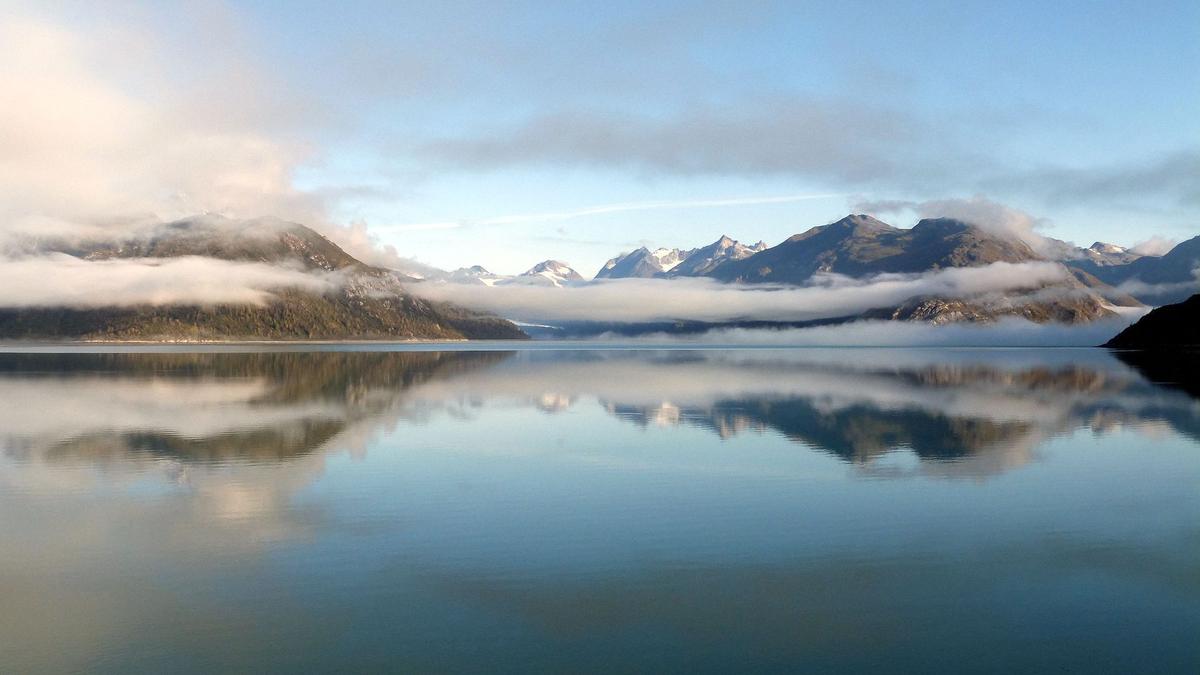
Scenic cruising is the line in an itinerary that looks like a port and is not one. The ship enters a glacier bay, a fjord or a canal, slows down, turns for the cameras, and leaves — nobody goes ashore, no gangway drops, and yet passengers routinely rank these among the best days of the trip. Because the phrase hides in itinerary text beside real ports, travellers misread it in both directions: expecting a stop that never comes, or treating a headline day as a sea day and sleeping through it. This guide decodes the term across its three great theatres — Alaska's Glacier Bay, Norway's fjords and the Panama Canal — and shows how to spot scenic cruising when booking, and how to work the day when it comes.
Scenic cruising in its three great theatres
Glacier Bay: the park comes aboard
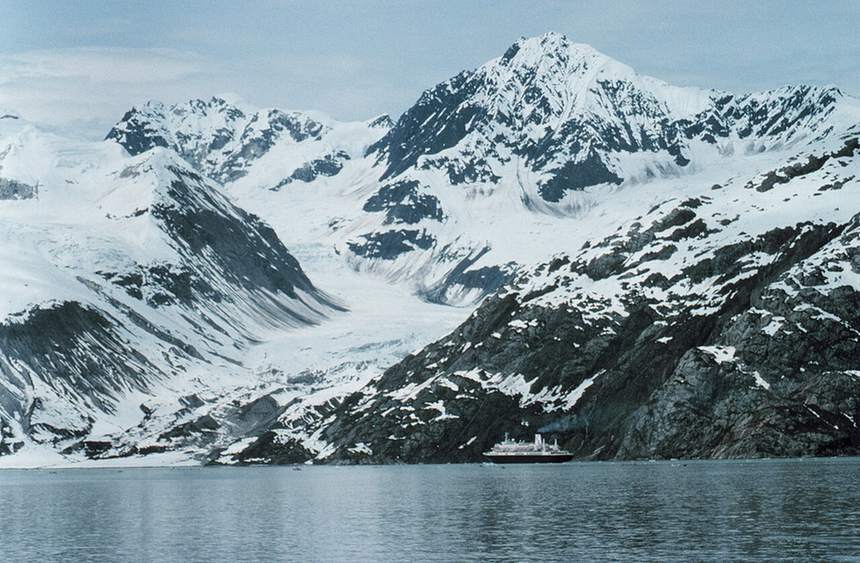
Alaska's signature scenic day is administered like the national park it is. Ships spend a full day inside Glacier Bay, standing off a tidewater glacier while ice calves into the water, and the interpretation is official: the NPS boards rangers who narrate the visit, give presentations, run junior ranger activities and staff a desk where you can ask a glaciologist's colleagues your questions. The ship's route, speed and distance from wildlife are set within the park's rules, which is part of why the day feels calm and unhurried. Nobody lands. Your shore is the rail, the bow if the ship opens it, and the balcony if you chose well. Wildlife — whales, sea otters, bears on the shoreline — is possible and never promised.
Fjords and canals: geology and engineering at walking pace
Norway's fjords are the old-world version: the ship sails deep inland between walls of rock, past waterfalls and farms reachable only by water. Visit Norway presents the Geirangerfjord and Nærøyfjord as UNESCO World Heritage landscapes, and the sailing itself — in, turning, and out — is the experience; some fjord days pair the scenic transit with a docked call at a village like Geiranger or Flåm, and some are pure transit. Our Norwegian fjords cruise guide maps which is which. The Panama Canal is the engineering theatre: a full or partial transit through the locks, with Gatun Lake between them, narrated on most lines by a canal commentator. The Panama Canal Authority describes a season of full and partial cruise transits through both the original and the expanded locks — read our Panama Canal cruise guide for the difference between the two, because on a partial transit the ship turns in the lake and your canal day has a different shape.
| Scenic day | What you watch | Do passengers land? | Narration |
|---|---|---|---|
| Glacier Bay, Alaska | Tidewater glaciers, calving ice, wildlife shorelines | No — ships do not dock in the park (NPS) | NPS rangers aboard for the day, with presentations and a desk |
| Norwegian fjords | Fjord transits, waterfalls, cliff farms | Not during the transit; some days add a village call | Varies by line — onboard commentary on most |
| Panama Canal | Lock transits, Gatun Lake, the Cut | No — the transit is continuous | Canal commentator on most lines' transit days |
| Inside Passage and similar | Island channels and coastal scenery en route | No — it is the sailing between ports | Usually light; treat as scenery, not a programme |
Working a scenic cruising day like you mean it
Before the day, and during it
Scenic days reward the prepared, and punish the assumption that there will be nothing to do. The day has a programme even when the programme is weather: ranger talks, a naturalist at a desk, the captain's timings for the glacier face or the lock approach, all printed the night before. Read that page first. Then claim a rail position early on glacier days, dress a full layer warmer than the port days around it — a ship standing off a glacier sits in refrigerated air — and rotate: bow for the approach, an upper side deck for the turn, the stern for the departure panorama. Narration typically plays on deck speakers and the stateroom television, so a balcony plus the TV channel is a legitimate strategy in cold weather. Photographers should note the ship turns to give both sides the view at the glacier face — patience beats queueing. And manage expectations in the group: the one promise no line can make is wildlife, or clear weather. Fog on a glacier day is a mood, not a malfunction.
Clothing and kit deserve a thought the night before, too. Glacier air chills through light clothing while you stand still at a rail, binoculars turn a distant shoreline smudge into bears and eagles, and a phone battery drains fast when it is working as a camera in the cold. Eat before the headline hour rather than during it — the buffet's peak and the glacier's approach have a way of coinciding — and if your ship runs a hot-drink station on deck, learn where it is early. None of this needs specialised equipment or expertise; it is simply the difference between watching a scenic day comfortably and enduring it.
Frequently asked questions
Is scenic cruising a port day?
No. It is a day spent sailing slowly through scenery, with no docking, no gangway and no going ashore. In the itinerary it appears where a port might, but without port arrival and departure times — that formatting is the tell.
Will the ship's crew explain what we are seeing?
On the signature days, yes, formally: NPS rangers narrate Glacier Bay from the ship, and Panama Canal transits typically carry a dedicated commentator. On lesser scenic segments the commentary varies by line and may be a few announcements. The itinerary and the ship's daily programme, checked the night before, tell you which you are getting.
Is a balcony worth it for scenic cruising?
It is the one upgrade scenic days argue for, because the viewing comes to you for hours at a time and the ship rotates for both sides. It is not essential — open decks give wider angles — but glacier and fjord days are where balconies earn their fare difference. Judge the premium per itinerary, not by slogan.
What happens if weather ruins a scenic day?
The day usually still runs: ships keep their park permits, lock bookings and fjord routes in most conditions, and low cloud over a glacier is common enough that lines treat it as texture. Genuinely dangerous weather can alter any day's plan under the captain's authority — the scenery is resilient, the schedule is not sacred.
Conclusion: scenic days, worked like you mean it
The bottom line: scenic cruising is the day the ship stops being transport and becomes the vantage point — a ranger-narrated glacier, a fjord wall sliding past lunch, a lock gate closing behind you. Spot it in the itinerary before you book on our destinations page, plan the day like an event rather than a gap between ports, and never mistake it for a chance to go ashore. The scenic cruise days worth planning for are the glacier bays, the fjords and the canal transits — spot them in the itinerary on our destinations page and plan the day like an event.
See the deals, total price first
Every deal we list will show the total — fare, taxes and port fees included — before you pay. That is the rule the deals page is being built to.
Browse cruise dealsNever overpay after you book
Once sign-ups open at launch, our price-drop alerts will watch the sailing you care about and flag it when the fare moves.
About price-drop alerts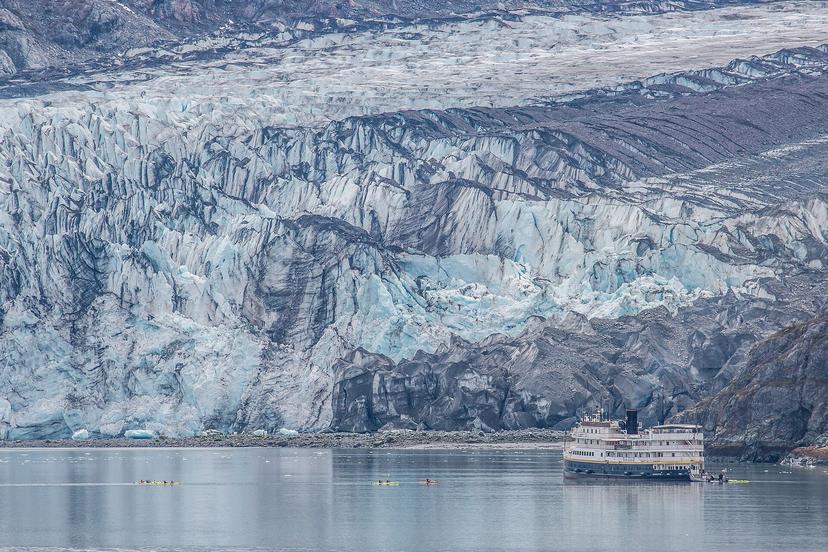
Search cruises
Every result shows the total for your cabin — taxes and port fees included.