What to Do in Port on a Cruise: Ship Tour, Independent, or Wander
Eight hours in port can be the best day of the trip or an expensive shuffle. This framework sorts port days into guided, independent and free-range - with the return-time rule that governs all three. Start with the short list of things to do in port on a cruise that are unique to that stop, and let everything else compete for what time is left.
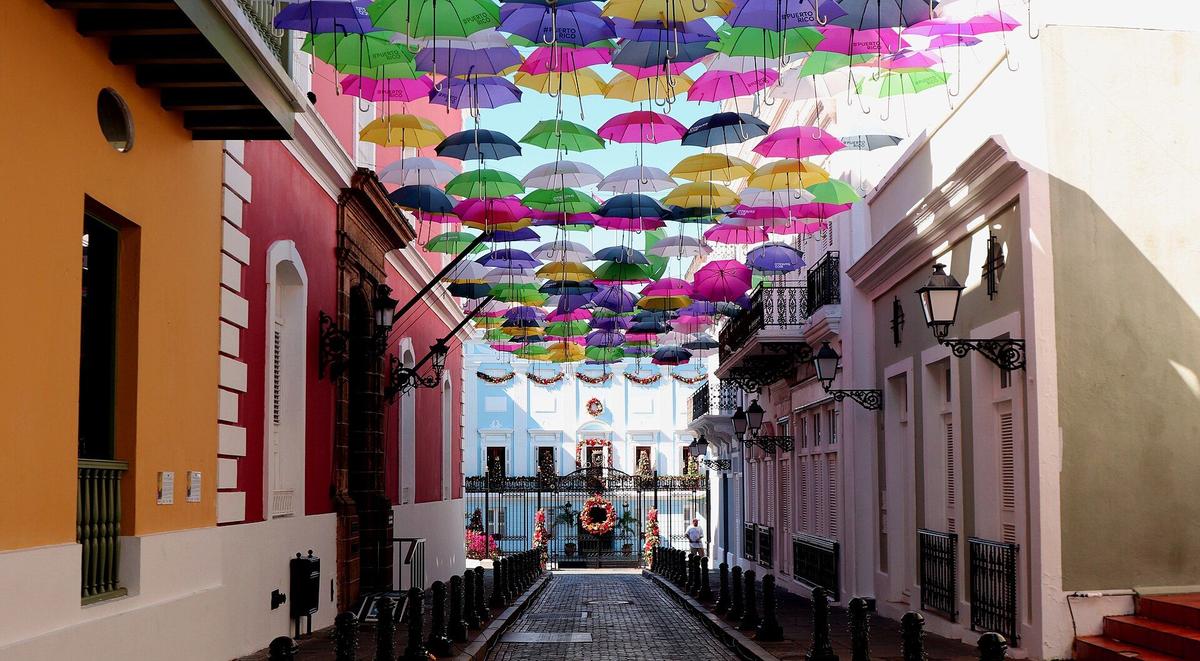
Deciding what to do in port on a cruise is the decision that quietly determines whether the cruise was worth it — the ship is the hotel, but the ports are the holiday. Every port day, whatever the destination, resolves into one of three shapes: you buy the ship's organised version of the day, you build your own version of it, or you walk off with no plan at all and let the town happen to you. Each shape is right somewhere and wrong somewhere else. This framework sorts them by what they protect you from and what they expose you to, and it ends with the single rule that governs all three: the ship's clock, and exactly who the ship will wait for.
What to do in port on a cruise: the three shapes of a port day
Shape one: the ship's tour
The line's excursion programme sells the day pre-built: transport, guide, entry logistics and a return engineered around the sailing. Its real product is not the sightseeing — it is the guarantee Royal Caribbean publishes in its shore excursions FAQ, quoted in the takeaways above, plus priority handling at tender ports and a single point of accountability when something slips. Ship tours suit far-flung sights (the ruins two hours inland), first visits to complex ports, and any day where the margin between "back" and "left behind" matters more than originality. Whether a given excursion justifies its price is a separate judgement, and it is the whole subject of our guide to whether shore excursions are worth it — this framework only assigns the day its shape.
Shapes two and three: the independent plan and the free wander
The independent day is researched like a small expedition: your own transport, your own tickets, the headliner sight first while the day is young, and a return buffer you set generously because nobody is holding the ship for you. It suits compact, legible ports and repeat visits. The free wander is its relaxed cousin — off the ship, into the old town, coffee, market, church, lunch, back — and in walkable ports from Nassau's downtown to a Greek island harbour it can be the best day of the cruise. Ports increasingly support the wanderer: Nassau Cruise Port's guest services, for example, include Guest Information Centres staffed by local experts for exactly the passenger with hours and no plan. The wander has one more quiet virtue: it is self-limiting. Because you never stray beyond walking or a short taxi ride from the ship, the free day carries the smallest timing risk of the three shapes while you are learning a port — which is why it is the right default for a first call anywhere compact, and why experienced cruisers defend it against the charge of wasting the day. Wandering fails where sights are distant, transport is thin, or the port is an industrial gate far from the town it names. Knowing which port you are in — from the itinerary and a map, the night before — is the whole skill.
One habit ties the shapes together: decide the day's skeleton the night before, over the daily programme, not on the gangway in the morning sun. A few unhurried minutes with the map — where the ship docks, where the sights sit, what the all-aboard time is — converts the next day from a negotiation into an execution, whichever shape you chose.
| Approach | Best when | Risk you carry | Deadline rule |
|---|---|---|---|
| Ship's tour | Sights are far, port is complex, day must not fail | Least flexible; you see the port at the group's pace | The line's guarantee covers its own delayed tours |
| Independent plan | Compact port, clear headliner sight, repeat visit | All of it — transport, queues, timing | All-aboard time, minus a buffer you set yourself |
| Free wander | Walkable old towns and harbour ports | Wasting a rare port on nothing in particular | All-aboard time; keep the ship in sight of your plans |
The rule that governs every answer to what to do in port on a cruise: the ship's clock
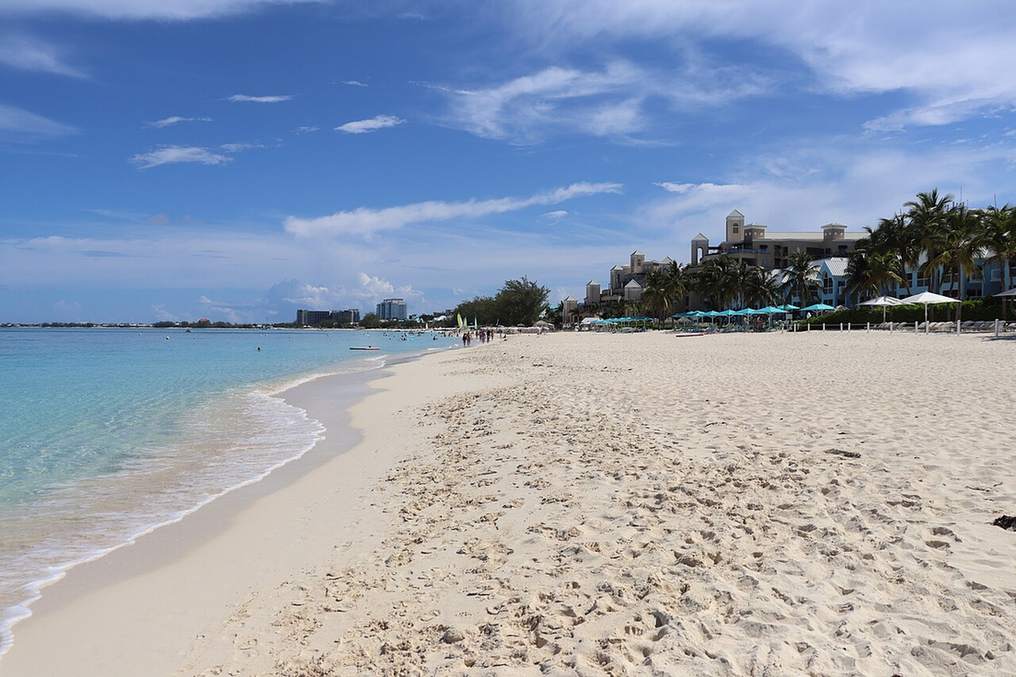
All-aboard is a deadline, not a suggestion
Every port day has two times printed in the ship's daily programme: arrival, and all-aboard — typically shortly before sailing. All-aboard is the deadline the gangway enforces. Independent travellers should treat it the way pilots treat fuel: with a margin, sized to the port. A tender port needs a bigger margin than a docked one, because the last tender is the true deadline and queues form for it. Set the margin the night before, write it down, and let it end arguments at 3 pm in a café that is suddenly very charming. And keep every device on ship's time: Royal Caribbean's FAQ notes excursion times are based on the ship's time, and phones that auto-update to local time zones have ended more port days early than any storm. Our guide to saving money in cruise ports works the spending side of the independent day; the timing discipline there and here is the same discipline.
Frequently asked questions
Will the ship really leave without me?
Yes, if you are not on a ship-sold tour that has been delayed. The guarantee lines publish covers their own excursions; an independent traveller who misses all-aboard watches the ship leave and meets it at the next port at their own expense. It happens rarely, because most people build the buffer — build the buffer.
How much time should I leave to get back?
Enough to absorb one failure: a missed bus, a long tender queue, a wrong turn. In a docked port beside the town, an hour's buffer is comfortable; where transport or tendering stands between you and the gangway, double it. When in doubt, be early and have the drink aboard.
Can I mix the three shapes across one cruise?
That is the intended use of this framework. A distant-ruins day wants the ship's structure; a beloved repeat port wants a wander; a new city with one clear sight wants an independent plan. Choosing per port, the night before, beats any single policy for the whole cruise.
What should I carry ashore?
Your ship card and photo identification — Royal Caribbean's FAQ lists both, with your excursion ticket if you have one — plus the ship's port-agent contact from the daily programme, a payment method, and a photo of the programme page showing all-aboard time. Everything else is comfort; those are the essentials.
Conclusion: port days, shaped before you step ashore
The bottom line: what to do in port on a cruise is three decisions wearing one coat — structure, independence, or drift — made port by port with the all-aboard time written down before you leave the ship. Browse the ports ahead on our destinations page, assign each its shape the night before, and let the one deadline rule the day. Structure, independence or drift — there is plenty to do in port on a cruise in any of the three shapes, and the destinations page is where to browse the ports ahead before you choose.
See the deals, total price first
Every deal we list will show the total — fare, taxes and port fees included — before you pay. That is the rule the deals page is being built to.
Browse cruise dealsNever overpay after you book
Once sign-ups open at launch, our price-drop alerts will watch the sailing you care about and flag it when the fare moves.
About price-drop alerts

Search cruises
Every result shows the total for your cabin — taxes and port fees included.