River Cruise vs Ocean Cruise: Size, Ports, Pace and Price Shape
River and ocean cruises share a word and almost nothing else. This comparison walks the real differences - port rhythm, ship scale, what is bundled - so the choice makes itself. Choosing a river cruise or ocean cruise comes down to how you want your days paced, and the comparison below makes that trade-off concrete.
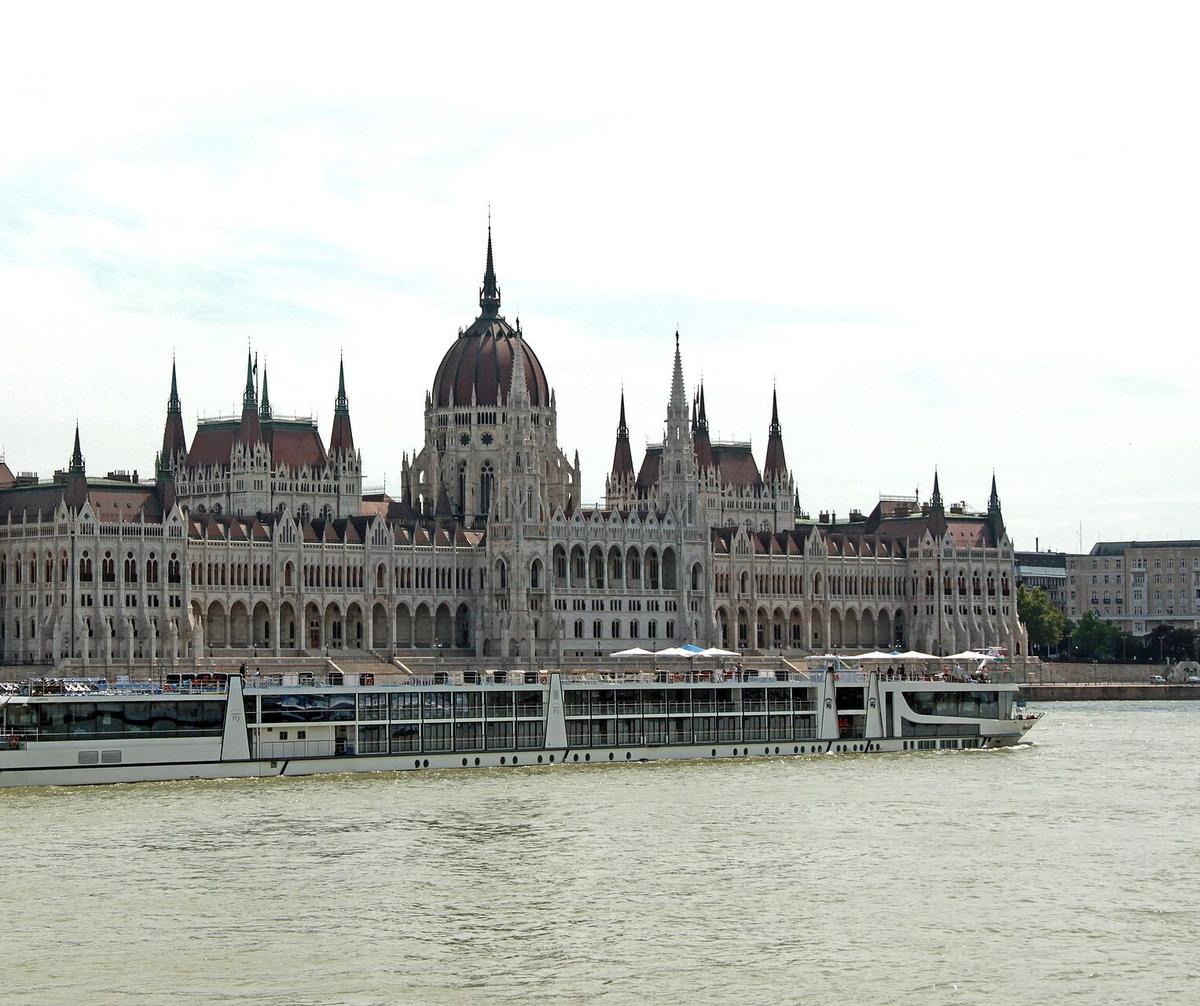
People ask about river cruise vs ocean cruise as if it were a trim level — same holiday, different size. It is not. River cruise vs ocean cruise is a choice between two rhythms of travel that happen to share water: on a river ship you wake in a new town almost every morning and the sailing is the connective tissue; on an ocean ship the vessel is a destination in its own right and the ports punctuate it. Neither is the deluxe version of the other. This comparison walks the differences that actually decide the question — port rhythm, ship scale, what the fare bundles, motion, and the shape of the price — and deliberately declines to crown a total-cost winner, because that verdict belongs to a dated, like-for-like comparison of two specific sailings, not to a format.
River cruise vs ocean cruise on rhythm: a port a day against the sea day
What a river week actually looks like
Read a published river itinerary and the rhythm announces itself. Viking's Rhine Getaway (checked October 2026) runs eight days from Basel to Amsterdam — Breisach, Strasbourg, Speyer, Rüdesheim, Koblenz, Cologne, Kinderdijk — a port every single day, with the sailing done largely at night or over lunch. There is no sea day, because the river is the scenery and the ship moves through it like a train with better catering. CLIA's river coverage makes the same point from the industry side: its sharable articles describe river cruising's appeal as docking in city centres and unpacking once. The practical consequence: a river cruise is a touring holiday that floats. Your energy goes to the ports; the ship is where you recover.
What an ocean week does with the same days
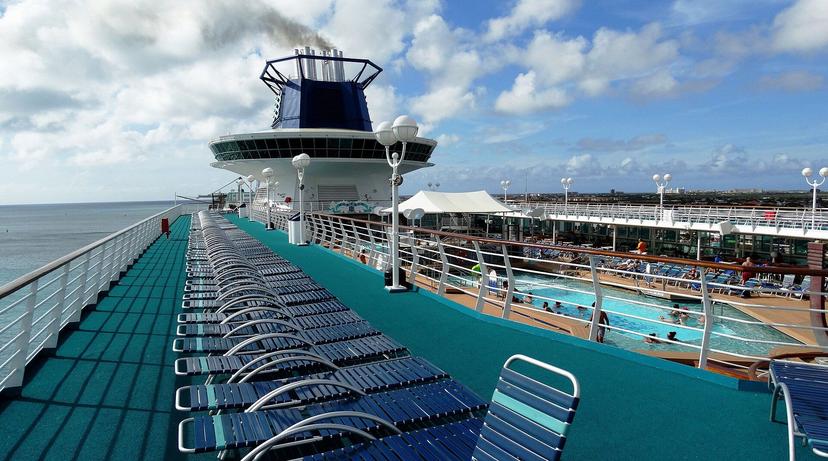
An ocean itinerary spends its days differently on purpose. A seven-night Caribbean sailing typically gives you three or four ports and two or three full sea days, and the sea days are product, not filler: they are when the ship's pools, shows, restaurants and activities earn their keep. Travellers who love a big ship experience those days as the holiday itself. Travellers who don't, experience them as waiting. Neither reaction is wrong — but the river format has no equivalent days to love or endure, which is why the choice starts with rhythm and only then moves to destination lists like those on our destinations hub.
River cruise vs ocean cruise on scale and on what the fare bundles
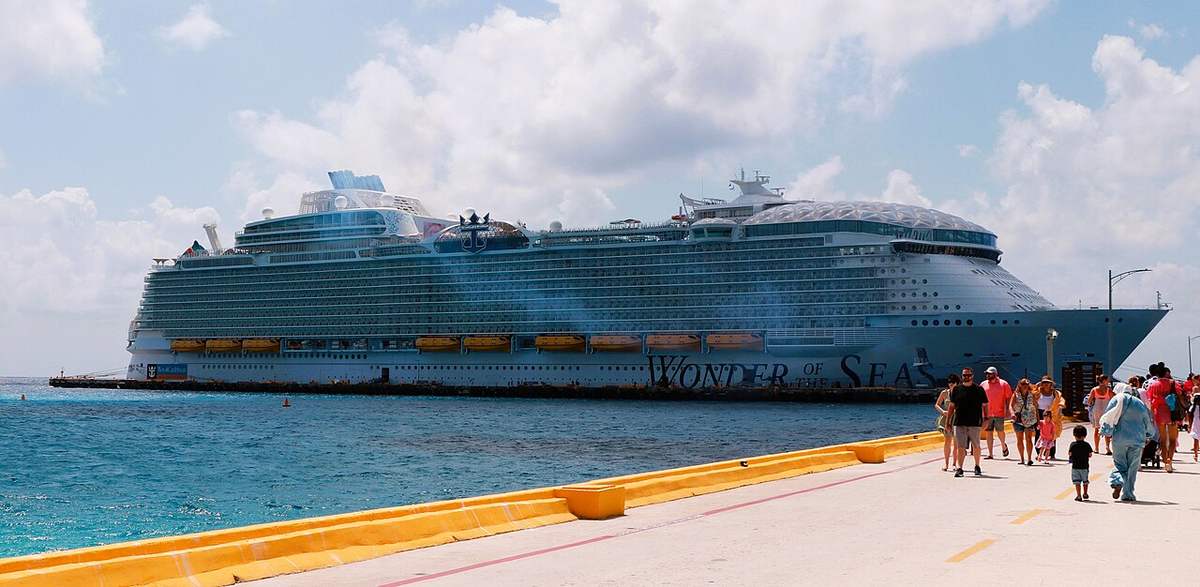
Two hundred guests changes every system aboard
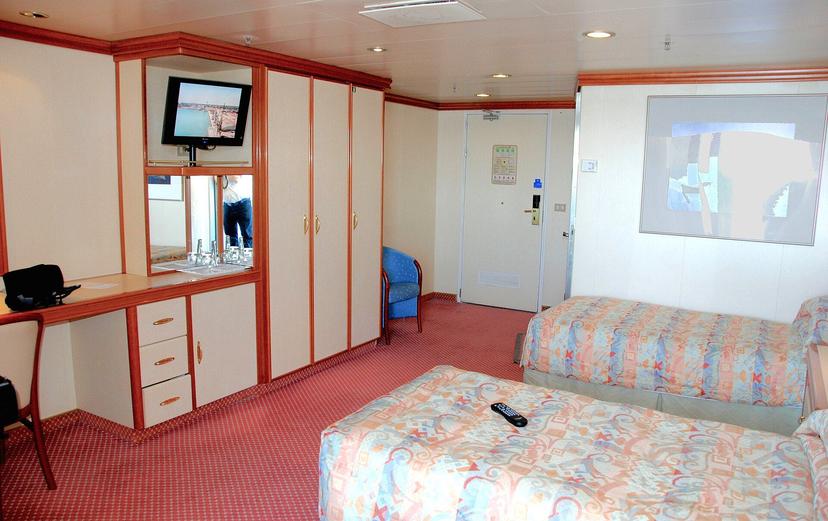
A river ship's guest count is in the low hundreds; a mainstream ocean ship's is in the thousands, and an ocean mega-ship multiplies that again. Scale decides the texture of everything: one dining room versus a dozen venues; excursions that walk off the gangway into the old town versus excursions that begin with a coach park; entertainment by a lecturer and a pianist versus a Broadway-scale theatre. River cabins are compact and the premium tiers buy windows and balconies more than space; ocean ships spread across a far wider cabin ladder, from insides to multi-room suites. Travellers prone to motion sickness should also weigh the formats differently: a river ship's motion is negligible in ordinary conditions, while an ocean ship crosses open water — the honest, unglamorous point in river cruising's favour for the motion-sensitive.
| Dimension | River cruise | Ocean cruise |
|---|---|---|
| Typical rhythm | A port almost every day, no sea days | Ports alternated with full sea days |
| Ship scale | Low hundreds of guests | Thousands of guests |
| Docking | City-centre or town moorings, walk-off access | Large terminals, often a transfer to the sights |
| Excursions | At least one commonly bundled in the fare | Sold per excursion, per port |
| Evening entertainment | Lectures, local performers, the lounge | Production shows, comedy, clubs, casinos |
| Fare shape | More bundled, higher per-day headline | Lower headline, extras unbundled |
Why the price shapes differ
River fares look expensive per day beside ocean headline fares, and the comparison misleads twice over. First, river fares commonly bundle an excursion in most ports and drinks with meals, items an ocean fare sells separately — the anatomy is a different question from the experience, and it is handled in full in river cruise prices. Bundling is cheap for a river line to offer precisely because the product is small: one dining room serving everyone at one sitting makes drinks with meals a marginal cost, and the included excursion is usually a guided walk from a mooring in the town centre, not a fleet of coaches hired for the day. An ocean line, filling thousands of berths across a dozen cabin grades, competes on the entry fare and recovers its margin from the extras each guest chooses — which is why the two headline prices are answers to different questions. Second, the ocean headline is a lead cabin on a ship of thousands; the river ship has no equivalent inventory to discount. The only verdict either format deserves is arithmetic on two named sailings with their real inclusions added up — and on routes where the two formats genuinely overlap, such as the Mediterranean (see our Mediterranean cruise guide), that exercise is worth doing properly rather than by format prejudice.
Frequently asked questions
Which is better for a first cruise?
The one whose rhythm suits the traveller. Port-hungry sightseers who want a new town daily lean river; travellers who want the ship itself — shows, pools, choice — lean ocean. First-timers unsure of their sea legs often find the river's stillness reassuring.
Do river cruises have sea days?
Effectively no. River itineraries are built port-daily, with sailing done between stops, sometimes as a scenic daytime stretch — the Middle Rhine gorge on the Rhine Getaway is sailed as sightseeing, not as a day off. If you want days of open water, that is the ocean format's product.
Are river cruises only for older travellers?
River audiences skew older because the product — cultural touring, early dinners, lectures — is pitched there, and the fares assume it. Nothing about the format excludes younger travellers; the question is whether a port-daily, early-rising rhythm is their holiday.
Can I combine both formats in one trip?
Travellers do pair an ocean sailing with a river sailing in the same region — a Mediterranean ocean cruise plus a Rhône or Danube week, using the framework on our destinations hub. Booked separately, each keeps its own terms; the join — flights, hotels, a missed connection — is yours to manage.
Conclusion: river or ocean, chosen by rhythm
The bottom line: river cruise vs ocean cruise resolves once you stop comparing brochures and compare rhythms. A port every morning with the ship as a quiet touring base, or a resort that sails with sea days as part of the show — pick the rhythm first, then the river or the sea, then the ship. Work through the regions on our destinations hub with that order fixed, and the format question usually answers itself. Comparing river cruises vs ocean cruises is comparing rhythms, not brochures — and the first-cruise guides are written for readers making exactly that format choice.
See the deals, total price first
Every deal we list will show the total — fare, taxes and port fees included — before you pay. That is the rule the deals page is being built to.
Browse cruise dealsNever overpay after you book
Once sign-ups open at launch, our price-drop alerts will watch the sailing you care about and flag it when the fare moves.
About price-drop alerts

Search cruises
Every result shows the total for your cabin — taxes and port fees included.