Panama Canal Cruise Guide: Locks, Lakes and the Two Transit Types
Full transit = ocean to ocean, one-way itinerary. Partial transit = into the Atlantic locks, a turn in Gatun Lake, and back out. Read which one a sailing actually is. The most useful panama canal cruise tips start from that distinction: choose a full transit for the complete crossing, book a balcony or open-deck spot for lock day, and allow a full day either side for the one-way flight home.
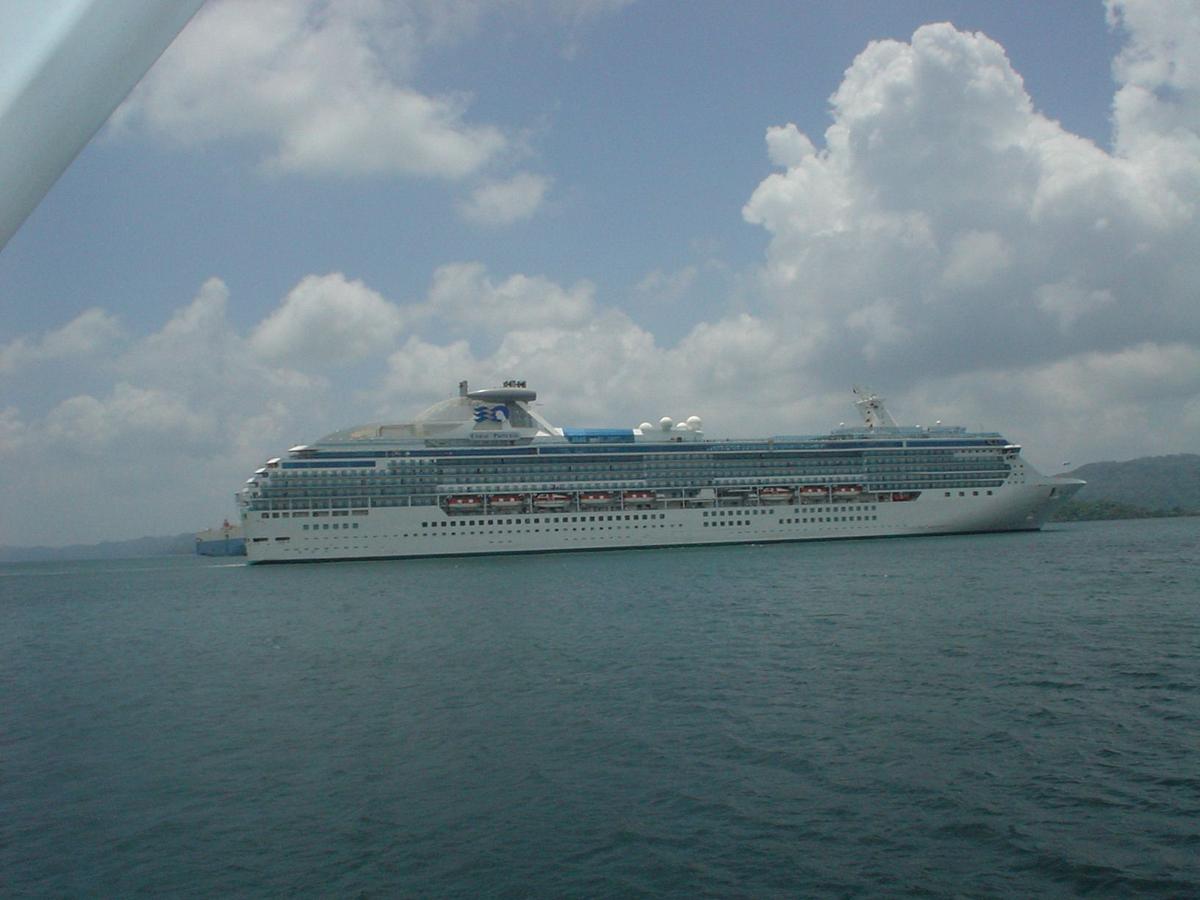
A Panama Canal cruise guide has one distinction to make before all others, because the phrase "Panama Canal cruise" describes two experiences that barely overlap. A full transit takes the ship through the entire canal, from ocean to ocean, as a one-way voyage between two coasts. A partial transit takes the ship into the first locks on the Atlantic side, turns it around in Gatun Lake, and brings it back out the way it came, as part of a Caribbean round-trip. Both put your ship inside a working lock. Only one of them crosses a continent. Confusing the two — and they are marketed with similar vocabulary — is the classic Panama booking error, so this guide defines both, explains the old and new lock systems from Panama Canal Authority material, and sets out the itinerary shapes each transit type produces. The sailings are listed on the Panama Canal destinations page.
Panama Canal cruise guide: full and partial transit at a glance
| Full transit | Partial transit | |
|---|---|---|
| What the ship does | Crosses the isthmus, Atlantic to Pacific or the reverse | Enters the Gatun locks, turns in Gatun Lake, exits the same side |
| Itinerary shape | One-way, between two homeports on different coasts | Round-trip Caribbean cruise, usually from a Florida port |
| Locks experienced | A complete set on both slopes of the canal | The Atlantic-side locks only |
| Gatun Lake | Crossed in full as the summit level of the canal | Entered, and used as the turning basin |
| Traveller it suits | Those who want the canal itself as the voyage's centrepiece, often combined with a coast-to-coast trip | Caribbean cruisers who want the lock experience inside a round-trip holiday |
Many full-transit sailings are also, in deployment terms, repositioning voyages — the ship is moving between its Caribbean and Pacific or Alaska seasons — which is why the repositioning cruises explained guide is the natural companion read. Partial transits, by contrast, sit inside ordinary Caribbean loops, some of which also call in the region covered by the southern Caribbean cruise guide.
The Panama Canal locks: original system and the 2016 locks
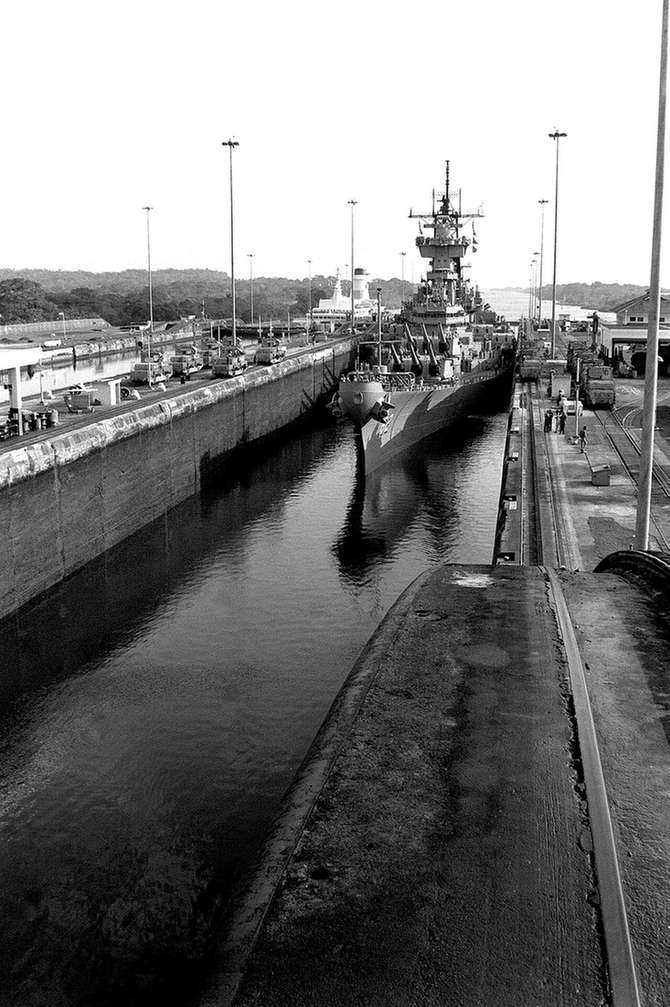
The canal works by lifting ships over the continental divide rather than cutting through it at sea level. Gatun Lake, the canal's summit level, sits roughly 26 metres above the sea, and the locks are the stairs: chambers that fill or empty to raise and lower each ship between levels. On the Atlantic side the original Gatun locks climb in three steps; on the Pacific side the Pedro Miguel and Miraflores locks descend in two stages. Ships transit under the control of canal pilots, in a choreographed sequence that passengers watch from the decks — which is why the transit day, full or partial, is a spectator event as much as a journey.
Size decides which locks your ship uses
Size decides the route through that system. The Panama Canal Authority's vessel requirements (its Notice to Shipping N-01) set the maximum dimensions for each lock system: the original locks accept ships up to roughly 294 metres in length and 32 metres in beam — the dimensions the shipping world calls Panamax — while the larger locks at Agua Clara on the Atlantic side and Cocoli on the Pacific side, opened in 2016, accept substantially longer and wider ships, the Neopanamax generation. For cruise passengers the practical meaning is simple. Older and mid-size ships transit the original locks, passing close to the lock walls and the original machinery. The largest modern ships use the newer locks, with their different layout and water-saving basins. Both are genuine canal transits; they are not the same view, and a traveller who cares about the historic locks should check which system their ship is scheduled to use.
A working waterway, run on lake water
One more operational fact belongs in an honest Panama Canal cruise guide: the canal runs on fresh water from Gatun Lake, and the Authority actively manages draft limits in dry periods, publishing adjustments by notice to shipping. A ship's transit is a scheduled engineering operation inside a working waterway, not a theme-park ride with a guaranteed script, and itineraries are planned around canal bookings made well ahead.
The full transit day and the one-way itinerary around it
A full transit occupies most of a day, from the approach to the first locks to the exit into the far ocean, and lines build the voyage around it: narrated commentary, vantage points and a schedule that treats the transit as the headline. The itinerary around the day is one-way — typically between a Florida or Caribbean-side port and a Pacific port such as Los Angeles, San Diego or Vancouver at the season's turn — which has two consequences worth planning for. Flights are open-jaw, in one coast and out of the other. And because the ship is a foreign-flagged vessel carrying passengers between two US ports where the itinerary is US-to-US coast-to-coast, the Passenger Vessel Services Act requires a distant foreign port call along the way; canal itineraries characteristically satisfy that with calls in places such as Cartagena or the ABC islands. The port list on a full-transit sailing is therefore partly geography and partly law, and it explains calls that can otherwise look like detours.
Reading a canal itinerary before booking
Four checks prevent the classic disappointments. Confirm the transit type in the itinerary text itself — full or partial — rather than from the cruise's title. Check which lock system your ship uses if the historic locks matter to you. Note whether the transit is scheduled as a full day or split across an evening approach, and plan to be on deck early: the best of the transit is the locking itself, not the lake crossing. Finally, treat any excursion sold for a partial-transit day with care — on a partial transit the ship may offer excursions that leave from the lake area while the ship itself returns through the locks, so the exact meeting and rejoining arrangements in the excursion description are the product you are buying.
Frequently asked questions
What is the difference between a full and a partial Panama Canal transit?
A full transit crosses the entire canal, ocean to ocean, on a one-way itinerary. A partial transit enters the Atlantic-side Gatun locks, turns in Gatun Lake and returns to the Caribbean, inside a round-trip cruise. The lock experience is real in both; only the full transit crosses the continent.
Will a big modern ship fit through the Panama Canal?
The largest ships use the newer Agua Clara and Cocoli locks opened in 2016, which accept ships well beyond the original Panamax dimensions published in the Canal Authority's vessel requirements. Some very large ships still cannot transit at all; if a specific ship matters to you, its published dimensions against the Authority's limits settle the question.
How long does a full transit take?
Most of a day, from entering the first locks to leaving the last, including the crossing of Gatun Lake between them. The transit is scheduled by the Canal Authority and the day is built around it; lines publish the expected sequence for each sailing.
Do canal tolls affect the price of a canal cruise?
Canal tolls are charged to shipping under a cargo-focused tariff structure published by the Canal Authority, and they are one of many operating costs a line absorbs into its pricing. They are not a per-passenger charge a buyer can compare or negotiate, so honest canal guidance leaves the toll tables to the cargo world.
Conclusion: what this Panama Canal cruise guide settles
A Panama Canal cruise guide succeeds if the reader never again has to guess what the words on an itinerary mean: full transit for the continent crossing, partial transit for the lock experience inside a Caribbean holiday, and the right lock system checked for the ship in question. Decide which of those is the trip you want, verify it in the itinerary text, and then compare the specific sailings on the destinations page with clear eyes. Carry the vocabulary and thepanama canal cruise tips follow — full transit, partial transit, the right lock system for the ship — because the words on the itinerary are the trip.
Sources consulted for this guide: the Panama Canal Authority's vessel requirements, Notice to Shipping N-01 and its published Neopanamax draft notice. Lock and dimension facts are the Authority's; canal toll figures are omitted as cargo-focused.
See the deals, total price first
Every deal we list will show the total — fare, taxes and port fees included — before you pay. That is the rule the deals page is being built to.
Browse cruise dealsNever overpay after you book
Once sign-ups open at launch, our price-drop alerts will watch the sailing you care about and flag it when the fare moves.
About price-drop alerts
Search cruises
Every result shows the total for your cabin — taxes and port fees included.