Repositioning Cruises Explained: More Sea Days, Different Maths
A repositioning cruise is a one-way voyage between seasonal homeports — transatlantic crossings, Panama Canal transits, and routes between Asia, Alaska and the Americas. Repositioning cruises reward travellers who can fly one way and sail slowly: more sea days, fewer ports, and fares that price in both.
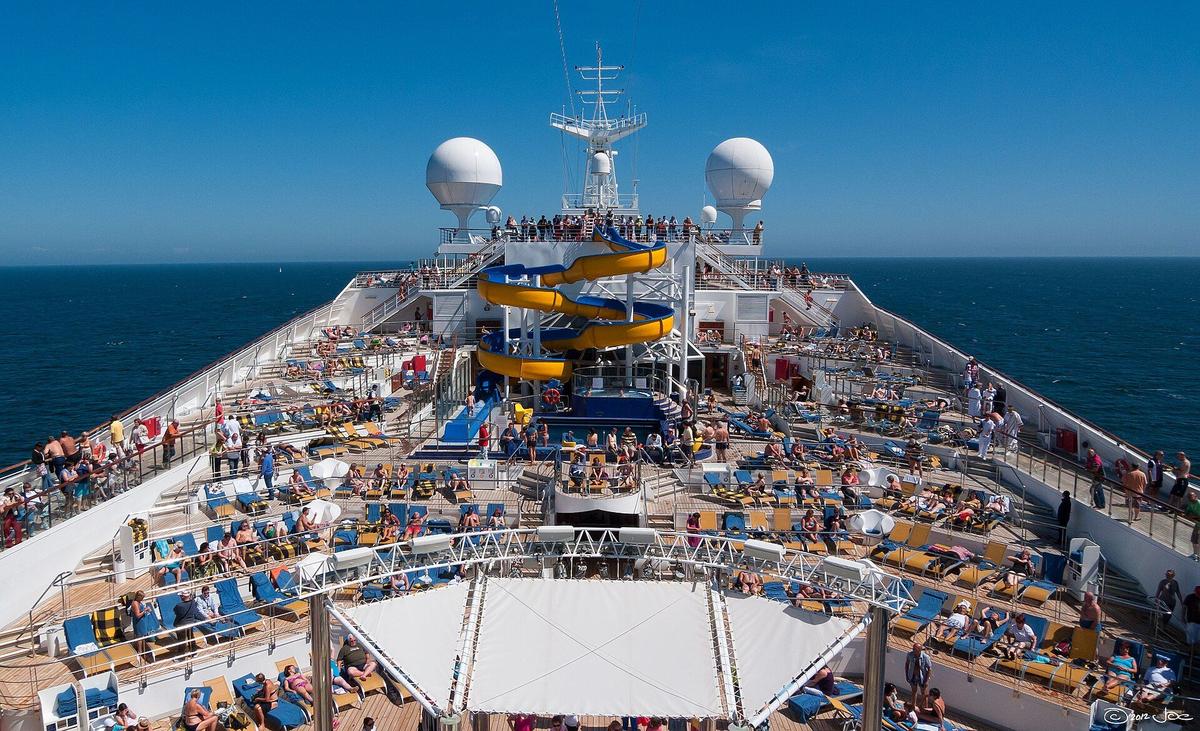
Repositioning cruises explained honestly starts with a refusal: this guide will not tell you they are "always cheaper," because they are not, and the claim is the most repeated half-truth in cruise selling. What is true is more interesting. Twice a year the world cruise fleet migrates — from the Caribbean to Europe in spring, back in autumn, between Asia, Alaska, South America and everywhere else ships spend seasons — and every one of those migrations is a one-way voyage the line must sell to somebody. That structural fact creates a real, explainable pricing pattern with real trade-offs attached. This guide works through the mechanism, the maths and the catches, from lines' published deployment patterns.
Repositioning cruises explained: why the fleet migrates
Cruising is seasonal. The Mediterranean fills from April to October and empties in winter; Alaska sails May to September only; the Caribbean peaks when Europe is cold. Ships follow the weather and the money, which means the same hull that spends winter in Fort Lauderdale may spend summer in Barcelona — and twice a year it has to get there. Lines can cross empty, earning nothing, or sell the crossing as a cruise: a repositioning voyage, typically longer than a week, with a port list shaped by the route rather than by a loop.
The main corridors
The main corridors repeat every year. Transatlantic crossings link Florida and the Caribbean with Mediterranean and northern European ports in spring and autumn. Panama Canal transits move ships between the Caribbean and the Pacific — for Alaska season, Mexican Riviera and South America programmes — and our Panama Canal cruise guide covers the full-versus-partial transit distinction those sailings hinge on. Transpacific and Asia routes connect North America with Japan, Southeast Asia and Australia. And at the edges, one-way voyages thread through Suez, around South America and across the Indian Ocean as fleets shuffle between Asia, the Middle East and Europe.
The repositioning cruise pricing mechanism — and why "always cheaper" fails
A repositioning fare prices differently for a mechanical reason: the voyage is one-way inventory the line must move, its port costs are spread over more sea days (sea days are cheap to operate — no port fees, and guests spend on board), and its demand pool is smaller, because most cruise buyers want a round trip from their home port. Smaller demand pool plus must-move inventory often equals lower per-night fares than the same ship's loop itineraries. Often — not always.
Three counterweights
Three counterweights apply. First, some crossings are beloved in themselves: westbound autumn transatlantics and canal transits have loyal followings, and ships fill them at firm prices. Second, per-night comparisons hide length: a 14-night crossing at a modest per-night fare still totals more than a 7-night loop. Third, the fare is not the trip. The next section is the one that decides value.
The total-trip maths, worked structurally
Write the comparison down. On one side: the repositioning fare, plus a one-way flight home (or to the ship) — one-way international fares price differently from returns and are the classic ambush in this market — plus any extra hotel night the flight schedule forces, plus transfers at an unfamiliar end. On the other side: the comparable round-trip cruise fare plus its (usually simpler) travel costs. Travellers with airline miles, flexible schedules or a home at one end of the route routinely find the crossing wins clearly. Travellers buying cash one-way flights at peak times routinely find the win evaporates. Neither group is wrong; they are running different sums. This is also why repositioning sailings reward booking through a channel that shows the whole fare in one place — and why our deals page is built to show crossings at total price once listings go live. Until then, hold every quote to total price.
| Cost line | Round-trip loop cruise | Repositioning voyage |
|---|---|---|
| Fare | Standard seasonal pricing | Often lower per night (must-move inventory) |
| Flights | Return fare to one home port | One-way fare — the classic ambush; price it with the cruise |
| Hotels and transfers | Usually minimal | Often one extra night at the unfamiliar end |
| Port days vs sea days | Port-heavy | Sea-day-heavy: the ship is the product |
| Total | Predictable | Wins or loses on the flight maths, every time |
Summary: the comparison that decides whether a repositioning cruise is actually good value for you.
Sea days: the product you are really buying
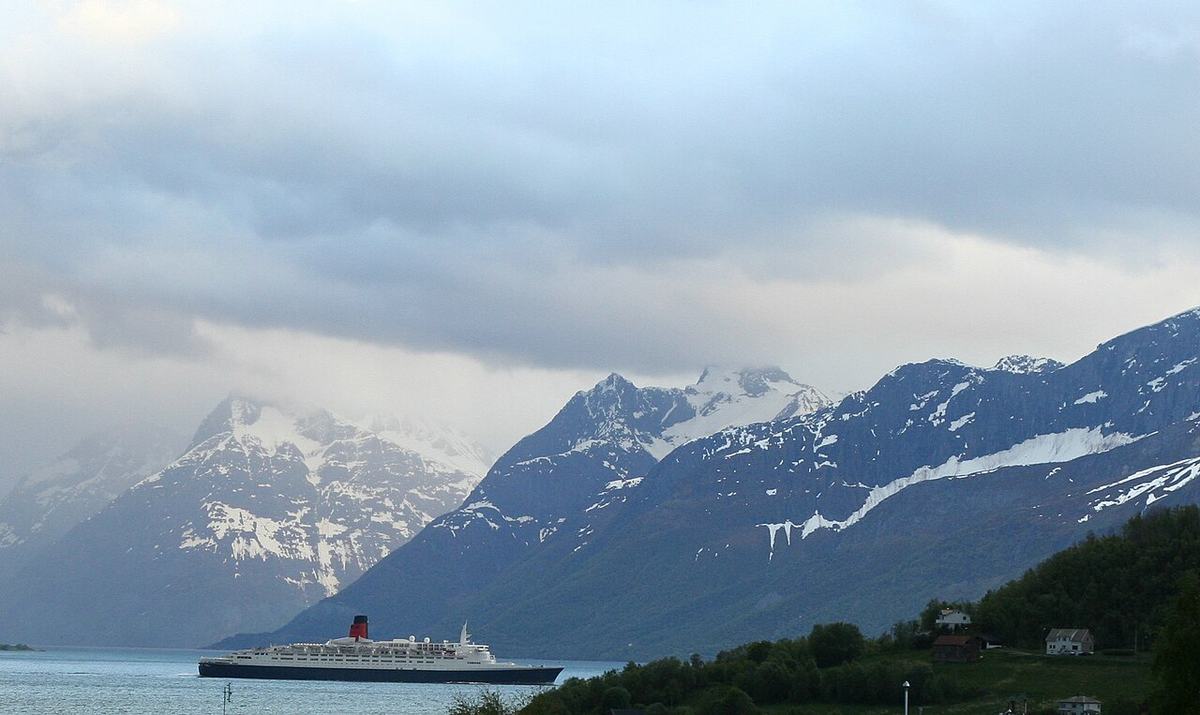
A 13-night transatlantic might call at three ports. The ship is the destination for the other ten days, which sorts travellers sharply. Sea-day people — readers, pool-deck people, anyone who treats the vessel as a resort that happens to move — rate crossings among the best-value holidays afloat. Port-a-day people rate the same voyage as a slow bus. Ship choice therefore matters more on a crossing than on any loop itinerary: the entertainment programme, dining bench and outdoor space you would sample in a week must sustain two. It is also why crossings pair naturally with the seasonal guides on this site — a spring transatlantic is the front door to a Mediterranean season, and an autumn one closes the northern Europe cruise guide's summer window.
Practical catches
Practical catches worth naming: one-way trips complicate travel insurance (check the policy covers one-way itineraries and repatriation from the far end), cars parked at the home port do not work, and open-jaw flights should be booked with the cruise, not after it — flight inventory on the exact disembarkation day is part of the deal you are actually buying.
Frequently asked questions
What is a repositioning cruise?
A one-way voyage a ship makes when moving between seasonal deployments — for example Florida to Barcelona in spring, or through the Panama Canal toward an Alaska season — sold to passengers instead of sailed empty. It starts and ends in different ports, runs longer than typical loop cruises, and has more sea days.
Are repositioning cruises cheaper?
Per night, often; in total, it depends on your flight maths. The fare reflects must-move inventory, but a cash one-way flight can consume the saving. Compare total trip cost — fare plus flights, hotels and transfers — against the round-trip alternative, never fare alone.
When do repositioning cruises happen?
In the shoulder seasons when fleets migrate: broadly March to May and September to November, with canal transits and transpacific moves spread around the Alaska, Europe and Asia season changes. Exact sailings publish with each line's deployment schedule.
Who should avoid repositioning cruises?
Travellers who cruise for ports, anyone whose leave or flights cannot flex around a one-way itinerary, and first-timers unsure whether they enjoy sea days. A week-long loop is a safer first test of cruising than a two-week crossing.
The referee's verdict in this repositioning cruises explained
Repositioning cruises are the cruise market's most honestly explained bargain: the ship has to move, the demand pool is small, and the saving — when it survives the flight maths — is real. Run the total-trip sum, count the sea days against your temperament, and then shop the crossings on our deals page with the whole fare in view. Repositioning cruises explained properly is simply that: mechanism first, marketing last.
See the deals, total price first
Every deal we list will show the total — fare, taxes and port fees included — before you pay. That is the rule the deals page is being built to.
Browse cruise dealsNever overpay after you book
Once sign-ups open at launch, our price-drop alerts will watch the sailing you care about and flag it when the fare moves.
About price-drop alerts

Search cruises
Every result shows the total for your cabin — taxes and port fees included.