Southern Caribbean Cruise Guide: The ABC Islands and Beyond
The ABC islands — Aruba, Bonaire and Curaçao, off the coast of Venezuela — anchor southern itineraries, often combined with Grenada, St Lucia, Barbados or Dominica. The most practical southern caribbean cruise tips follow from that geography: favour the ABC islands for drier weather outside the main hurricane belt, and allow longer sailing days to reach them from Florida ports.
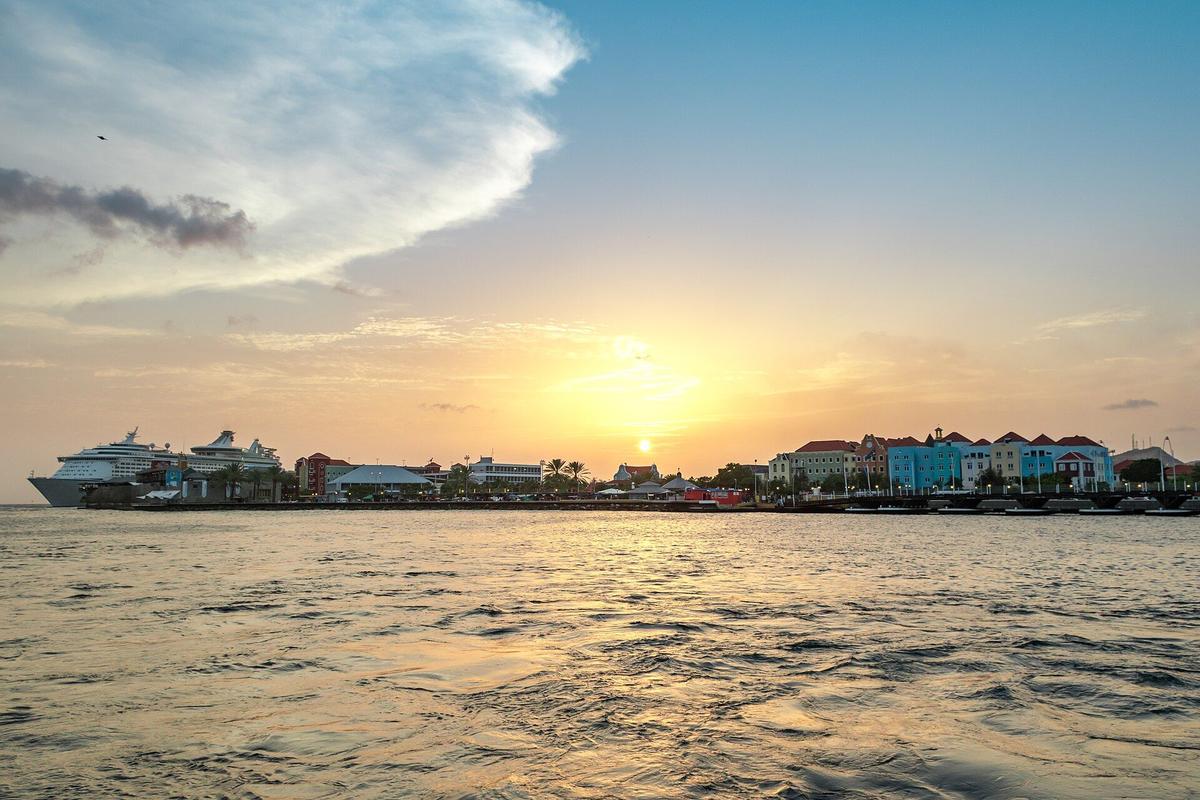
This southern Caribbean cruise guide covers the deep southern run of the region: the Dutch Leeward Antilles — Aruba, Bonaire and Curaçao, the ABC islands — together with the ports that join them on longer loops, such as Grenada, St Lucia, Barbados and Dominica. Southern itineraries are the connoisseur's Caribbean in one specific, structural sense: they are longer, they start further south, and they reach islands a week from Florida cannot comfortably include. This guide explains how those loops are built, what each ABC island offers a port day, and the storm logic so often misstated about this part of the sea.
Why a southern Caribbean cruise guide starts with distance
Every southern Caribbean cruise guide has to start with the map. The ABC islands lie just off the northern coast of South America, far south of the St Thomas–St Maarten line that defines the eastern Caribbean. From Miami, reaching Aruba and returning within a week leaves most of the schedule consumed by sea days; from San Juan, Puerto Rico, the same islands sit within an easy overnight run. That single fact explains the region's two itinerary families.
The first sails from San Juan or, on some programmes, homeports seasonally in Barbados, running loops of about a week that combine the ABC islands with the southern Windwards — St Lucia, Grenada, Dominica, Antigua or St Kitts depending on the line. The second sails from Florida and Gulf homeports on longer voyages, typically well beyond a week, working down through the eastern Caribbean and along the southern chain before turning back. The two families are different holidays: the San Juan version is port-dense and island-focused; the Florida version trades sea days for not flying. Choose accordingly.
The ABC islands in this southern Caribbean cruise guide
Aruba
Aruba is the westernmost and most developed of the three. Ships berth at the Port of Oranjestad, under the Aruba Ports Authority, a short walk from the capital's shops and restaurants. The island is arid rather than lush — cactus, divi-divi trees and a trade-wind-bent coastline — and is known for the resort beaches of the Palm Beach and Eagle Beach strips, for Arikok National Park's desert interior, and for dependable sunshine relative to the wetter islands further north. Ships frequently stay late in port here, which allows an evening ashore.
Bonaire
Bonaire is the quietest of the three and the most single-minded: its reputation rests on the Bonaire National Marine Park, which protects the reef ringing the island, and on shore-access snorkelling and diving from marked entry points along the leeward coast. Ships berth in Kralendijk, a small, walkable capital where the port day is unhurried by design. Tourism Corporation Bonaire, the island's official tourism body, presents Bonaire squarely as a nature and underwater destination — flamingos at the salt pans, and the offshore islet of Klein Bonaire for beach and reef time.
Curaçao
Curaçao, the largest of the ABC islands, gives a southern itinerary its city. Ships enter through the St Anna Bay channel into Willemstad, berthing at the Curaçao Ports Authority's cruise facilities. The harbourfront Handelskade, with its rows of Dutch colonial gabled buildings in Caribbean colours, and the floating Queen Emma pontoon bridge that swings open for shipping, form the most recognisable cityscape in the southern Caribbean; the historic centre is a UNESCO World Heritage listing. Beyond the city, Curaçao offers beaches in sheltered bays along its south-west coast, the Hato Caves, and a well-regarded food heritage — the island is home of the original curaçao liqueur, made from the peel of the local laraha citrus. A Curaçao call rewards splitting the day: the city first, a bay beach second.
| Port | Country / territory | Known for |
|---|---|---|
| Oranjestad | Aruba (Netherlands) | Resort beaches at Palm and Eagle Beach, arid national park, late port stays |
| Kralendijk | Bonaire (Netherlands) | National marine park, shore snorkelling and diving, quiet capital |
| Willemstad | Curaçao (Netherlands) | UNESCO-listed harbour city, Queen Emma bridge, bay beaches |
| Bridgetown | Barbados | Eastern gateway homeport and call, west-coast beaches, rum heritage |
| Castries | St Lucia | The Pitons, volcanic scenery, rainforest excursions |
| St George's | Grenada | Spice island capital, nutmeg heritage, Grand Anse beach |
Southern itineraries rarely consist of the ABC islands alone. Barbados's Bridgetown is both a frequent call and a seasonal homeport, and the island's position as the easternmost in the Caribbean makes it a natural turning point. St Lucia adds the region's most dramatic scenery, the twin Pitons rising from the sea near Soufrière, plus volcanic and rainforest excursions. Grenada, the spice island, pairs its horseshoe harbour capital of St George's with nutmeg estates and the broad curve of Grand Anse beach. Dominica, the nature island, appears on smaller-ship and longer itineraries for rainforest, rivers and whale-watching.
Storm logic, stated properly
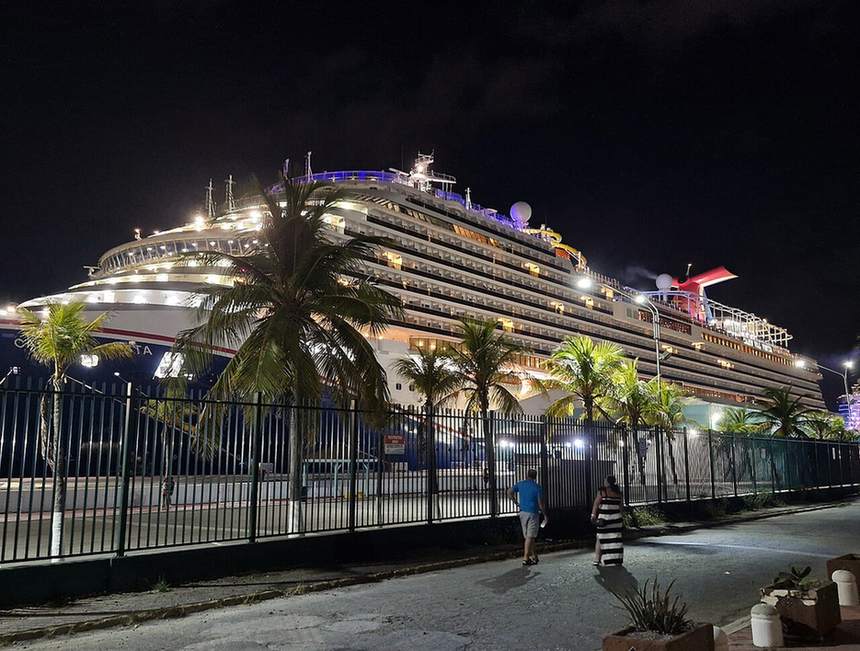
The southern Caribbean is often marketed with a claim this guide will not repeat: that the ABC islands carry no hurricane risk at all. The accurate statement, supported by NOAA's hurricane climatology, is one of probability. The Atlantic hurricane season officially runs from June 1 to November 30, and the climatological record shows tropical cyclone activity concentrating in the central and northern Caribbean and the tropical Atlantic, with the far southern Caribbean, near the South American coast, affected considerably less often. The ABC islands sit on the southern fringe of the hurricane belt, not outside the reach of tropical weather — the region can still experience heavy rain, rough seas and the outer effects of systems tracking further north, and rare direct events are part of the historical record for the southern Caribbean as a whole.
For cruise planning, the practical reading is measured. A southern itinerary in the official season carries a lower probability of weather disruption than a northern one in the same weeks, and lines choose these waters for that among other reasons; it does not carry zero probability, and ships everywhere in the basin reroute around systems when needed. Any seller who converts "less often" into "never" is selling something the data does not support.
Choosing a southern sailing
Three decisions dominate. First, departure: San Juan-based loops maximise port time in the south and minimise sea days, at the cost of a flight — the San Juan cruise port guide covers the homeport-versus-call distinction in detail. Florida-based southern voyages remove the flight for many travellers and replace it with sea days and a longer trip overall. Second, length: at the longer end, southern itineraries typically add a second ABC island, a Windward island such as Grenada or St Lucia, or both — compare what the extra days actually buy, port by port. Third, ship size: the ABC ports receive large ships comfortably, while smaller supporting calls, Dominica especially, appear mainly on mid-size and smaller-ship programmes, so travellers set on the full southern chain should expect a smaller vessel than the Florida megaship norm.
These choices sit alongside the neighbouring regions rather than above them. The eastern Caribbean cruise guide covers the classic loop most southern voyages pass through on the way down,. What the south adds is depth: three Dutch islands with genuinely different characters, a UNESCO-listed harbour city, and the lowest weather-disruption probability in the Caribbean basin — stated, as it should be, as a probability.
Frequently asked questions
What are the ABC islands on a cruise itinerary?
Aruba, Bonaire and Curaçao — three Dutch Caribbean islands off the northern coast of Venezuela, visited in combination on southern Caribbean itineraries. Aruba is known for resort beaches, Bonaire for its protected marine park and reef access, and Curaçao for the historic harbour city of Willemstad.
Are the ABC islands outside the hurricane belt?
They are on its southern edge, which is a statement about frequency, not immunity. NOAA's climatology shows tropical systems affecting the far southern Caribbean less often than the northern Caribbean, and the islands' position near the South American coast is the reason. Storms and their outer effects can still reach the area, so "lower-risk" is the accurate description, and travellers should be cautious of any source claiming zero risk.
Why do southern Caribbean cruises often leave from San Juan?
Distance. The ABC islands lie far south in the basin, so a round-trip from Florida spends a large share of a week simply getting there and back. Starting in San Juan puts a ship within an overnight run of the southern chain, allowing a week-long loop to include the ABC islands plus southern Windward ports such as St Lucia or Grenada.
How long is a typical southern Caribbean cruise?
Longer than the Caribbean norm. San Juan-based southern loops commonly run about a week; Florida-based voyages to the ABC islands and back typically run well beyond a week, because the sea distance demands it. When comparing two itineraries, read what the additional days purchase — an extra island call is a different proposition from an extra sea day — rather than comparing lengths alone.
Conclusion
This southern Caribbean cruise guide comes down to three honest claims. The region is further away, and its itineraries are built accordingly — longer, or flown to. Its three anchor islands are genuinely different from one another and from the northern Caribbean: resort Aruba, reef Bonaire, city-harbour Curaçao. And its weather advantage is real but relative — the lowest storm probability in the basin, not an exemption from it. Weigh those three, browse the southern loops on the destinations page, and the right sailing from this southern Caribbean cruise guide's region usually identifies itself.
Sources
- Aruba Ports Authority
- Curacao Ports Authority
- Tourism Corporation Bonaire
- NOAA National Hurricane Center — climatology
This southern Caribbean cruise guide rewards the longer sailing: the distance is the price of these ports.
See the deals, total price first
Every deal we list will show the total — fare, taxes and port fees included — before you pay. That is the rule the deals page is being built to.
Browse cruise dealsNever overpay after you book
Once sign-ups open at launch, our price-drop alerts will watch the sailing you care about and flag it when the fare moves.
About price-drop alerts
Search cruises
Every result shows the total for your cabin — taxes and port fees included.