Back to Back Cruises Explained: Staying Aboard When Others Disembark
The cheapest way to cruise longer is often to not get off. Back-to-back sailings combine itineraries on one ship - with one odd turnaround day in the middle. Here is how it works. A back to back cruise works best when the turnaround day is planned like a port day, and the checklist below covers the cabin, luggage and paperwork details that make it seamless.
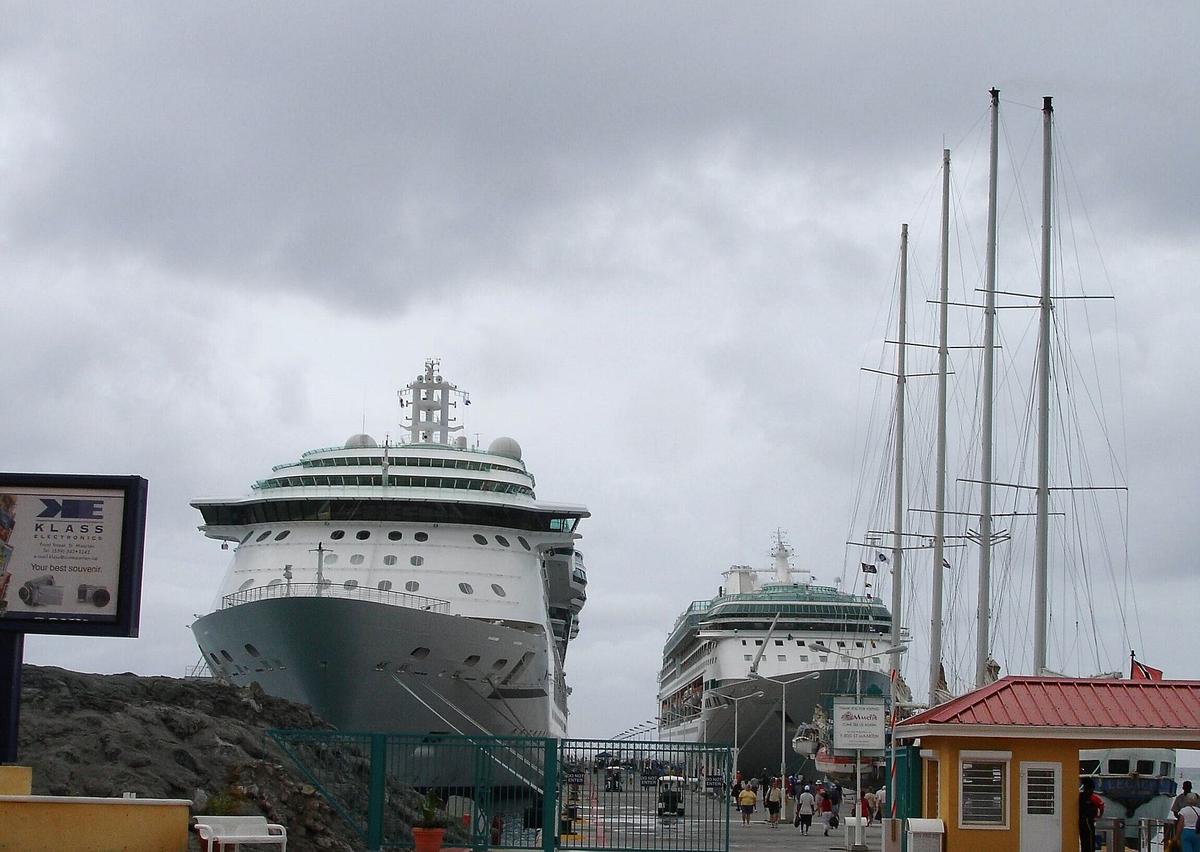
The simplest way to cruise longer is to not get off. Back to back cruises book two (or more) consecutive sailings on the same ship as one continuous holiday: an eastern Caribbean week followed by a western Caribbean week, a short Bahamas run bolted onto a longer itinerary, two halves of a season stitched into a journey no single sailing sells. Back to back cruises are not a special fare class — they are two ordinary bookings with one unusual day in the middle, the turnaround day, when the ship empties around you and you briefly become its only residents. This guide explains how to book them so the join is seamless, what turnaround day actually involves (using one line's published procedure, checked October 2026), and where the traps sit: the cabin change, the second muster, and the loyalty fine print.
Back to back cruises booked properly: same ship, same cabin, linked reservations
The same-cabin rule
Everything about a good back-to-back flows from one decision: hold the same cabin on both legs. Book early enough and most ships will have cabins free across both sailings; book late and you may face a mid-trip move — same ship, different room, bags packed and transferred by the crew on turnaround morning. A cabin change is survivable, but it converts your laziest day into a moving day, and it usually means the best-located cabins were never available to you in the first place. If length is the goal, this is also where the format competes with simply booking a longer sailing — how long should a cruise be works through that trade honestly.
Link the bookings, in writing
Two bookings do not automatically know about each other. Carnival's back-to-back guidance states the point bluntly: it is extremely important that the bookings are referenced as back-to-back, and guests who booked online are instructed to call and have it done. Follow that instruction on any line. A linked pair of reservations is what puts you on the turnaround-day list, gets your luggage handled correctly if you do change cabins, and stops the ship's systems treating you as a disembarking guest with a paperwork problem. Get the linkage confirmed in writing, the same discipline we recommend for every element of a booking made through our deals page.
Turnaround day, step by step, for back-to-back cruisers
What Carnival's procedure shows
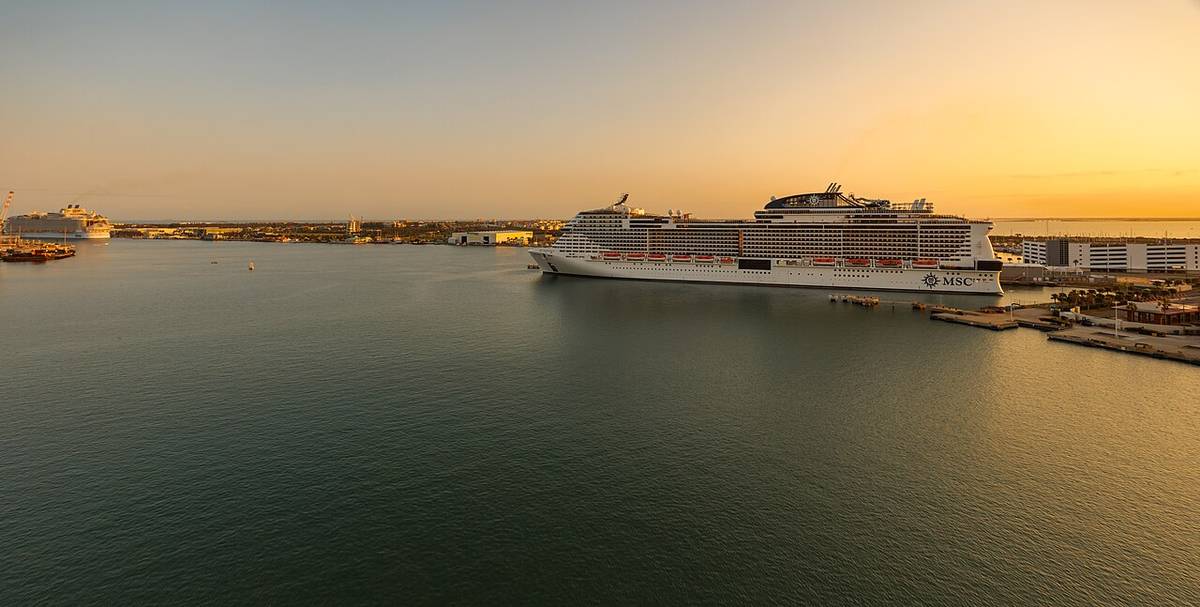
Carnival's official back-to-back help page (checked October 2026) describes the model most lines follow. You check in only for your first cruise, in the usual way. On turnaround day you gather in a designated area on board — without your luggage — as advised by guest services, and a representative escorts the back-to-back group off the ship as the last disembarking guests. You present yourself to the US Customs and Border Protection officers in the terminal. You are escorted back aboard, check in for your second cruise at the guest services desk, and receive a new Sail & Sign card — which, Carnival notes, lets you come and go in the home port like a port of call while the ship turns around. Some ports run a variation in which officers process back-to-back guests aboard; either way, the appearance is a legal requirement of ending one voyage and beginning another, not a formality a line can waive.
The second muster is real
Each sailing is legally its own voyage, so the safety apparatus resets. Royal Caribbean's check-in guidance states that all guests must complete the safety briefing before the ship can sail — and that obligation applies to the second leg's manifest, which now includes you. Expect to complete the briefing again and to visit your assembly station again. It takes minutes, it is not optional, and planning turnaround day around it (stay aboard, enjoy the empty ship, do the briefing when called) is the difference between the format's laziest day and a mildly bureaucratic one.
| Turnaround element | What happens | Your job |
|---|---|---|
| Luggage | Stays in your cabin if the cabin is the same; crew moves it if not | Pack only if changing cabins |
| Customs and immigration | Group escorted to CBP in the terminal, or processed aboard at some ports | Carry your documents; be at the meeting point on time |
| Ship card and account | New card issued; the first leg's account closes, a new one opens | Settle leg one's account; register payment again if asked |
| Safety briefing | Repeated for the second sailing | Complete it before sailing, like every guest |
| Dining and venues | New sailing, new programme; speciality bookings do not carry over | Rebook anything you want to repeat |
Loyalty, dining and the honest limits of back to back cruises
Loyalty programmes credit sailings under their published terms — typically by nights or by cruise, per sailing — and a back-to-back's two legs are two sailings in the system whatever your holiday feels like. Whether that arithmetic favours you over one long voyage depends entirely on the programme's terms as published; read them rather than assuming either generosity or a penalty, and never let a loyalty tail wag the itinerary dog. On board, treat leg two as a new cruise: menus rotate on their own cycle, entertainment repeats on ships running alternating itineraries (a feature for favourites, a flaw for novelty-seekers), and fellow guests turn over completely. The format shines when the two legs go different places — the eastern/western Caribbean pairing exists precisely because one ship alternates — and it pairs naturally with the open-jaw thinking in one way vs round trip cruise for travellers stitching longer journeys. Price the pair the way you would any sailing on our deals page: two full totals, taxes and charges included, beside the single longer alternative.
Frequently asked questions
Do I have to get off the ship between sailings?
Briefly, in most US homeports: back-to-back guests are escorted off as a group for customs and immigration processing in the terminal, then reboard — without luggage, and usually within the hour. At some ports officers come aboard instead. Either way, you do not queue with the disembarking thousands or reclaim bags.
Can I leave my luggage in the cabin?
Yes, if you hold the same cabin for both legs — the strongest argument for booking the pair early. If your cabin changes, the crew transfers packed bags between rooms on turnaround morning.
Does a back-to-back count as one cruise or two for loyalty?
Two sailings, credited under the programme's published terms for each — which may count nights, cruises or points differently from a single voyage of the same length. Check your programme's terms; this guide's rule is that the terms, not the hope, are the answer.
Is a back-to-back cheaper than a long cruise?
Not inherently. It is two fares, each with its own taxes and charges, and sometimes two chances at a promotion; a single longer sailing prices as one. Compare the pair's total against the long alternative's total, both built the our deals page way — everything in, nothing assumed.
The bottom line: back to back cruises are the enthusiast's lever: two itineraries, one unpacking, and a turnaround day that is a small ceremony rather than a chore when the bookings are linked and the cabin is held across both legs. Book the same cabin, get the linkage in writing, carry your documents to the turnaround meeting point, and do the second muster with good grace. Then enjoy the strangest luxury in cruising — a familiar ship, emptied of everyone but you, waiting to sail again. Build the trip from the sailings on our deals page and compare the pair against the long-cruise alternative before you commit. The back to back cruise is only as good as its weaker half, so choose both legs from regions you want — the destinations hub lays out the map to choose from.
See the deals, total price first
Every deal we list will show the total — fare, taxes and port fees included — before you pay. That is the rule the deals page is being built to.
Browse cruise dealsNever overpay after you book
Once sign-ups open at launch, our price-drop alerts will watch the sailing you care about and flag it when the fare moves.
About price-drop alerts



Search cruises
Every result shows the total for your cabin — taxes and port fees included.