How to Save Money in Cruise Ports: The Best Port Days Cost Little
Ports monetise the unprepared: dockside markups, tour-or-nothing framing, taxis of mystery. This guide builds the low-cost port day - what is genuinely free, what is worth paying for. The cheapest way to save money in cruise ports is to decide the shape of the day before you dock, not at the taxi rank after it.
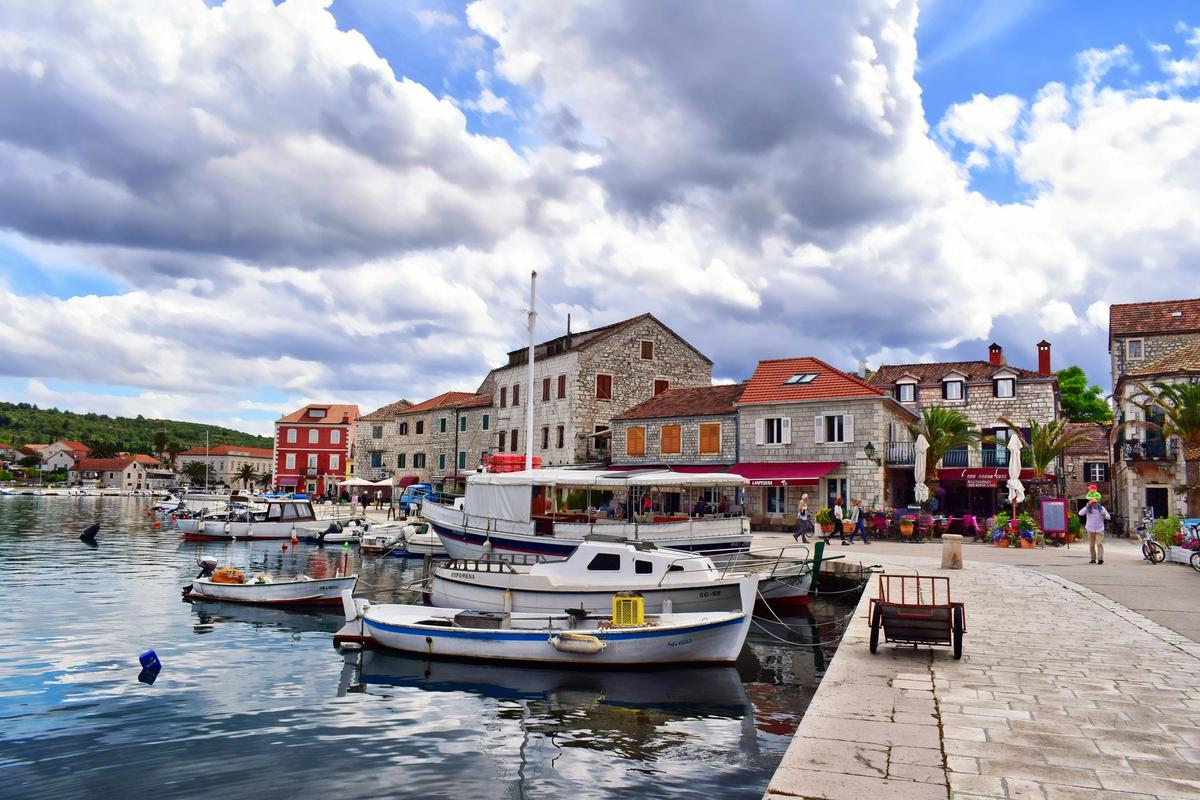
The most expensive sentence in cruising is "there's nothing to do here but take a tour." Learning how to save money in cruise ports starts with rejecting it: most ports of call are towns, with old quarters, public beaches, markets, churches and waterfronts that were there before the ships and charge cruise passengers exactly what they charge everyone else — often nothing. The dockside economy is built for the unprepared: the first taxi rank, the first tour desk, the first shop off the gangway all price for haste and unfamiliarity. This guide builds the low-cost port day from the official record of what ports actually offer, names the markups to walk past, and keeps one rule above the savings themselves — the ship's all-aboard time is not a suggestion, and no saving is worth a missed sailing.
The free port day: how to save money in cruise ports on foot
What ports themselves say is there
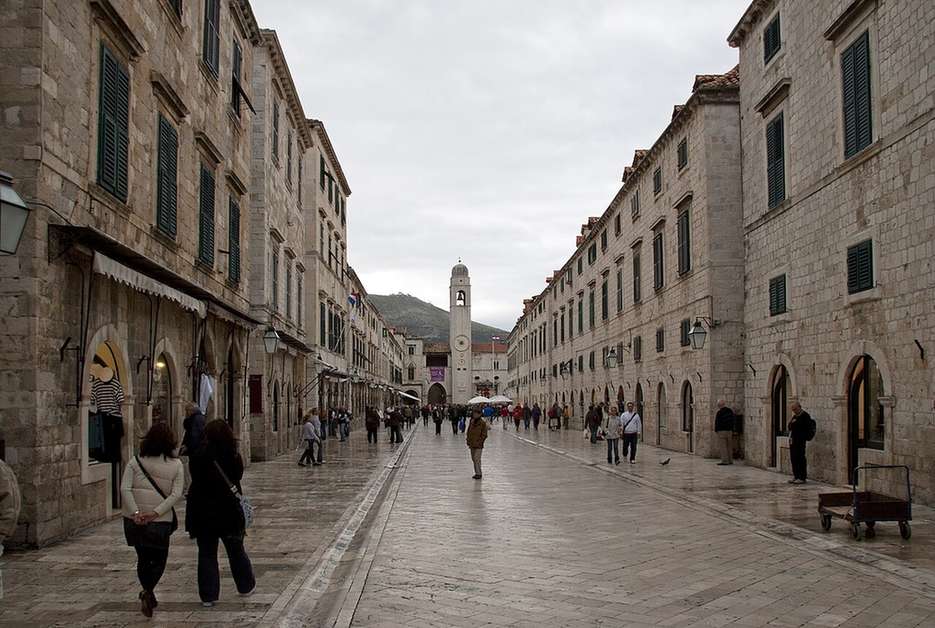
Do not take this guide's word for the free day; take a port's. Nassau Cruise Port's official attractions page, checked October 2026, maps the pattern that repeats across cruise ports worldwide: Parliament Square a two-minute walk from the port, the Straw Market a few steps away, the Queen's Staircase a thirteen-minute walk, a public library and museum five minutes off, Junkanoo Beach — the port's own listing calls it the closest beach to the port — a thirteen-minute walk. Squares, staircases, cathedrals, markets and a beach: a full port day, assembled from the port authority's own page, before a single tour is bought. The specifics differ by port — a Caribbean old town, a Mediterranean harbourfront, a Mexican plaza — but the structure does not: ports are docked beside their towns because the towns are the reason the ports exist, and towns can be walked. Before any sailing, read your port's official visitor or port-authority pages with this lens: what is listed within walking distance of the pier, what is free, what has an entry worth paying. That reading, not the excursion catalogue, is the true menu of the day — and it plugs directly into the port-day framework in what to do in port on a cruise.
The walk-first rule and local transit
The dockside markup has a geography: prices are highest within sight of the ship and normalise with distance. The first taxi queue prices the journey as a negotiation with a captive; the town's ordinary taxis, buses and jitneys price it as transport. This guide quotes no taxi fares — "typical" fares in articles are invented more often than researched, and fares are agreed locally, on the day — but the mechanics are universal: agree the price before the vehicle moves, use the official rank or the town's public transit where the port's own pages describe it, and let a short walk do the negotiating for you. The same geography applies to shopping and food: one street back from the waterfront is where the town eats, and it is priced for the town.
| Port-day layer | The expensive default | The low-cost version |
|---|---|---|
| Sightseeing | The ship's tour of the town you are docked in | The old town, square, cathedral and market on foot, from the port's own listings |
| The beach | A packaged beach break with transport | The public beach the port authority lists within walking distance |
| Getting around | The first taxi at the gangway, price unspoken | Price agreed before moving, official rank or local transit, or simply walking |
| Lunch | The waterfront row facing the ship | A street or two inland, where the town itself eats |
| Souvenirs | The port-village shops at the pier | The town market — Nassau's Straw Market sits steps from its port |
Spending where it counts: how to save money in cruise ports without spoiling them
The deliberate splurge and the hard deadline
A free day is a strategy, not a religion. Some spending is the port: the museum entry, the local dish the town is known for, the one boat trip or historic house that cannot be walked to. The referee's budget is a filter, not a ban — cut the markups, keep the experiences, and let the saved excursion fare fund the two or three paid moments that make the day. That filter is the companion to are shore excursions worth it: some ports genuinely repay a ship tour, and this guide's savings assume you have already run that test port by port.
One rule outranks every saving. Royal Caribbean's shore excursion FAQ, checked October 2026, states the position for independent travellers plainly: guests exploring on their own are responsible for being back before departure, all-aboard is generally about thirty minutes before sailing, and the ship will not wait for guests travelling independently. So the low-cost day is planned backwards from all-aboard: be heading back with a wide margin, know your route back before you need it, and treat any saving that requires cutting the margin as a cost, not a saving. Plan the shape of each day against the full port list on our destinations page — the free day is a plan, made ashore-ready before the gangway opens, not an improvisation at the pier.
Frequently asked questions
Is it safe to explore a cruise port independently?
Ports vary, and no guide can certify a town. The disciplined version of independent exploring is well-supported, though: stick to the areas the port's own official pages promote, keep valuables discreet, agree transport prices in advance, and be back aboard with a wide margin — the same habits that make the day cheap also make it uneventful.
Are the free sights actually near the ship?
In many classic ports, yes — and the evidence is published by the ports themselves. Nassau's port authority lists its parliament square two minutes from the pier and its nearest beach thirteen minutes away. Check your own port's official pages before sailing; walking distances are a published fact, not a hope.
What is the biggest port-day waste of money?
Paying dockside prices for things the town gives away or sells normally a few streets inland: the packaged tour of a walkable old town, the unpriced taxi, the pier-side lunch. The pattern is consistent enough to state as a rule — the first offer at the gangway is the most expensive version of everything.
Should I carry local currency?
Small amounts help with transit, markets and small cafés, and reduce dependence on card acceptance and dockside exchange rates. What to carry varies by port — check the port's official visitor information before sailing rather than relying on onboard folklore.
Conclusion: saving money ashore, port by port
The bottom line: how to save money in cruise ports comes down to walking first, reading the port's own pages before the excursion catalogue, and spending only where spending is the experience. The free day is real, published and repeatable — plan it per port from our destinations page, protect the all-aboard margin before the budget, and let the gangway markups keep each other company. The cheapest days ashore start with a plan made to save money in cruise ports before the ship docks, not with a decision made at the taxi rank.
See the deals, total price first
Every deal we list will show the total — fare, taxes and port fees included — before you pay. That is the rule the deals page is being built to.
Browse cruise dealsNever overpay after you book
Once sign-ups open at launch, our price-drop alerts will watch the sailing you care about and flag it when the fare moves.
About price-drop alerts


Search cruises
Every result shows the total for your cabin — taxes and port fees included.