Transatlantic Cruises: The Crossing as the Whole Point
Some crossings are transport, some are the destination. This guide separates the year-round liner tradition from the twice-yearly repositioning fleet - and who loves each. A transatlantic cruise rewards travellers who treat the sea days as the point, not the pause, and the sections below show how to tell if that pace suits you.

Transatlantic cruises are the oldest product in cruising and still the strangest: a holiday whose itinerary, for days at a time, is simply "ocean." They come in two species that share a sea and almost nothing else. The first is the scheduled liner crossing, kept alive by Cunard's Queen Mary 2 between Southampton and New York. The second is the seasonal repositioning voyage, when the ordinary cruise fleet crosses in spring and autumn to change oceans. This guide separates the two, explains the rhythm of a sea-day week, and helps you decide whether a crossing is your idea of a holiday or of a delay. The mechanics and fare logic of repositioning are covered in our explainer on repositioning cruises; here, the crossing itself is the subject.
Transatlantic cruises, species one: the scheduled liner crossing
Queen Mary 2 and the last liner timetable
Queen Mary 2 exists for this route. Cunard describes its Transatlantic Crossings as a 7-night journey between Southampton and New York with no port calls — "just stunning sea days," in the line's own words — and its published schedules in the fleet brochure show the pattern repeating through the season, with six sea days between the two ports. The ship was purpose-built as an ocean liner, stronger and faster than a standard cruise ship, and the crossing is run as a timetable rather than a tour: people use it to move between continents with their luggage, their dog in the kennels, and no airport. Around that transport spine, Cunard wraps the liner rituals — gala evenings, lectures, the planetarium, afternoon tea — but the defining feature is negative space: a week in which nothing is scheduled to interrupt you.
What a sea-day week actually feels like
Days organise themselves around meals, the daily programme, and the weather on deck. The Atlantic is not the Caribbean: even summer crossings can be grey, cool and theatrical, and the promenade deck is a place for a coat and a purpose. For readers, writers, sleepers and anyone whose ordinary life is over-scheduled, this is the appeal — enforced idleness with good catering. For travellers who measure a cruise in ports per day, it is a week of nothing happening, beautifully. Crossings sort people honestly, and both verdicts are correct.
Packing for a crossing is its own small discipline. The promenade deck demands layers and a windproof shell even in high summer, the gala evenings reward one proper outfit rather than a wardrobe of them, and the book you have been meaning to read for a year becomes luggage with a genuine purpose. Travellers who thrive at sea plan loosely — a lecture, a long lunch, an hour at the rail — and let the ship's clock, not a shore-excursion timetable, set the pace.
Transatlantic cruises, species two: the seasonal repositioning crossing
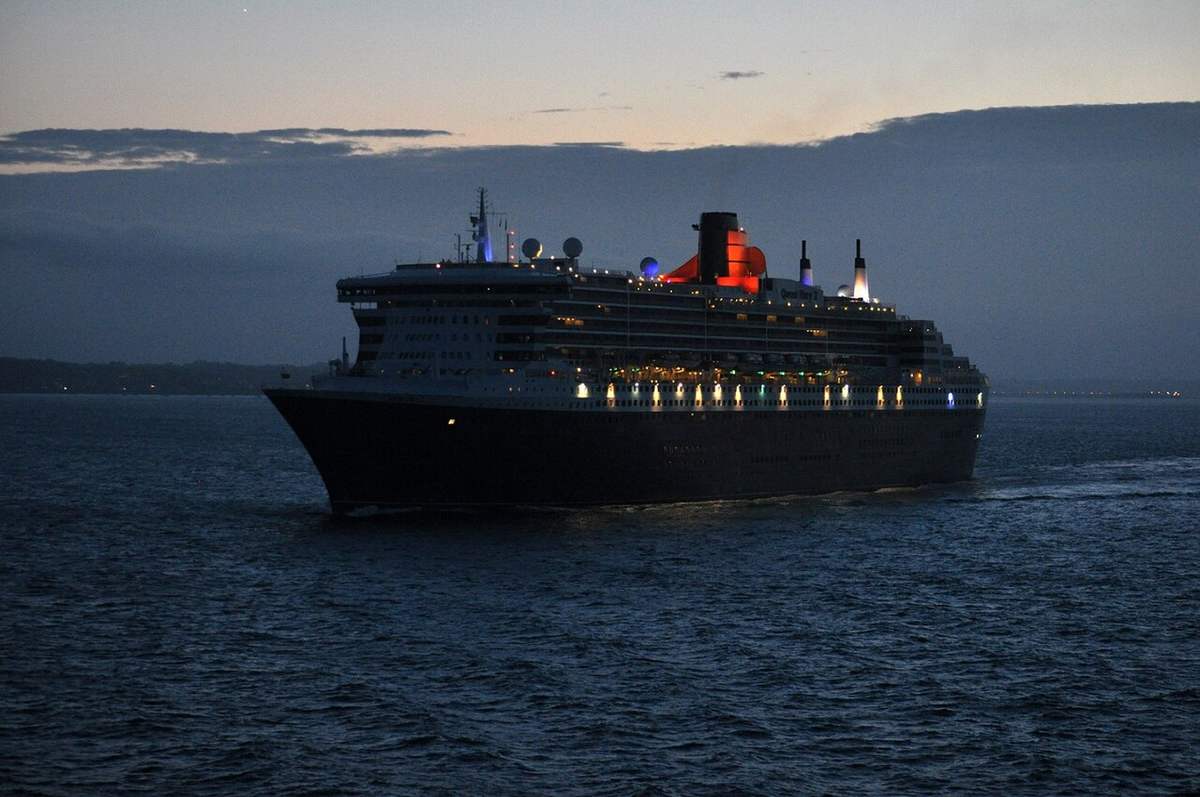
Same ocean, different animal
When the Mediterranean fleet heads for the Caribbean in autumn — and returns in spring — those ships have to cross, and the crossing is sold as a one-way cruise. These transatlantic cruises typically run longer than the liner week, stringing a handful of calls (the Azores, Madeira, the Canaries, or a Caribbean landfall) between longer runs of sea days, and they begin and end in different ports, which is why the planning frame in our guide to a one way vs round trip cruise matters before you book one. The ships are ordinary cruise ships doing an extraordinary week: the full resort apparatus — waterslides, production shows, a dozen restaurants — pointed at an empty ocean. Some travellers prefer exactly that: liner-length sea time with cruise-ship toys and a few ports to break the spell.
| Crossing type | Rhythm | Port calls | Season pattern | Best for |
|---|---|---|---|---|
| Scheduled liner crossing (Queen Mary 2) | 7 nights, fixed timetable | None on the classic crossing | Repeated through the season, both directions | Purists, readers, anyone crossing with luggage and time |
| Repositioning crossing (mainstream fleet) | Longer one-way voyages | A few — Atlantic islands or a landfall port | Spring toward Europe, autumn toward the Americas | Sea-day lovers who still want ports and big-ship facilities |
| Extended voyages with a crossing inside | Weeks to months | Many, across several regions | Published per voyage | Travellers treating the crossing as one chapter, not the book |
Reading a crossing before you book it
Three checks sort a good crossing from a regretted one. First, count consecutive sea days, not total nights: a repositioning itinerary with four ports can still hide a six-day Atlantic stretch, and that stretch is the product you are buying. Second, check the direction against the clocks — westbound crossings hand you an hour most nights, eastbound take one away, and your first days ashore feel different accordingly. Third, look at what the ship does with sea days in its daily programme on comparable sailings: enrichment lectures, classes and deck life are the difference between a floating library and a corridor. A crossing is the purest test in cruising of whether you like ships, or merely like where they stop.
Frequently asked questions
How long does a transatlantic crossing take?
The classic liner crossing is 7 nights between Southampton and New York, per Cunard's published schedules. Repositioning crossings vary with their port calls and can run considerably longer. In both cases the honest unit is not hours but sea days: count those before you book.
Are transatlantic cruises cheaper than flying?
That is the wrong test, and any blanket claim that crossings are cheaper should be distrusted. A crossing consumes a week of your holiday and usually a one-way flight at one end. Compare like with like on our deals page — fare, flights, hotels — and then book the crossing only if the week at sea is worth something to you in itself.
Will the Atlantic be rough?
It can be. The North Atlantic has weather in every month, and liner-built hulls and stabilisers moderate rather than abolish it. If motion worries you, choose midship cabins on lower decks and treat the forecast as part of the entertainment. The crossing has been run in all seasons for well over a century because ships handle it; your stomach's verdict is personal.
Which direction is better, eastbound or westbound?
Westbound travellers gain time as the clocks fall back across the voyage and arrive in New York adjusted; eastbound travellers lose an hour most nights and arrive in Europe pre-jet-lagged but having "paid" the difference gradually. Schedules in Cunard's fleet brochure run both ways all season, so the choice is yours to make on rhythm rather than availability.
Conclusion: the transatlantic crossing, chosen well
The bottom line: transatlantic cruises are not a way to get somewhere; they are somewhere. Take the liner if you want the ritual and the timetable, take a repositioning crossing if you want the sea days wrapped around a few ports and a resort ship, and read the repositioning explainer before assuming either one is a bargain. Browse current crossing-season sailings from our deals page — and book the week at sea because you want the week at sea. The transatlantic cruise worth booking is the one you want for its own sake — the liner’s ritual or the repositioning crossing — and our transatlantic page is where to weigh the two species against each other.
See the deals, total price first
Every deal we list will show the total — fare, taxes and port fees included — before you pay. That is the rule the deals page is being built to.
Browse cruise dealsNever overpay after you book
Once sign-ups open at launch, our price-drop alerts will watch the sailing you care about and flag it when the fare moves.
About price-drop alerts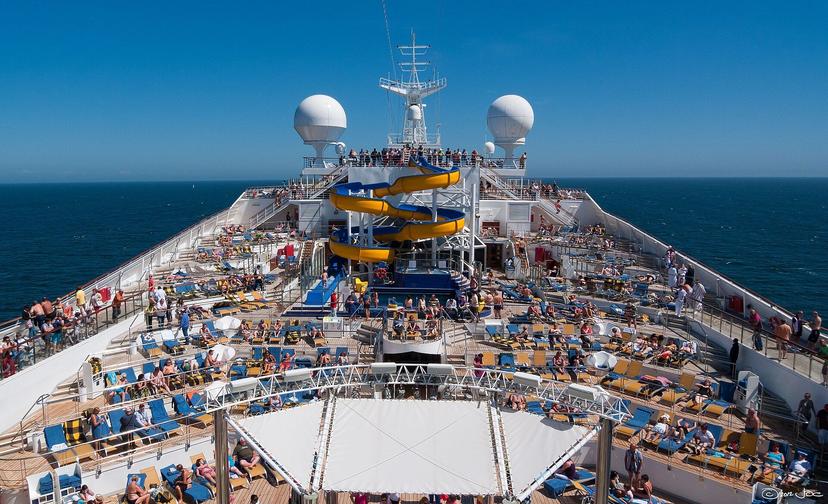
Search cruises
Every result shows the total for your cabin — taxes and port fees included.