How to Choose a Cruise: The Four Decisions in the Right Order
Most people choose a cruise backwards - ship first, regrets later. This framework fixes the order: trip length, region, ship size, then the total-price comparison.

Most people learning how to choose a cruise start with the ship, because ships are what the advertising shows. It is the backwards order, and it explains most disappointed first bookings: a magnificent vessel sailing the wrong length, in the wrong region, at a rhythm the traveller never wanted. Ships are the last big decision, not the first. Work in the order that constrains the others — length, then region, then ship size, then the money — and each step quietly deletes most of the catalogue, leaving a shortlist small enough to compare honestly.
How to choose a cruise, step one and two: length, then region
Length is a calendar decision before it is a price one
Start with the days you genuinely have, including the travel days at both ends and a recovery day if you cross time zones to reach the ship. A sailing that consumes every day of leave leaves no slack for a delayed flight or a slow first morning, and tight calendars push people into itineraries they did not choose. Length also decides the menu: short sailings cluster in the Bahamas, Baja and short Caribbean loops; a week opens the full Caribbean, Alaska in season and the Mexican Riviera; longer voyages reach the Mediterranean, Northern Europe and beyond. Fixing length first is not admin — it is the decision that makes the region question answerable. CLIA's consumer guidance frames the same point from the traveller's side: the passengers who return are the ones whose first trip was matched to their real lives, not their aspirations.
Region is rhythm, not just geography
Two seven-night sailings can be opposite holidays. A port-intensive Mediterranean loop wakes you in a new city daily and spends your energy ashore; a Caribbean loop alternates beach-simple ports with sea days spent on the ship. Read any itinerary as a rhythm chart before you read it as a map: count the sea days, note the tender ports, check whether port stays are long enough for the excursion you have in mind. Our calendar of best cruise destinations by month handles the seasonal half of this decision — where the weather and the season length argue for which region, month by month — while the destinations hub lays out each region's ports and sailing shapes side by side.
How to choose a cruise, step three and four: ship size, then the total
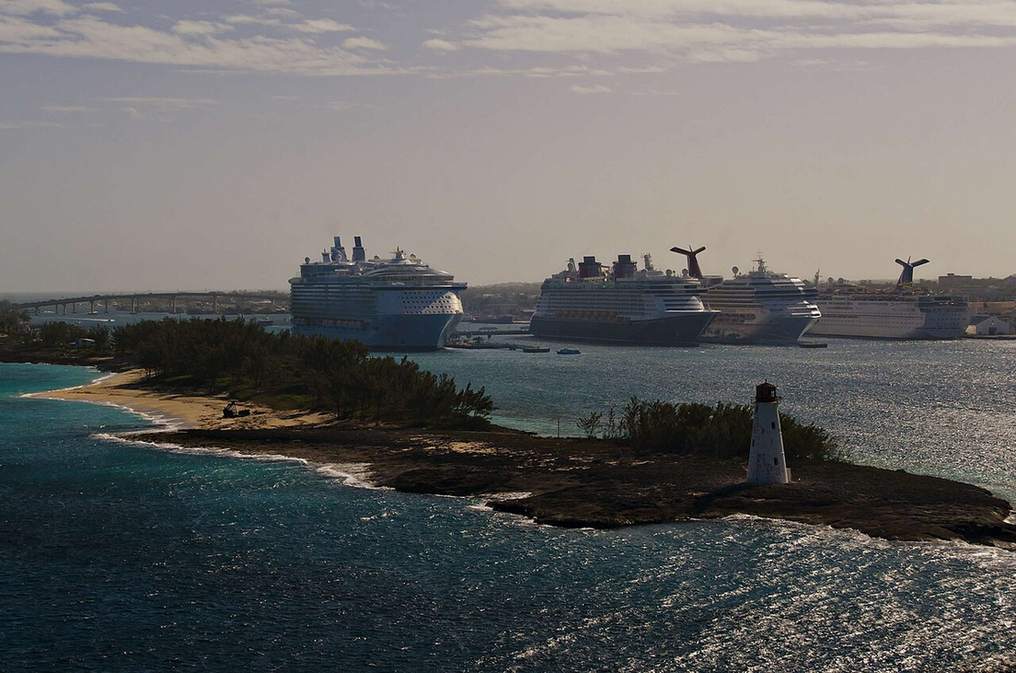
Ship size is a taste you are allowed to discover
The largest ships are floating resorts where the vessel is the destination; the smallest are closer to a travelling hotel with a lecture room. Neither is better — they serve different travellers. If your imagined day is shows, slides and a dozen dinner choices, size is a feature. If it is a quiet deck, a short walk to breakfast and ports the big ships cannot enter, size is a cost. Beginners who have not formed the preference yet should start mid-range, which is why the shortlist in best cruises for first time cruisers favours midsize ships: the middle teaches the vocabulary without the extremes.
| Decision | Fix it by asking | What it rules out |
|---|---|---|
| Trip length | How many days do I truly have, including travel and recovery? | Every sailing that cannot fit the calendar honestly |
| Region | Do I want port days, sea days, or a deliberate mix? | Regions whose rhythm contradicts the answer |
| Ship size | Is the ship the destination, or the vehicle? | Flagship resorts or small expedition vessels, whichever mismatches |
| Budget | What is the full total, in writing, for this cabin? | Every headline fare that grows once the real charges are added |
The budget step is a comparison method, not a number
Resist naming a budget figure before the first three decisions are made; a number picked early becomes an anchor that distorts them. The budget step, done properly, is a method: take the surviving sailings and price each one as a full total — fare, taxes and port fees inside it, gratuities shown as their own line, the cabin category held constant across comparisons. Royal Caribbean's planning material shows how much of a cruise is arranged after the fare — excursions, dining reservations, packages — which is why the fare alone can never be the comparison. Our separate guide to how to budget for a cruise turns that total into a full trip budget, pot by pot; this framework only insists the comparison happen on totals, in the open, before anyone falls in love with a headline.
One discipline keeps the order intact under sales pressure: write the four decisions down, in order, before you open a single fare. A one-page note — days available, region and rhythm wanted, ship size that fits, the totals method you will accept — turns every subsequent offer into a yes-or-no question against your own criteria instead of a fresh temptation. Travelling companions should argue at this stage, on paper, where the argument is cheap: the couple who disagree about sea days in the kitchen will disagree about them expensively at sea. Once the note exists, the booking itself is clerical. Most bad cruise choices are not bad ships or bad regions; they are good products bought in the wrong order, by people who let step four — a seductive headline fare — reach back and make the first three decisions for them.
Frequently asked questions
Which decision matters most when choosing a cruise?
Length, because it constrains all the others. It fixes the calendar, narrows the regions to the ones reachable in your days, and sets the ceiling the budget works under. Get length honestly right and the catalogue shrinks to a manageable shortlist on its own.
Should I choose the ship or the itinerary first?
The itinerary, almost always. The ports and the rhythm of sea days are what you will remember; the ship is the vehicle that delivers them. The exception is the traveller who cruises for the ship itself — waterslides, shows, a specific vessel — and that traveller usually already knows it.
How many sailings should I compare before booking?
Two or three, priced as full totals. Fewer and you have no real comparison; more and the differences blur into noise. A shortlist of three sailings, same cabin category, same length, compared line by line, is a decision you can defend to yourself later.
When does the cabin category get decided?
After the sailing. Cabin choice — inside, oceanview, balcony, suite — is a within-sailing decision about how you will use the room, and it is the easiest decision to upgrade or downgrade without disturbing the trip's shape. Deciding it early lets cabin marketing choose your itinerary for you.
Conclusion: how to choose, in one pass
The bottom line: how to choose a cruise is a sequence, not a search. Length first, region second, ship size third, and the money last — on full totals with every charge named. Follow the order and the catalogue does the narrowing for you; start from the destinations hub and let each decision delete what does not fit. To choose a cruise is to choose a sequence — length first, region second, ship size third — and the first-cruise guides are the best place to work through it.
See the deals, total price first
Every deal we list will show the total — fare, taxes and port fees included — before you pay. That is the rule the deals page is being built to.
Browse cruise dealsNever overpay after you book
Once sign-ups open at launch, our price-drop alerts will watch the sailing you care about and flag it when the fare moves.
About price-drop alerts



Search cruises
Every result shows the total for your cabin — taxes and port fees included.