Cruise Packing List: What Earns Its Space in a Small Cabin
Cruise cabins punish overpacking and the ship confiscates the wrong gadgets. This list is organised by where things are used - first afternoon, port days, evenings - not by suitcase folklore. Used as a packing list for a cruise rather than a generic holiday list, it also names the banned items ships seize at embarkation and the few gadgets that earn their space.
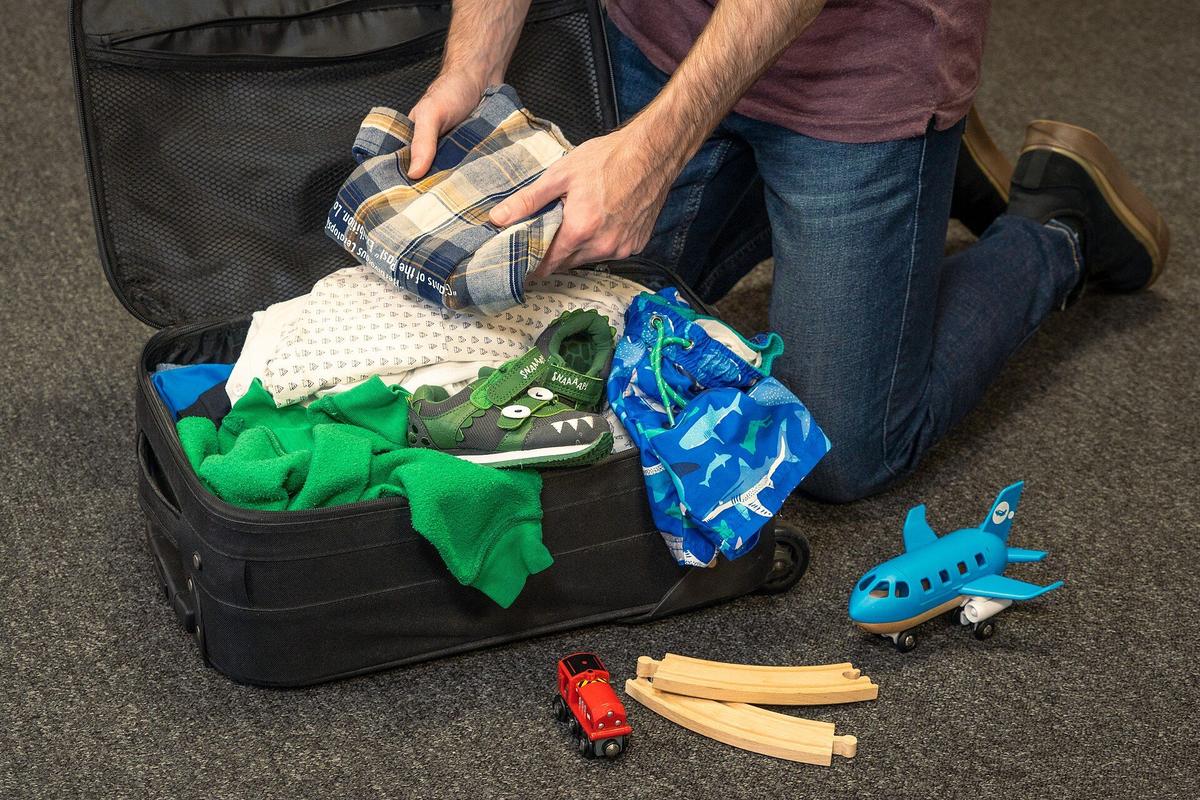
A cruise packing list is not a holiday packing list with a ship drawn on it. Cabins are small, storage is finite, your checked bags may not reach your room until the evening of embarkation, and the ship operates a banned-items list that removes the wrong gadgets at the terminal. This list is therefore organised the way a cruise actually unfolds — by where and when each thing is used: the first afternoon, port days, and evenings. One boundary before we start: the ordered process of booking, paying, checking in and boarding belongs to the first cruise checklist; this page owns only the items themselves. Pack from here; plan from there.
The cruise packing list, part one: the embarkation-day bag
What you carry on your own shoulder
Your checked luggage is handed to porters at the terminal and delivered to cabins later — sometimes hours later. So the day bag carries everything the first afternoon needs: travel documents and ID, payment cards, prescription medication in its original packaging, phone and charger, a swimsuit and cover-up if you intend to use the pool deck before your bags arrive, sunscreen, and a change of clothes in case the evening comes before the suitcase does. Royal Caribbean's own pre-cruise guidance makes the same point, advising guests to transport documents and medications in carry-on luggage (royalcaribbean.com, checked October 2026). If you are flying to the port, this bag also has to pass airport security, which is where the TSA's "What Can I Bring?" index earns its bookmark: its published 3-1-1 liquids rule — containers of 3.4 ounces (100 ml) or less in one quart-size bag — governs the toiletries in this bag, even though the ship itself imposes no such limit once you are aboard.
The packing list, part two: port days and evenings
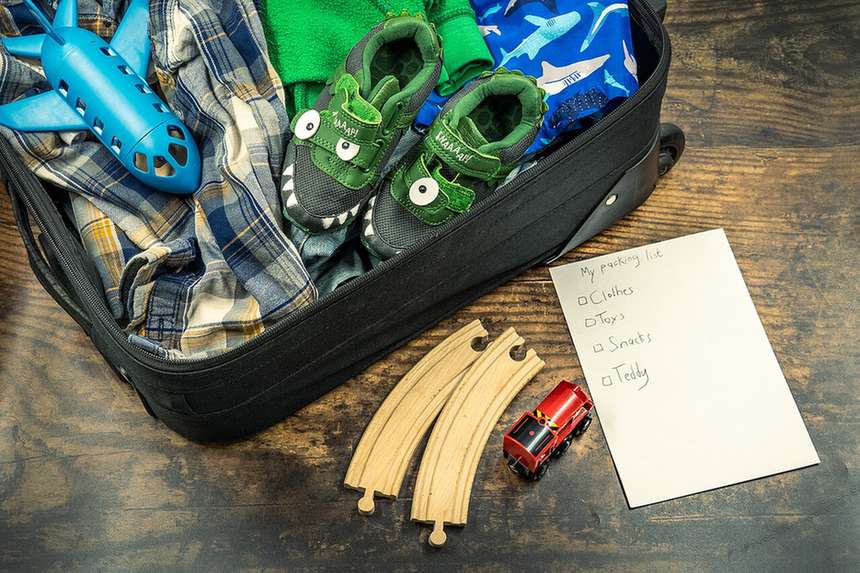
The port-day kit
Port days want a small, repeatable kit rather than fresh decisions every morning: a lightweight day pack, a refillable water bottle, reef-safe sunscreen where the destination asks for it, a hat, comfortable walking shoes already broken in, a dry pouch or waterproof phone case for boat and beach days, and any excursion paperwork or booking confirmations. Add the destination layer — insect repellent for jungle excursions, a light rain shell for Alaska or Northern Europe, modest dress for churches and cathedrals in Mediterranean ports. None of it is exotic; the craft is in keeping the kit assembled so port mornings start with a grab, not a search. Where each kit earns its keep is a destination question, and the guides at our destinations hub carry the per-region detail this list deliberately leaves to them.
The evening layer, without the panic
Evenings are where suitcases swell. The answer is to pack to the ship's actual dress code rather than to imagination: most nights on most lines are casual or smart casual, with a small number of dressier nights across a sailing. The full decode — which lines still enforce what, and how many formal nights a sailing of your length typically carries — lives in cruise dress codes; the packing consequence is simple. One outfit that can rise to the dressiest night, built from pieces that also work on ordinary evenings, beats three single-use ensembles. Shoes are the space thieves: one pair for walking, one for evenings, one for the pool deck is a complete fleet for most travellers.
| Where it is used | Pack it | Why it earns its space |
|---|---|---|
| Embarkation-day bag | Documents, medication, cards, charger, swimsuit, change of clothes | Checked bags can arrive hours after you do |
| Port days | Day pack, water bottle, sunscreen, hat, broken-in walking shoes, dry pouch | One assembled kit serves every port |
| Evenings | Layerable smart-casual pieces, one dressier outfit, evening shoes | Matches real dress codes without single-use bulk |
| Cabin life | Magnetic hooks, laundry bag, night light, earplugs | Cabins have few surfaces and thin walls |
| Leave behind | Iron, steamer, candles, coffee maker, extension cord | On published prohibited lists; confiscated at screening |
The banned list: what a cruise packing list must leave out
Confiscated is not a theoretical risk
Every line publishes a prohibited-items list, and screening at embarkation enforces it: the item is removed, and on some lines it is not returned until the end of the sailing, if at all. Royal Caribbean's published list is representative of the mainstream pattern — items that generate heat or open flame (clothing irons, steamers, coffee makers, candles, incense, hot plates), electrical extension cords and power boards, weapons, illegal drugs and flammable liquids are all prohibited, with curling irons and hair straighteners the stated exception among heat appliances (Royal Caribbean, "What to know before going on your cruise", checked October 2026). Lists differ by line in detail — alcohol rules in particular vary — so treat the list above as the shape of the thing and check your own line's current list before you zip the case. The general packing principle stands either way: a cruise packing list is a negotiation between a small cabin and a strict scanner, and the items that lose that negotiation are predictable. Pack for the trip the ship allows, in the space the cabin gives you, and the list writes itself — with the destination detail waiting at our destinations hub when you are ready to specialise it.
Frequently asked questions
When will my checked luggage reach my cabin?
Usually sometime on embarkation afternoon or evening, but there is no guaranteed hour, which is why the day bag matters. Luggage containing a flagged item can be delayed much longer while security resolves it — one more reason to keep the banned list out of your case.
Can I bring a power strip or extension cord for charging?
On most mainstream lines, no — extension cords and power boards appear on published prohibited lists (Royal Caribbean's included, checked October 2026). Lines cite fire safety. Pack a multi-port USB charger instead, and check your line's current list, since policies on non-surge USB hubs vary.
How much clothing does a seven-night cruise actually need?
Less than instinct says. Cabins have limited hanging and drawer space, laundry services exist aboard (at a charge), and most outfits repeat comfortably across a week. Plan around mix-and-match pieces, one dressier outfit, and swimwear in duplicate so one set can dry.
Do I need to pack towels or a hair dryer?
No. Pool and bath towels are provided, and cabins come with a hair dryer as standard on mainstream lines — Royal Caribbean's guidance lists towels, soap, shampoo and hair dryers among items available aboard at no charge (royalcaribbean.com, checked October 2026). Space spent duplicating them is space wasted.
The bottom line: a cruise packing list succeeds when it is organised by use, not by category — day bag, port kit, evening layer — and when it respects the two hard limits: the scanner's banned list and the cabin's square footage. For the process that surrounds the packing, the first cruise checklist owns the order of operations; for where you are going, start at our destinations hub. Treat this packing list for a cruise as a starting point, not a verdict, and strike anything your own itinerary will never ask for.
See the deals, total price first
Every deal we list will show the total — fare, taxes and port fees included — before you pay. That is the rule the deals page is being built to.
Browse cruise dealsNever overpay after you book
Once sign-ups open at launch, our price-drop alerts will watch the sailing you care about and flag it when the fare moves.
About price-drop alerts

Search cruises
Every result shows the total for your cabin — taxes and port fees included.