Best Cruises for First Time Cruisers: Where to Start and Why
A first cruise sets the pattern for every one after it. This guide ranks starter itineraries by forgiveness - easy ports, gentle sea days, ships that do not overwhelm - not by marketing. The best first cruise is rarely the biggest ship or the longest itinerary; it is the one a new cruiser can relax into.
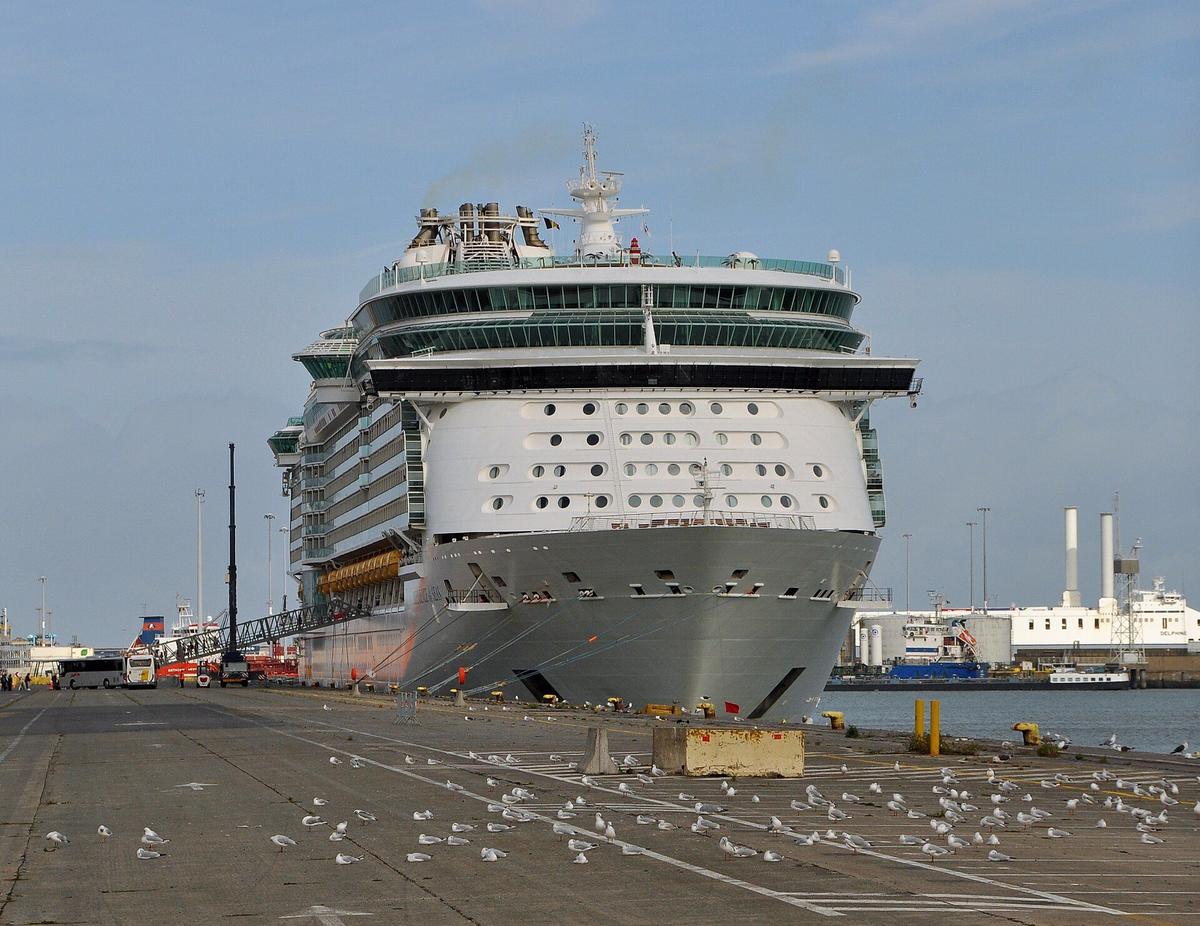
The best cruises for first time cruisers are not the biggest, the newest or the most advertised. They are the forgiving ones: itineraries where a missed detail costs you an afternoon, not the holiday. A first sailing teaches you what cruising actually feels like — the rhythm of sea days and port days, the size of ship you enjoy, the cabin you actually sleep in — and a starter trip should teach those lessons gently. Pick a sailing that is easy to reach, easy to follow and easy to recover from, and the second cruise practically plans itself.
What makes the best cruises for first time cruisers forgiving
Short first, long later
A three- to five-night sailing is a rehearsal with real stakes kept low. If you discover you love sea days, you have lost nothing — you book longer next time. If you discover the motion bothers you, or the buffet-at-midnight lifestyle is not yours, the lesson was cheap in days. CLIA's first-cruise guidance makes the same structural point in reverse: cruising retains its guests because the first experience tends to land well, and a first experience lands best when it is sized to the traveller rather than to the brochure. Resist the friend who insists a first cruise should be a once-in-a-lifetime expedition. First cruises are for learning your own taste.
Ports you can read at a glance — and a sea day in the mix
Forgiving itineraries call at ports where the day explains itself: a walkable town, a beach, one obvious excursion, an easy return to the pier. The Bahamas and the western Caribbean loops earn their first-timer reputation this way — the geography is simple, the sailing distances are short, and a port day does not require a plan written the night before. Save the tender ports, the two-hour transfers to inland cities and the multi-stop logistics for your third cruise, when you know which complications you enjoy. Our destination guides describe each region's port rhythm in exactly these terms.
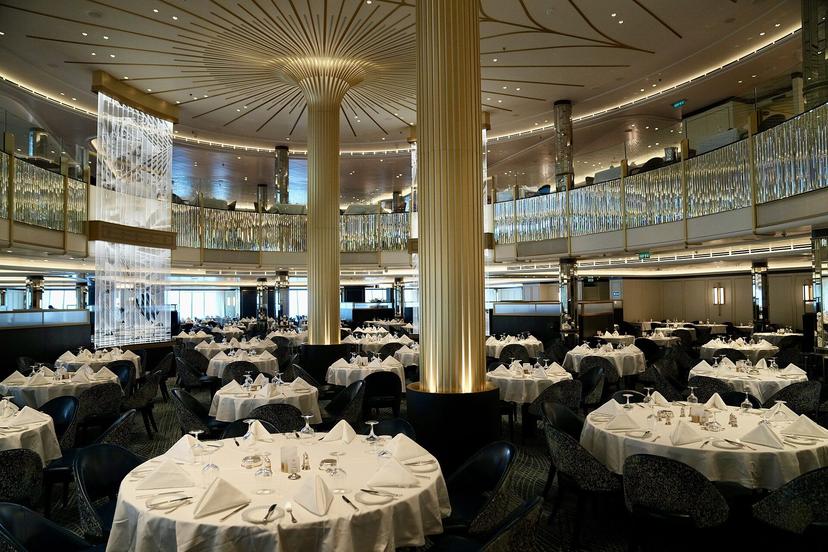
Balance those port days with at least one sea day. A port-every-day itinerary turns the ship into a hotel you sleep in; an all-sea-days itinerary turns it into a test of patience. The starter sweet spot is a sailing with both, because the sea day is when you learn whether the ship's own offering — pools, shows, quiet corners, the dining room at leisure — is a pleasure or a waiting room. Royal Caribbean's first-day guidance is a useful picture of what a sea day contains: app-led schedules, activities from morning onward, dining you book ahead. Lines publish this material because day one overwhelms people; a first itinerary with breathing room built in overwhelms nobody.
First-time cruises, by trip shape
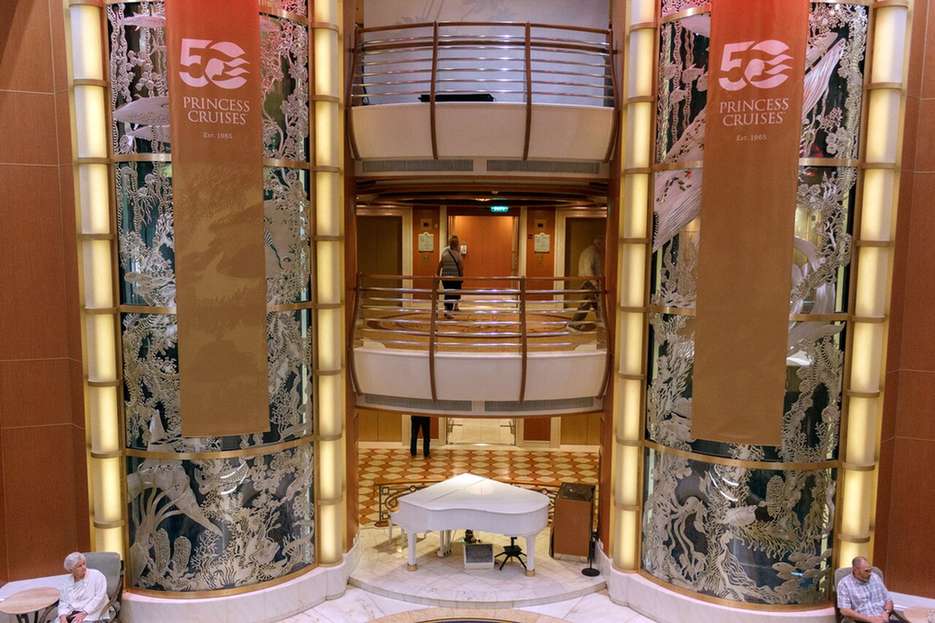
The midsize ship in a familiar region
The middle of the market is the honest answer for most beginners. Midsize ships carry the full cruise grammar — main dining room, theatre, pool deck, a few specialty venues — without the neighbourhood-scale navigation of the largest vessels, where finding your cabin can be a daily event. You will learn the vocabulary of cruising (muster, sea pass, formal night, tender) on a ship where the distances forgive confusion. Our framework for how to choose a cruise orders these decisions properly; for a first sailing, region and length come before ship, and ship size comes before cabin splurges.
The drive-to-port sailing
If a homeport sits within driving distance, it removes the two most failure-prone parts of a first cruise: the flight connection and the night-before hotel calculation. You drive, you park, you board. The sailing itself can be modest — the experiment is about cruising, not about the itinerary's ambition. This is also why the classic first-timer regions cluster around Florida, Gulf and West Coast homeports: the starter market follows the drive market.
| Starter trip shape | Why it forgives | The watch-out |
|---|---|---|
| Short Bahamas or Caribbean loop | Simple ports, short sailing distances, easy port days | Can feel rushed; the ship barely settles before it turns home |
| Seven nights in one familiar region | Full rhythm of sea days and port days, time to learn the ship | A poor ship match costs a whole week, not a long weekend |
| Drive-to-port sailing | No flight or hotel failure points before boarding | Homeport itineraries are a narrower menu |
| Midsize ship, mainstream line | The full cruise vocabulary at a manageable scale | Fewer headline attractions than the flagship vessels |
What to skip until cruise two. Expedition sailings, transatlantic crossings, dense Mediterranean loops with a new country daily, and the very largest ships are all excellent products aimed at people who already know their answers. Each assumes a preference — for lectures over loungers, for sea days over ports, for logistics over lounging — that a first-timer has not formed yet. There is no prize for skipping the learning stage; the travellers who cruise for decades mostly started plain.
Shortlisting the best cruises for first time cruisers without overbuying
Spend on the itinerary, and compare totals in writing
First-timers consistently overbuy the cabin and underbuy the itinerary, because cabins are photographable and itineraries are not. On a first sailing you will use the cabin to sleep and dress; the itinerary is the holiday. An interior or oceanview cabin on the right sailing teaches you more — including whether a balcony would have mattered — than a balcony on the wrong one. The first cruise checklist walks the booking-to-boarding sequence in order once your shortlist exists.
Then, when the shortlist is down to two or three sailings, compare the full totals for the cabin: fare, taxes and port fees, and the gratuities the line will add, each shown as its own line. Headline fares are per-person advertising; totals are decisions. A first cruise chosen on totals starts the habit that protects every cruise after it — and it is the standard our destination pages are built around.
Best cruise line for first time cruisers: judge the ship, not the brand
No single line wins this question honestly, so do not let a ranking choose for you. Judge the ship instead: a midsize ship on a short sailing, with inclusions stated in writing and a sea day in the mix, forgives first-timer mistakes whichever line runs it. Shortlist two or three sailings on those terms, compare their totals, and let the sailing choose the line — not the other way round.
Frequently asked questions
What is the best cruise for beginners?
The best cruise for beginners is a short sailing in a familiar region on a forgiving ship: three to five nights, a sea day in the mix, ports you can read at a glance, and a total stated in writing before you pay. Judge the ship, not the brand — a midsize ship on a short sailing forgives first-timer mistakes whichever line runs it — and shortlist two or three sailings on those terms before you choose.
How long should a first cruise be?
Long enough to include a sea day and at least two port days, short enough that a mismatch is a lesson rather than a loss. For most beginners that means a short sailing of three to five nights, or a single week in one region — not a fortnight, and not a two-night taster that never finds its rhythm.
Which region is easiest for a first cruise?
The one you can reach without a connection and read without a guidebook: for most North American beginners, the Bahamas and Caribbean loops from a drive-to or short-flight homeport. Familiar geography, short distances between ports and ports that explain themselves make the region the default starter classroom.
Is a bigger ship better for a first cruise?
Not automatically. The largest ships carry the most venues and the most navigation, queuing and booking-ahead overhead. A midsize ship teaches the same vocabulary at a calmer scale. Choose the flagship when you know the attractions are what you cruise for.
Should I book the newest ship for my first cruise?
Only if its itinerary also suits a beginner. Newness buys fresh venues and launch publicity; it does not buy forgiveness. A proven ship on a gentle itinerary is the better first classroom, and usually the calmer ship to learn on.
The bottom line: the best cruises for first time cruisers are rehearsals designed to succeed — short, reachable, midsize and mixed, with ports that explain themselves and at least one sea day to test the ship. Choose that shape first, compare full totals second, and let the destinations hub show you which region fits the rehearsal you want. The best first cruise is a rehearsal designed to succeed, and the first-cruise guides are the rehearsal notes — short, reachable and written for the trip that teaches you what cruising feels like.
See the deals, total price first
Every deal we list will show the total — fare, taxes and port fees included — before you pay. That is the rule the deals page is being built to.
Browse cruise dealsNever overpay after you book
Once sign-ups open at launch, our price-drop alerts will watch the sailing you care about and flag it when the fare moves.
About price-drop alerts


Search cruises
Every result shows the total for your cabin — taxes and port fees included.