Cruise Mistakes First Timers Make - and the Cheap Fixes
First cruises fail in the same dozen ways, almost all of them cheap to prevent. This referee's list names each failure mode, the rule behind it and the fix that costs nothing. The common cruise mistakes in this list are the ones repeat cruisers stopped making years ago - same-day flights, ship-time confusion and packages bought in a panic.

The cruise mistakes first timers make are not random, and they are not really about cruising. They are the same handful of failure modes, repeating on every sailing: a flight timed with no slack, a clock believed that should not have been, a package bought in a panic at a sales desk, a deadline discovered the week after it passed. Each one traces to a published rule that existed before the booking did — which is what makes them cheap to prevent. This post names the failure modes and the rule behind each, with the fix attached. One boundary, stated once: the correct order of doing everything, step by step, belongs to the first cruise checklist. This page is only about how it goes wrong.
Cruise mistakes first timers make: the deadline failures
Missing final payment — the booking that quietly dies
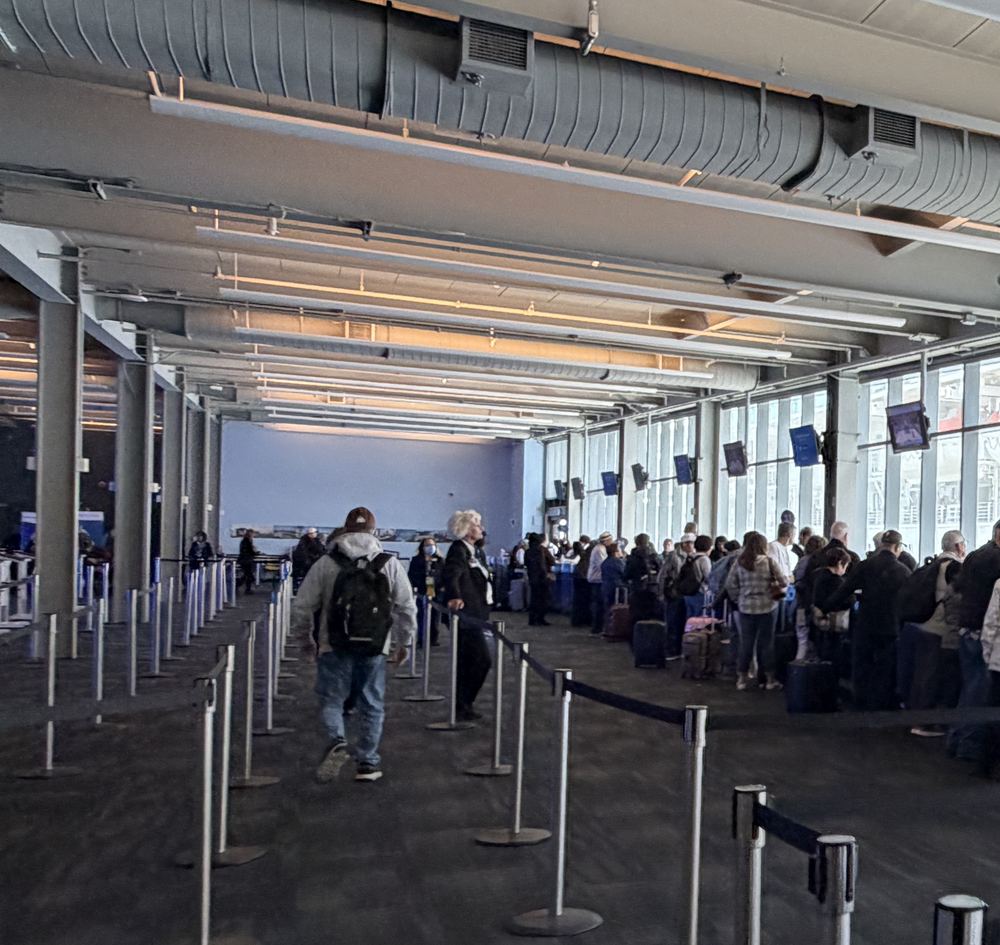
Failure mode one is silent. A cruise is reserved with a deposit, and the balance has a deadline; miss it and the line can cancel the booking under its payment terms, releasing the cabin and applying the contract's penalties to money already paid. The deadlines are not secret or uniform: Royal Caribbean's published terms, for example, set final payment at 75 days before sailing for cruises of one to four nights, 90 days for five to fourteen nights, and 120 days for fifteen nights and longer (Royal Caribbean pre-cruise FAQ, checked October 2026). The fix costs nothing: the date goes in a calendar with two alarms the day the deposit is paid. Travellers who book through an agent get reminded; travellers who book direct are their own reminder system, whether they knew it or not.
The same-day flight gamble
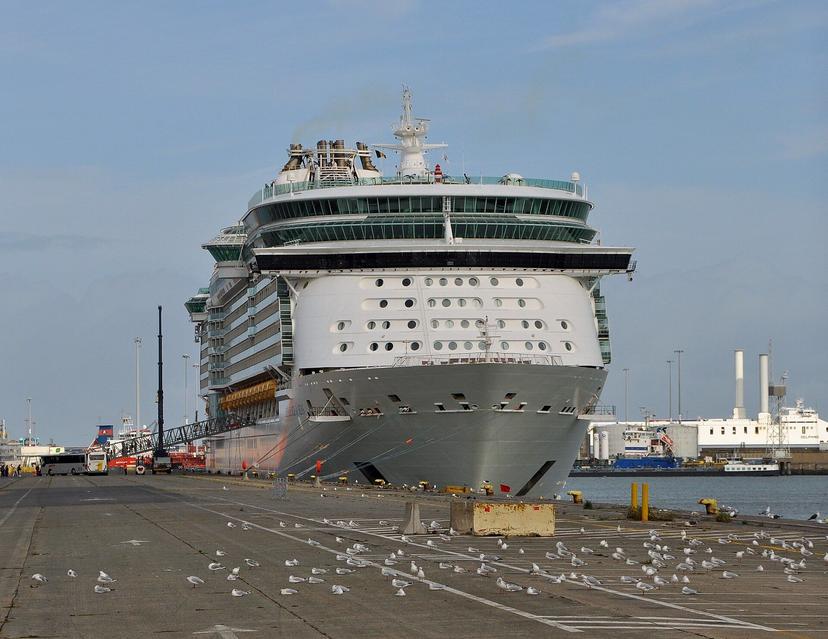
Failure mode two is the most expensive photograph in cruising: the ship, sailing, taken from the pier. Flying in on embarkation morning stakes the entire holiday on one flight operating on time, one connection holding, one bag arriving. Lines publish arrival windows precisely because the ship's departure is not one of the variables — Virgin Voyages, for example, requires sailors to follow their selected terminal arrival time and warns that the vessel departs at the listed time, on the dot (Virgin Voyages port information, checked October 2026). The fix is the oldest advice in cruising: arrive the day before. It is not a hotel upsell; it is the difference between a delay being an anecdote and a delay being the end of the trip — and pre and post cruise stays makes the case that the extra night is usually a pleasure rather than a tax.
Cruise mistakes first timers make: the onboard failures
Living by the wrong clock in port
Failure mode three happens ashore. The ship keeps its own time, which can differ from the port's, and the all-aboard time posted at the gangway is set by the ship's clock. A phone that auto-syncs to local time can therefore be an hour wrong with complete confidence. Lines build their port-day guidance around the ship's published times for exactly this reason. The fix is mechanical — one watch or phone pinned manually to ship time, and a return buffer that makes the difference irrelevant. It deserves its own short explainer, and has one elsewhere in this series; here it stands as what it is: the most preventable way to watch a ship leave.
Package panic and the unread total
Failure mode four is financial, and it is the one this site exists to referee. Embarkation day is a sales environment: drink packages, Wi-Fi tiers, dining bundles and photo deals are all presented at the moment of maximum holiday euphoria and minimum information. First-timers buy bundles they have not costed against their own habits — packages whose break-even they never ran — and discover the total at the end of the week. The rules behind the fix are all published before sailing: package terms, inclusions and prices sit on the lines' sites, and most packages remain buyable aboard after a day of observing your own behaviour, sometimes at a different price in either direction. The discipline is the one on our how our prices work page: know what the fare already includes, cost any addition against your real consumption, and never let a deadline invented by a sales desk substitute for arithmetic.
| Failure mode | The published rule behind it | The cheap fix |
|---|---|---|
| Missing final payment | Balance deadlines set by line and cruise length | Calendar alarms set the day the deposit is paid |
| Same-day flight to the port | Ships depart at the listed time; arrival windows are assigned | Arrive the day before sailing |
| Wrong clock in port | All-aboard runs on ship time, posted at the gangway | One device pinned to ship time; a real return buffer |
| Package panic | Package terms and prices are published pre-cruise | Cost the break-even at home; decide before the sales desk |
| Wrong documents | Lines publish document requirements per itinerary | Verify against the line's list weeks ahead, not days |
The document shrug
Failure mode five is the quietest: assuming the documents that worked for a domestic trip will work for this one. Lines publish their document requirements per itinerary, and governments set the underlying rules; a closed-loop sailing's document set differs from an open-jaw or international one, and a birth-certificate combination that boards the ship cannot fly anyone home from a foreign port if something goes wrong mid-trip. The fix is a ten-minute verification against the line's published list, done weeks ahead while there is still time to order a replacement or renew a passport. Of all the cruise mistakes first timers make, it is the one with the worst ratio of prevention cost to disaster size. The underlying US rule for closed-loop sailings — birth certificate plus government-issued photo ID — is published by US Customs and Border Protection.
Frequently asked questions
What is the single most common first-timer mistake?
By consequence, the same-day flight. It is the failure that ends trips rather than merely denting them, and it persists because it saves one hotel night. The published departure discipline of every line assumes you are already in the port city; be in the port city.
If I miss final payment by a day, is my booking definitely gone?
Not definitely — but the line's contract gives it the right to cancel, and whether a grace is extended is practice, not entitlement. Treat the deadline as hard, and if you discover a miss, contact the seller the same day; cabins released on popular sailings do not wait around.
Are onboard packages ever cheaper if I wait?
Prices move in both directions — pre-cruise sales discount some packages, onboard prices are the rack rate, and occasional onboard offers exist. The mistake is not waiting or not waiting; it is buying without a break-even. Cost the package against your habits first, then take whichever price is in front of you with open eyes.
How do I avoid the wrong-clock trap in port?
Before leaving the ship, note the all-aboard time from the gangway board, set a watch or your phone (automatic time zones off) to ship time, and plan to be back well before the deadline. If any excursion or taxi quotes you a time, ask the one question that matters: ship time or local?
Conclusion: five cheap fixes for first timers
The bottom line: the cruise mistakes first timers make are published-rule failures, and published rules can all be read in advance. Set the payment alarms, fly in the day before, pin one clock to the ship, cost packages at home, and check the documents early — five free fixes that between them cover nearly every first-cruise disaster story. For the positive version — everything done in the right order — the first cruise checklist is the companion read, and the pricing discipline behind it all sits on our prices page. The common cruise mistakes above are the cheap kind — each one traces to a rule published before the booking was made.
See the deals, total price first
Every deal we list will show the total — fare, taxes and port fees included — before you pay. That is the rule the deals page is being built to.
Browse cruise dealsNever overpay after you book
Once sign-ups open at launch, our price-drop alerts will watch the sailing you care about and flag it when the fare moves.
About price-drop alerts
Search cruises
Every result shows the total for your cabin — taxes and port fees included.