Expedition Cruises Explained: Small Ships, Wild Places, Real Rules
Expedition ships carry scientists instead of show bands, and the itinerary is written by weather and ice. This guide explains the format, the rules and why it costs what it costs. An expedition cruise is judged on landings made, not ports ticked, and the sections below compare ships by Zodiac fleet, guide ratio and polar rating.
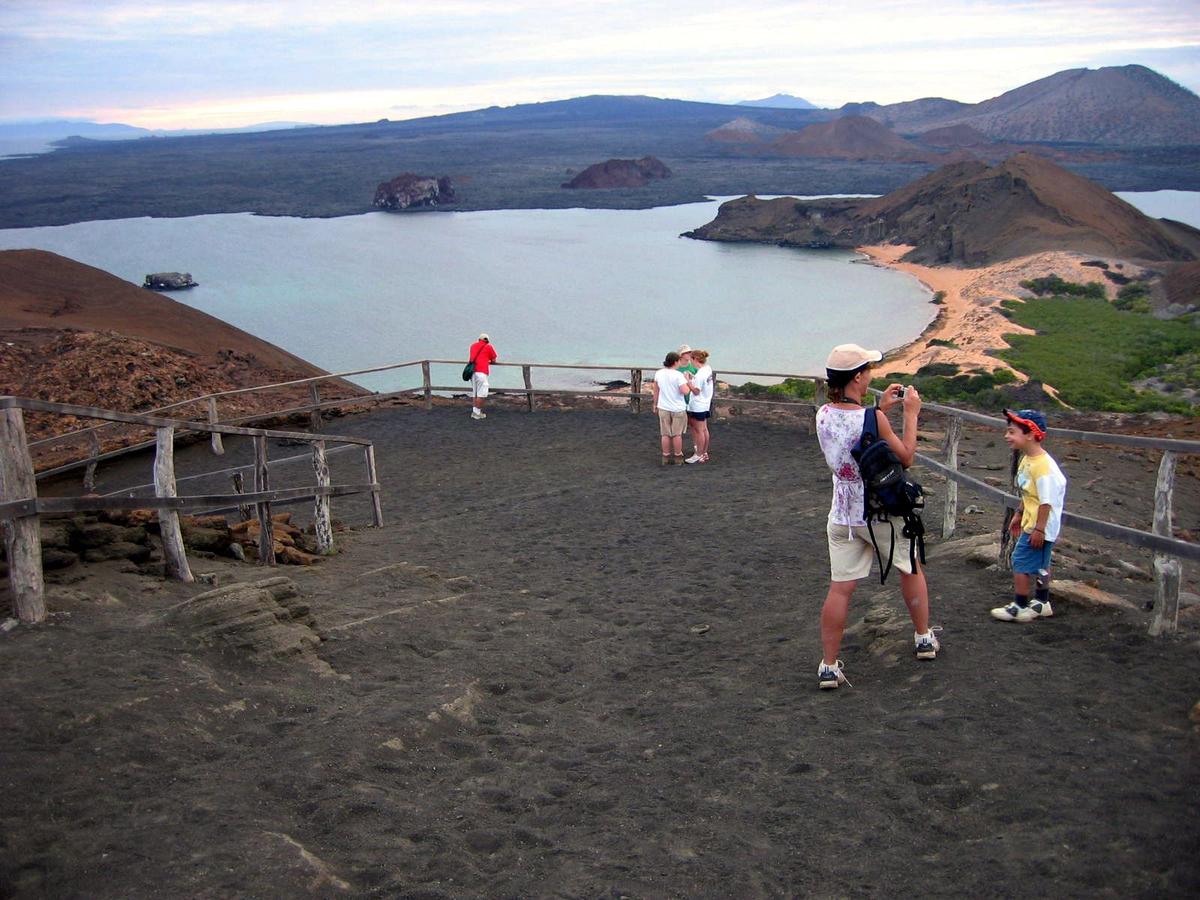
Expedition cruises are the branch of cruising where the ship is a base camp and the itinerary is a hypothesis. Expedition cruises go where there are no cruise terminals — the Antarctic Peninsula, the Galapagos archipelago, the high Arctic, the Amazon's upper reaches — on small, reinforced ships staffed by naturalists, historians and ice pilots rather than cruise directors. The trade-offs are the format's identity: you give up the resort apparatus of a big ship and the certainty of a fixed itinerary, and in exchange the destination stops being a backdrop and becomes the entire product. This guide explains how expedition cruises actually operate day to day, the rules that govern landings (they are real rules, enforced, and they shape every sailing), and why the fares are built the way they are.
Expedition cruises day to day: the ship is a base camp
Landings, Zodiacs and the expedition team
The working unit of an expedition ship is the landing. Guests board inflatable Zodiacs in small groups, cruise among ice or along a shoreline with a naturalist driving, and step ashore where conditions allow — a penguin colony beach, a historic hut, a tundra valley. Between landings, the expedition team lectures: geology before the volcano island, whaling history before the abandoned station. Evenings run to a recap of the day and a briefing on tomorrow's intentions, plural, because tomorrow depends on ice, wind and what another ship is doing at the same site. Compare that register with the mainstream small-ship end of the market in our small ship vs big ship cruise explainer: the small ship is the means here, never the attraction itself.
The itinerary is a hypothesis, and that is normal
Mainstream itineraries are timetables. Expedition itineraries are intentions ordered by preference: the captain and expedition leader sequence landing sites around ice conditions, wildlife activity and the one-ship-at-a-time etiquette these regions run on. A landing replaced because a bay is choked with ice is not a failed cruise; it is the format working as designed. Travellers who need certainty about which beach on which day should read that sentence twice before booking — expedition lines state it in their terms because it decides whether the trip delights or disappoints.
Expedition rules are the itinerary: Antarctica and the Arctic
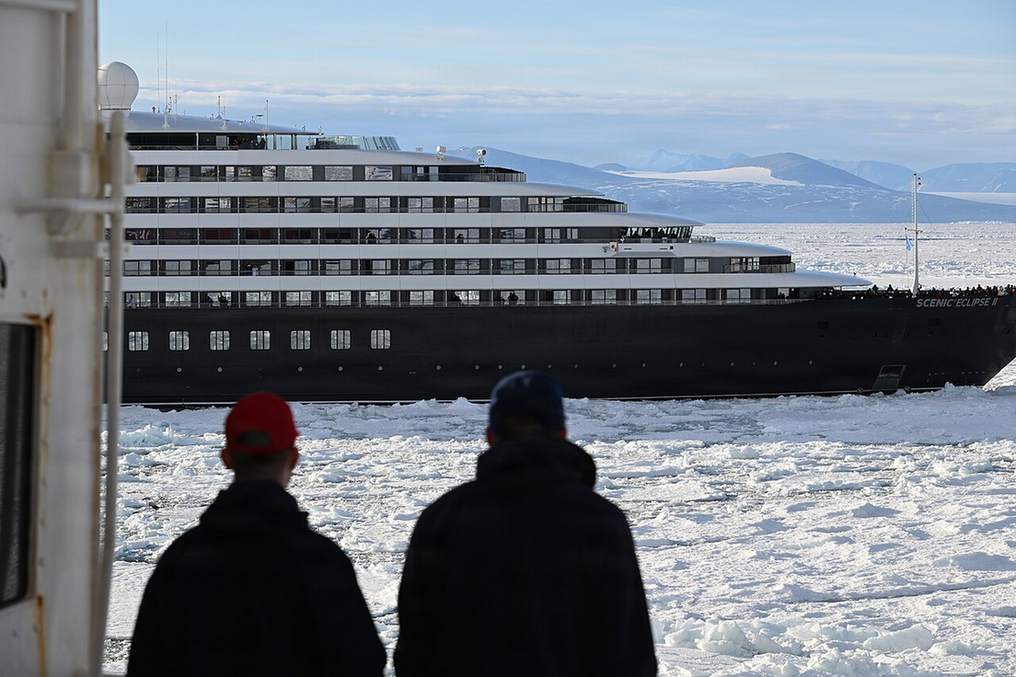
IAATO's Antarctic landing rules
Antarctic tourism operates under the Antarctic Treaty system, and in practice under the rules of IAATO, the industry association whose guidelines its member operators follow. IAATO's published visitor guidance (checked October 2026) sets the frame guests actually experience: no more than 100 visitors ashore at any one site at a time, guided groups at a staff-to-visitor ratio of up to 1:20, and ships carrying more than 500 passengers not permitted to make landings at all — all three figures are stated verbatim in IAATO's ATCM General Visitor Guidelines poster (checked October 2026). Around those numbers sits the behaviour code — stay back from wildlife, clean and disinfect boots and gear before and after landings so nothing hitchhikes between sites, take nothing, leave nothing. The arithmetic consequence is worth understanding: on a 200-guest expedition ship, a landing rotates in groups, and your time ashore at a famous site is a rationed, scheduled thing — which is precisely why serious expedition travellers choose the smallest ship they can, a logic that also runs through our Alaska cruise guide for Glacier Bay's permitted waters.
AECO's Arctic code and the Galapagos park rules
The Arctic runs on the parallel code of AECO, the Association of Arctic Expedition Cruise Operators. AECO's visitor guidelines ask guests to leave no lasting sign of a visit, to take nothing — not stones, bones or antlers — to keep noise down and distance from animals and nesting birds as their leader instructs, and to treat cultural remains as protected, walking around them, never through them. In the Galapagos, the National Park's rules govern every landing: visitors must be accompanied by a certified naturalist guide, stay on marked trails, keep at least two metres from wildlife, and never feed or touch the animals — the rules as published in the Galapagos Governing Council's Resolución No. 0000007 (checked October 2026), and enforced by the guides who hold the authority ashore. Different oceans, same grammar: the wildlife is not a show, the guide's word is law, and the guest is a visitor on probation.
| Region | Governing framework | The rules you will feel | Landing style |
|---|---|---|---|
| Antarctica | Antarctic Treaty system; IAATO operator guidelines | 100 ashore at a time; ships over 500 passengers cannot land | Zodiac landings and cruises, boot decontamination |
| Arctic (Svalbard, Greenland, Canadian Arctic) | AECO guidelines; national park law | Leave no trace; leader-set wildlife distances; cultural remains protected | Zodiac landings, tundra walks |
| Galapagos | Galapagos National Park rules | Certified guide mandatory; marked trails; two metres from wildlife | Dry and wet landings from pangas |
| Alaska expedition-style | US park and wildlife law; line permits | Glacier Bay entry limited by permit | Small-ship scenic cruising and skiff tours |
Why expedition cruises cost what they cost: the fare shape
No fare figures appear in this guide, deliberately: expedition pricing moves with ship, season and cabin in ways a static number would misrepresent. The shape, though, is explainable. The ships are small, so costs divide among few guests. Ice-class hulls, Zodiac fleets, expedition staff at low ratios, park permits and landing fees, included expedition gear on polar products, and long positioning voyages to reach the grounds all price in. What the fare is not buying is the resort: no casino economy, no thousands of fellow guests subsidising the headline. Compare expedition offers on the operating facts — ship's passenger count against the 100-ashore rule, staff ratio, how many landing hours the itinerary structure realistically allows — working from the lines' own published specifications, and survey the regions on our destinations hub before you fall for a single famous bay.
Frequently asked questions
Will I definitely see penguins, bears or whales?
No honest operator promises sightings, and you should distrust one who does. The rules above exist partly to keep wildlife undisturbed, which means encounters happen on the animals' terms. Season, site and luck decide; the expedition team's skill is in maximising probability, not guaranteeing outcomes.
How rough are the crossings?
Polar itineraries involve open-ocean passages — the Drake Passage to Antarctica is the famous one — on small ships that move more than big ones. Lines describe their stabilisers and typical conditions on their own pages; travellers who suffer badly from motion sickness should weigh that honestly before choosing the format.
What fitness do landings require?
Enough to climb into a Zodiac from a ship's side gate, step ashore on rock or shingle, and walk uneven ground for an hour or two with a guide. Operators publish their mobility requirements per itinerary; expedition travel rewards the honest self-assessment, because there is no pool deck alternative programme on landing mornings.
Why do expedition cruises cost more per day than big-ship cruises?
Arithmetic, mostly: a small ship's costs spread across far fewer guests, plus ice capability, Zodiacs, expert staff at low ratios, and permits. The fare anatomy is broken down region by region on our destinations hub — but expect the per-day figure to sit in a different league from mainstream cruising, for structural reasons rather than luxury ones.
The bottom line: expedition cruises are the format for travellers who want the destination to be the entertainment and are willing to let weather, ice and wildlife behaviour hold the pen. Read the rules for your region — IAATO in Antarctica, AECO in the Arctic, the park in Galapagos — choose the smallest ship your budget allows so the 100-ashore arithmetic treats you kindly, and book the operator whose published specifications, not whose brochure adjectives, convince you. Begin with the regions on our destinations hub and narrow from there.
See the deals, total price first
Every deal we list will show the total — fare, taxes and port fees included — before you pay. That is the rule the deals page is being built to.
Browse cruise dealsNever overpay after you book
Once sign-ups open at launch, our price-drop alerts will watch the sailing you care about and flag it when the fare moves.
About price-drop alerts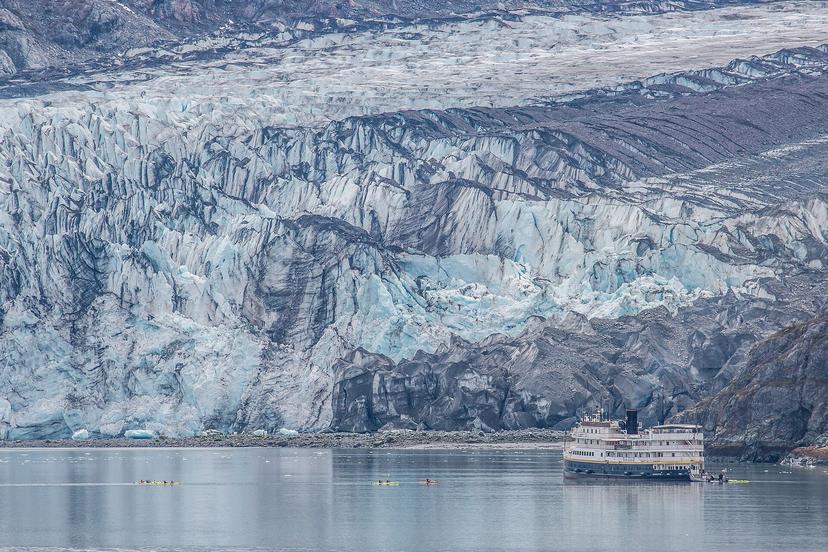

Search cruises
Every result shows the total for your cabin — taxes and port fees included.