Small Ship vs Big Ship Cruise: 200 Guests or 7,000, Choose Well
Ship size decides what cruising feels like: tender-only villages or floating cities. This comparison uses the fleet's extremes to show what scale gives and what it takes away. A big ship cruise earns its premium only when you will actually use the extra venues, and the side-by-side scoring below weighs them against the ports a smaller ship can reach.
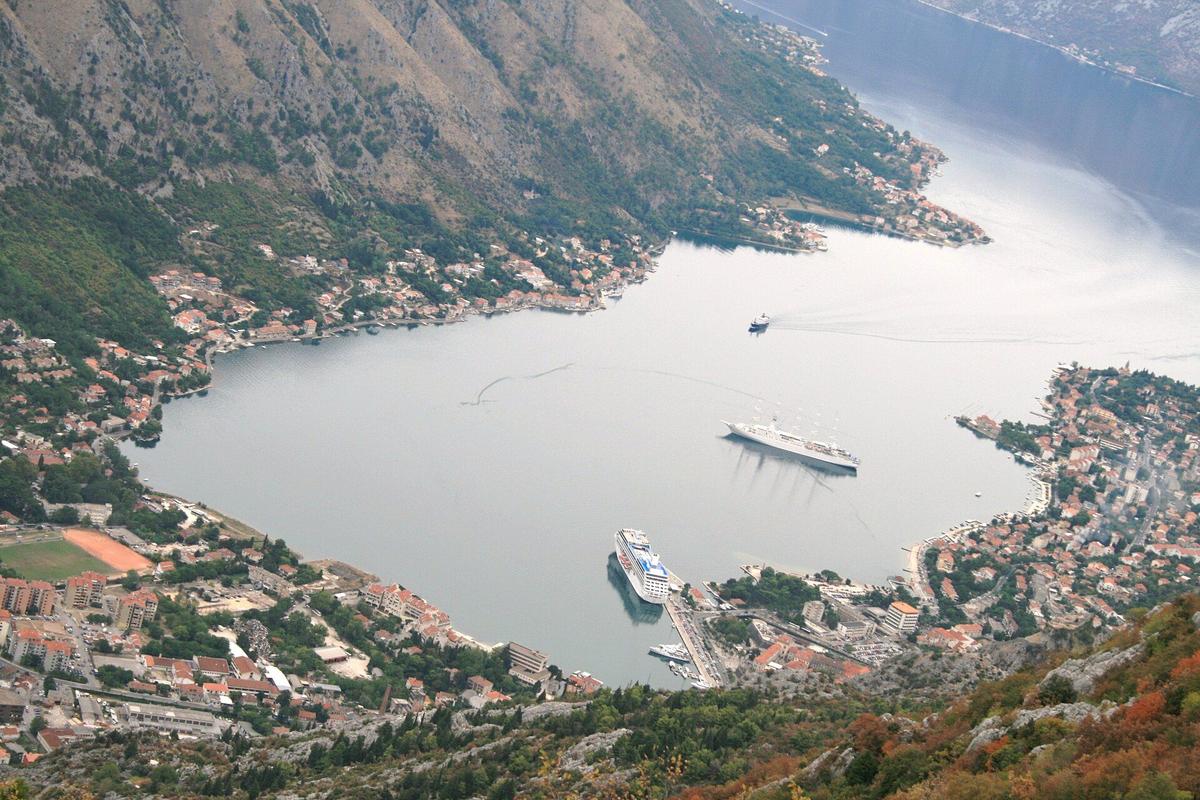
The small ship vs big ship cruise decision is the most consequential choice in cruising, because size is not a specification — it is the holiday's physics. A ship carrying a few hundred guests can nose into harbours with no cruise berth, empty its passengers ashore in minutes, and run a dining room where the staff learn your name by the second night. A ship carrying several thousand brings its own city: neighbourhoods, a waterpark, a dozen restaurants, queues at peak hour, and sea days that feel like a resort that happens to move. Neither is better. They are different products sharing a word, and this comparison lays out what scale gives and what it takes away at both ends.
Small ship vs big ship cruise: what scale changes on board
Space, queues and the shape of a day
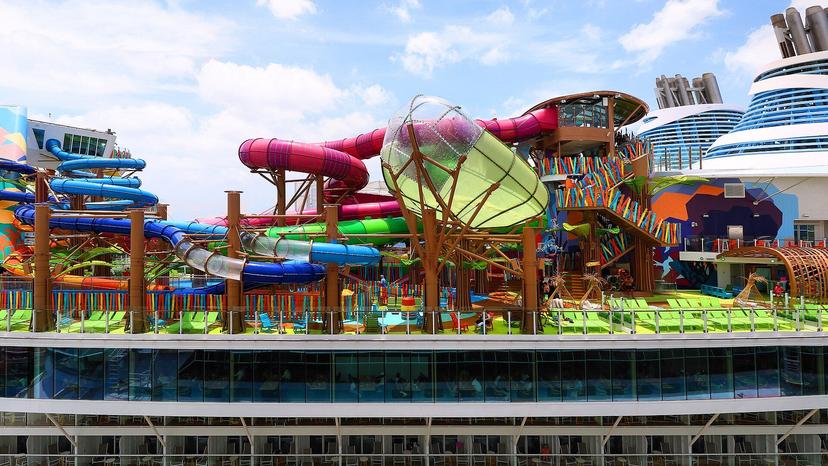
On a small ship, the day's geography is a five-minute walk. Embarkation is measured in minutes, the gangway rarely queues, tender boats leave when they fill rather than when a ticket group is called, and dinner is one or two rooms with open seating or a single sitting. On a mega-ship such as Icon of the Seas — which Royal Caribbean describes as part of the world's largest class of cruise ships, debuting in January 2024 — the day is an act of curation among abundance: seven pools, a six-slide waterpark, distinct neighbourhoods, and entertainment you book like theatre tickets. The cost of abundance is logistics — show reservations, peak-hour crowding at the buffet and the lifts, and the knowledge that you will not see most of the ship in a week. Our Icon of the Seas ship guide tours that end of the scale in full.
Motion, noise and sleep
Size is also a motion characteristic. Large ships ride heavy weather with a steadiness small ships cannot match, and their sheer mass damps the small movements that bother sensitive sailors in harbour chop. Small ships answer with intimacy: fewer late-night venues under your cabin, quieter corridors, and decks where the loudest sound is weather. Neither guarantees a good night's sleep — cabin position matters more than tonnage — but the failure modes differ, and they are worth weighing if you are a light sleeper or a nervous sailor. On the small ship the risks are weather and thin walls between you and a quiet ship's machinery; on the mega-ship they are the venue below, the atrium above, and four thousand neighbours who keep resort hours.
There is a social physics to scale as well. On a small ship you will dine within sight of the same faces all week, share tenders with them, and be greeted by name at breakfast; some travellers find that warmth the whole point, others find it a gentle obligation. On a mega-ship you can be gloriously anonymous, choosing company when you want it and solitude when you do not. Neither setting is friendlier in itself — they simply hand the choice to different people.
Small ship vs big ship cruise ashore: what scale changes in port and in the fare's shape
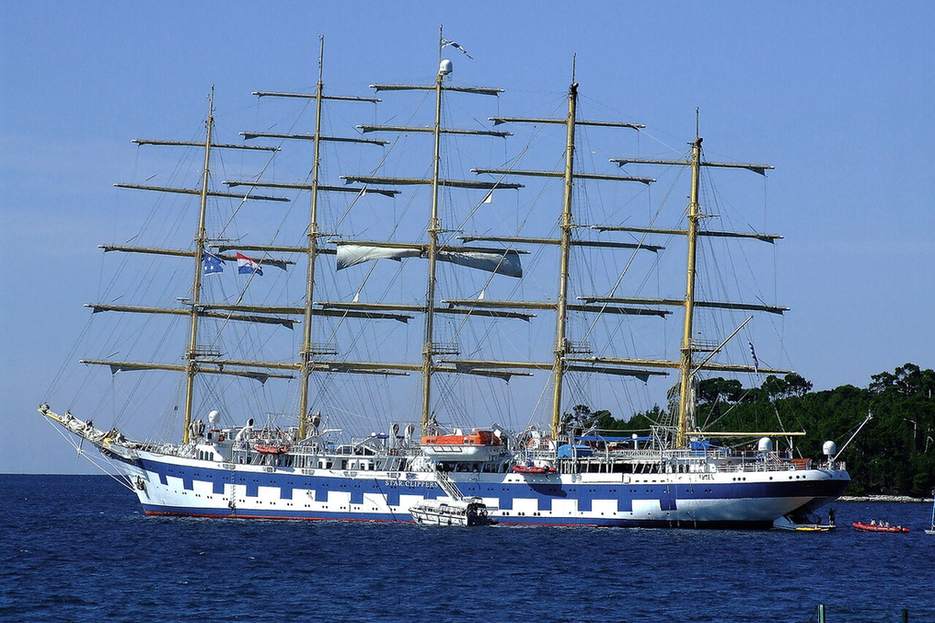
Ports: access versus infrastructure
This is where the decision bites hardest. Small ships work the tender-only villages, the up-river berths and the islands with no pier; their itineraries are built from places the big fleet physically cannot go. Mega-ships are confined to the major circuit — but the major circuit is major for a reason, with full terminals, tour infrastructure and private-island stops engineered for thousands. Expedition formats push the small end further still, landing by Zodiac under permit regimes; our guide to expedition cruises covers that territory. The referee's summary: small ships offer more possible maps; big ships offer more possible days.
| Dimension | Small ship (a few hundred guests) | Big ship (several thousand guests) |
|---|---|---|
| Embarkation and gangway | Minutes; rarely a queue | Terminal process; peak-hour queues are real |
| Dining | One or two venues; staff learn your habits | A dozen-plus venues, including paid speciality rooms to book ahead |
| Entertainment | Lectures, a lounge act, the destination itself | Production shows, waterparks, ice rinks, multiple live venues nightly |
| Ports | Tender villages, small harbours, up-river berths | Major ports and engineered private islands only |
| Sea days | Deck, book, conversation, scenery | A resort day — you cannot do everything |
| Fares shape | Higher per-day tendency in luxury small-ship segments; fewer cabin grades | Wide ladder from inside cabins to suites; more sale inventory |
| Fellow guests | You will know dozens by sight in days | Anonymity is available and often welcome |
The mid-size middle is not a cop-out
Between the poles sits the fleet's working majority — ships in the low thousands of guests — and dismissing them as a compromise misses what they actually are: the scale at which a ship can carry a real choice of restaurants and entertainment while still working a mixed itinerary of proper ports. Many first cruisers belong here by default, and many experienced ones stay here by preference. The extremes clarify the decision; they do not have to capture it. If neither pole pulls you, that is information, not indecision: book the middle, and let itinerary and fare fight it out.
Frequently asked questions
Is a small ship always more expensive?
Not automatically, but the structure differs. Small ships cluster in premium and luxury segments where more is bundled into the fare, while big ships sell a wide ladder from modest inside cabins upward. Compare total trip cost — fare plus what each style bundles or charges aboard — rather than the headline per-day figure, and compare on our ships page with both scales in view.
Which is better for children?
Big ships, and it is not close: kids' clubs by age band, waterparks, family neighbourhoods and other children in hundreds. Small ships suit older children who read, swim and explore ports happily, and families who want the destination, not the apparatus, to entertain.
Which is better for a first cruise?
A mid-size answer embarrasses the extremes: big enough to be steady and full of fallback options, small enough to learn in a day. If forced to the poles of this comparison, choose big for a family resort holiday and small for a destination-led one — the mistake is booking either by accident.
Do small ships feel the sea more?
Generally yes. Mass is a stabiliser, and a few-hundred-guest ship moves more in the same weather. Lines mitigate with hull form and stabilisers, and small-ship itineraries hug coasts and sheltered water by design, but a sensitive sailor should weight this factor heavily.
Conclusion: small or big, matched to the trip
The bottom line: a small ship vs big ship cruise choice is really a choice between a ship that serves the map and a ship that replaces it. If your list of dream ports includes villages with no pier, go small and accept the quieter evenings; if your dream sea day has a waterpark on it, go big and embrace the beautiful logistics. Either way, choose the scale on purpose — the fleet's full range is laid out on our ships page. A big ship cruise replaces the map with the vessel itself — and the ships page lays out the fleet’s full range, so the scale can be chosen on purpose.
See the deals, total price first
Every deal we list will show the total — fare, taxes and port fees included — before you pay. That is the rule the deals page is being built to.
Browse cruise dealsNever overpay after you book
Once sign-ups open at launch, our price-drop alerts will watch the sailing you care about and flag it when the fare moves.
About price-drop alerts

Search cruises
Every result shows the total for your cabin — taxes and port fees included.