Multigenerational Cruise Planning: Cabins, Pace and Togetherness
Three generations on one ship is a logistics problem disguised as a holiday. Cabin blocks, shared dinners and split-level port days - here is how families make it work. The multigenerational cruises that families rebook are the ones where nobody has to compromise on their whole day to keep the group together.
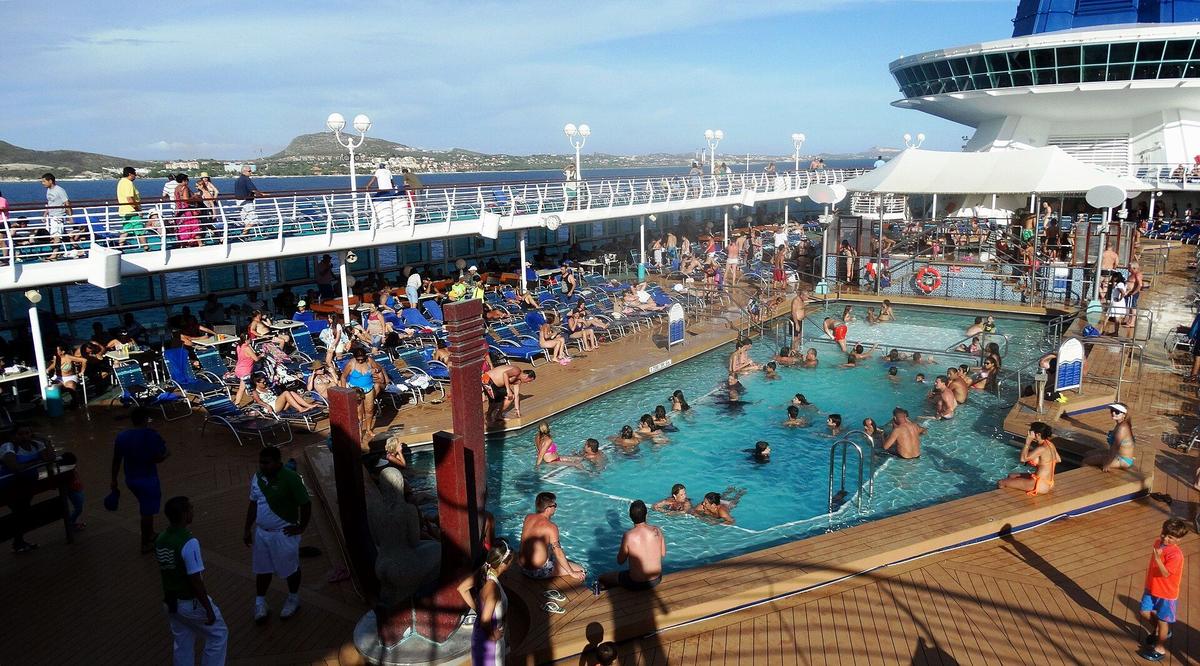
A multigenerational cruise is the family holiday format that ships were accidentally designed for: one vessel carrying a nursery graduate, a teenager, two parents and a grandfather, all fed, all entertained, all sleeping in the same moving building. CLIA's consumer guidance (checked October 2026) puts the pattern in numbers — roughly three quarters of cruisers sail with more than one generation, and about a third sail with three to five. The format's failures are never about the ship. They are about cabins scattered across nine decks, a pace set by the most energetic eight-year-old, and togetherness scheduled so tightly that nobody enjoys any. Plan the cabins, the dining anchor and the pace honestly, and three generations stop being a logistics problem.
The multigenerational cruise cabin block: proximity beats category
Same deck, near the lifts, doors close together
The instinct is to match every generation to its perfect cabin type: a suite for the grandparents, balconies for the parents, an interior for the teenagers. The better instinct is geography. Cabins on the same deck, in the same corridor, turn a ship into a neighbourhood — children can be walked to bed, grandparents can join breakfast without an expedition, and nobody spends the holiday in lifts. Connecting cabins, where a ship offers them, solve the parents-and-young-children problem precisely; adjacent cabins solve the teenagers-and-grandparents version. When you compare sailings on the destinations hub, treat "can this ship cluster us?" as a feature of the sailing, not an afterthought at checkout.
Accessibility is stated in policy, so use the policy
If anyone in the party uses mobility assistance, the conversation belongs at booking, in the terms the line itself publishes. Royal Caribbean's accessible-cruising guide (checked October 2026) describes its fleetwide provision concretely: accessible staterooms on every ship, doors 32 to 34 inches wide with no threshold, a five-foot turning radius, roll-in showers, and accessible shore excursions in more than four dozen ports, arranged through its accessible-excursions form — with a special-needs form requested at least 30 days before sailing for some equipment. Other lines publish their own versions. The referee's rule is simple: read the line's page, book the cabin the policy describes, and file the forms when the policy says to file them. Our cruising with kids guide covers the youngest generation's programmes; this post assumes them and plans around everyone else.
Pace and togetherness on a multigenerational cruise
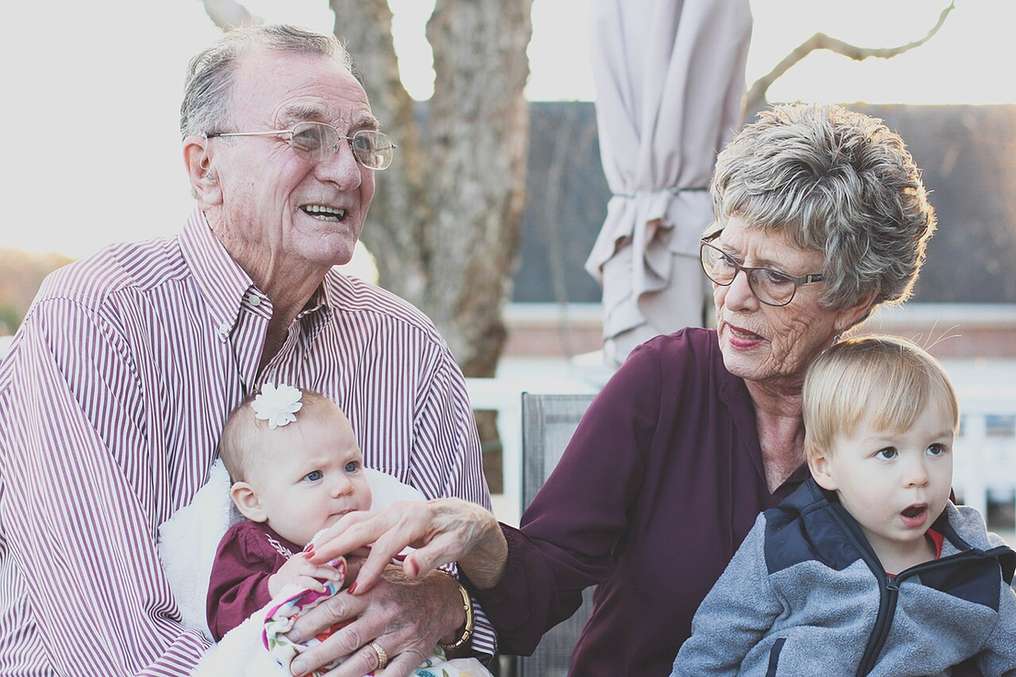
One anchor a day, and it is dinner
Families ruin these trips by scheduling togetherness hourly. The structure that works is a single daily anchor — dinner, at a shared table, at the earlier seating if the party spans toddlers and grandparents — and freedom on either side of it. Days split naturally: the ship's programmes absorb the young (Royal Caribbean's teen lounge, for instance, is built for ages 13 to 17, per the line's family pages, checked October 2026), the pool deck absorbs the middle, and the library, the lectures and the quiet bars absorb the senior wing. Dinner reassembles everyone with something to report. Togetherness that is chosen daily survives the week; togetherness that is mandated hourly does not survive day three.
| Generation | What they need from the ship | The planning fix |
|---|---|---|
| Young children | Programmes by day, early dinner, a cabin near the parents' | Connecting or adjacent cabins; the early seating as the family anchor |
| Teenagers | A space of their own and freedom inside agreed boundaries | A ship with a real teen venue; boundaries agreed before boarding |
| Parents | One anchor event, not twelve; time that is actually off duty | Split port days; let the programmes carry the daytime |
| Grandparents | Step-free routes, a sane pace, a cabin near the lifts | Accessible cabin booked under the line's published policy, forms filed on time |
Port days at two speeds
Plan each port as a shared morning and an honest split. The whole party does the gentle version together — the scenic drive, the town walk, the beach club with shade — and then the energetic branch breaks away for the hike, the snorkel or the zip line while the senior branch returns to the ship for lunch and a quiet afternoon. The split is not a failure of togetherness; it is what makes the shared dinner pleasant. Choose ports where both speeds exist within the same call, which is most mainstream ports in the destinations we cover — and be wary of the itinerary where every port is an expedition, because that itinerary has only one speed.
The money belongs to a different conversation
Three generations means at least two, usually three, different budgets paying into one booking — who covers the grandparents' cabin, whether the teenagers' berths are on the parents, how shared extras split. Those are rate and booking questions, and they have their own honest treatment in our guide to group cruise rates, including how lines structure multi-cabin bookings. Settle them there, before the deposit, in writing. The fastest way to sour a family sailing is to let the money stay vague until the final payment lands.
Frequently asked questions
How many cabins does a three-generation family usually need?
As many as the sleeping arrangements honestly require — the mistake is not the count but the scatter. Two or three cabins on one deck, near the lifts and near each other, outperform four perfect cabins on four decks. Work out the geography with the booking, not after it.
Can a grandparent who uses a wheelchair manage a cruise ship?
On mainstream ships, yes — with the booking done properly. Lines publish their accessible provision in detail: accessible staterooms across the fleet, step-free public routes, pool lifts and accessible excursions on Royal Caribbean's account. The conditions are that the right cabin is booked and the line's forms are filed when its policy asks — both booking-time tasks.
Should the whole family eat together every night?
One shared dinner a day is the anchor worth keeping; three shared meals a day is a regime. Let breakfast and lunch float with each branch's rhythm, and protect the dinner — it is where the holiday becomes a family memory instead of three parallel trips.
Is a multigenerational cruise better on a big ship or a small one?
Bigger ships carry the wider spread of programmes — nurseries to teen lounges to quiet bars — that three generations need simultaneously. Smaller ships suit families whose generations share tastes. If your party spans eight to eighty with genuinely different days in mind, the big ship's variety is the safer instrument.
Conclusion: the multigenerational choice, summed up
The bottom line: a multigenerational cruise succeeds on geography, anchors and pace — cabins clustered, one dinner together daily, port days run at two speeds, and accessibility booked under the line's own published policy. Get those right and the ship does the rest. Compare the sailings that can cluster your party on the destinations hub, and settle the multi-cabin money in the group rates guide before you deposit. Multigenerational cruises succeed on geography, anchors and pace — and the first-cruise guides treat the family party as the unit of planning, not the cabin.
See the deals, total price first
Every deal we list will show the total — fare, taxes and port fees included — before you pay. That is the rule the deals page is being built to.
Browse cruise dealsNever overpay after you book
Once sign-ups open at launch, our price-drop alerts will watch the sailing you care about and flag it when the fare moves.
About price-drop alerts
Search cruises
Every result shows the total for your cabin — taxes and port fees included.