Disney Cruises Explained: Why Families Pay the Premium
Disney runs a small fleet — eight ships in service as of October 2026 — against family demand that fills them, which is the structural reason fares sit at a premium and broad discounting is rare. That is the trade at the heart of Disney cruises: fewer ships and higher fares, bought back in family-focused design that other lines imitate but rarely match.
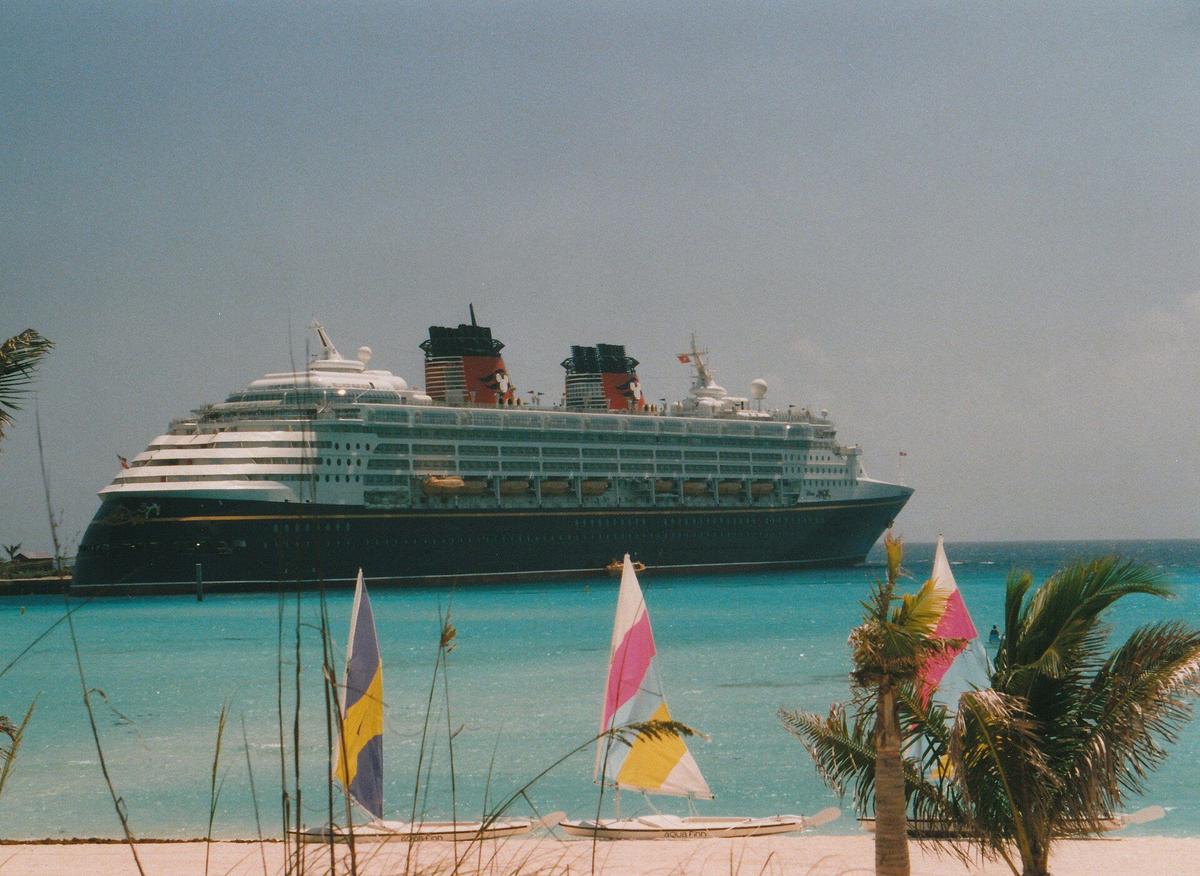
Get disney cruises explained honestly and the first fact is the uncomfortable one: Disney Cruise Line is the premium-priced mainstream line, and it stays that way on purpose. There is no hidden trick that unlocks a cheap Disney sailing, because the product is built around scarcity — a small fleet, very strong family demand, and entertainment intellectual property that no other line can legally copy. This guide explains the structure behind the price: the ships, the two private destinations, the rotational dining system, and why the discounting behaviour differs from every other line in this series. What it does not do is reprice a sailing for you. The numbers live in the Disney cruise cost breakdown, and the repricing rules — such as they are — live in the Disney Cruise Line price drop policy. This page owns the positioning question: what exactly are families paying for?
Disney cruises explained: the fleet, as of October 2026
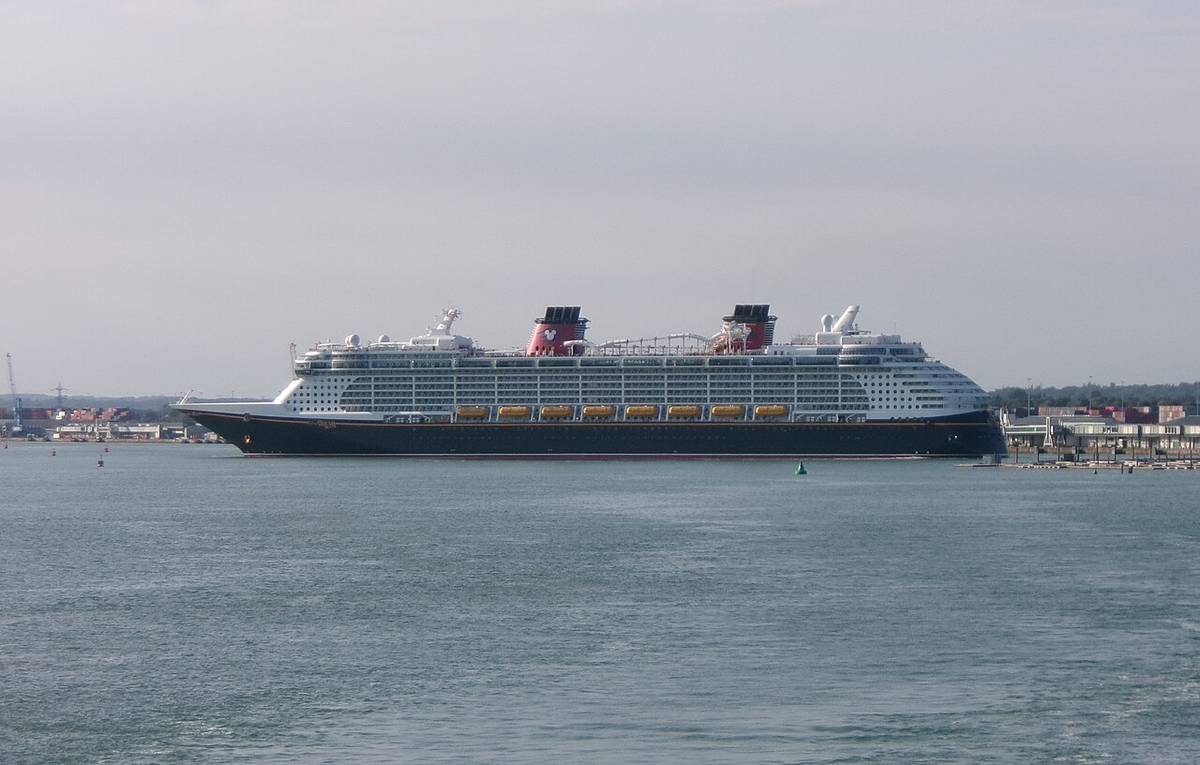
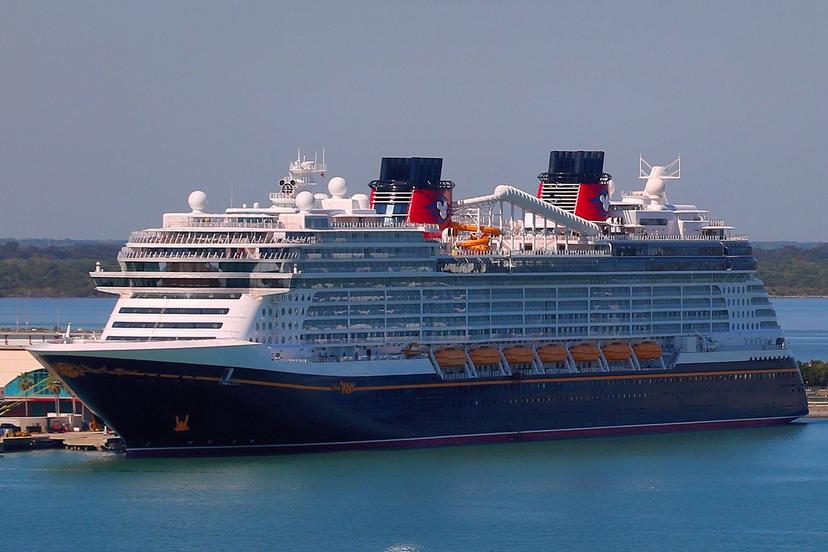
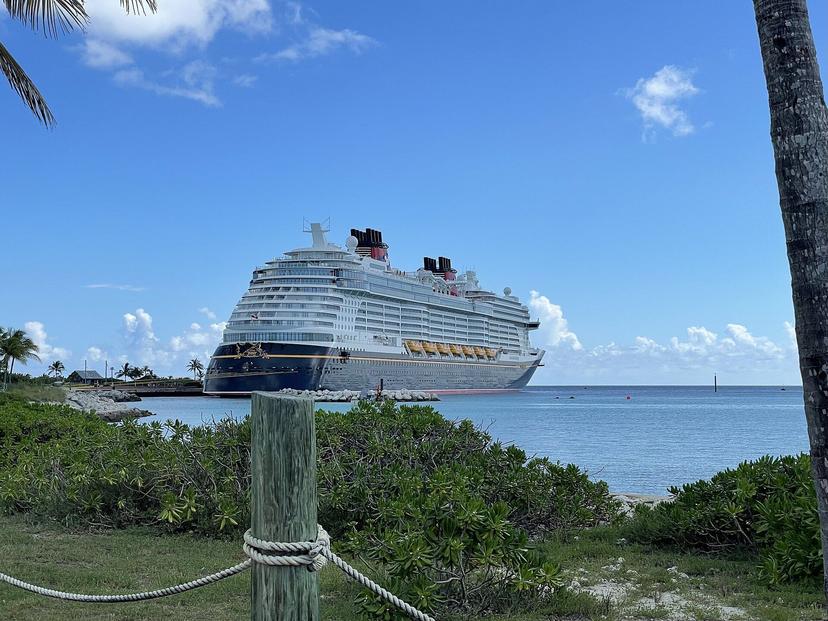
Disney's fleet growth explains a lot of the pricing story. For more than a decade the line sailed just four ships: Disney Magic and Disney Wonder, the original pair, and the larger Disney Dream and Disney Fantasy. A four-ship line selling to the world's largest family-holiday brand was always going to price from strength. The expansion since then, as Disney publishes it, runs: Disney Wish (2022), Disney Treasure (2024), Disney Destiny — launched in November 2025 with sailings from Fort Lauderdale and themed around heroes and villains — and Disney Adventure, which made its maiden voyage in March 2026 as the line's first ship homeported in Asia, sailing from Singapore. A further Wish-class ship, Disney Believe, is expected in late 2027 and is not yet in service. Full fleet detail is on Disney's official cruise line page.
| Fleet group (as published, October 2026) | Ships | Character |
|---|---|---|
| Original pair | Disney Magic, Disney Wonder | The smallest, most classic ships; varied itineraries including Alaska and repositioning sailings |
| Dream class | Disney Dream, Disney Fantasy | Larger ships built around week-long and short Caribbean and Bahamas programmes |
| Wish class | Disney Wish, Disney Treasure, Disney Destiny | The current generation: story-led venues, heroes-and-villains theming on Destiny |
| Asia ship | Disney Adventure | First Disney ship homeported in Singapore, from March 2026 |
Two consequences follow. First, even after expansion this remains a small fleet by the standards of the megaship lines — Disney sits in CLIA's member-line listing alongside operators running several times its ship count — so per-sailing inventory is limited and popular school-holiday sailings sell through rather than discount. Second, the ships are not interchangeable: itinerary choice is effectively ship choice, because each vessel is tied to a homeport and a programme — short Bahamas runs, week-long Caribbean sailings, Alaska seasons, or Singapore sailings on Adventure. Choosing a Disney cruise therefore starts with region and dates, and the ship follows from that, rather than the other way round.
What the Disney cruise premium actually buys
Strip away the marketing and the Disney fare buys three things competitors structurally cannot offer. The first is the intellectual property itself: character appearances, themed venues and shows drawn from Disney, Pixar, Marvel and Star Wars stories, presented by the company that owns them. Rivals can build excellent kids' clubs; they cannot put these characters on stage. The second is entertainment scale — full production shows in dedicated theatres are a centrepiece of the Disney product rather than an evening filler. The third is a service model built around families: youth spaces divided by age, family-focused cabin layouts on the newer ships, and dining arranged so that the same serving team follows guests through the voyage.
Rotational dining, in plain terms
Rotational dining is Disney's signature dining structure and the one first-timers most often misunderstand. Instead of one main dining room, each ship has several themed main restaurants. Guests rotate through them across the voyage on a set schedule — and their serving team rotates with them, so the crew learns the table's preferences while the room and menu change nightly. It is included in the fare, it removes the nightly "where shall we eat" negotiation, and it is genuinely different from the fixed-dining-room or book-everything models used elsewhere. Adult-exclusive speciality restaurants sit outside the rotation and outside this explainer; what they cost belongs to the cost breakdown, not here.
The private-island calls
The private destinations complete the picture. Castaway Cay, Disney's private island in the Bahamas, and Lookout Cay at Lighthouse Point, its newer destination on Eleuthera, appear across the Bahamas and Caribbean programmes. Both are operated as extensions of the ship for the day — beach, swimming and family areas ashore, with the ship alongside or at anchor. For many families these calls are the itinerary's highlight, and they are available only on Disney sailings, which is precisely the point: they are part of what the premium defends.
Disney cruises explained: why the discounting is different
Every other explainer in this series describes a line whose fares move — promotions cycle, resident and past-guest rates appear, and patient bookers can sometimes catch a better number. Disney is the outlier, and pretending otherwise would be dishonest. The line's pricing is demand-led: with a small fleet and a customer base that plans family holidays far ahead, Disney has historically had little need to stimulate demand with public discounting, and no standing public promise that fares will fall after booking. When offers do appear, they tend to be narrow — tied to specific sailings, dates or eligibility — rather than across-the-board sales.
That has practical consequences for how to book. The referee's advice is sequencing, not bargain-hunting. Choose the sailing on its merits, understand from the Disney cruise cost breakdown what the fare does and does not cover so the comparison with other lines is like-for-like, and read the Disney Cruise Line price drop policy before assuming a later price movement can be captured — Disney's position there is the least generous in this series, and it is better learned before booking than after. None of this means a Disney cruise is bad value. It means the value case has to be made on the product — characters, shows, rotational dining, the private islands — because it will rarely be made on a discount.
Castaway Club, briefly
Loyalty fits the same pattern. The Castaway Club, Disney's past-guest programme, counts completed sailings rather than nights or spend: as Disney publishes it, Silver follows a first completed cruise, Gold follows five, Platinum ten, and Pearl — the top tier, added for the line's 25th anniversary — twenty-five. The benefits that matter are earlier booking windows for new itineraries and onboard activities, plus recognition touches; a complimentary adult-dining experience arrives at the higher tiers. What Castaway Club status does not do is unlock a standing fare discount, which is consistent with everything above. The full cross-line picture is in the loyalty comparison linked from the cruise lines overview.
Frequently asked questions
How many ships does Disney Cruise Line have?
Eight in service as of October 2026, as Disney publishes them: Disney Magic, Disney Wonder, Disney Dream, Disney Fantasy, Disney Wish, Disney Treasure, Disney Destiny and Disney Adventure. A further Wish-class ship, Disney Believe, is expected in late 2027. It remains a small fleet next to the largest lines, which is central to how Disney prices.
Why are Disney cruises more expensive than other lines?
Structure, not a single surcharge. A small fleet faces very large family demand, school-holiday sailings sell through, and the product includes storytelling, characters and production shows that only Disney can offer, plus calls at its own private destinations. With ships filling at premium fares, the line has little commercial reason to discount broadly.
What is rotational dining on a Disney cruise?
Guests rotate through several themed main restaurants across the voyage on a published schedule, and their serving team rotates with them. The room, theme and menu change each night while the crew stays the same. It is included in the fare and is the standard dinner arrangement across the fleet.
Does Disney ever offer discounts?
Disney's public pricing is demand-led and broad, line-wide discounting is not its pattern; offers, when they appear, are typically narrow and tied to particular sailings or eligibility. There is no standing promise to reprice a booking if fares move. Judge any specific offer on its own published terms, and read the linked price-drop policy post before relying on capturing a later reduction.
Conclusion
With disney cruises explained in structural terms, the decision becomes refreshingly simple. If the characters, the production shows, rotational dining and a day at Castaway Cay or Lookout Cay are the holiday your family actually wants, Disney is selling something nobody else can sell, and the premium is the price of that exclusivity. If those elements are nice-to-haves rather than the point, other lines will take you to similar seas for less, and the honest comparison is the total-cost one. Either way, start from the full line-up and how each line positions itself on the cruise lines page, then let the product — not a hoped-for discount — make the decision. The disney cruises page gathers this guide with the cost breakdown and the price-drop policy, so the whole line can be weighed without hunting across the site.
See the deals, total price first
Every deal we list will show the total — fare, taxes and port fees included — before you pay. That is the rule the deals page is being built to.
Browse cruise dealsNever overpay after you book
Once sign-ups open at launch, our price-drop alerts will watch the sailing you care about and flag it when the fare moves.
About price-drop alerts

Search cruises
Every result shows the total for your cabin — taxes and port fees included.