Cruising With Teens: The Age Where Cruises Quietly Shine
Teenagers are the easiest cruise passengers afloat - if the ship has a teen scene and the rules are agreed before boarding. Here is the parents' and the teens' version of the deal. Cruising with teenagers works when the teen club, the Wi-Fi rules and the port-day freedom are all settled at the dinner table before embarkation day.
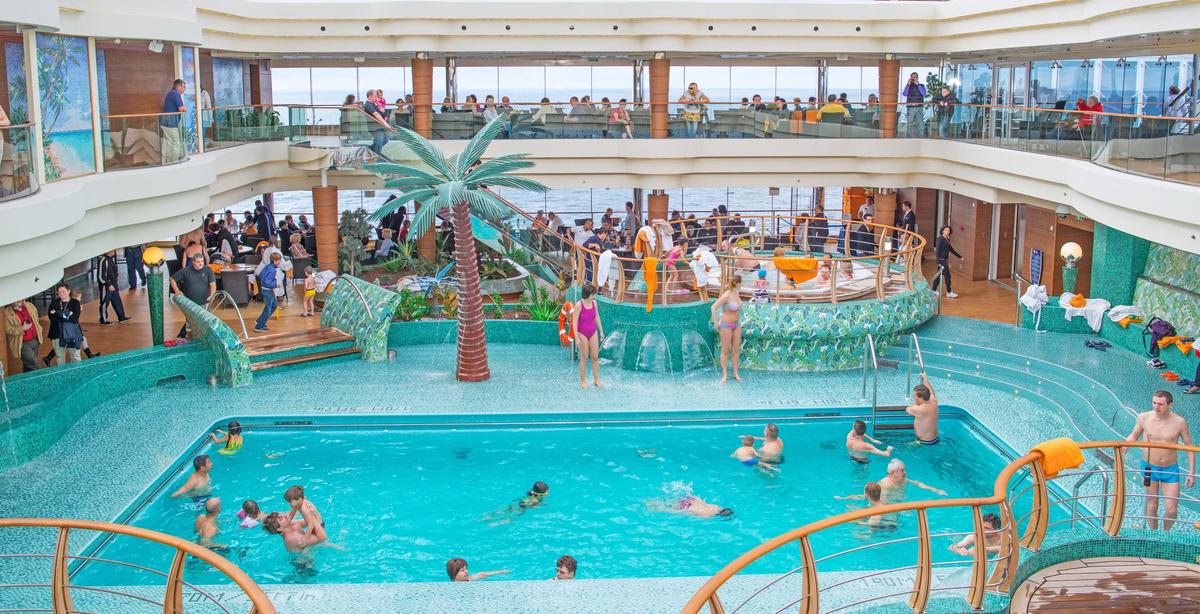
Cruising with teens is the family holiday's best-kept secret, because a ship solves the teenager problem structurally. A teen on a land holiday is a prisoner of the family's car and itinerary; a teen on a ship has a venue of their own, a bounded world they can roam, friends their age by the second evening, and parents who are — crucially — somewhere else on the same vessel, having a good time too. The format fails only when it is booked carelessly: a ship with a token teen corner, rules improvised on day three, or a cabin arrangement nobody priced honestly. Book the teen scene as deliberately as the itinerary, agree the freedom rules before boarding, and this age band becomes the easiest the family will ever travel with.
Cruising with teens starts with the venue, not the itinerary
What a real teen programme looks like, as published
Royal Caribbean's family pages (checked October 2026) describe the benchmark plainly: a complimentary teen lounge for ages 13 to 17, with music, films, video games, an outdoor patio on ships that carry one, and programmed events from karaoke and sports competitions to the silent disco — with the venue's name and format varying by ship (the line lists names such as Social100 and Fuel across its fleet). Carnival splits its teen offer into a younger and an older club — Circle "C" for ages 12 to 14 and Club O2 for ages 15 to 17, per Carnival's official help centre (checked October 2026) — on the same logic: a thirteen-year-old and a seventeen-year-old are not one audience. The checks that matter are therefore concrete. Does your ship have a dedicated teen space, or a corner of the kids' club? What are its published age bands? Does the programme run into the late evening, when teens actually socialise? The line's page for your exact ship answers all three; a fleet brochure answers none.
Why the bounded ship is the point
CLIA's consumer guidance makes the industry's version of the argument: supervised children's programmes and age-grouped activities are among the reasons families rate cruising highly. For teens the supervision is lighter and the boundary is the ship itself — a teen can be unreachable for an afternoon inside a world that is, by construction, finite, staffed and lit. Parents get the reciprocal gift: evenings that belong to them. Our cruising with kids guide covers the younger years, where the parent's job is presence; the teen years invert it, and the parent's job is architecture — the right ship, the right rules, then absence.
The freedom contract: cruising with teens without the day-three negotiation
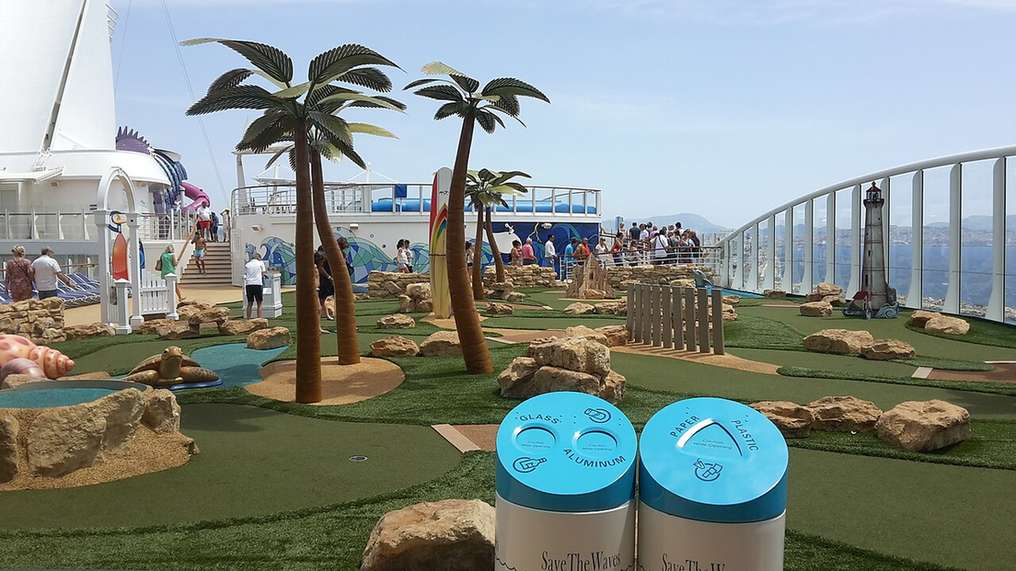
Agree the fences at home
Freedom at sea works when its fences are boring and pre-agreed. The four that matter: a check-in rhythm (a place and time the teen surfaces, in person, daily); a lights-out expectation the family sets for itself; a spending rule for the onboard account, because arcade credits, mocktails and merch are all one tap away; and a port rule — which ports are wander-together ports and what "together" means at each. None of these are the line's rules, and that is the point: lines publish venue ages and programme hours, but the family contract is yours, and it is far easier to sign at the kitchen table than to draft it in a corridor on day three.
| Teen freedom | The fence to agree at home | Why it matters at sea |
|---|---|---|
| Roaming the ship | A daily in-person check-in, place and time fixed | Freedom stays trusted, and parents stay relaxed |
| The onboard account | A spending limit and a nightly folio glance together | Arcades and extras bill quietly; surprises bill loudly |
| Evenings | A family-set return time for the cabin | The teen programme runs late; the family decides how late is late |
| Port days | Which ports are together ports, stated per port | Ports differ; one rule cannot fit a beach club and a capital city |
The cabin question and the honest costs
Teens change cabin maths twice. First, comfort: a third or fourth berth in the parents' cabin is a real bed with a real occupant who is now adult-sized, and the cabin that slept a family of four in the brochure sleeps a family of three in fact. Second, price: the third and fourth guest in a cabin are priced by their own mechanics — sometimes a genuine bargain, never the free berth the headline implies. Those mechanics have their own full treatment in third and fourth guest cruise fares; read it before deciding between one cabin and two, because for many teen families the second cabin — two bathrooms, two doors that close — is the purchase that saves the holiday. Add the teen-shaped costs honestly as well: the arcade, the specialty shakes, the excursion with their name on it. None are large; together they are a line in the budget, and budgets written down do not become arguments.
Frequently asked questions
What ages do cruise ship teen clubs cover?
The published benchmark is 13 to 17 for a single teen lounge on Royal Caribbean's account, with the venue's name and layout varying by ship; Carnival splits the band into a younger club and an older club — Circle "C" for ages 12 to 14 and Club O2 for ages 15 to 17, per its official help centre (checked October 2026). Always read the band for your ship — a twelve-year-old and an eighteen-year-old both fall outside most lounges, in opposite directions, and both facts matter at booking.
Can teens explore ports on their own?
That is a family's decision inside the line's and the port's rules, which vary — lines set their own policies on unaccompanied minors ashore, and they are stated in the booking terms, not the brochure. Most families make the first port a together port and loosen by agreement; whatever you decide, decide per port, in advance.
Are teen programmes included in the fare?
On the lines that publish them, the core programme — the lounge, the hosted activities, the events — is described as complimentary, as on Royal Caribbean's family pages. The spending around it is not: arcade play, specialty drinks and merchandise run through the onboard account, which is why the spending fence belongs in the family contract.
Is one cabin enough for a family with teenagers?
Sometimes — and the berths deserve a sceptical read. A third or fourth berth that suited a nine-year-old may not suit a sixteen-year-old, and two cabins buy a second bathroom and real privacy for both generations. Price both arrangements as full totals, with the third-and-fourth-guest mechanics understood, before the headline fare decides for you.
Conclusion: teens aboard, given real freedom
The bottom line: cruising with teens shines when the ship carries a real teen scene and the family's freedom rules are signed at home — venue checked on the line's page for your ship, fences agreed, cabin priced for its actual occupants. Choose the sailing on those terms from the destinations hub, and the teenagers may rate it the family's best holiday before the parents do. The secret of cruising with teenagers is structural — a venue of their own, a bounded world to roam — and the first-cruise guides are written for families working with that structure, not against it.
See the deals, total price first
Every deal we list will show the total — fare, taxes and port fees included — before you pay. That is the rule the deals page is being built to.
Browse cruise dealsNever overpay after you book
Once sign-ups open at launch, our price-drop alerts will watch the sailing you care about and flag it when the fare moves.
About price-drop alerts

Search cruises
Every result shows the total for your cabin — taxes and port fees included.