Barcelona Cruise Port Guide: Moll Adossat, Airport Timing and Bags
Assume your ship uses Moll Adossat: the Port de Barcelona has transferred cruise activity to the Adossat dock, and the Barcelona Nord terminal handled its last cruise ship in October 2023. The most useful barcelona cruise port tips start there: allow time for the shuttle or taxi from Adossat, and keep the terminal transfer separate from sightseeing plans.
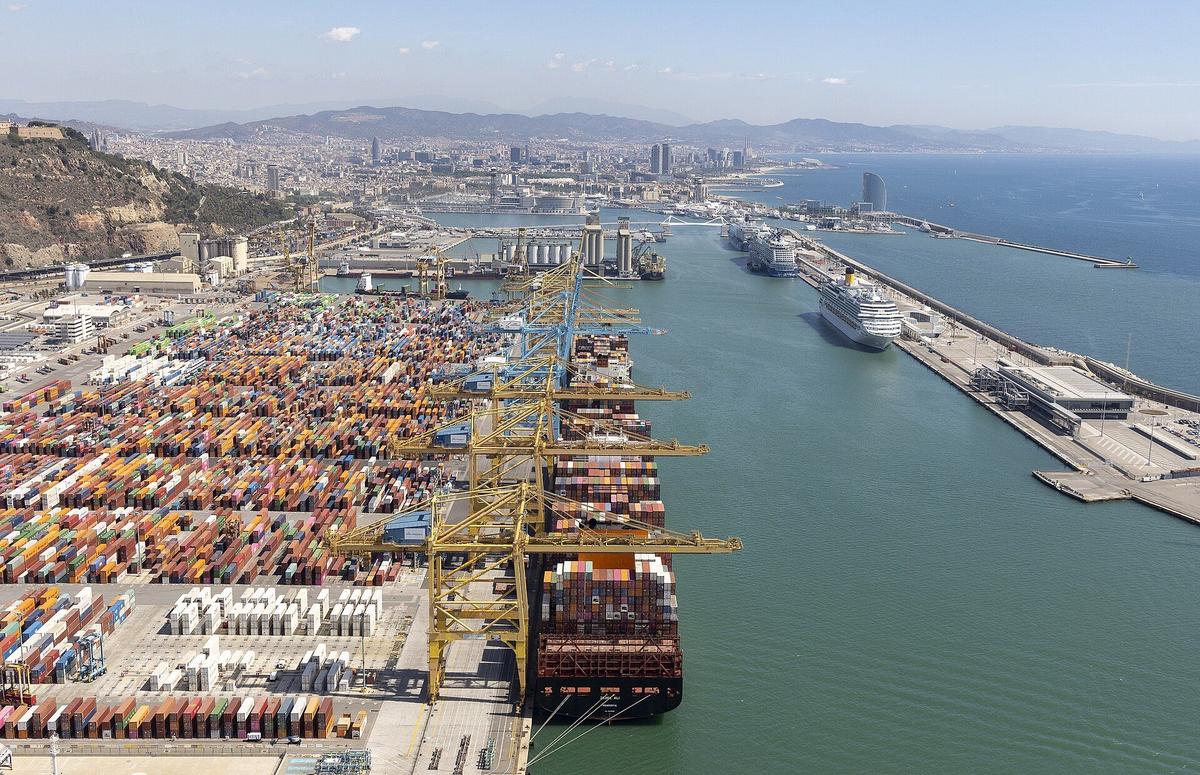
This barcelona cruise port guide is written for the fly-cruiser, because that is who Barcelona serves: most passengers arrive by air, sleep in the city, and board a ship that is, for one day, part of the port landscape south of the old town. The port has also changed shape in ways older guides still get wrong. Cruise activity has been consolidated onto one quay — Moll Adossat — and the near-city terminals that once let passengers walk off the ship into the old town are being retired under a formal agreement between the port and the city. Plan for the port as it is now, not as it was five years ago.
Barcelona cruise port guide: Moll Adossat is the port now
The Port de Barcelona's own account of its agreement with Barcelona City Council is unambiguous. On 2 October 2023 the port said goodbye to the last cruise ship operating at the Barcelona Nord dock, and all cruise activity was transferred to the Adossat dock. Operations at the Barcelona South wharf — the World Trade Center side, long the walkable exception — are expected to come to an end by the end of 2026. The same protocol caps the port at a maximum of five cruise terminals by 2030, all of them on Moll Adossat, with one public terminal and four private terminals, and its published chronology has Terminal C demolished and a new Terminal G completed during 2026, with Terminal G operational from 2027.
What the consolidation means on the day
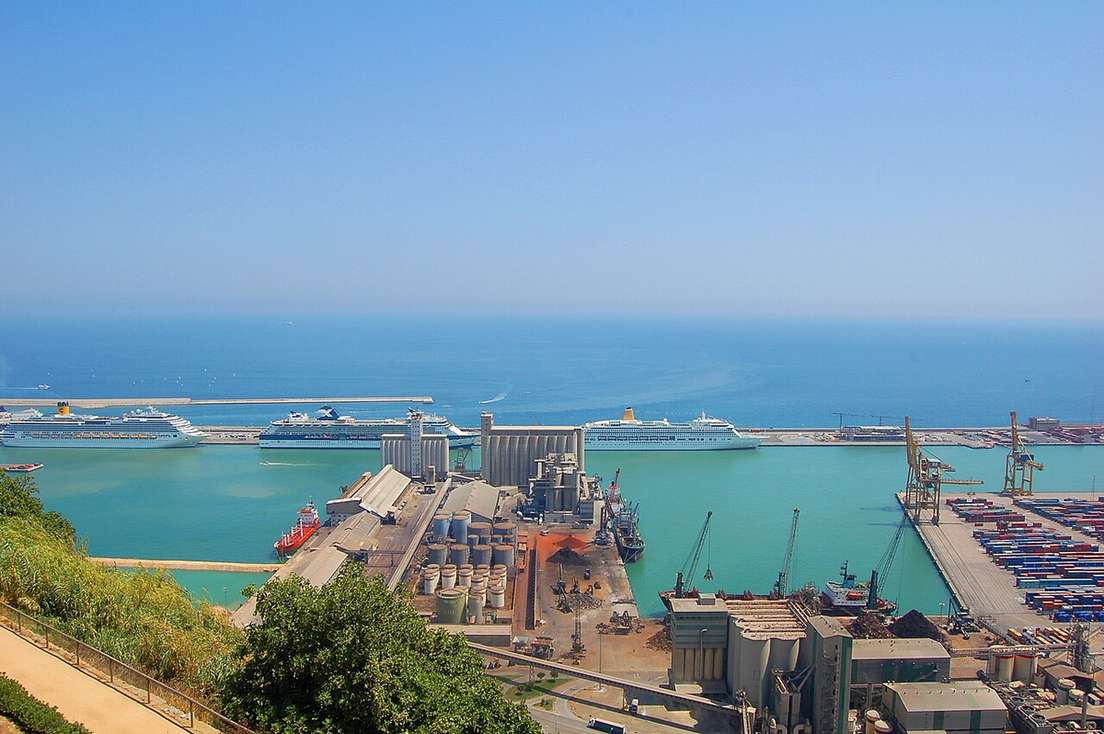
For a passenger, the operational meaning is simpler than the redevelopment story. The Moll Adossat terminals — the lettered terminals along the quay, including the dedicated terminals operated for major groups — are where embarkation happens. They sit across the water from the old town, reached by road over the port bridge, inside a working port area. There is no pedestrian stroll from gangway to La Rambla. Older guides that direct passengers to "the World Trade Center terminal, a short walk from the Columbus Monument" are describing a port that is being wound down; if your documents name a terminal, follow the documents, and if they name Moll Adossat — as most now will — plan the transfer as a real leg of the journey.
| Area | Status, per Port de Barcelona as of October 2026 | What it means for passengers |
|---|---|---|
| Moll Adossat terminals | The consolidated home of cruise activity | Plan a shuttle, taxi or line transfer to the city and airport |
| Barcelona Nord (World Trade Center North) | Last cruise ship departed 2 October 2023 | Do not plan around this terminal |
| Barcelona South (World Trade Center South) | Operations expected to end by end of 2026 | Only if your documents name it — and re-confirm close to sailing |
Airport timing in this barcelona cruise port guide
Barcelona–El Prat Airport, operated by Aena, is the fly-cruise gateway, with its two terminals, T1 and T2, handling the arrivals that feed the port. The airport-to-port journey is a road transfer across the southern edge of the city, and its duration is hostage to the same variables as any big-city airport run: time of day, day of week and the volume of cruise traffic moving the same way on the same morning. This guide quotes no fixed transfer time and no taxi fare, because both are set locally, vary in practice, and are exactly the kind of figures that go stale in print — the honest planning unit is not minutes but margin.
The margin rules are the standard fly-cruise rules, applied strictly. Arrive the day before embarkation; a same-day international arrival connecting to a sailing concentrates every delay risk — flight, baggage, transfer, check-in queue — into a single morning with no recovery option. If the cruise is the centrepiece of the trip, the extra hotel night is the cheapest insurance in the whole booking. On disembarkation day, reverse the logic: resist the earliest flight home. The ship's clearance, baggage reclaim, the road transfer and a major international airport's check-in and security all stand between the gangway and the gate, and none of them compresses because a flight is tight. Travellers building the wider trip around the sailing will find itinerary structure in the Mediterranean cruise guide and the contrasting northern season in the northern Europe cruise guide.
Bags between hotel and ship
Bags deserve their own decision. A Barcelona embarkation day often includes a hotel check-out in the morning and a check-in window in the early afternoon, with the gap spent either sightseeing or waiting. Dragging checked luggage through the Gothic Quarter is the failure mode; the working options are leaving bags at the hotel after check-out where the hotel allows it, using a city luggage-storage service, or timing the day so the transfer to Moll Adossat is the last move before check-in opens. On the return, passengers with a late flight face the mirror-image problem in the city rather than at the port, and the same storage logic solves it. None of this is exotic — it is simply the part of a fly-cruise that nobody sells, and the part that most shapes how the first and last days feel.
Port charges, money and embarkation-day practicalities
Barcelona applies local charges connected with cruise passengers and tourism, and those charges change by regulation — amounts are adjusted, restructured and debated publicly, and a figure printed in a guide can be wrong by the time a sailing departs. For that reason this guide describes the category without inventing a number: expect that local cruise-related charges may form part of the taxes and fees attached to a Barcelona sailing, set by the competent local authorities rather than by the cruise line, and look for them itemised in the fare breakdown rather than treating them as an onboard surprise. If an exact current amount matters to a budget, the port and city sources are where it lives, dated — not a third-party guide.
Check-in windows and line transfers
Embarkation itself follows the European fly-cruise pattern. Check-in windows are assigned by the line, documents for Mediterranean itineraries mean passports for most non-EU travellers and national ID or passport arrangements for EU citizens, and the terminal process at Moll Adossat is built for volume: expect bag drop outside or at the terminal entrance, then security and check-in inside, then a walk to the ship. Arriving inside the assigned window matters more than arriving early; the terminals are transit spaces, not places designed for a long wait, and the city a short transfer away is a better use of a spare hour than a departure hall.
Getting back into the city after check-in
One more practical note follows from the port's geography. Because Moll Adossat is an active port area, the transfer between city and terminal is vehicle-based by design: line transfers, the port shuttle connection toward the city, taxis and pre-booked cars are the realistic menu. Build the cost and the timing of that leg into the day rather than discovering it at the kerb, in either direction.
Frequently asked questions
Which terminal will my Barcelona cruise use?
Almost certainly one of the Moll Adossat terminals. The Port de Barcelona states that all cruise activity was transferred to the Adossat dock after the last cruise ship left Barcelona Nord on 2 October 2023, and that Barcelona South operations are expected to end by the end of 2026. Your cruise documents name your specific terminal — follow them over any general guide.
Can I walk from the Barcelona cruise terminal to La Rambla?
Plan not to. That walk belonged to the World Trade Center-side terminals, which the port is retiring under its agreement with the city. Moll Adossat lies inside the working port across the water from the old town, and the realistic options are a shuttle, taxi, line transfer or pre-booked car.
How long should I allow between El Prat Airport and the port?
Allow margin rather than a number. The transfer is a city road journey whose duration varies with traffic and cruise-day volume, and this guide deliberately quotes no fixed time or fare. Fly in the day before embarkation, and on disembarkation day book a flight home with hours — not minutes — between the ship and the departure.
Are there extra local charges for cruising from Barcelona?
Local cruise-related and tourism charges exist in Barcelona and are set by the local authorities, not the cruise line, and they change by regulation. Expect them, where they apply, inside the taxes and fees of the fare rather than as a separate surprise — and check current official port or city sources for any exact amount, since this guide does not print a figure that regulation can outdate.
Conclusion: this barcelona cruise port guide in one idea
The whole of this barcelona cruise port guide comes down to updating one mental picture: Barcelona's cruise port is Moll Adossat now — a consolidated, vehicle-served quay south of the old town — and a good embarkation day is built on that fact, with a day-early flight, a planned transfer and a luggage plan for the hours in between. Get those three right and the city is a pleasure attached to a sailing. To compare Barcelona with the other great departure ports before committing, start from the ports index at MyCruiseDiscount.com, where each port is laid out in the same practical terms. Behind those three moves sits one fact — the port is now a single quay — and thebarcelona cruise port tips in this guide are built on it: day-early flight, planned transfer, luggage plan.
See the deals, total price first
Every deal we list will show the total — fare, taxes and port fees included — before you pay. That is the rule the deals page is being built to.
Browse cruise dealsNever overpay after you book
Once sign-ups open at launch, our price-drop alerts will watch the sailing you care about and flag it when the fare moves.
About price-drop alerts

Search cruises
Every result shows the total for your cabin — taxes and port fees included.