Eastern vs Western Caribbean Cruise: Ports, Beaches and Sea Days
First-time Caribbean cruisers face one fork: east or west. This head-to-head compares port character, sea-day rhythm and departure ports - then lets the two wave-1 guides go deep. A western caribbean cruise leans on sea days and Mayan-coast ports while its eastern twin leans on island density, and the scoring below matches each half to the traveller it suits.
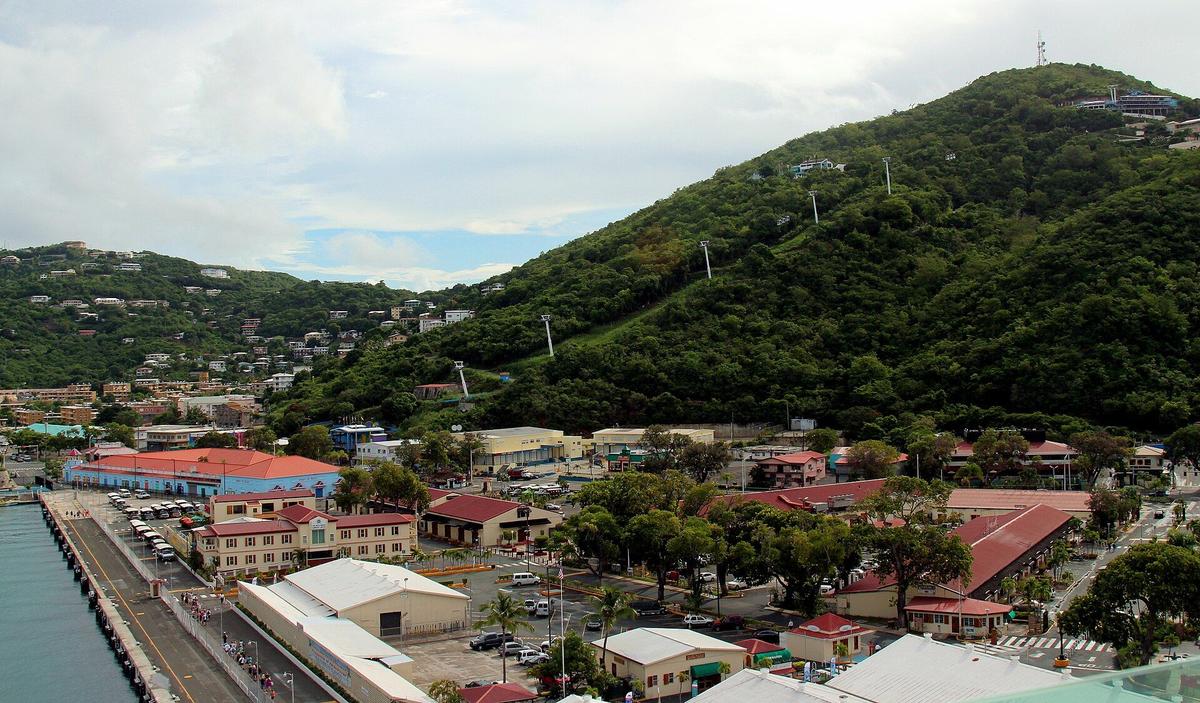
The eastern vs western Caribbean cruise decision is the first fork in Caribbean cruising, and it is a fork of character, not quality. East, the classic loop runs to San Juan, St Thomas and St Maarten: old colonial streets, duty-free shopping streets a few steps from the pier, and beaches strung along island after island. West, the loop runs to Cozumel, Jamaica and Grand Cayman: Maya ruins on the mainland's edge, reef water, waterfall country and a slower, greener feel. Both are "the Caribbean cruise" of the brochures; they deliver noticeably different weeks. This page exists to compare the two halves and help you pick your side — deliberately without re-walking the ports. The deep port-by-port detail lives in our eastern Caribbean cruise guide and western Caribbean cruise guide, and a comparison that duplicated them would serve nobody.
Eastern vs western Caribbean cruise: the character of each half
East: towns, shopping and beach days in quick succession
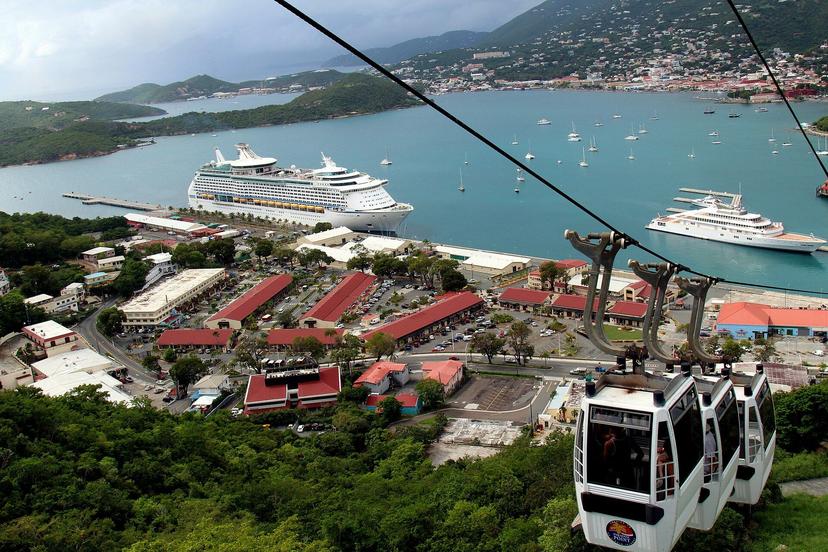
The eastern loop is the Caribbean as a string of port towns. San Juan offers the region's best walk-off-the-ship old city — centuries of Spanish colonial streets within sight of the pier — while St Thomas pairs beaches with the duty-free shopping its port district is built around: the Virgin Islands Port Authority, which owns and manages the territory's seaports including the Crown Bay cruise district on St Thomas (checked October 2026), is currently redeveloping that district with a new berth for the largest vessels — a fair signal of how central the eastern loop remains. St Maarten adds the two-nation novelty, Dutch and French sides on one small island. The rhythm is port-forward: distances between the eastern islands are short, so itineraries can stack calls closely, and sea days are fewer — good for travellers who cruise to go places, less good for those who cruise to be on a ship. Beach quality is high and varied, and private-island stops in the Bahamas are frequently attached at one end of the loop.
West: reefs, ruins and the green Caribbean
The western loop trades town density for landscape. Cozumel is the hinge: an island of reef diving and beach clubs facing a mainland dense with Maya sites, so a single call can be a snorkel day or a ruins day depending on the traveller. Jamaica brings the region's strongest sense of place — waterfalls, river tubing, music and food with an identity that survives the port area — and Grand Cayman delivers the west's signature water: the Port Authority of the Cayman Islands runs the George Town waterfront where ships anchor and tender ashore (checked October 2026), gateway to Seven Mile Beach and the Stingray City sandbar. Distances are longer than in the east, which is why western loops characteristically breathe more: a sea day out, a sea day back, and ports given full days rather than quick halves. Travellers who love the ship itself often prefer the west for exactly that rhythm; travellers who measure a cruise in ports per dollar of effort usually prefer the east.
| Decision factor | Eastern Caribbean | Western Caribbean |
|---|---|---|
| Signature day | Old-town wandering, shopping and a beach in one call | A reef, a ruin or a waterfall as the day's single big excursion |
| Port style | Walk-off port towns: San Juan, Charlotte Amalie, Philipsburg | Excursion ports: Cozumel, Falmouth and Montego Bay, George Town |
| Sea-day rhythm | Typically port-denser, fewer sea days | Typically a sea day each way, longer port days |
| Natural homeports | Florida ports and San Juan | Galveston and the Gulf ports, plus Florida |
| Private islands | Frequently attached via the Bahamas | Featured on many loops via Jamaica-side and Belize-side stops |
| Suits best | First-timers who want variety per day; shoppers; beach collectors | Divers and snorkellers; excursion-led travellers; ship-lovers |
Eastern vs western Caribbean cruise: making the call
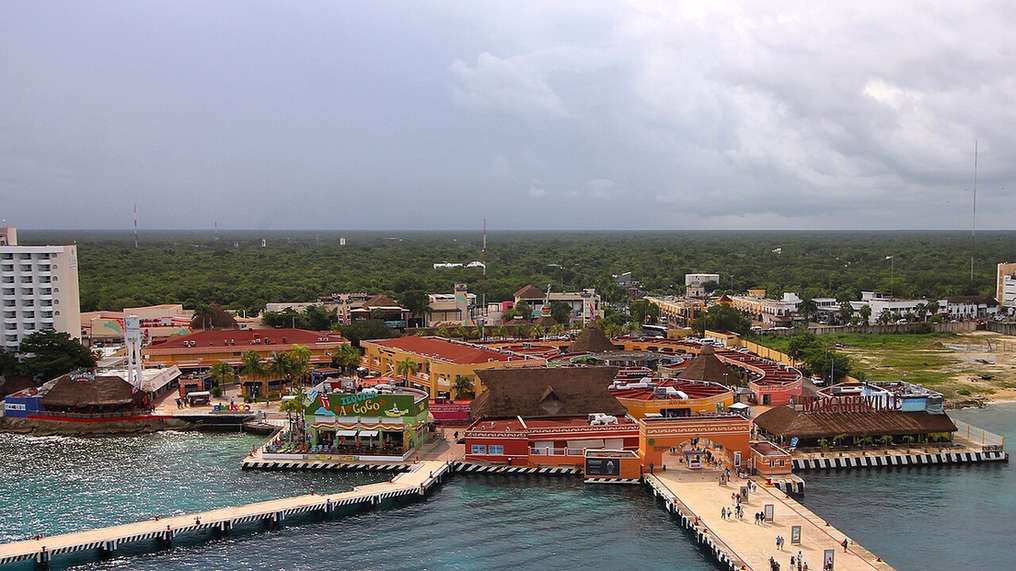
The questions that actually decide it
Three questions settle this choice faster than any port list. First: what is your day for? If the honest answer is "wander, shop, swim, repeat," the east's town-and-beach density wins. If it is "one great excursion a day," the west's reef-ruin-waterfall menu wins. Second: where do you embark? Gulf-coast travellers sailing from Galveston are shopping in the west's home waters, and Florida travellers have both halves in easy reach — fighting geography for the other half costs travel days that could have been port days; the departure-port detail sits inside each half's own guide. Third: how do you feel about sea days? The west gives you more ship; the east gives you more shore. Neither answer is wrong, but pretending you love both equally is how people book the wrong loop. Note what is not a deciding question: price shape. Both halves sail at every level from short budget loops to premium long ones, and the honest comparison is always between two specific sailings at their full totals — start that comparison on our destinations hub.
The referee's shortcuts, and the honest non-answer
If this is your first Caribbean cruise and you have no strong excursion ambitions, take the east: it is the reference version of the product, the ports forgive beginners, and the variety per day is highest. If you dive, snorkel seriously, or care about the Maya mainland, take the west without hesitating. If you have done one half, do the other — the two halves share a sea and almost nothing else, and repeat cruisers consistently treat them as separate destinations rather than substitutes. And if your real priority is a private island or a specific ship, let that decide and stop agonising: both halves contain excellent versions of both. What neither half offers is a shortcut around the region's shared realities — winter is its settled season, summer and autumn sit inside the Atlantic hurricane calendar, and those facts apply equally on both sides of this fork, as the destination guides detail.
Frequently asked questions
Which half is better for a first Caribbean cruise?
The east, for most first-timers: port towns you can enjoy without booking anything, short hops between calls, and the widest variety per day. The exception is the traveller whose trip is about diving, reefs or Maya ruins — for them the west is the right first cruise.
Which half has more sea days?
Typically the west. The Gulf-side geography means western loops usually build in a sea day out and a sea day back, while eastern loops from Florida can stack ports more densely. Check the specific itinerary — lines vary the pattern — but the tendency is structural, not a coincidence of one season's schedule.
Do the two halves visit any of the same ports?
Barely. The halves are genuinely separate circuits: San Juan, St Thomas and St Maarten anchor the east; Cozumel, Jamaica and Grand Cayman anchor the west. Some longer itineraries combine elements of both, and Bahamas private-island stops attach to either — but a standard seven-night loop is one half or the other.
Which half is better for beaches?
Both, differently. The east strings together many strong beaches within easy reach of walk-off ports; the west counters with individual stars — Grand Cayman's Seven Mile Beach above all — that reward a dedicated day. Beach collectors prefer the east's count; beach devotees often prefer the west's best single day.
Conclusion: the Caribbean call, east or west
The bottom line: the eastern vs western Caribbean cruise choice is towns-and-beaches against reefs-and-ruins, port-dense against sea-day-spaced, Florida-and-San Juan against the Gulf. Decide by what your days are for, then go deep in the winning half's own guide — eastern or western — and compare the finalists at full totals on our destinations hub.
See the deals, total price first
Every deal we list will show the total — fare, taxes and port fees included — before you pay. That is the rule the deals page is being built to.
Browse cruise dealsNever overpay after you book
Once sign-ups open at launch, our price-drop alerts will watch the sailing you care about and flag it when the fare moves.
About price-drop alerts

Search cruises
Every result shows the total for your cabin — taxes and port fees included.