Cruising During Hurricane Season: What Lines Do When Storms Come
Hurricane season is five months of the Caribbean's cheapest-demand calendar and its biggest planning question. This guide explains rerouting, port swaps and what you are actually owed. For anyone sailing during hurricane season, it separates the real risks - reroutes, port swaps and rough embarkation days - from the risks the headlines invent.
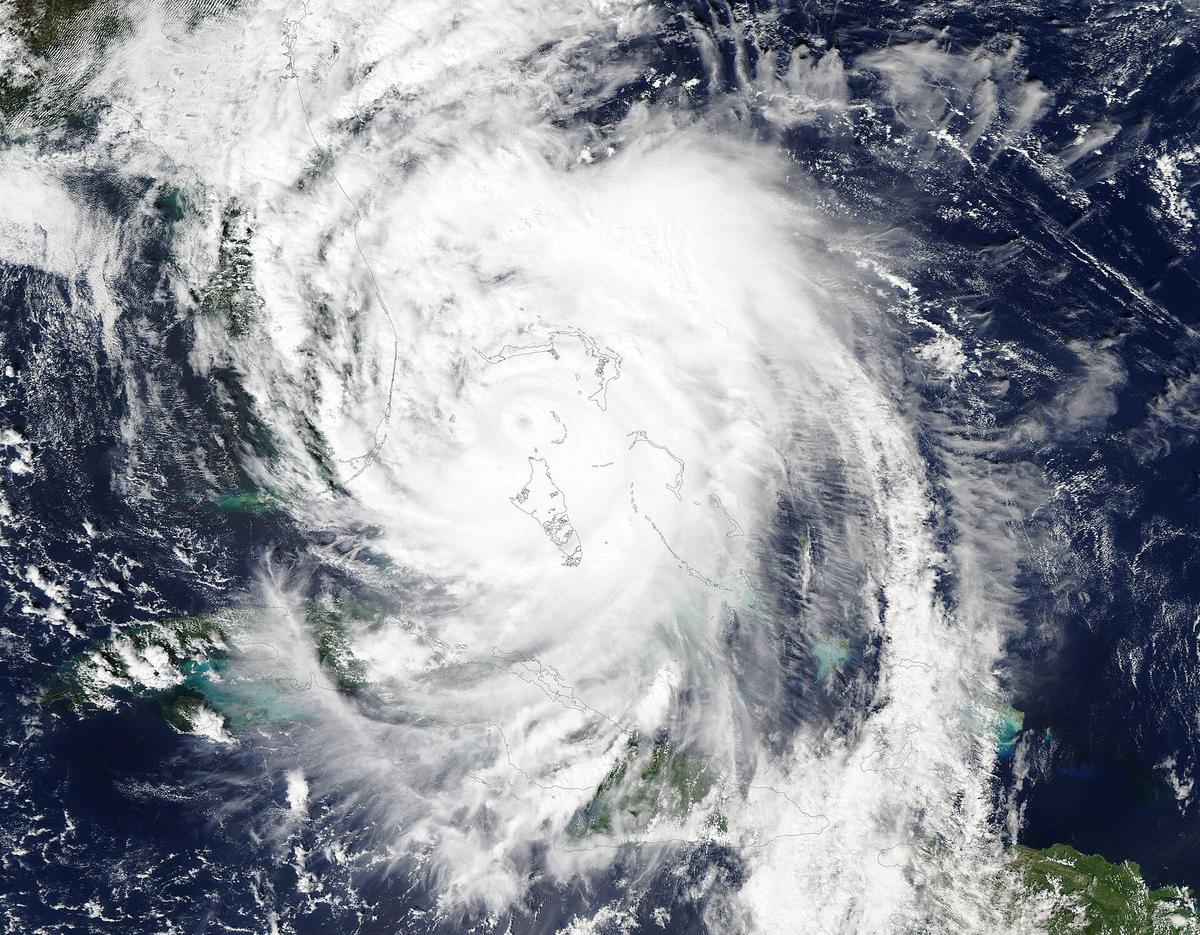
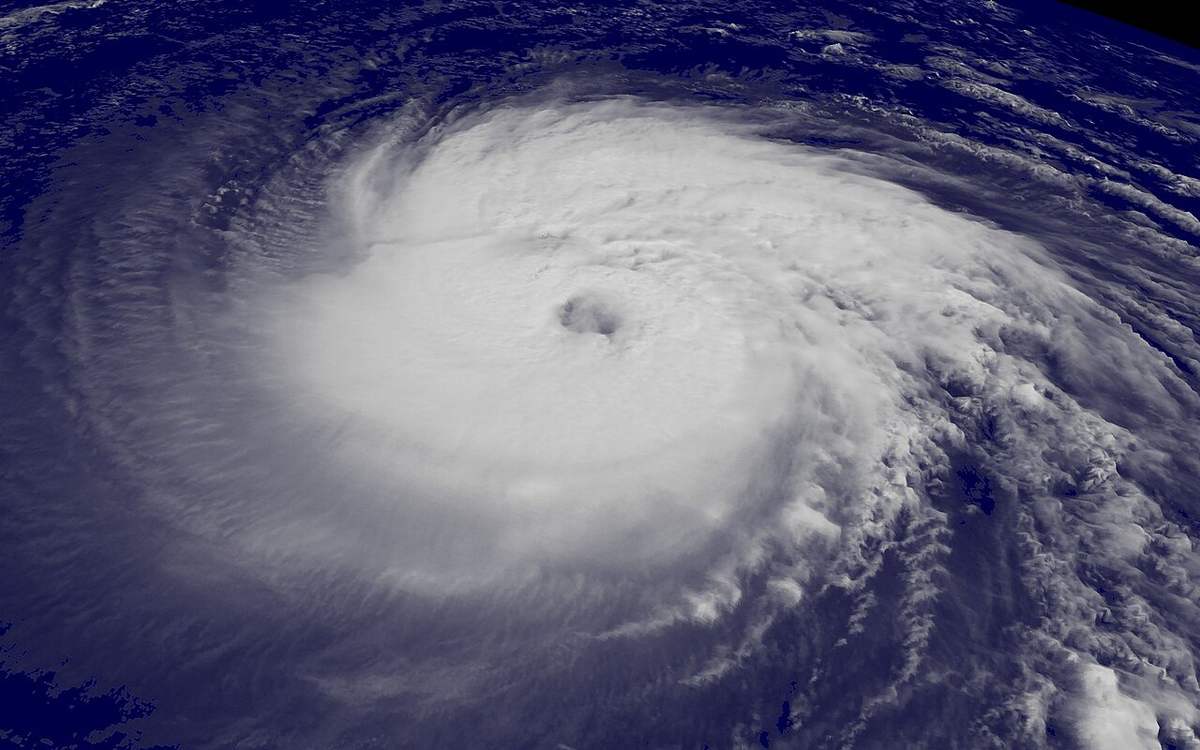
Cruising during hurricane season is neither reckless nor risk-free; it is a trade with known terms, and this guide exists to state them plainly. The Atlantic season officially runs from 1 June to 30 November, according to NOAA's Hurricane Research Division, and the same source puts the sharp peak of activity from August through October — the weeks when the Caribbean's demand, and therefore its pricing pressure, softens. Ships are built to avoid storms, not to fight them, and the entire system — forecasts, reroutes, ticket contracts — is designed around moving the ship rather than cancelling the holiday. What follows is what actually happens when a storm enters your itinerary's neighbourhood, and what you are and are not owed when it does.
Cruising during hurricane season: what lines actually do when a storm develops
The ship moves; that is the whole strategy
Modern forecasting gives lines days of warning, and a cruise ship is fast enough to leave a storm's forecast cone entirely. In practice your captain, guided by the line's shoreside operations centre, will do one of three things. The itinerary flips: an eastern Caribbean loop becomes a western one, calling at Cozumel instead of San Juan. Ports substitute within the same region: a missed call is replaced with the nearest workable harbour or an extra sea day. Or the order reverses, sailing the loop backwards to keep every port but visit them around the weather. Port closures are decided by port authorities, not the line, and a port can close to traffic even under a calm local sky if swells make the entrance unsafe. The NOAA Climate Prediction Center outlooks frame the season months ahead, but the decision that affects your sailing is made days ahead, from live forecasts — which is why no honest seller can tell you in spring what your September itinerary will finally be.
The practical consequence for booking is that flexibility lives in the itinerary's alternatives: a route with plausible substitute ports in the opposite half of the basin is a more robust storm-season product than a route built around one irreplaceable call, and the week you choose matters less than the shape you choose.
Travellers can help the system work. Book flights that can move, arrive at the embarkation city with a night to spare in the peak weeks, and keep the line's app and your email watched in the days before sailing, because reroute notices assume you are reading them. Insurance bought for itinerary reasons should be read for what it actually covers — a changed port is a disappointment, not automatically an insured event — and the policy wording, like the ticket contract, is the document that counts.
The eastern-western seesaw
The Caribbean's geography is the passenger's quiet ally. A storm threatening the eastern islands often leaves the western Caribbean — Cozumel, Jamaica, Grand Cayman — workable, and vice versa. That is why storm-season cruises so rarely cancel outright: there is usually somewhere in the basin to go. Our eastern Caribbean cruise guide maps the ports most often swapped away from, and the western ports that receive the rerouted ships. The cost of the system is borne by the itinerary purist: the specific port you booked for may vanish, replaced competently but without apology.
Cruising during hurricane season: refunds, compensation and the ticket contract
What you are owed, stated carefully
Compensation for missed ports is defined by each line's guest ticket contract and policies, as published and as of the date you sail — not by custom, and not by what a forum says another line once did. The general structure most contracts share: the line may change the itinerary for safety without owing a fare refund; government taxes and port fees attributable to a skipped port are handled per the line's stated policy, which differs between lines; onboard bookings like excursions booked through the line are refunded when the line cancels the port. Anything beyond that — a goodwill credit after a badly disrupted sailing — is discretionary. Read your line's current terms before you sail, and treat any promise of automatic compensation for weather changes, from any seller, as a red flag.
| Scenario | What usually happens | What you are owed | Your move |
|---|---|---|---|
| Storm near one port | Port substituted or becomes a sea day | Per ticket contract; line-booked excursions for that port refunded by the line | Enjoy the substitute; keep plans flexible |
| Storm across the region | Itinerary flips east-west or reverses order | No fare refund under standard contract terms | Treat the new route as the holiday |
| Embarkation port threatened | Delayed departure, shortened cruise, or port change | As the line announces for that sailing, per its policy | Watch line communications; protect flights with flexible arrangements |
| Sailing cancelled by the line | Full cancellation by the seller | Refund and credit options as the line publishes for the cancellation | Read the offer's deadlines before choosing |
Frequently asked questions
Is cruising during hurricane season dangerous?
Ships avoid storms rather than ride them out, and the industry's record reflects that strategy. The realistic risk to you is not safety but disruption: changed ports, altered days and occasional rough edges of sea between the ship and calmer water. NOAA's climatology — a season running 1 June to 30 November with an August-to-October peak — lets you choose how much of that risk to buy.
Will I get my money back if a port is missed?
Not the fare, under standard ticket-contract terms. What you may receive — port-fee or tax adjustments for the skipped call, excursion refunds for line-booked tours — follows your line's published policy for that situation. This is one reason our guide to cruise travel insurance matters more for storm-season bookings than for any other kind.
Should I just book outside the season instead?
If one specific port is the reason for the trip, yes — go when that port is reliable. If the cruise itself is the holiday, peak season's softer demand is a rational trade, taken with eyes open and flights booked flexibly. There is no universally "safe month," and any source using that phrase is selling, not informing.
When will I know if my itinerary changes?
Usually days before sailing, sometimes during the cruise itself, and the line communicates through its app, email and onboard announcements. Embarkation-day changes happen when the storm targets the homeport. Keep the line's app installed and your contact details current in the booking.
Conclusion: hurricane season, sailed with a plan
The bottom line: cruising during hurricane season trades itinerary certainty for the season's softer demand, under contracts that give the line the right to move the ship and give you, in most cases, no automatic compensation when it does. NOAA's dates and peak are the honest frame; your line's current ticket contract is the honest fine print. If that trade suits your temperament, browse the season's sailings on our destinations page — and if it doesn't, the same ships sail the same sea in calmer months. The honest frame for sailing during hurricane season is NOAA’s dates and your line’s ticket contract — and the destinations page is where to weigh the regions before you book either way.
See the deals, total price first
Every deal we list will show the total — fare, taxes and port fees included — before you pay. That is the rule the deals page is being built to.
Browse cruise dealsNever overpay after you book
Once sign-ups open at launch, our price-drop alerts will watch the sailing you care about and flag it when the fare moves.
About price-drop alerts
Search cruises
Every result shows the total for your cabin — taxes and port fees included.