Cruise Port Fee Refunds Explained: Small Credits, Specific Rules
Miss the port, keep the receipt: port charges are collected per port, so a skipped call raises a fair question. This post reads the ticket contracts for the answer, line by line. Port fee refunds on a cruise are usually automatic for a skipped call — credited to the onboard account or the original payment method — but the ticket contract decides the amount and the timing.

The storm reroutes the ship, the port call vanishes from the itinerary board — and a reasonable question follows it down the gangway: you paid port charges for that port, so where is the money? Cruise port fee refunds are among the most asked-about small print in cruising, and the honest answer is a fork. In one direction, whole-cruise cancellations, the contract gives you your prepaid taxes and fees back in so many words. In the other, a port skipped mid-voyage, the same contract reserves the line's right to deviate and disclaims refunds for it — while on board, lines often credit something anyway, as goodwill rather than obligation. This guide reads the actual contract language (Royal Caribbean's US guest terms, checked October 2026) so you can tell a right from a favour, every time.
Cruise port fee refunds when the line cancels or the booking ends
The cancellation case: the contract answers plainly
Start where the paper is on your side. Royal Caribbean's US guest terms provide that if the carrier cancels the agreement before boarding, the guest's remedy is a refund or future cruise credit for the cancelled cruise's value (§7.a). The refunds clause goes further and covers your cancellation too: where a reservation is cancelled and cancellation charges are settled, "any prepaid Taxes and Fees, Gratuities and Fuel Supplement shall be refunded" (§8.d, checked October 2026). The logic is structural: port charges are collected to pay authorities for a ship that calls; a cruise that never sails generates none of them, so the money cannot be kept as if it did. This is the firm end of cruise taxes and port fees explained — the same charges that feel opaque at booking behave predictably at cancellation: they come back.
What you prepaid is an estimate, and that cuts both ways
The same contract's taxes clause (§3.b) defines Taxes and Fees broadly — immigration fees, passenger head taxes, dockage, wharfage, inspection fees, pilotage, canal tolls and more — and states they are estimated by the carrier at booking and subject to change, with increases passable to you. Estimation is why precision about a single port is impossible from the outside: your confirmation shows one bundled figure, not a per-port ledger, so no passenger can compute "the Cozumel portion" of their own ticket. Any refund or credit for a skipped port is therefore the line working from its internal ledger, at its own figure — a fact that matters when the credit that appears is smaller than the per-port guess you made on a forum. The contract never promised your guess.
Cruise port fee refunds when a port is skipped mid-voyage
The deviation clause: no contractual refund for the change
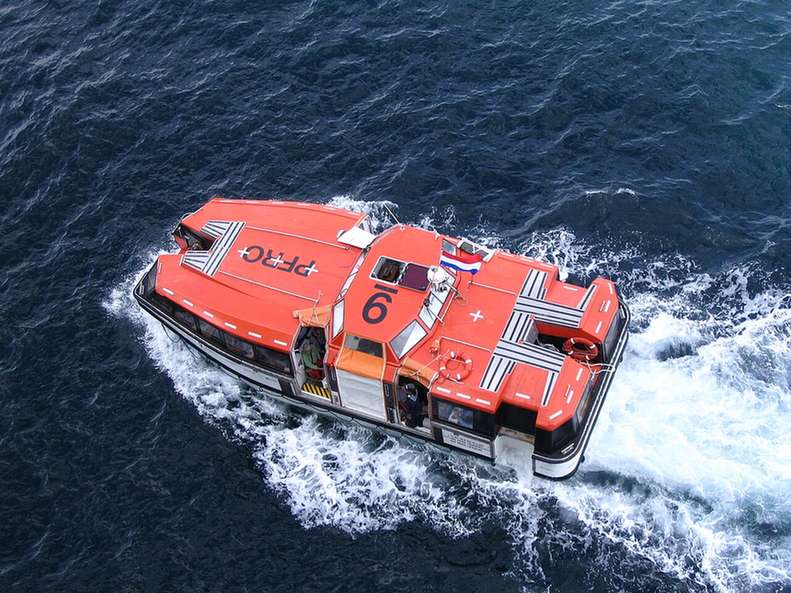
Mid-voyage, the paper changes sides. Royal Caribbean's deviation clause (§7.b) gives the carrier the right, "for any reason at any time and without prior notice," to cancel, advance, postpone or deviate from any scheduled port of call, and states the carrier "shall not be liable for any claim whatsoever by Guest, including but not limited to loss, compensation or refund, by reason of such cancellation, advancement, postponement, or deviation" — with a narrow exception for mechanical failures under §7.d (early termination rights) and whatever applicable law requires. Weather, congestion, medical emergencies and port closures are then listed as circumstances beyond the carrier's control (§7.c). That is the standard architecture across mainstream contracts: the itinerary is a plan, the captain's deviation rights are absolute, and a skipped port is not, in contract language, a refundable event. This is also why cruising during hurricane season is priced and planned the way it is: deviation is the system working as written, not failing.
| Situation | Contract position (documented example) | What happens in practice |
|---|---|---|
| Line cancels the whole cruise before sailing | Refund or credit for the cancelled value; prepaid taxes and fees refunded (§§7.a, 8.d) | Refund processed to the original payment route |
| You cancel the booking | Prepaid taxes and fees refunded after cancellation charges (§8.d) | Fare penalties follow the cancellation schedule; the charges layer comes back |
| A port is skipped or swapped mid-voyage | No liability for refund or compensation for the deviation (§7.b) | Lines often credit the missed port's charges to the onboard account as goodwill — amounts vary and are never guaranteed |
| Cruise terminated early for mechanical failure | Specific rights: partial refund, transport, lodging (§7.d) | The strongest mid-voyage remedy in the contract |
| A line-sold excursion for a skipped port | The line cannot deliver what it sold for that port | Expect the excursion charge to be unwound to your onboard account; third-party tours are your own negotiation |
The goodwill credit: real, common, and not a right
Against that hard clause, practice is softer — and the referee's job is to keep the two labelled. Lines frequently credit the skipped port's port charges to guests' onboard accounts, because the underlying head taxes and dockage for a port never visited were never incurred, and crediting them costs goodwill nothing. It is done quietly, it varies by line, voyage and circumstance, and it is sometimes folded into a general gesture (a small onboard credit for the disruption) rather than itemised per port. Because amounts are the line's internal figures, this guide estimates none. What you can do: check your folio after a skipped port, ask guest services politely what was credited for the missed call, and keep your expectation at the level the contract sets — pleasantly surprised by a credit, never entitled to one. And know the regulator's boundary: the US Federal Maritime Commission states it does not regulate itinerary changes; its cruise role is financial-responsibility oversight for nonperformance — cancellations and delays of three or more days — plus a voluntary dispute-resolution service. A skipped port is below that threshold by design.
Frequently asked questions
Do I get a refund of port fees if the ship skips a port?
Not as a contractual right. The documented contract reserves the line's right to deviate and disclaims refunds for the deviation itself. In practice, lines often credit the missed port's charges to your onboard account as goodwill. Check the folio, ask at guest services, and treat whatever appears as the favour it is.
What if the itinerary changes before we sail?
A pre-sailing change is governed by the same deviation rights, but your options are wider before departure: if the change is substantial, ask the line — in writing — what it will offer, up to rebooking or cancellation under the contract's cancellation terms, under which prepaid taxes and fees are refunded. Once you sail, the deviation clause is the whole conversation.
Who regulates cruise port fee refunds?
No regulator sets them. The Federal Maritime Commission oversees lines' financial responsibility for nonperformance of transportation — cancellations and delays of three or more days on US-embarking voyages — and offers voluntary dispute resolution, but it states plainly that it does not regulate itinerary changes. The ticket contract, not the regulator, is the governing document for a skipped port.
Why is the credit for a skipped port never the amount I calculated?
Because your ticket never itemised it. Port charges are bundled into a single estimated Taxes and Fees figure; the per-port split exists only in the line's internal accounts. Your calculation uses published head-tax guesses; the line's credit uses its actual ledger. The gap between the two is a documentation problem, not evidence of a shortchange — one more reason this site wants the whole bill itemised, the standard on our fees page.
Conclusion: port fees, and when refunds land
The bottom line: cruise port fee refunds split cleanly in two. Cancel the cruise — by either side — and prepaid port charges come back under the contract, in writing. Skip a port mid-voyage and the contract owes you nothing, while goodwill often pays something. Sail knowing which side of that fork you are on, check the folio when a port disappears, and never let a headline fare hide the charges layer in the first place. When a port disappears mid-voyage, port fee refunds depend on goodwill rather than contract, so check the folio and ask while you are still on board.
See the deals, total price first
Every deal we list will show the total — fare, taxes and port fees included — before you pay. That is the rule the deals page is being built to.
Browse cruise dealsNever overpay after you book
Once sign-ups open at launch, our price-drop alerts will watch the sailing you care about and flag it when the fare moves.
About price-drop alerts




Search cruises
Every result shows the total for your cabin — taxes and port fees included.