Best Cabin Location on a Cruise Ship: Where to Be and What to Avoid
There is no universally best cabin location: motion, noise and walking distance pull in different directions, and the right answer depends on which matters most to you. Movement is generally felt least near the ship's centre of motion — midship and lower — and most at the forward and aft extremes and on high decks.

The best cabin location on a cruise ship is not a single cabin that sellers can point to on a chart. It is a match between three things: how much ship movement you are likely to notice, how much noise you will tolerate, and how far you are willing to walk, several times a day, between your door and the places you actually use. Upsell charts rank cabins by category and price; location quality runs on a different axis, and a higher-priced cabin in the wrong place can be a worse week than a modest cabin in the right one. This guide works through the trade-offs using the ship's own published deck plan — the plans linked from the ship pages — because that document, not a sales diagram, shows what is above, below and around any cabin.
The best cabin location on a cruise ship is a trade-off, not a tier
Cabin pricing is built on category: interior, ocean view, balcony, suite, and the sub-categories within each, which the companion guide to cruise cabin categories explained decodes. Location sits underneath category. Two cabins in the identical category, at the identical fare, can deliver noticeably different weeks — one quiet and close to everything, the other under a venue that sets up breakfast service before dawn. Lines know this, which is why, within a category, specific cabin numbers are the unit that matters, and why the choice between letting the line assign a cabin and selecting a number yourself is a real decision rather than a formality.
The honest way to choose is to rank your own sensitivities first. A light sleeper should weight the noise analysis most heavily; a traveller concerned about motion should weight position relative to the ship's centre; anyone for whom long corridor walks are a constraint should weight distance to elevators and venues. Every decision that follows is one of those rankings applied to a deck plan.
The best cabin location on a cruise ship for motion, noise and walking
Motion: what position can and cannot do
A ship moves around its centre, so the further a cabin sits from that centre — forward, aft, or high in the superstructure — the more movement is generally felt there, and the closer to midship and lower decks, the less is generally felt. That is the accurate, limited version of the midship rule: it describes how motion is distributed around a hull, as general information. It does not promise any individual traveller a symptom-free sailing, because responses to motion vary widely between people and between sea conditions, and no cabin location overrides rough weather.
This post deliberately keeps motion guidance at that general level. The evidence-based discussion of motion sickness itself — what it is, what the published health guidance says about managing it, and what is myth — belongs to the dedicated guide to seasickness on a cruise, which is sourced to the CDC's Yellow Book guidance on motion sickness and cruise ship travel. Anyone whose concern is medical rather than geographic should read that guide and, where appropriate, their own clinician, rather than treating a cabin number as a remedy. Location is, at most, one modest variable among several.
Noise: read what is above and below you
Noise is the location factor a deck plan settles most completely. Before selecting a cabin, identify the venues on the deck directly above and directly below it. Cabins beneath pool decks can hear deck furniture being moved early in the morning; cabins beneath buffet and galley areas inherit service hours; cabins above or below theatres, clubs and atrium entertainment spaces inherit show schedules; cabins near elevator lobbies and stair towers trade passing-traffic noise for convenience. None of this requires insider knowledge — the line publishes the deck plan for every ship, showing each venue's footprint deck by deck, precisely so cabin positions can be judged against it. A useful rule of thumb is that a cabin sandwiched between two decks of other cabins has the quietest neighbours a ship offers, because cabins keep cabin hours.
Two noise sources do not appear as venues. Aft cabins on some ships can pick up vibration when the ship is manoeuvring or running at speed, and cabins near anchor or mooring equipment at the forward end can be woken on early port arrivals. Both vary by ship design — a reason to check where the cabin sits, not a blanket ban on either end of the ship.
Walking distance: the large-ship reality
On the biggest modern ships, the walk from a cabin at one extreme to a venue at the other is long, repeated many times a day, and routed through elevator lobbies. Midship cabins near a lobby minimise total walking and simplify orientation: up for pools and buffet, down for dining and theatre, on most layouts. Forward and aft cabins are not inferior — aft cabins are prized for views over the ship's wake — but choose them knowing the daily distances involved, especially if stairs, long corridors or waiting for elevators is a genuine constraint rather than a mild annoyance.
| Location | Motion generally felt | Main trade-off | Often suits |
|---|---|---|---|
| Midship, lower-to-middle decks | Least, relative to the rest of the ship | Corridor and elevator-lobby traffic nearby | Travellers most concerned about motion; those wanting short walks |
| Forward | More, especially in head seas | Possible early noise from mooring/anchor areas on port days; longer walks to aft venues | Travellers who value a quiet corridor and a forward outlook |
| Aft | More than midship; some ships add vibration | Long walks to forward venues; wake-view balconies are the compensation | Travellers who prioritise the aft view and a destination-style balcony |
| High decks | More than lower decks at the same position | Close to pool and buffet decks — convenient, and first to hear them | Travellers who live on the top decks and sleep soundly |
| Between two cabin-only decks | Depends on position along the ship | Fewest venue noises above or below | Light sleepers, at any position along the ship |
Cabin location myths the deck plan corrects
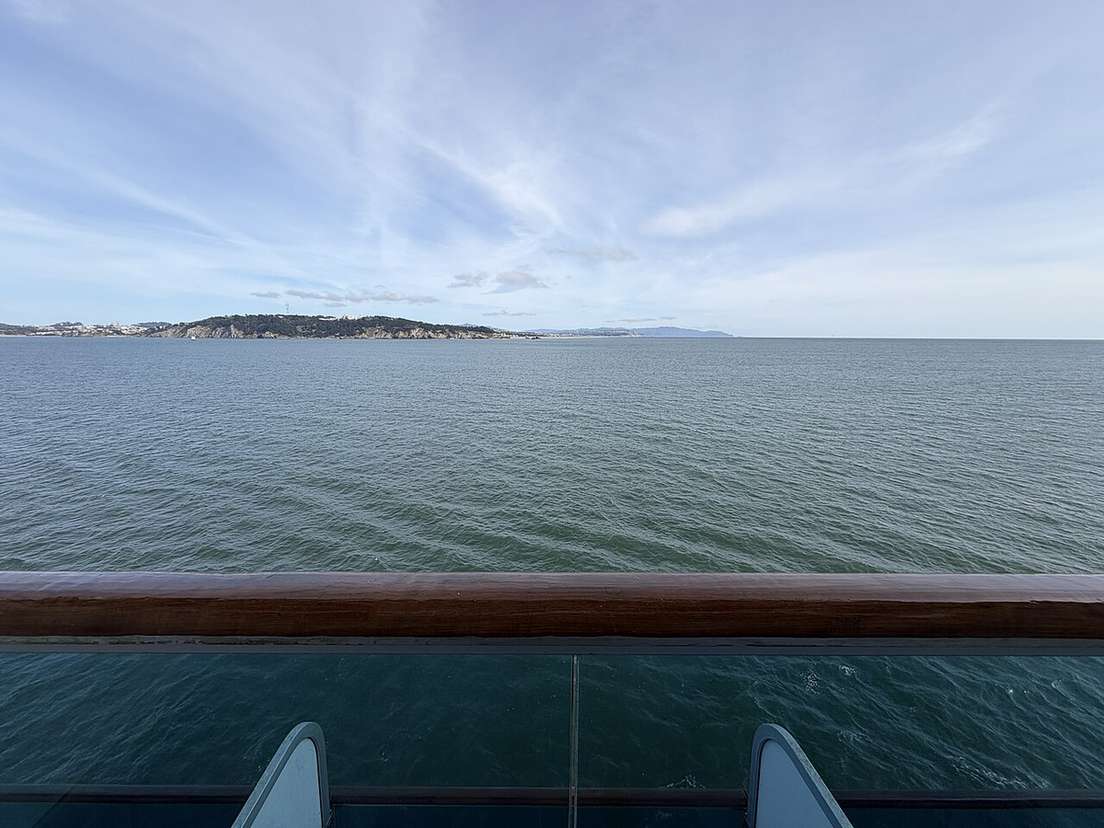
Three claims circulate in cabin advice and deserve referee treatment. First, "midship is always best": midship minimises motion and walking, but a midship cabin under a busy venue can still be a poor night's sleep. Second, "higher is better": higher decks cost more for views and top-deck proximity, not calm — for motion, higher is generally worse. Third, "an upgraded cabin must be better located": an upgrade moves you up the category ladder, and a higher category in a worse position is a trade, not a pure improvement. The deck plan arbitrates all three claims in minutes.
A final point concerns assignment. If location matters to you, select a specific cabin number at booking rather than a guarantee-style assignment, where the line allocates the cabin later within your category. Checking a number against the deck plan takes minutes: note the decks above and below, the distance to the nearest elevator lobby, and its position along the hull. Do that on the ship's plan linked from the ship pages before the deposit, not after.
Frequently asked questions
Is midship really the best cabin location on a cruise ship?
Midship is the best answer to one specific question — where is ship movement generally felt least, and walking distances generally shortest — and to that question, yes, midship and relatively low is the standard answer. It is not automatically the best cabin overall: noise from venues above or below, corridor traffic and your own preference for views can each outweigh the motion advantage. Judge the specific cabin on the deck plan.
Are higher decks better than lower decks?
They are different, not better. Higher decks put you nearer pools, buffet and open deck, and usually carry higher fares for the outlook. Lower decks sit closer to the ship's centre of motion and to the gangway and some dining venues, and are generally quieter in terms of movement felt. Which is better depends on whether your priority is top-deck convenience or steadiness and sleep.
Which cabins should light sleepers avoid?
As a pattern, cabins directly below pool decks, buffet areas and galleys, cabins directly above or below theatres and late-night venues, and cabins immediately beside elevator lobbies. The quietest pattern on most deck plans is a cabin with other cabins above, below and on both sides. Verify against your ship's actual deck plan, because venue placement differs by ship and class.
Does cabin location prevent seasickness?
No. Location can modestly change how much movement you feel — less near the ship's centre, more at the extremes — but that is general information about motion, not prevention or treatment, and it makes no promise for any individual. For the evidence-based picture, including what CDC guidance covers on motion sickness, read the dedicated seasickness guide linked from this post and take personal medical questions to a clinician.
Conclusion
The best cabin location on a cruise ship is the cabin that fits your own ranking of motion, noise and walking — chosen from the ship's published deck plan, not from a fare chart. Midship and lower is the steadiness answer; a cabin between cabin decks is the sleep answer; a cabin near the elevators is the walking answer; and an aft balcony is a deliberate trade of distance for a view many travellers consider the best on the ship. None of those is a myth, and none is universal. Pick your ship on the ship pages, open its deck plan, spend ten minutes placing the cabin you are about to pay for — and the best cabin location on a cruise ship stops being marketing language and becomes a decision you made with the evidence in front of you.
Sources
- CDC Yellow Book — Motion Sickness
- CDC Yellow Book — Cruise Ship Travel
- Royal Caribbean — Legend of the Seas deck plans
Pick the best cabin location on a cruise ship for how you sleep, not for the deck plan's prestige. Rank it by sleep, stomach and budget — in that order — and thebest cabin location picks itself; no deck plan can rank those for you.
See the deals, total price first
Every deal we list will show the total — fare, taxes and port fees included — before you pay. That is the rule the deals page is being built to.
Browse cruise dealsNever overpay after you book
Once sign-ups open at launch, our price-drop alerts will watch the sailing you care about and flag it when the fare moves.
About price-drop alerts
Search cruises
Every result shows the total for your cabin — taxes and port fees included.