Obstructed View Cruise Cabins: What Blocks the View, What It Saves
Some obstructed cabins lose half the ocean; some lose a sliver of railing. This guide shows how to read the deck plan, find the obstruction grade, and decide if the discount is honest. Every obstructed view cruise cabin sits on a grade from cosmetic to serious, and this guide maps the grades to the fare gap so the discount can be judged before checkout.
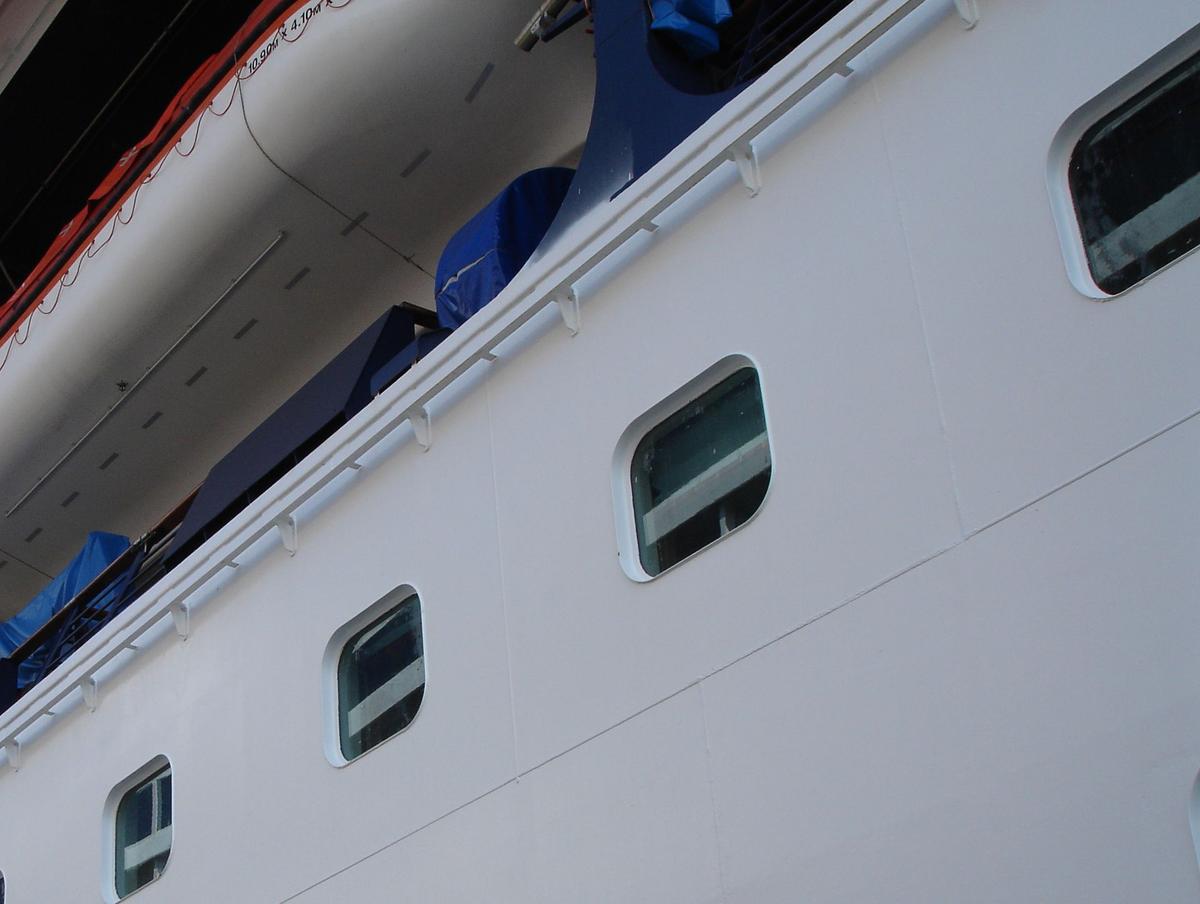
Every cruise ship carries a set of cabins that the brochures photograph carefully and describe vaguely. Obstructed view cruise cabins are sold for less than their unobstructed neighbours because something — most often a lifeboat, sometimes a tender davit, a structural pillar or a section of railing — sits between the window and the horizon. The honest question is never whether the obstruction exists. It is how much of the view it takes, and whether the fare gap pays you fairly for what you lose. That judgement cannot be made from the category name, because two cabins in the same category, on the same deck, can have completely different obstructions. It can only be made cabin by cabin, on the deck plan, before you pay.
What obstructed view cruise cabins actually are
The hardware outside the glass
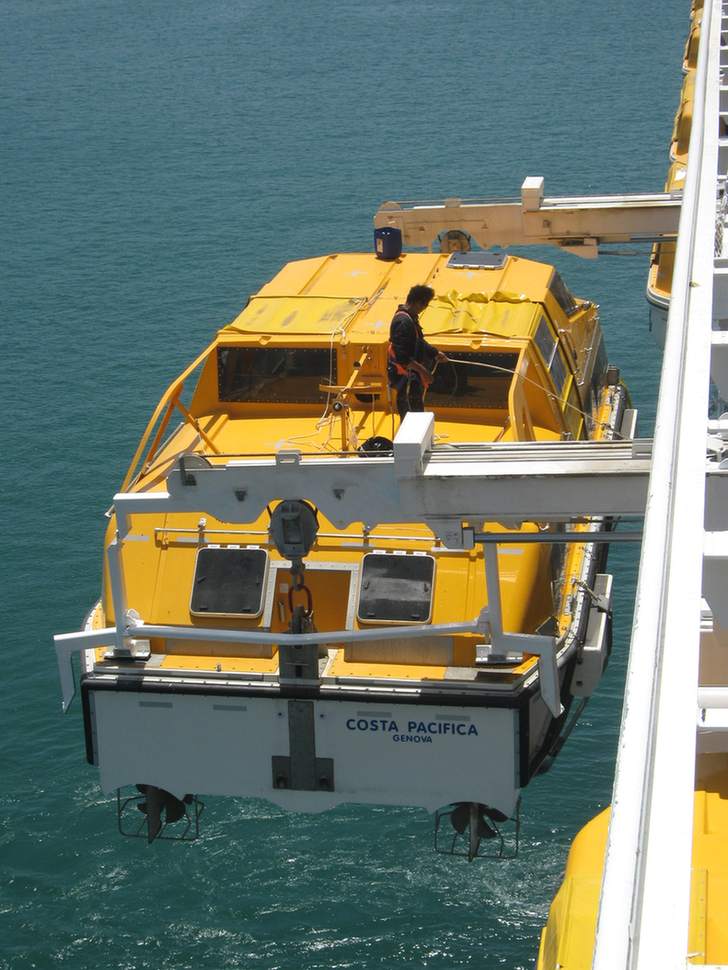
On most large ships, the lifeboats hang along the boat deck, and the cabins on the deck behind or below them inherit the view. An obstructed oceanview cabin may have a lifeboat covering the lower portion of the window, the full window, or — on the mildest examples — nothing more than the davits at either side, leaving the centre of the glass clear. Balcony cabins can be obstructed too, usually by lifeboat tops at railing height or by structural elements at the ship's ends. Royal Caribbean's own deck plan guide makes the point that matters: deck plans show staterooms with obstructed views explicitly, alongside adjoining and accessible staterooms, so the information exists before booking — it is simply not in the headline fare display. Carnival's stateroom guide likewise sorts rooms by style and location rather than by view quality, which is why the category label alone never settles the question.
The category system underneath all this is decoded in cruise cabin categories explained; this post assumes you know what an oceanview category is and asks the narrower question of what a blocked one is worth. The short version: you are buying the same room, the same bed and the same daylight, minus a slice of the horizon. Whether that trade is good depends entirely on which slice.
Reading obstructed view cruise cabins on the deck plan
A five-minute verification routine
Start with the cabin number, not the category. On the line's deck plan, find the exact cabin and look at what the plan draws outside it: lifeboats are drawn to scale on the boat deck, so a cabin whose window aligns with the middle of a boat is a different purchase from one aligned with the gap between two boats. Royal Caribbean's guide to cruise ship rooms and suites lists the broad families — interior, ocean view, balcony, suite — but the plan for your specific ship is where obstruction lives. Check three more things while you are there. First, the deck above and below: an unobstructed window under a pool deck or beside a lifeboat davits winch trades a view problem for a noise problem. Second, whether the line sells that cabin in a named obstructed category or buries it inside a standard one; a named category at least prices the flaw openly. Third, whether the cabin is sold as a guarantee instead — the related gamble, priced in is a guarantee cabin worth it, where you do not choose the cabin at all.
| What the plan shows outside the window | What you usually keep | How to judge the fare gap |
|---|---|---|
| Davits or railing only, centre of glass clear | Most of the horizon and full daylight | A modest gap can be fair; this is the mildest form |
| Lifeboat covering the lower part of the window | Sky, horizon and light; the sea surface is partly hidden | Judge against how much time you will actually spend looking out |
| Lifeboat covering most or all of the window | Daylight, but little usable view | Price it against an interior cabin, not against an oceanview |
| Structural pillar or bulkhead at an angle | A partial, directional view | Check both the plan and the category notes before paying oceanview money |
What the discount really is
There is no standard obstruction discount, and any source quoting you a tidy percentage is inventing it. The gap is simply the difference between the obstructed category's fare and the nearest unobstructed equivalent on the same sailing, and it moves with demand like every other fare. The referee's test is comparative, not numerical: on our ships page, the question to carry into any quote is whether the obstructed cabin is priced closer to the interior below it or the clear oceanview above it. If it sits near the clear-view fare, the flaw is being charged at full price and the "discount" is marketing. If it sits near the interior fare while keeping a window and daylight, the trade is honest. That comparison — same ship, same sailing, same date — is the only version of the number that means anything, and it is why this guide quotes no percentages: the honest figure is the one on your sailing, checked the week you book.
Who should book an obstructed-view cabin — and who should not
The travellers each version suits
The mild obstructions suit travellers who use the cabin to sleep, shower and glance at the weather: the daylight alone separates them from an interior, and the fare gap buys something else on the trip. Port-intensive itineraries strengthen the case, because the window's working hours are the hours you are ashore. The severe obstructions suit almost nobody at an oceanview fare — a fully blocked window is an interior cabin with better light, and it should be priced and judged as one. Travellers for whom the view is the point — scenic cruising days, a once-in-a-decade itinerary, a cabin chosen for a traveller who spends real time in it — should not let a fare gap talk them out of the thing they are actually buying. The obstructed category is a tool for people who know precisely which part of the view they do not need. Everyone else is guessing, and the deck plan exists so that nobody has to.
Frequently asked questions
Are obstructed view cabins always next to lifeboats?
Usually, but not always. Lifeboats and their davits cause most obstructions on large ships, but structural pillars, bulkheads, railing sections and equipment at the ship's ends can block views too. The deck plan for the specific cabin is the only reliable answer.
Can I find out exactly how blocked my cabin is before booking?
Partly. Lines mark obstructed cabins on deck plans, and the lifeboat layout shows the scale of what sits outside. What no category description can give you is a photograph from inside that exact room, which is why severity is judged from the plan, never promised in advance.
Is an obstructed balcony different from an obstructed oceanview?
Yes. A balcony obstruction usually sits at or below railing height — lifeboat tops are the common case — so you keep the open air and much of the outward view while losing the downward view to the water. An oceanview obstruction blocks the glass itself. They are different trades and should be priced differently.
What if the obstruction is worse than described?
Category descriptions are general by design, which is why verification happens before payment, not after. If view quality matters to your trip, book a specific cabin you have checked on the plan rather than a category you have only read about.
The bottom line: obstructed view cruise cabins are neither a scam nor a secret bargain — they are a priced flaw, and the price is only fair when it is set against the interior below and the clear view above on the same sailing. Read the deck plan cabin by cabin, refuse percentages nobody can source, and compare the result on our ships page terms: the whole fare, for the actual view, before you pay. Judge an obstructed view cruise cabin by its grade on the deck plan, not by its discount, and the priced flaw either earns its place or reveals itself.
See the deals, total price first
Every deal we list will show the total — fare, taxes and port fees included — before you pay. That is the rule the deals page is being built to.
Browse cruise dealsNever overpay after you book
Once sign-ups open at launch, our price-drop alerts will watch the sailing you care about and flag it when the fare moves.
About price-drop alerts



Search cruises
Every result shows the total for your cabin — taxes and port fees included.