Can You Hold a Cruise Cabin Without Paying? How Courtesy Holds Work
A courtesy hold temporarily reserves a cabin with no payment required. Norwegian Cruise Line describes it plainly: no payment is required, the reservation sits in courtesy hold status, and it expires automatically as stated on the hold confirmation. To hold a cruise cabin without paying, the courtesy hold is the only route that needs no card at all, and the steps below walk it line by line before the hold window opens.
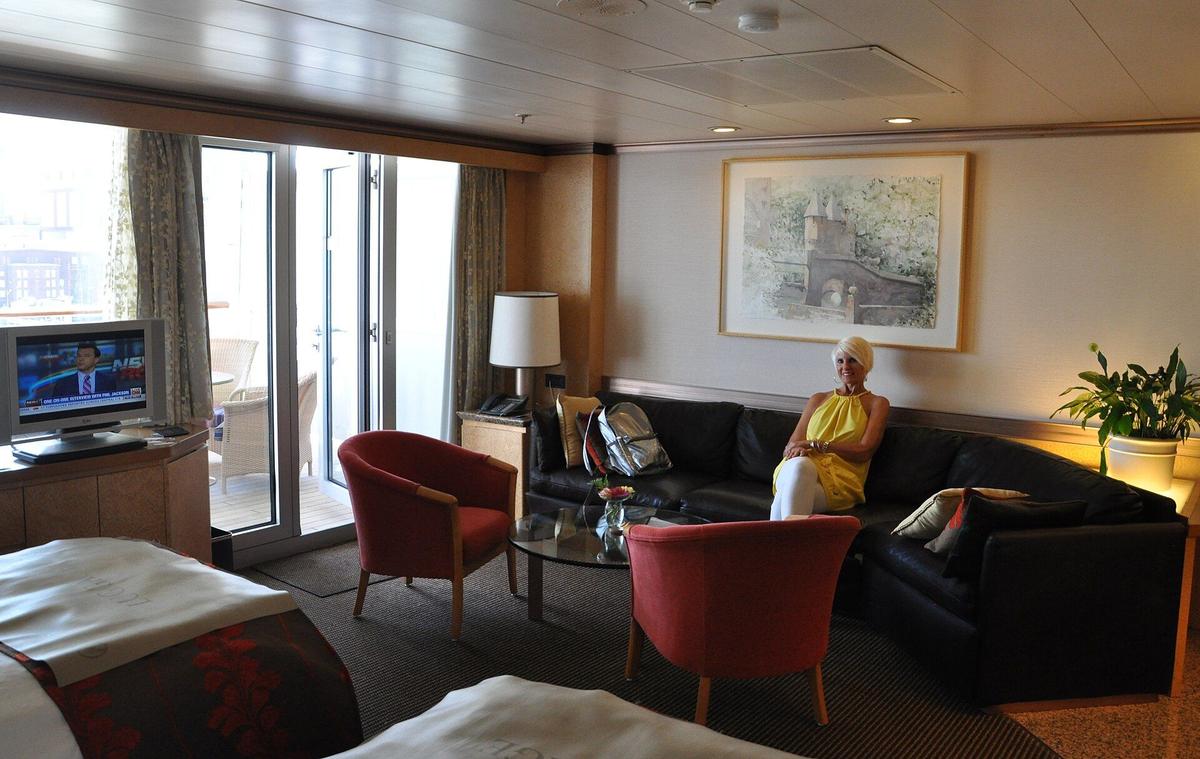
Can you hold a cruise cabin without paying? Briefly, yes — most major lines offer a courtesy hold, a short, no-payment window in which a specific cabin is taken out of sale while you decide. But a hold is not a booking. It expires automatically, it cannot be treated as a reservation of the fare beyond the window, and nothing about the sailing is confirmed until a deposit converts the hold into a booking. Used for what it is — a day or a few days to check leave, align travelling companions, or compare one last alternative — a hold is genuinely useful. Mistaken for a way to reserve a cruise while you think about it for a fortnight, it is a reliable way to watch a cabin sell to someone else. If you are weighing a specific sailing now, the get a quote page explains how a hold will be placed once quoting opens, with its expiry stated up front.
Can you hold a cruise cabin without paying — what a courtesy hold actually is
A courtesy hold is a status a line applies to a reservation before money changes hands. Norwegian Cruise Line's published explanation draws the line clearly: under a courtesy hold, no payment is required and the cabin is temporarily reserved; a deposit payment is what moves the reservation into booked status. Holland America Line describes the same mechanism: you complete the booking steps, choose the courtesy hold option at the payment stage instead of paying, and receive a confirmation showing how long the hold lasts and when the deposit is due.
Specific to a cabin, limited to a window
Two properties follow from that definition, and both are routinely misunderstood. First, a hold is specific: it attaches to a named sailing and a specific cabin — the cabin you chose is the cabin being kept out of sale. Second, a hold is temporary in a way a booking is not. The hold confirmation states an expiry, the line's systems enforce it automatically, and the hold can be cancelled without penalty before then — until a deposit is paid, there is nothing to penalise. You have spent nothing and committed to nothing; the line has committed to nothing beyond the stated window.
Not every fare or sailing offers a hold
Availability is not universal. Holds are a feature of lines' direct and agent booking channels, their length can depend on how far out the sailing is, and some fare types, group arrangements and very close-in sailings may not offer one at all. Whether a hold is available for a given sailing is answered by the booking channel at the time — it is not a standing entitlement.
Can you hold a cruise cabin without paying for long — durations and expiry
Hold durations are described honestly as typically short and line-set, because lines do not publish a single uniform figure and the length can depend on when the sailing departs. Where a line does publish, the scale is days, not weeks. Holland America Line states that its courtesy hold lasts at least 24 hours, with the exact time depending on how far in advance the reservation is made, and its booking flow shows the hold length and deposit due date on screen before you confirm. Norwegian refers the holder to the expiry stated on the courtesy hold confirmation itself. The governing figure for your hold is therefore always the same document: the confirmation you were issued, with its date and time — not a duration quoted in a forum or a previous booking, because lines adjust these windows and set them per booking.
What happens when the window closes
The lines state what happens at expiry plainly: the hold expires automatically. There is no charge, no penalty and no obligation — and no residue. The cabin goes back on sale, and any fare or promotion the hold displayed is the fare of a booking that was never made. If you return later, you book at the price and on the promotions then available. Asking does not reliably extend one. Some channels may be able to place a fresh hold if the cabin is still available after expiry, but that is a new hold on a still-unsold cabin, not a continuation of the old one, and on a popular sailing the cabin may not survive the gap.
| Courtesy hold | Deposited booking | |
|---|---|---|
| Payment required | None | Deposit due by the date on the confirmation |
| Status | Temporarily reserved, in hold status | Booked; cabin confirmed to you |
| Fare and promotions | As displayed for the hold, for the hold's window only | Set by the booking's fare terms from deposit onward |
| End | Expires automatically at the stated time; cancellable without penalty | Runs to final payment and sailing, under the fare's cancellation terms |
| If you do nothing | Hold lapses; cabin returns to inventory | Final payment deadline approaches; missing it risks cancellation |
The deposit is the line between holding and booking
Everything before a deposit is provisional, and the deposit's own terms deserve attention when a hold converts — because converting a hold does not merely confirm the cruise, it selects a set of cancellation economics. The choice between a refundable and a non-refundable deposit fare, and what each gives up, is covered in full in the guide to refundable vs nonrefundable cruise deposit. The short version for a holder: the fare and perks you saw during the hold are confirmed on the deposit terms you accept when you pay, and if the attractive version of the fare requires a non-refundable deposit, that is a real cost of the deal, payable on cancellation from day one.
A hold is most valuable when the decision it buys time for is genuinely pending — leave approval, a companion's confirmation, a final comparison between two sailings — and least valuable as a reflex: a hold placed "just in case" will lapse long before weeks of browsing end, and the second attempt may find the cabin gone. The broader timing picture is set out in the guide to the best time to book a cruise; a hold sits inside that strategy as a short-range tool, not a substitute for it.
Used well, the sequence is simple. Choose the ship, sailing and cabin as if you were booking — because the hold reserves that exact cabin. Place the hold, note the expiry from the confirmation in a calendar, spend the window deciding the one undecided thing, then either pay the deposit before expiry, on terms you have read, or let the hold lapse cleanly, owing nothing. If a seller pressures you to convert instantly, remember what you hold: time, in writing, until a stated hour.
Frequently asked questions
How long does a courtesy hold last?
Typically a short period set by the line — measured in hours to a few days, varying by line and by how far ahead the sailing is. Holland America Line publishes at least 24 hours, with the exact length depending on how far in advance you book; Norwegian Cruise Line states the expiry on the hold confirmation itself. The confirmation for your specific hold is the only authoritative figure, so read the expiry from it rather than relying on a general rule.
Does a courtesy hold guarantee the fare and perks?
It keeps the specific cabin out of sale for the hold's window, on the terms shown when the hold was placed. It does not create a booking, and it guarantees nothing beyond the window: if the hold expires unpaid, the cabin, the fare and any promotion attached to that display are all released, and a later booking is made at whatever is then available. Only paying the deposit, on the fare's terms, confirms a booking.
Can a courtesy hold be extended?
Do not plan on it. Holds expire automatically at the stated time, and an extension is not a published feature of the mechanism. If the cabin is still available after expiry, a new hold or a booking may be possible, but that is a fresh transaction at current availability and pricing — not a continuation. If the cabin matters to you, the reliable version of an extension is paying the deposit before the deadline.
Is there any charge or penalty if a hold lapses?
No. A courtesy hold requires no payment, and lines describe it as cancellable without penalty; expiry simply ends it. You owe nothing and lose nothing you had paid for — because you had not yet paid for anything. The cost of a lapsed hold is opportunity, not money: the cabin and the fare you were considering are no longer being kept for you.
Conclusion
Can you hold a cruise cabin without paying? Yes — for a short, line-set window, through a courtesy hold that temporarily reserves a specific cabin and then expires automatically if no deposit follows. The mechanism is honest and useful, provided it is not asked to do a booking's job: it guarantees nothing past its own expiry, and the fare and perks of a lapsed hold are gone with it. Decide what the hold is buying time for, note the expiry from the confirmation, and convert or release it on schedule. When you are ready to place a hold properly — or to skip the hold and deposit on the right terms — the get a quote page sets out how the process will work. Asked and answered, can you hold a cruise cabin without paying is really a question about time: a hold buys a little of it, strictly limited.
Sources
- Holland America Line — Courtesy Hold Policy for Reservations
- Norwegian Cruise Line — How does a courtesy hold differ from a deposit?
- Royal Caribbean — Guest Terms and Conditions, US
So, can you hold a cruise cabin without paying? Sometimes — and only inside the line's own window. Tohold a cruise cabin without paying is to borrow time from the line, not to buy it — use the window, decide inside it, and never assume it will still be there tomorrow.
See the deals, total price first
Every deal we list will show the total — fare, taxes and port fees included — before you pay. That is the rule the deals page is being built to.
Browse cruise dealsNever overpay after you book
Once sign-ups open at launch, our price-drop alerts will watch the sailing you care about and flag it when the fare moves.
About price-drop alerts
Search cruises
Every result shows the total for your cabin — taxes and port fees included.