Cruise Cabin Categories Explained: What the Codes and Classes Mean
Four classes cover almost everything: interior (no window), ocean view (a window or portholes, no opening), balcony (your own outside space), and suite (more rooms, more perks, highest prices). The letter-and-number codes under each class are each line's private system for size, deck, position and view quality. Think of cruise cabin categories as a location choice first and a price choice second, because the same category can sit over a nightclub on one deck and in a quiet corridor on another.
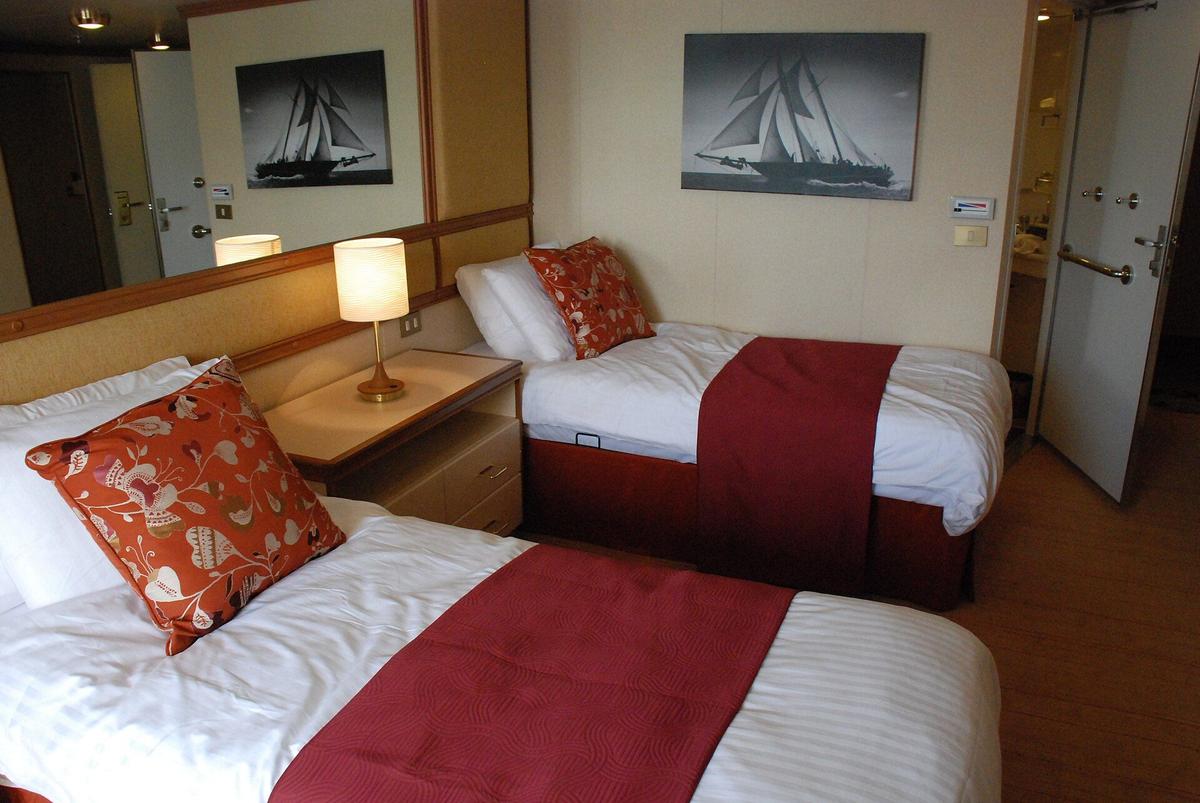
With cruise cabin categories explained in plain order, the booking screen stops looking like a spreadsheet and starts looking like what it is: four broad classes of room, subdivided by size, position and view, with a short code attached to each subdivision. Every major line uses the same four classes — interior, ocean view, balcony and suite — and then invents its own codes underneath them. That last part is where shoppers get caught: the classes transfer from line to line, the codes do not. A code that means one thing on one line's deck plan can mean something different, or nothing at all, on another's.
Cruise cabin categories explained: the four classes every line shares
Start with the classes, because they are stable across the industry. Royal Caribbean's own guide to stateroom types describes the same ladder most lines climb: interior staterooms with no window, ocean view staterooms with an external window, balcony staterooms with private outside access, and suites that are larger, sometimes multi-room, and bundled with additional perks. What changes between lines is the decoration of each rung, not the ladder.
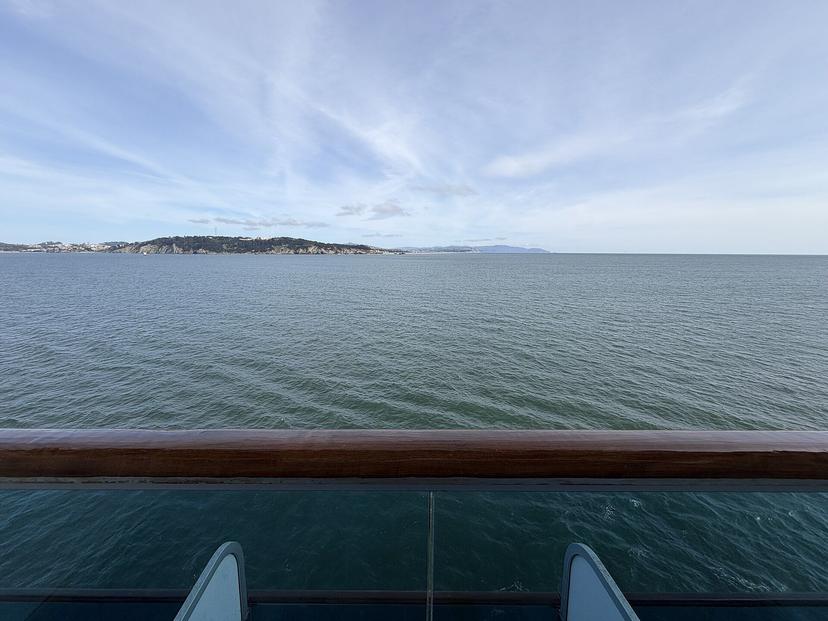
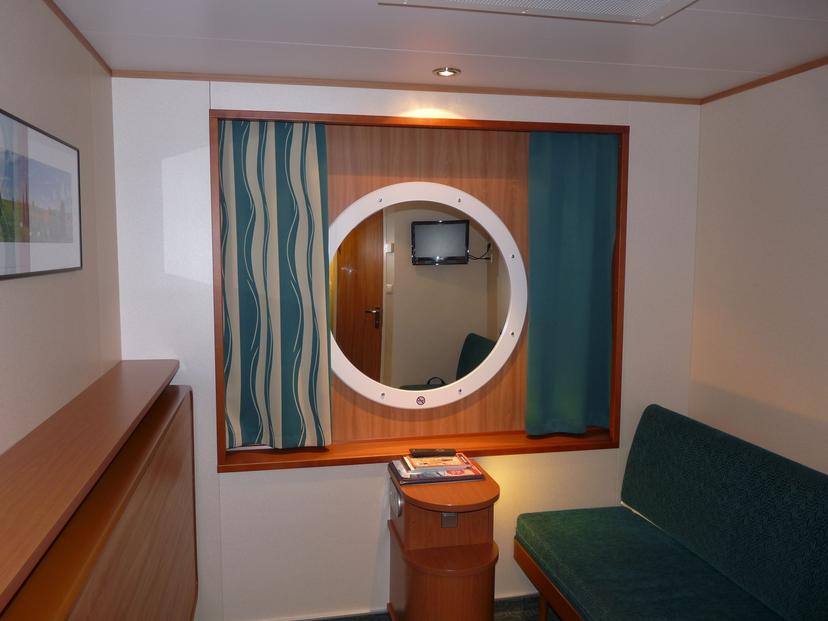
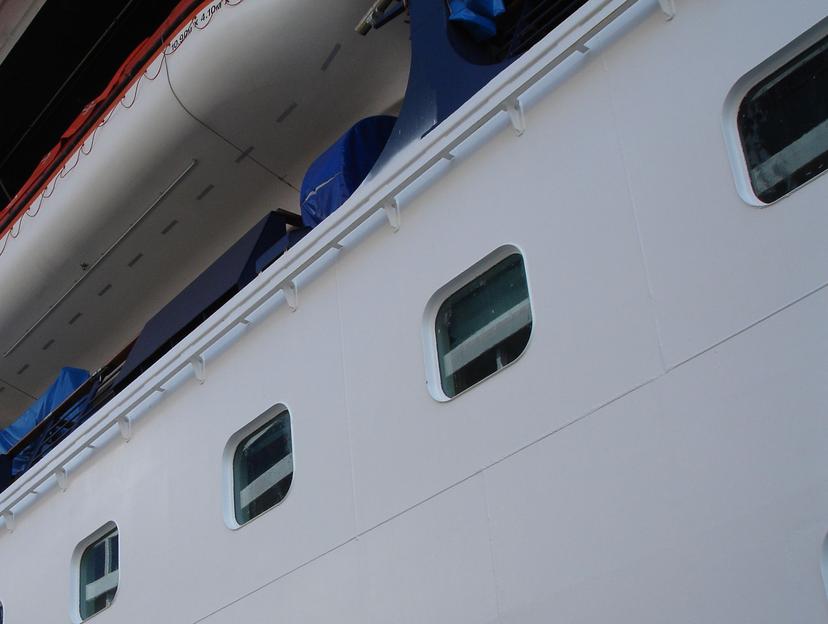
An interior cabin is a room with no natural light. Its virtues are price and darkness; its cost is that the room gives you no information about time, weather or where the ship is. Variants soften this: some interiors face an internal promenade or atrium with a window onto indoor life, and some ships fit screens showing a live outside view. An ocean view cabin adds a real window or portholes. The window does not open and there is no outside space, but daylight and a horizon change how the room feels out of proportion to the modest step up in the category ladder. A balcony cabin adds a door and a small private outside area — the first class where the room itself becomes a place to spend time rather than a place to sleep. Suites add space first and status second: separate living areas on the larger types, bigger bathrooms, and a bundle of shipboard privileges that varies by line and is part of what the fare is buying.
Size and occupancy are category facts, not decoration
Within a class, the subdivisions mostly sort three things: how big the room is, how many guests it sleeps, and where it sits. Sleeping arrangements are the easiest to misread, because a category that sleeps four may do so with a sofa bed and an upper bunk rather than four proper beds — a distinction the deck-plan symbols state and the category name does not. Family, accessible and connecting cabins are likewise flagged by symbols on the plan rather than by separate classes. Read the symbols for any cabin you are quoted; they are the difference between the room you pictured and the room that exists.
The variants that blur the classes
Three variants cause most of the confusion. Obstructed-view cabins sit in a higher class with a compromised view — a balcony or window partly blocked by a lifeboat or structure — and are priced as the compromise they are. Interior-facing balconies, found on Royal Caribbean's largest ships, overlook an open-air neighbourhood inside the ship rather than the sea: a real balcony, but not an ocean view in the sense most buyers picture. And guarantee categories are not a class at all but a way of buying any class without choosing the specific cabin, covered in guarantee cabin cruise explained.
Cruise cabin categories through one line's codes: Carnival
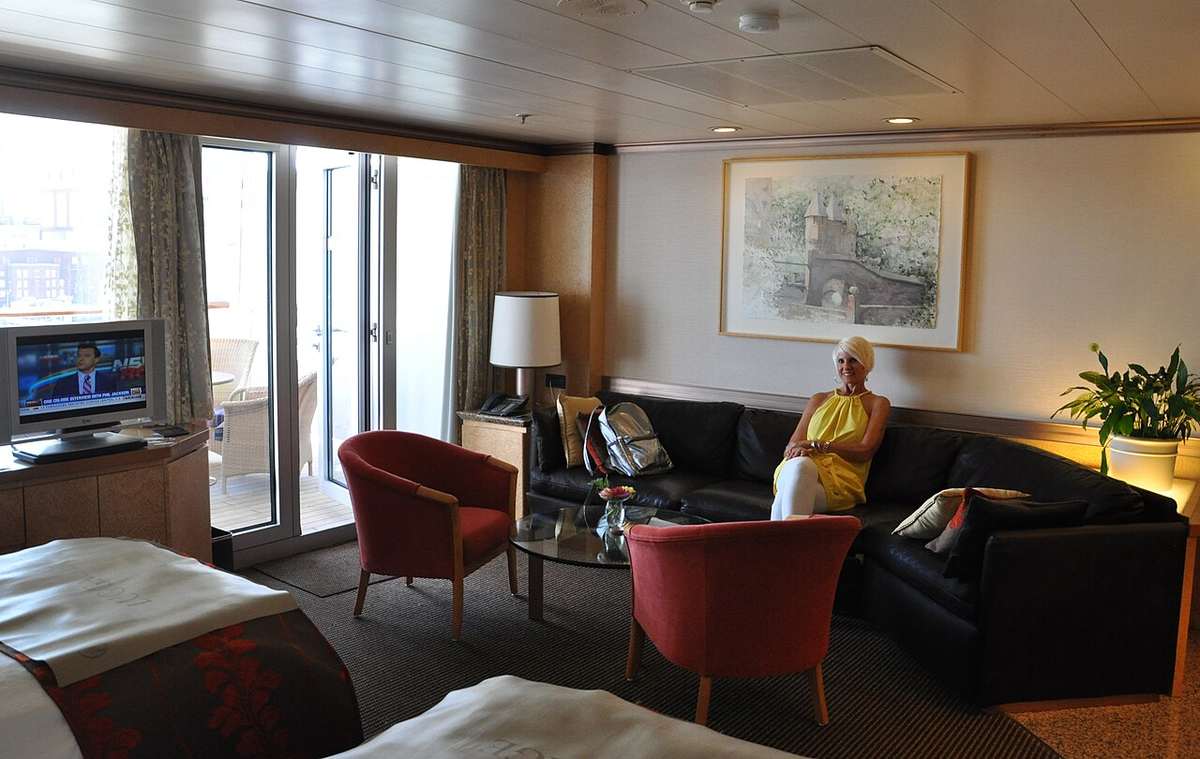
Category codes differ per line, so this post uses one line's published codes as the worked example and says so plainly: Carnival Cruise Line, taken from the category legends on Carnival's own published deck plans for Carnival Panorama and Carnival Celebration, checked at drafting. Carnival's system is a useful teacher because its logic is visible. The number announces the class — 4 for interior, 6 for ocean view, 8 for balcony, 7 for the in-between balcony types — and the following letter refines position and desirability within that class. Suites step outside the numbering with letter codes of their own.
Read the Panorama legend and the pattern teaches itself. Interiors run 4A through 4I, with 4J reserved for an interior that has a picture window facing a walkway, and PT for a porthole cabin. Ocean view runs 6A and 6B, with 6L and 6M as Deluxe Ocean View and 6J as Scenic Ocean View. Balconies run 8A through 8G, with 8M and 8N as Aft-View Extended Balcony, 9B as Premium Balcony and 9C as Premium Vista Balcony. The 7C Cove Balcony sits low in the ship, close to the waterline. Suites appear as JS for Junior Suite, OS for Ocean Suite and GS for Grand Suite, and Carnival Celebration's plan adds Excel suite codes for its newest ship. Same line, same logic, ship-by-ship variations — which is exactly why codes must always be read off the deck plan of the ship you are booking, via ships, and never carried across from another vessel or another brand.
| Carnival code family (worked example) | Carnival's label | What it tells you |
|---|---|---|
| 1A, PT, 4A–4I, 4J | Interior, Porthole, Interior with Picture Window | No sea view, except portholes in PT and a walkway-facing window in 4J |
| 6A, 6B, 6J, 6L, 6M | Ocean View, Scenic Ocean View, Deluxe Ocean View | A real window; the letter refines size, position and window type |
| 7C | Cove Balcony | A balcony set low in the ship, close to the waterline, with a more sheltered outlook |
| 8A–8G, 8M, 8N, 9B, 9C | Balcony, Aft-View Extended Balcony, Premium Balcony, Premium Vista Balcony | Step-out balconies; the refinements are position, balcony size and view |
| JS, OS, GS and Excel codes | Junior Suite, Ocean Suite, Grand Suite, Excel suites | The suite tier: more space and the line's suite privileges, coded by letters |
How to read any line's codes in five minutes
Open the official deck plan for your exact ship. Find the category legend — every line publishes one. Identify which code families map to the four classes, then look at what the letters are actually sorting: usually deck height, midship versus ends, and view quality. Check the legend's symbols for the cabins behind the codes you are quoted, because symbols carry the facts about sofa beds, upper bunks, connecting doors and obstructed views. Finally, price two adjacent codes rather than two distant ones: the step from one letter to the next is the true cost of position, and it is often the best-value decision on the page. Where a cabin sits — its noise, motion and walking distance — is a separate judgement, taken up in best cabin location on a cruise ship.
Conclusion: cruise cabin categories explained is really two lessons
Keep the two lessons separate and cruise cabin categories explained stays simple: the four classes are the industry's shared language, and the codes are each line's private dialect. Learn the classes once; learn the codes fresh for every line and every ship, from that line's own deck plan. A seller who quotes you a code without showing you the legend is asking you to buy a word you cannot translate.
Frequently asked questions
What is the difference between ocean view and balcony?
An ocean view cabin has a window or portholes that do not open and no outside space. A balcony cabin has a door onto a private outside area with room to sit. The classes can overlap in internal size; what you are buying with the step up is the outside space itself, not necessarily a bigger room.
What does an obstructed view actually mean?
Part of the view from the window or balcony is blocked, usually by a lifeboat, its launching gear or a structural feature. The deck-plan legend flags which specific cabins are obstructed, and the category is normally priced below its unobstructed neighbours. How much of the view is blocked varies by cabin, which is why the legend — not the category name alone — is the document to trust.
Are category codes the same across cruise lines?
No. Each line runs its own system, and the same code can describe different things on different lines — or on different ships of the same line, where newer vessels add categories older ones do not have. The worked example in this post is Carnival's published system precisely because no universal translation exists.
What is a guarantee category, and where does it fit?
A guarantee is a way of buying a class, or a minimum category, without selecting the specific cabin; the line assigns the cabin later and the fare reflects the loss of choice. It cuts across all four classes rather than sitting inside any of them, and it suits travellers who care about the class but not the position. That is cruise cabin categories explained in miniature: buy the class, surrender the choice — and the full trade is set out in the guarantee cabin guide linked above.
Sources
- Carnival Cruise Line — Carnival Panorama published deck plan and category legend
- Carnival Cruise Line — Carnival Celebration published deck plan and category legend
- Royal Caribbean — guide to stateroom types
With cruise cabin categories explained in codes as well as names, the fare ladder finally reads clearly. Once thecruise cabin categories read clearly, the fare ladder stops being a puzzle — compare the codes, not the names, and the price gaps start to make sense.
See the deals, total price first
Every deal we list will show the total — fare, taxes and port fees included — before you pay. That is the rule the deals page is being built to.
Browse cruise dealsNever overpay after you book
Once sign-ups open at launch, our price-drop alerts will watch the sailing you care about and flag it when the fare moves.
About price-drop alerts

Search cruises
Every result shows the total for your cabin — taxes and port fees included.