Tender Ports on a Cruise: Queues, Tickets and Weather Days
At tender ports the holiday starts with a queue for a small boat. This explainer covers how tendering works, who boards first, and the weather days when nobody boards at all. Tendering on a cruise runs on tickets, sea state and patience, and this explainer shows how to plan the port day around all three instead of discovering them at the gangway.
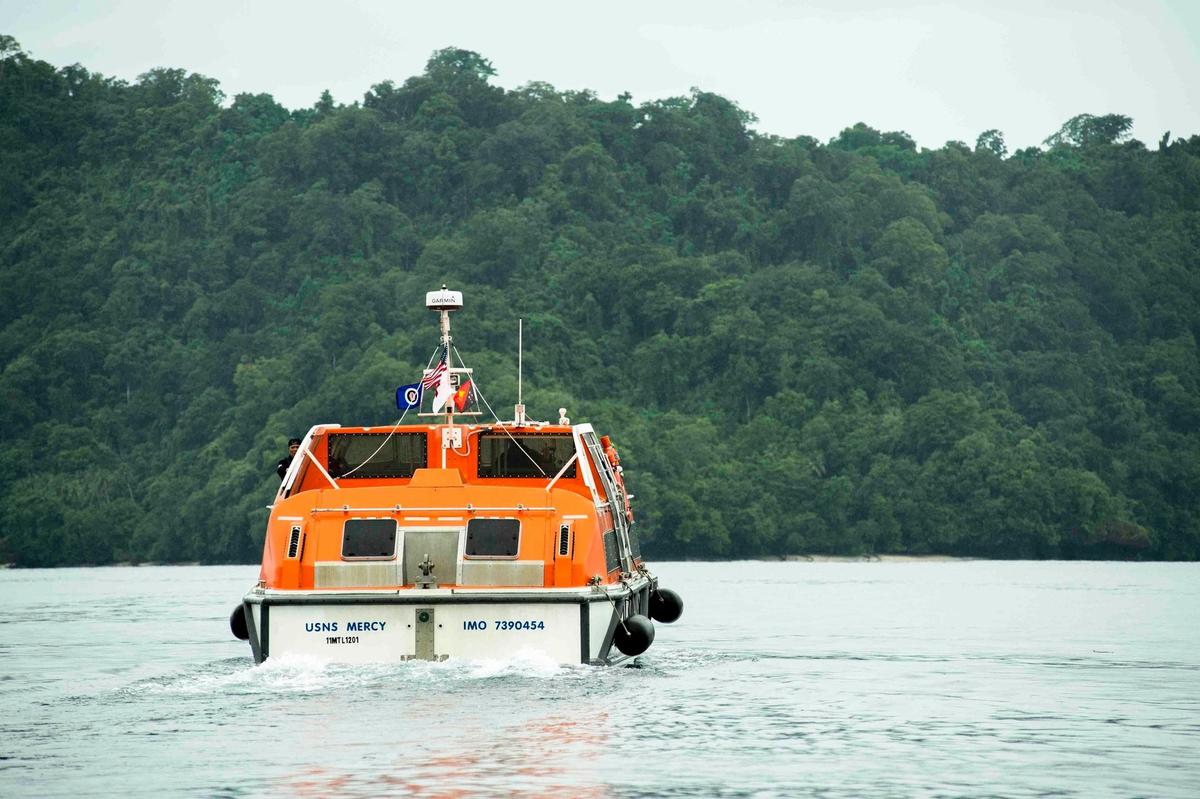
Tender ports on a cruise replace the gangway with a boat ride, and that single substitution changes the whole port day: how early it starts, how it can end, and what can cancel it. Norwegian Cruise Line's FAQ defines the tender plainly — "a smaller vessel used to transport guests between the cruise ship and ports of call when the ship cannot dock directly at the port" — and the reasons are geography and history: harbours too shallow, reefs too precious, or towns too small ever to have built a cruise pier. Some of cruising's most loved places work this way, from Grand Cayman to Bar Harbor to Santorini. This explainer covers the mechanics — the tickets, the priority order, the weather call — and the accessibility questions to settle before you sail, not at the pontoon.
How tender ports on a cruise actually run
Tickets, groups and the morning queue
The day starts with distribution: tender tickets or group numbers, handed out at a set place and time announced in the daily programme, or delivered automatically to guests on ship's excursions. NCL's FAQ adds the line-level caveat that applies everywhere — if the ship requires you to book the tender boat, you will be notified when on board. Boats cycle continuously, loading at a floating pontoon at the ship's side, and the crossing itself is usually short; the wait is the variable. Early groups go to early risers and the organised; independents who want the first hour ashore should treat ticket collection like an excursion booking. Grand Cayman shows the system at its most formalised: the Port Authority of the Cayman Islands runs its clearance process through the tenders themselves, with the ship's purser riding the first tender to present documents ashore.
The return: queues, last tender, and the arithmetic of buffers
Everything reverses in the afternoon, under time pressure. The ship publishes a last-tender time; miss it and you have missed the ship, because after it the boats stop and the anchor comes up. Queues build as the afternoon compresses, so the buffer logic from our framework for what to do in port on a cruise doubles here: arrive at the tender pier a full boat-cycle or more before the last tender, not in the same breath as it. The ship waits for its own delayed excursion groups as its policies provide; it does not wait for a queue of independents who all decided the last boat was a plan.
| Stage | What happens | Time cost | Working tip |
|---|---|---|---|
| Ticket collection | Groups or numbers issued aboard per the line's system | Minutes, if early | Collect before breakfast if you want the port's first hour |
| Outbound tender | Pontoon loading, short crossing, dock ashore | The crossing is brief; the wait varies | Ship's-tour guests usually load first — factor it in |
| The day ashore | Normal port day, minus the sight of your ship at a pier | Full day | Note the last-tender time before you leave the dock area |
| Return queue | Boats fill and cycle; queues peak late | Can be the day's longest wait | Be in the queue a full cycle before the last tender |
| Weather suspension | Captain or port authority pauses or cancels operations | The port day itself | Have a ship-day plan B; refunds follow the line's policy |
Tender ports on a cruise in bad weather — and the accessibility questions
When the boats stop
Tendering needs a reasonably calm patch of water at the ship's side. Swell that a docked ship would shrug off can make the pontoon dangerous, and the captain — sometimes with the port authority — can delay, suspend or cancel operations. Partial days happen: morning cancelled, afternoon running, or the fleet brought back early ahead of weather. A cancelled tender port usually becomes a sea day, and any refund or credit follows the line's published policy and ticket contract rather than any general rule; excursions booked through the line for the cancelled call are the line's to refund. None of this is a scandal — it is the known physics of the format, priced into why tender ports appear on itineraries at all. It is also worth one line of perspective: a suspended tender morning is the safety system working, visibly, at the exact point where two vessels meet in open water — the inconvenience is the cost of the caution, and the caution is the point.
Boarding a tender with limited mobility
State this carefully, because it matters: tender boarding involves a gangway or steps onto a moving platform, transferring between two vessels whose relative motion the crew manages but cannot remove. Lines publish accessibility guidance per ship and port, and their positions differ — some restrict tender use for certain mobility devices or in certain conditions, and assessment can happen on the day, based on sea state. The correct procedure is to contact the line's accessibility team before sailing, name your tender ports, and get their guidance in writing; our accessible cruising guide covers that conversation in depth. No guide can guarantee boarding in any weather, and any that does should not be trusted.
Frequently asked questions
Does the tender ride cost extra?
No separate fare is charged for the tender itself on the mainstream lines — the boats are the ship's gangway for the day, and tickets are for ordering the queue. What you pay for ashore is your own, as in any port.
Which ports are tender ports?
Well-known tender calls include Grand Cayman, Belize City, Bar Harbor, Santorini and Half Moon Cay, among many others — but tendering is assigned per ship and per day, and the same port can dock one ship and tender another. Your itinerary and pre-sailing documents mark each call; believe them, not lists.
Can I skip the queue with a shore excursion?
Usually, in effect: guests on the ship's own tours are typically tendered in the first groups, as each line's policy provides, because the tours run on the ship's clock. It is a legitimate reason to take a ship tour at a tender port even when the sight itself is near the dock.
What if I miss the last tender?
You have missed the ship. Contact the line's port agent — their details are in the daily programme you should photograph before going ashore — and expect to rejoin at the next port at your own expense. The entire system of tickets, queues and buffers exists to make this paragraph theoretical.
Conclusion: tender ports without the stress
The bottom line: tender ports on a cruise are a fair trade — a short boat ride and a managed queue in exchange for harbours no pier could serve. Collect the ticket early, write down the last tender before you leave the dock, keep a weather eye on the day, and browse the tender calls on your route from our ports page before you sail.
See the deals, total price first
Every deal we list will show the total — fare, taxes and port fees included — before you pay. That is the rule the deals page is being built to.
Browse cruise dealsNever overpay after you book
Once sign-ups open at launch, our price-drop alerts will watch the sailing you care about and flag it when the fare moves.
About price-drop alerts

Search cruises
Every result shows the total for your cabin — taxes and port fees included.