Cruise Taxes and Port Fees Explained: Where the Extra Money Goes
"Taxes, fees and port expenses" is a bundle of pass-through charges: port dues, head taxes, pilotage and government taxes on the ticket. The cruise line collects these charges but does not set most of them, and does not keep them as profit in the way it keeps fare revenue. Cruise taxes and port fees are itemised on the booking invoice, so the bundle can be checked charge by charge before final payment.
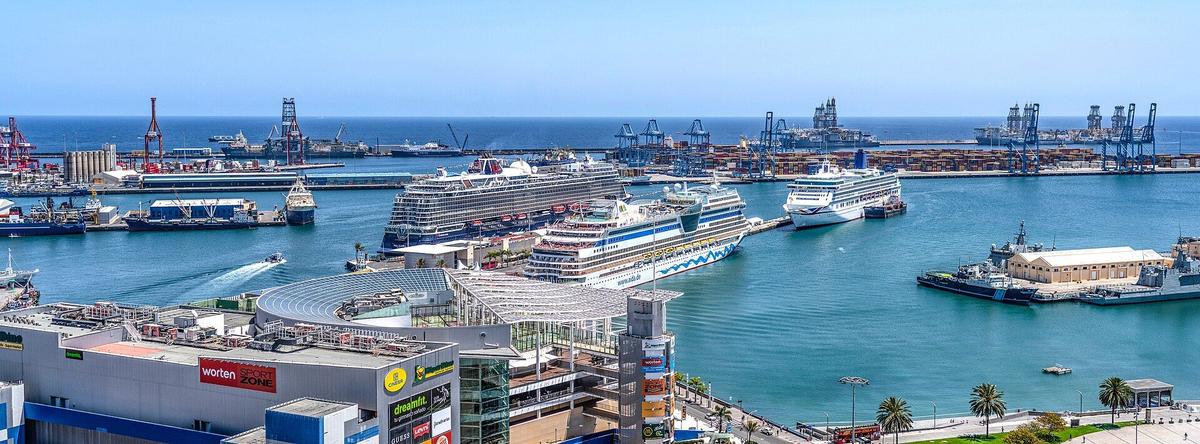
Every cruise quote has a second number hiding behind the first. With cruise taxes and port fees explained properly, that number stops looking like a surcharge invented at checkout and starts looking like what it is: a bundle of charges levied by ports and governments, collected by the cruise line, and owed on every booking regardless of where you buy. This guide breaks the bundle apart — what each charge is, who sets it, why it is separated from the fare at all, and why the honest way to sell a cruise is to show it from the first screen instead of the last.
Cruise taxes and port fees explained, charge by charge
Three components inside one line item
The bundle has three broad components. The first is port charges proper: the fees a port authority levies for a ship to berth, use the terminal, take on water and waste services, and move passengers through its facilities. Busy ports charge more; a multi-port itinerary stacks several sets of these dues into one booking. The second is government-imposed passenger taxes — departure and arrival taxes, head taxes levied by destination governments, and taxes on the ticket itself, which vary by country and sometimes by state. The third is operational pass-throughs such as pilotage and navigation fees. Line terms describe the category in words to this effect — MSC's US terms, for example, reserve the right to vary the price for "dues, taxes or fees chargeable for services such as embarkation or disembarkation fees at ports or airports" — which tells you both that the charges are real and that they can move after you book if the authorities move them first.
Cruise taxes and port fees explained: why this layer sits outside the fare

Practical reasons, presentational reasons
There are practical reasons and presentational ones. Practically, the charges differ by itinerary, port and passenger count, and they change when port authorities or governments change them, so lines account for them separately from the fare they control. Presentationally, separating them makes the headline fare smaller — and for years the industry norm was to advertise the fare and reveal the rest during booking. That norm is now under legal pressure. California's Honest Pricing Law (SB 478, part of the Consumers Legal Remedies Act) makes it unlawful to advertise a price that does not include all mandatory fees and charges, other than government-imposed taxes themselves. The California Attorney General's guidance is blunt: a business can charge what it wants, but the posted price must include the full amount a consumer will pay. Major cruise companies have adopted total-price display nationally rather than run two systems. The direction is set, even where enforcement is still catching up; our how our prices work page commits to the total-first format regardless of where a buyer lives.
| Charge inside the bundle | Set by | Paid to | Refundable if you cancel? |
|---|---|---|---|
| Port dues and terminal charges | Port authority | The ports on your itinerary | Generally yes, per line terms |
| Passenger head taxes and departure taxes | Destination governments | Those governments | Generally yes, per line terms |
| Taxes on the ticket | Government tax rules | Tax authorities | Generally yes, per line terms |
| Pilotage and navigation fees | Port/harbour authorities | Service providers via the line | Generally yes, per line terms |
What cruise taxes and port fees mean when you compare prices
Because this layer is identical whoever sells you the cruise — the ports charge the ship, not the seller — it can never be the source of a genuine saving. If one quote looks cheaper than another for the same sailing, and the difference sits in this layer, one of the quotes is simply not showing it yet. The correct comparison is always the full cabin total with taxes, fees and port expenses included, for the same ship, date, category and guest count. That is also why per-person headlines mislead twice over: once by halving the cabin, and again by parking this bundle out of sight, as cruise price per person explained sets out. And it is why what a cruise really costs treats this layer as the second of five that make up the true bill. The FTC's Guides Against Deceptive Pricing apply the same honesty test to any reference price a seller sets beside the fare.
Refundability follows the charge type
One more practical point: because these charges are pass-throughs, they behave differently from the fare when plans change. Cancel inside the penalty window and the line's cancellation schedule applies to the fare; the taxes-and-fees layer is generally returned, because the ship never incurred it. Check your line's ticket contract for the exact treatment, but do not let a seller bundle the two together to make a cancellation look more expensive than the contract says.
Seeing the bundle on your own confirmation
You can see the bundle working on your own paperwork: a proper booking confirmation separates the cruise fare from the taxes, fees and port expenses line, per guest. If a seller's confirmation merges everything into one unexplained lump — or, worse, shows a taxes figure that shifts between quote and confirmation — ask for the itemised version before final payment. The lines produce it as a matter of course; a seller who will not show it is choosing not to.
Frequently asked questions
Are cruise taxes and port fees the same on every website?
Yes, for the same sailing and cabin. They are levied on the ship and its passengers by ports and governments, so no seller can discount them or mark them up as a competitive move. Any difference you see is a display difference, not a price difference.
Why do taxes and port fees change between itineraries?
Each port sets its own dues, and each government its own taxes. A seven-night itinerary calling at four ports collects four sets of port charges plus the applicable taxes; a three-night sailing to one port collects far fewer. Longer, port-intensive itineraries carry a heavier bundle.
Can taxes and port fees go up after I have booked?
Line terms generally allow the pass-through amount to be adjusted if the underlying charges change — MSC's US terms, for instance, expressly reserve the right to vary the price for dues, taxes and port-related fees. The fare you booked is the stable part; this layer follows the authorities.
Do I pay taxes and port fees for children and extra guests?
Yes. The charges are per person, so third and fourth guests in a cabin — including children — attract them even when their fare is reduced or promoted as free. A "kids sail free" headline means the fare layer only.
The bottom line: with cruise taxes and port fees explained as pass-through charges rather than seller padding, the shopping rule becomes simple — never judge a cruise by any number that excludes them. Demand the full total up front, as set out on how our prices work, and every seller is suddenly quoting the same bundle on the same terms. Treatcruise taxes and port fees as part of the fare from the first glance, and no seller can make a quote look cheaper by leaving them out.
See the deals, total price first
Every deal we list will show the total — fare, taxes and port fees included — before you pay. That is the rule the deals page is being built to.
Browse cruise dealsNever overpay after you book
Once sign-ups open at launch, our price-drop alerts will watch the sailing you care about and flag it when the fare moves.
About price-drop alerts


Search cruises
Every result shows the total for your cabin — taxes and port fees included.