Cancel for Any Reason Cruise Insurance: What the Upgrade Really Returns
Standard insurance pays for listed reasons; CFAR pays for cold feet - partially, and only if bought in time. This post dissects the rider's percentage, format and deadline traps. This cancel for any reason upgrade to standard cruise insurance pays back only part of the fare, and only when it was bought within days of the first payment.
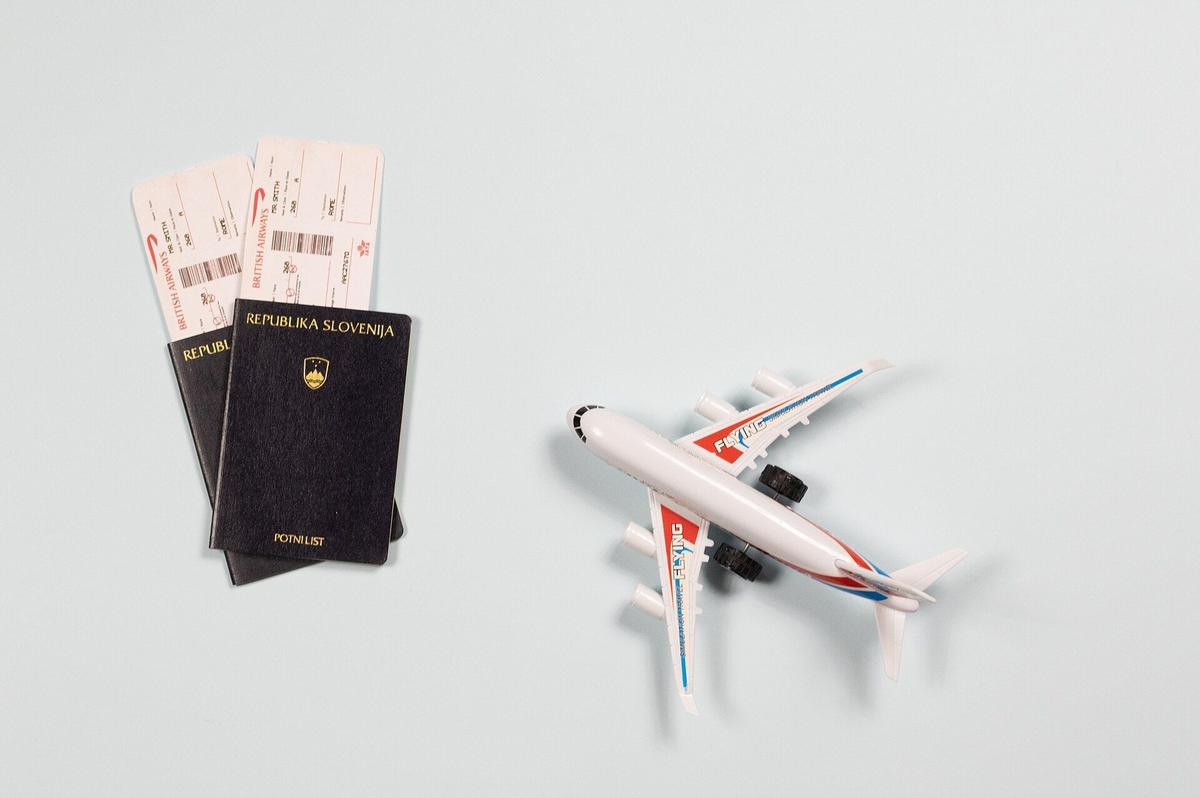
Standard travel insurance is a list. Your reason for cancelling is either on it — serious illness, a death in the family, a job loss under conditions — or it is not, and the policy pays nothing. Cancel for any reason cruise insurance exists for the second pile: the new job that starts early, the wedding that moves, the simple change of heart. It is the most marketed upgrade in travel insurance and the most misread, because its name promises the one thing its terms never deliver: any reason, yes — but a partial refund, in a specified format, bought inside a window that closes within days of your first deposit. This post dissects the rider from named policy documents (Allianz's published CFAR explainer, checked October 2026) and keeps its boundary with the general product: cruise travel insurance explained owns insurance as a whole. This post owns the rider only. No product is recommended here; the mechanics are the content.
Cancel for any reason cruise insurance: what the rider actually is
An upgrade bolted onto named-peril cover
Allianz's explainer (checked October 2026) sets out the structure its competitors share. A standard plan pays trip-cancellation claims for named reasons only. The CFAR upgrade extends the claim to reasons the plan does not name: cancel for a non-covered reason and the rider reimburses a percentage of your prepaid, non-refundable costs — "typically 50% to 75%" in Allianz's words for CFAR plans generally. Two consequences follow. First, the rider never stands alone: decline the base plan and there is nothing to upgrade. Second, the percentage applies only to costs that are both prepaid and non-refundable — a refundable hotel or a credit the line already returned is not a loss the rider insures. The US Department of State's cruise guidance is the sober backdrop here: it urges cruise passengers to carry a passport book precisely because emergencies force plan changes nobody schedules — the rider is for the changes that are not even emergencies.
The deadlines are the product
CFAR's strictness is concentrated at purchase and at cancellation. On purchase: Allianz states the upgrade must generally be bought "within a specified window after making your first trip deposit, usually 10–21 days," and its own Cancel Anytime variant requires buying within 14 days of the first deposit and insuring the full non-refundable cost of the trip. On cancellation: CFAR claims typically require cancelling "no later than 48 hours before your scheduled departure," per the same comparison. Between those two gates sits the price: the explainer puts the rider's cost at around 50% on top of the base premium. Miss the purchase gate and no premium buys the rider later; miss the cancellation gate and the reason stops mattering entirely. This is why the rider must be decided at deposit, not at final payment — the opposite rhythm to the penalties it protects against in cruise cancellation policies explained.
Cancel for any reason cruise insurance vs the lookalikes

Named documents, named differences
The sharpest illustration comes from the source itself. Allianz states it does not sell CFAR as such; it sells a variant it calls Cancel Anytime on two named plans, reimbursing 80% of prepaid, non-refundable costs, cancellable as late as departure day, with a maximum trip-cost reimbursement of $16,000 and the 14-day purchase rule (all per its published explainer, October 2026). Set that beside the general CFAR column — 50–75%, 48-hour rule — and the lesson is the referee's standard one: "CFAR" is a family name, not a specification. The third lookalike is not insurance at all: the cruise lines' own cancellation waivers and protection plans, sold at booking, which typically waive the line's own penalties and pay out substantially in future cruise credit rather than cash, under the line's programme terms rather than an insurance policy. A waiver can be the right purchase; it is simply a different animal — it covers the line's charges, not your flights, hotels and third-party costs, and its "refund" may sail only on that line.
| Feature | Standard cancellation cover | CFAR upgrade (per Allianz's published explainer) | A cruise line's own cancellation waiver |
|---|---|---|---|
| What triggers a payout | A reason named in the plan | Any reason the plan does not name | Cancelling the cruise, under the programme's terms |
| How much comes back | Up to 100% of prepaid, non-refundable costs | Typically 50% to 75% of them | The line's penalties waived; value often returned as future cruise credit |
| Format | Cash reimbursement on claim | Cash reimbursement on claim | Credit with the same line, typically |
| Purchase deadline | With the plan | Usually within 10–21 days of first trip payment | At booking or before final payment, per programme |
| Cancellation deadline | Per plan terms | Usually at least 48 hours before departure | Per programme terms |
| Covers flights and hotels too | If insured in the trip cost | If insured in the trip cost — insuring the full cost is commonly required | No — the line's own charges only |
Who the rider genuinely serves
The honest use case is narrow and real: an expensive, heavily non-refundable trip, booked far ahead, under circumstances visibly capable of changing for reasons no policy names — a job in negotiation, a family situation in motion, a companion whose participation is doubtful. If your likely cancellation reasons are already on the named list, the base plan is the purchase and the rider is a surcharge on peace of mind. If your costs are mostly refundable or creditable, there is little non-refundable loss for a percentage to apply to. And if the deposit was paid three weeks ago, the decision has already been made for you — the window is closed. When you price the sailing itself, an advisor can lay these products beside the fare without selling you any of them; start with a quote that itemises what is actually at risk.
Frequently asked questions
How much do I get back with cancel for any reason cruise insurance?
For a reason your plan does not name: typically 50% to 75% of your prepaid, non-refundable trip costs, per Allianz's published explainer (checked October 2026). One named variant, Allianz's Cancel Anytime upgrade, publishes 80% with a $16,000 trip-cost cap. For a reason the plan does name, the base cover can reimburse up to 100% — the rider is not involved.
When do I have to buy the CFAR upgrade?
Almost immediately. Allianz's explainer puts the window at usually 10–21 days after your first trip payment; its own variant requires purchase within 14 days of the first deposit and insuring the trip's full non-refundable cost. Buy the cruise in January and ask about CFAR in March, and the answer is no at any price.
Does CFAR pay cash, or cruise credit?
The insurance rider pays a cash reimbursement on an approved claim — that is its structural advantage. Cruise lines' own cancellation waivers are the products that commonly pay in future cruise credit. Read which product you are being sold before assuming: the nickname "cancel for any reason" is used for both.
Does a hurricane forecast count as a reason?
A forecast is not a named peril, and a sailing that operates is not a cancellation by the line — that gap is precisely CFAR's territory, provided you cancel inside its deadline (usually at least 48 hours before departure) and the plan's other conditions are met. If the line itself cancels, different rules — the line's and the base policy's — take over.
Conclusion: insurance for the what-if, summed up
The bottom line: cancel for any reason cruise insurance is a partial-refund machine with two hard deadlines, sold as an upgrade and constantly confused with the lines' credit-paying waivers. Read the percentage, the format and the purchase window off the named policy document — never off the nickname — and decide at deposit, because that is when the rider is still for sale. One reason cruise insurance buyers pay extra for this rider is the freedom to change plans, and that freedom is only for sale at deposit.
See the deals, total price first
Every deal we list will show the total — fare, taxes and port fees included — before you pay. That is the rule the deals page is being built to.
Browse cruise dealsNever overpay after you book
Once sign-ups open at launch, our price-drop alerts will watch the sailing you care about and flag it when the fare moves.
About price-drop alerts




Search cruises
Every result shows the total for your cabin — taxes and port fees included.