Best Shoulder Season Cruises: Where the In-Between Months Shine
Shoulder season is when the Med still swims warm, Alaska runs quiet and the Caribbean rolls the dice. This guide picks destinations by what the in-between months actually feel like. The shoulder season cruises worth taking are picked the same way here: by destination and month together, for what the in-between weeks actually feel like on the ground.
The best shoulder season cruises are not a compromise holiday. They are what happens when you sail a region in the weeks just before or just after its peak: the same ports, the same ships, the same sea — but with fewer people competing for all three. Shoulder season is a calendar fact, not a marketing label. Every cruise region has a high season set by weather and school holidays, and edges on either side where the weather is mostly still good, the ships are still sailing, and the crowds have thinned. This guide is about the experience of those edges — where they shine, where they bite, and how to pick the right one. The demand mechanics behind shoulder pricing are a separate subject, covered in shoulder season cruise prices; here, the subject is the trip itself.
What makes the best shoulder season cruises feel different
The Mediterranean in autumn and late spring
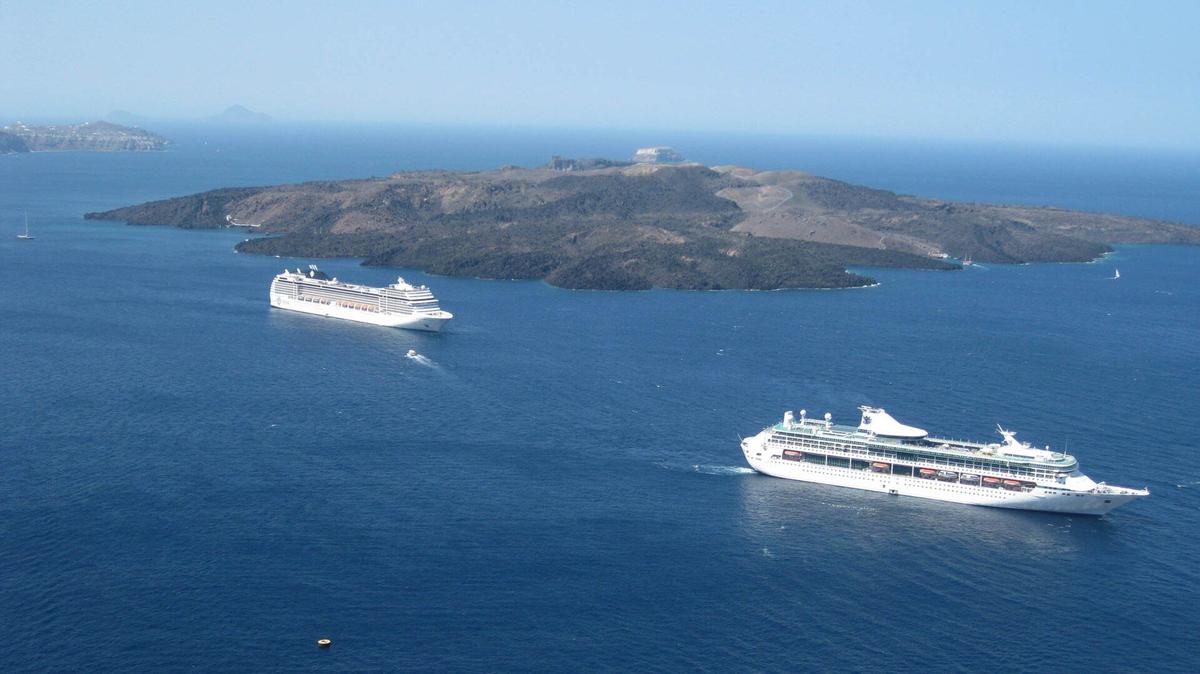
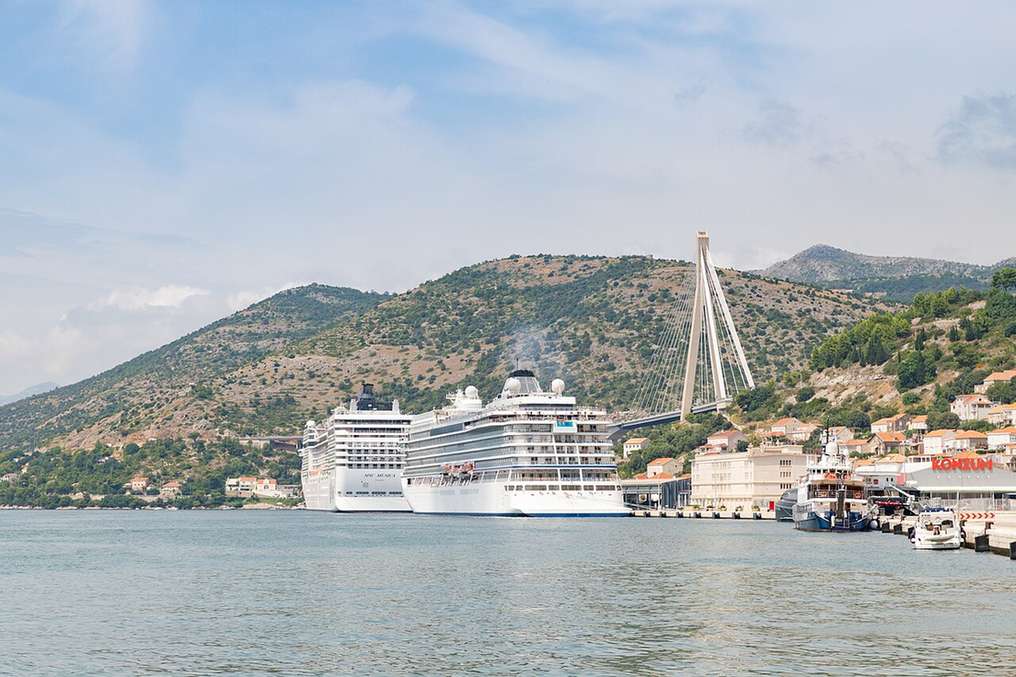
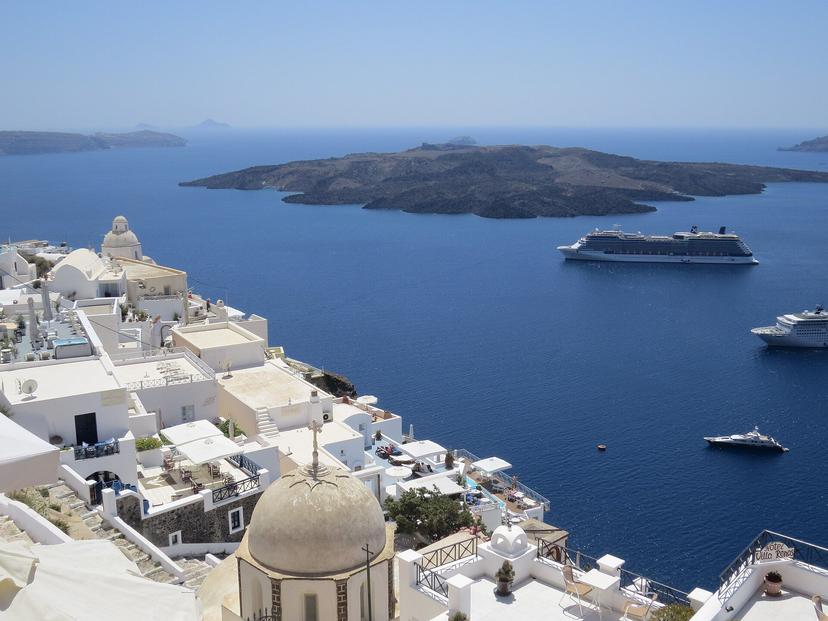
The Mediterranean is the classic shoulder-season win. As Celebrity Cruises' Eastern Mediterranean pages describe the region (checked October 2026), the eastern Mediterranean season is long — sailings can run from as early as February to as late as November, with the peak between May and September — and the line itself points to the slower pace in ports outside that peak. Autumn is the connoisseur's edge: the sea has stored a summer of heat, so swimming stays pleasant after the August crowds have gone home, while cities like Dubrovnik, Valletta and Athens return to the people who live in them. Late spring offers the mirror image — warming weather, long evenings building toward the solstice, and ports not yet at full throttle. What changes on the ground is tangible: the queue for the Dubrovnik cable car shrinks, Santorini's caldera paths are walkable rather than shuffling, and the excursion you wanted is bookable the day before instead of a month before.
Alaska in May and September
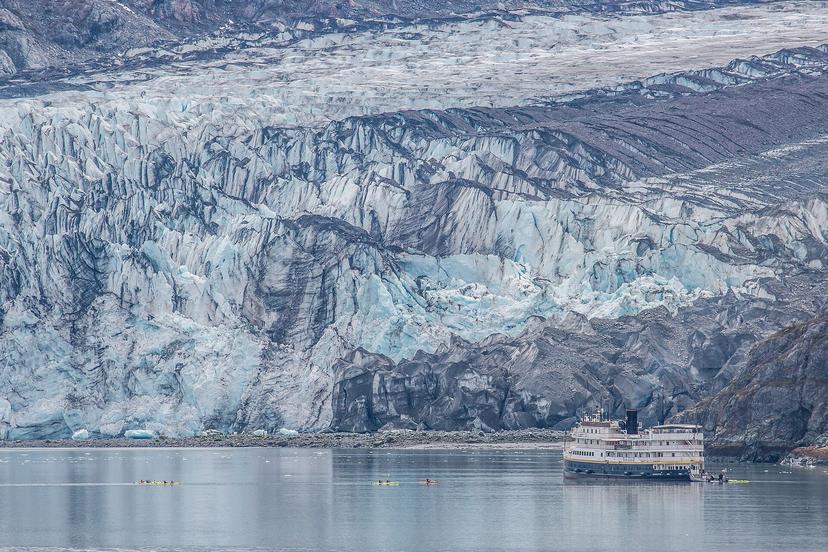
Alaska's season is short and sharply defined, which makes its shoulders easy to identify: May at the front, September at the back. May sailings catch the state shaking off winter — waterfalls run heavy with meltwater, the days are already long and lengthening, and the Inside Passage ports are at their least crowded. September trades that freshness for autumn colour, the first serious chance of northern lights on late sailings, and a noticeably quieter Ketchikan and Juneau. The honest caveats: May can still be cold on deck, especially near glaciers, and September is the wettest-feeling month in the southeast panhandle ports, with daylight visibly shortening week by week. Neither edge makes the trip worse; they make it a different trip, and travellers who dress for the forecast rather than the brochure tend to rate these sailings highly.
| Region | Shoulder windows | What improves | What to accept |
|---|---|---|---|
| Mediterranean | Late spring and autumn, outside the May-to-September peak | Quieter ports, warm autumn seas, easier excursion booking | Cooler water in spring; some venues reduce hours late in autumn |
| Alaska | May and September, the edges of the short season | Fewer crowds in port, long May daylight, September autumn colour | Cold deck weather near glaciers; September rain and shorter days |
| Caribbean | The edges of the calendar, outside peak winter demand | Thinner crowds on board and ashore | Atlantic hurricane season runs 1 June to 30 November per NOAA, so itineraries can flex |
| Northern Europe | Late spring and early autumn around the summer peak | Long spring evenings, calmer Baltic and fjord ports | Chilly evenings; some seasonal attractions closed at the extremes |
Choosing among the best shoulder season cruises, region by region
The Caribbean's edges need flexible travellers
The Caribbean sails year-round, so its shoulder is defined less by whether ships go than by the storm calendar and the demand calendar. NOAA's Climate Prediction Center dates the Atlantic hurricane season from 1 June to 30 November, with the vast majority of activity typically in the August-to-October peak (checked October 2026). That does not make summer and autumn Caribbean sailings a mistake — ships reroute around weather as a matter of routine, and the region's ports are built for it — but it does mean the traveller who falls in love with one exact itinerary is taking a small gamble that the peak-season traveller is not. In exchange, the edges of the Caribbean year deliver the region at its calmest on board: the same beaches, the same water, fewer people in both. If your dates can flex and your port list is a preference rather than a promise, the Caribbean shoulder is one of the best shoulder season cruises going. If a single port is the whole point of the trip, sail it in the settled winter season instead.
Reading the calendar before you book
The discipline that makes shoulder cruising work is embarrassingly simple: check what the destination is actually doing in your week. Ships publish their seasonal deployments well ahead — the lines' own destination pages show which months each region runs and where the peak sits, as the Celebrity eastern Mediterranean page does — and industry reporting from CLIA consistently shows demand concentrating into the peak weeks, which is precisely what leaves the edges quieter. Then match the edge to your tolerance. Heat-seekers should take the autumn side of the Mediterranean, never the spring side. Crowd-avoiders who pack properly can take either Alaska edge. Travellers bound to school holidays have no shoulder at all, and should stop reading and book the peak early — our month-by-month planner, best cruise destinations by month, lays the whole year out region by region, and the current shoulder-season sailings themselves are gathered on our deals page.
Frequently asked questions
What exactly is shoulder season on a cruise?
The weeks immediately before and after a region's peak season, when ships are still sailing the full programme but peak demand — and peak crowds — have not arrived or have already left. The exact weeks differ by region, which is why shoulder season is always quoted per destination, never as a single global window.
Is the weather still good on shoulder season cruises?
Mostly, with honest edges. Autumn Mediterranean seas are warm from the summer; spring seas are still cool. May in Alaska is dry-favoured but cold near the ice; September is wetter with shortening days. The Caribbean's summer-autumn shoulder sits inside NOAA's 1 June to 30 November hurricane season, so itineraries can be rerouted around storms.
Are ports and excursions open in shoulder season?
Yes in the main — the ships would not call otherwise — but the margins trim first: a beach club's late-autumn hours, a seasonal museum's opening days, the last sailing of a local boat tour. Checking the specific port's season dates before booking is the shoulder-season habit that prevents the only real disappointments.
Who should avoid shoulder season cruises?
Anyone whose trip depends on one fixed thing at its peak: guaranteed peak-summer heat, a festival that runs one specific week, or school-holiday dates that leave no choice. Shoulder season rewards flexibility; it quietly taxes rigidity.
Conclusion: shoulder-season cruises, timed well
The bottom line: the best shoulder season cruises are the same holidays the crowd is having, minus the crowd — the Mediterranean in autumn, Alaska in May or September, the Caribbean on flexible terms. Pick the edge that matches what you actually value, read the region's real calendar rather than the brochure's, and start from our deals page, where the shoulder sailings sit alongside the peak ones at their full, honest totals. Shoulder season cruises are the same holidays minus the crowd — and the destinations hub is the place to read each region’s real calendar before you pick your edge.
See the deals, total price first
Every deal we list will show the total — fare, taxes and port fees included — before you pay. That is the rule the deals page is being built to.
Browse cruise dealsNever overpay after you book
Once sign-ups open at launch, our price-drop alerts will watch the sailing you care about and flag it when the fare moves.
About price-drop alerts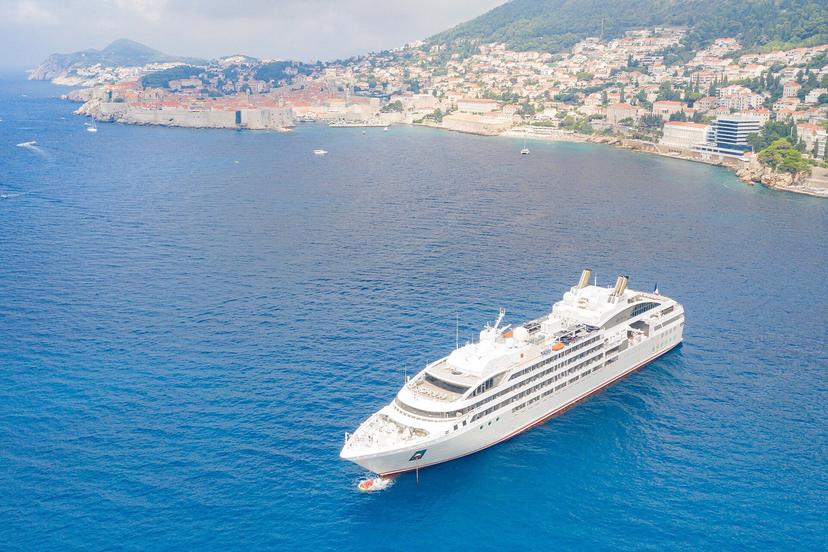

Search cruises
Every result shows the total for your cabin — taxes and port fees included.