Avoiding the Cruise Single Supplement: Studios, Sales and Timing
The single supplement is a pricing default, not a law. This playbook collects the legitimate ways around it - solo inventory, timed promotions, and the sailings where lines quietly drop it. The cruise single supplement shrinks fastest on sailings the line needs to fill, and this playbook ranks the workarounds by how often each one actually removes it.
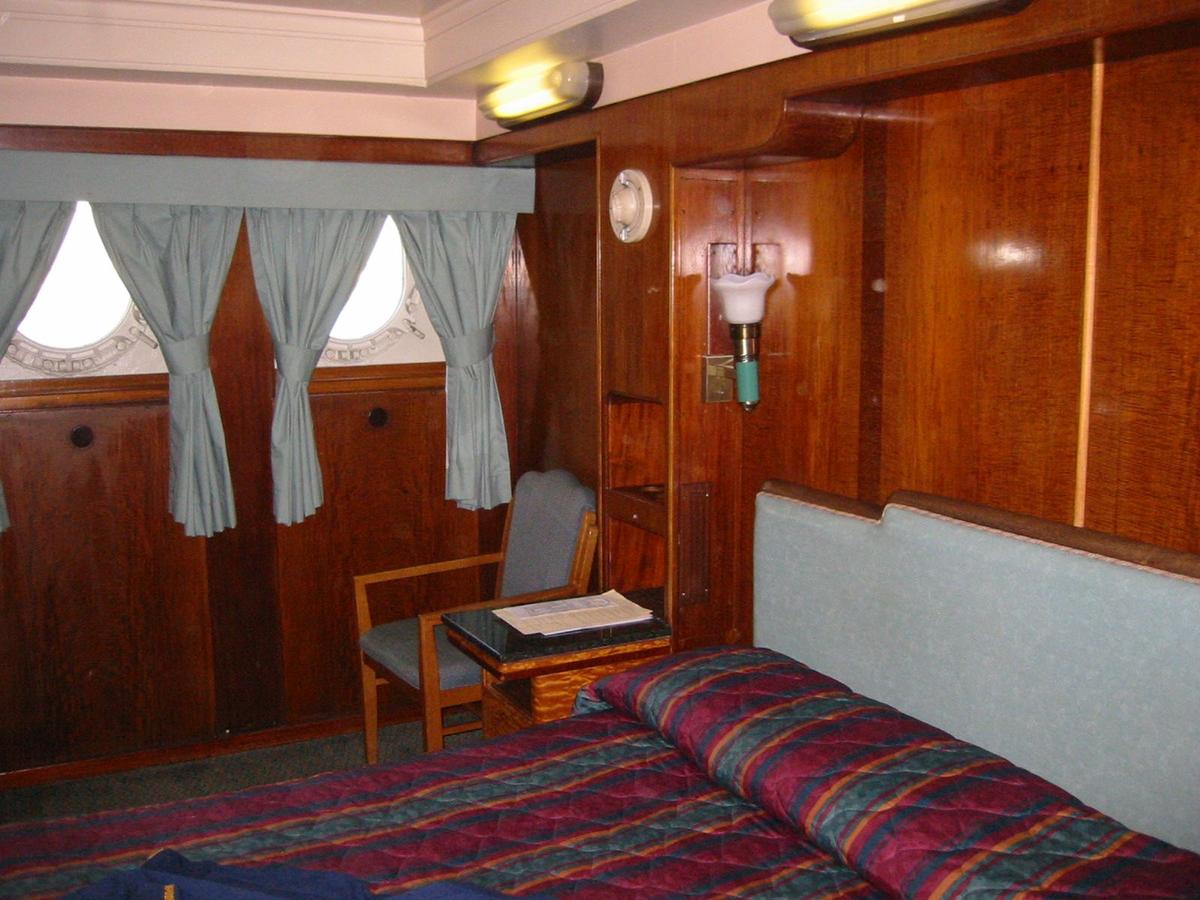
Avoiding the cruise single supplement begins with understanding what the supplement is: not a fee for travelling alone, but the arithmetic of a cabin priced for two being occupied by one. Lines quote fares per person at double occupancy, so a solo guest in an ordinary cabin is asked to make up the missing second fare — in full, in part, or, on the right ship at the right moment, not at all. The supplement is therefore a default, not a law, and this playbook collects the legitimate routes around it: cabins built and priced for one, solo promotions that cut the supplement on selected sailings, and the timing patterns that make lines soften it. This post owns tactics only. The concept itself — what the supplement is, the studio cabin idea, and a solo traveller's rights — is owned by the solo cruising guide, and this guide inherits that post's rule throughout: supplement percentages are stated only as a line publishes them, never as computed averages. The current offers are on our deals page.
Avoiding the cruise single supplement by choosing the right inventory
Cabins priced for one end the argument before it starts
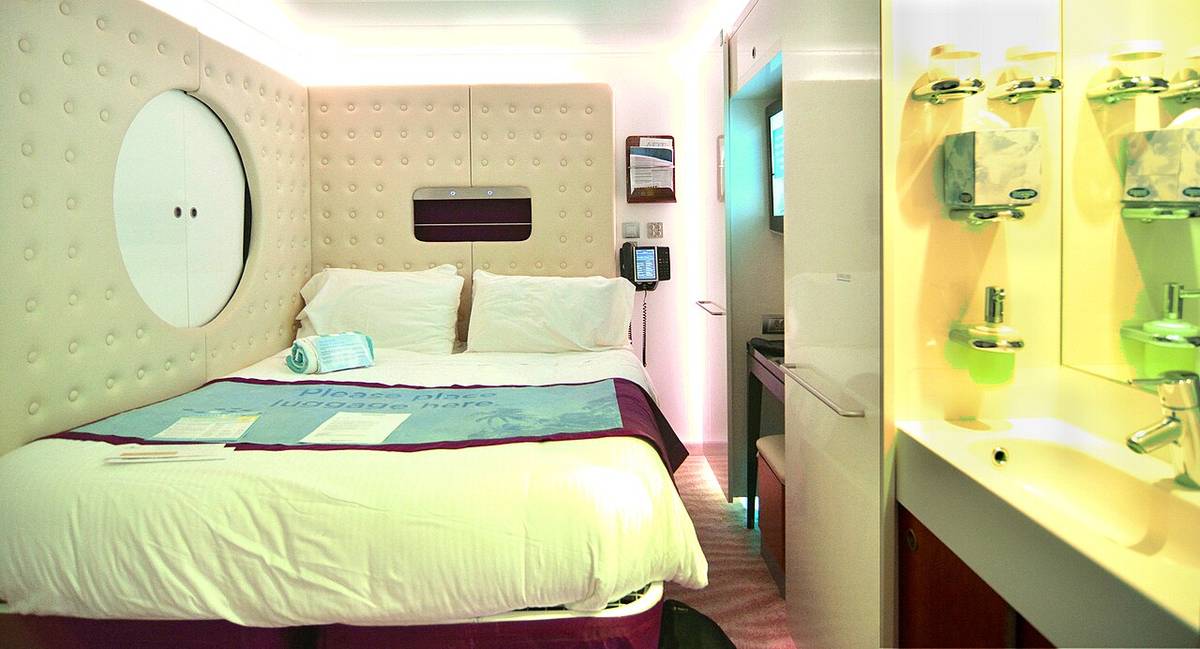
The supplement exists only where a cabin is priced for two. Remove that condition and the supplement has nothing to attach to. That is the logic of dedicated solo inventory: Norwegian's solo cruising page describes Solo Balcony, Solo Oceanview, Solo Inside and Solo Studio staterooms, and states the money sentence outright — traditional double occupancy rates do not apply to its solo cabins, which are available fleetwide in the newer categories. The Studio category adds the social machinery of a solo lounge on ships that carry it, with availability varying by ship, a detail to verify for the exact sailing rather than assume. Other lines carry smaller solo allocations under their own category names, and the verification habit is the same: the cabin's own category description, on the line's site, is the authority.
Two cautions keep this route honest. Solo inventory is limited by design — a small count of cabins per ship — so it sells early on popular sailings, and the solo fare for a dedicated cabin should still be compared against a supplemented standard cabin in a soft promotion; occasionally the supplemented balcony in a sale undercuts the solo inside at full solo fare. And a solo-priced cabin is not a discounted double: its size, position and amenities are its own, which is a fair trade when entered knowingly and a disappointment only when the word solo was read as a synonym for bargain. Priced openly, the dedicated cabin is the one route that avoids the supplement entirely rather than reducing it.
Avoiding the cruise single supplement through promotions and timing
Reduced supplements are campaign instruments
Where dedicated inventory does not exist or has sold, the supplement becomes a negotiable number inside promotions — not negotiable by asking, but variable by the line's own campaigns. Lines periodically publish solo offers that cut the supplement on selected sailings and categories, and the structure is always the same: a named offer, a booking window, a list of sailings, and terms that state the solo pricing as an exception to the double-occupancy default. That default is worth seeing once in print: Royal Caribbean's published pricing notes state that all rates posted are based on double occupancy and that a single guest wishing to have a stateroom to themselves will be expected to pay 200% of the category rate unless otherwise noted in the pricing. Unless otherwise noted is where every solo promotion lives.
Timing decides how often the exception appears. Supplements soften where the line's problem is empty cabins: shoulder-season departures, repositioning sailings, and the late window on sailings that have not filled — the demand mechanics are priced out in shoulder season cruise prices. The solo traveller's advantage is structural: one person can move faster than a family, needs no one's school calendar, and can take the single solo cabin a soft sailing has left. Set alerts for the ships and regions you want, keep documents ready, and treat a reduced-supplement offer as perishable — because in the line's own terms, it is.
The honest fallbacks: sharing, guarantee cabins and pricing the supplement honestly
When avoidance fails, reduction and arithmetic remain
Three fallbacks remain when neither solo inventory nor a solo promotion fits. The first is the oldest: share the cabin. A travelling companion — friend, sibling, fellow solo traveller matched through your own networks — restores double occupancy and deletes the supplement entirely, at the price of privacy, which some travellers gladly pay and others should not be talked into. The second is the guarantee cabin: a category booked without a chosen room, priced by the line to fill its least flexible inventory, which can soften the solo total on some sailings; the worth-it judgement for guarantee fares is its own post, and the solo version of it is simply that a traveller indifferent to cabin position is the traveller guarantee pricing rewards.
The third fallback is arithmetic — the refusal to compare the wrong numbers. A supplemented fare must be compared as a total: the solo traveller pays one set of taxes, fees and port expenses and one set of gratuities, not two, because those charges follow the guest, not the berth. A supplement that doubles the fare therefore less than doubles the bill, and on sailings where the fare is a small share of the total the solo penalty shrinks further. None of this makes the default fair; it makes it measurable. Measure it per sailing, chase the inventory and the campaigns that erase it, and the supplement becomes what this playbook set out to prove — a default with documented exits, not a tax on travelling alone.
| Route | How it avoids or reduces the supplement | What to verify |
|---|---|---|
| Dedicated solo cabin | The cabin is priced for one; double-occupancy rates do not apply | The category description for your ship and sailing |
| Solo promotion | A campaign prices single occupancy below the standard default on selected sailings | The offer's window, sailings and solo terms, dated |
| Shoulder or repositioning sailing | Soft inventory makes the line soften solo pricing | That the softness is in the quote, not assumed from the season |
| Sharing the cabin | Double occupancy is restored and the supplement disappears | That the privacy trade is one you actually want |
| Doing the full sum | Taxes, fees and gratuities are charged once, per guest | The total bill, not the fare line alone |
Frequently asked questions
What is the standard single supplement I am trying to avoid?
The published default is double-occupancy pricing: Royal Caribbean's terms state that a single guest in an ordinary stateroom is expected to pay 200% of the category rate unless the pricing notes otherwise. Other lines publish their own defaults; this guide states percentages only as lines publish them.
Which cabins avoid the supplement completely?
Cabins priced for one. Norwegian publishes Solo Studio, Solo Inside, Solo Oceanview and Solo Balcony categories and states that traditional double occupancy rates do not apply to them (checked October 2026). Availability is limited and varies by ship.
When are reduced-supplement promotions most likely?
Where the line needs the cabin filled: shoulder seasons, repositioning sailings and soft late inventory. The pattern is a tendency published by demand, not a promise — the quote for your sailing is the only proof.
Is it ever worth just paying the supplement?
Sometimes — when the ship, date and cabin are the point of the trip and no solo inventory or campaign applies. Price it as a total first: the supplement applies to the fare, while taxes, fees and gratuities are charged once, for one guest.
The bottom line on avoiding the cruise single supplement
Avoiding the cruise single supplement is a sequence, not a trick: look for the cabin priced for one, then the campaign that cuts the default, then the soft sailing where the line softens it itself — and measure every option as a total bill before paying anything. The supplement survives on travellers who assume it is universal. It is a default with exits, and the exits are published. Start from the solo-friendly offers on our deals page. Solo travellers who price the cruise single supplement as a line item, not a verdict, usually find at least one of these exits open on their dates.
See the deals, total price first
Every deal we list will show the total — fare, taxes and port fees included — before you pay. That is the rule the deals page is being built to.
Browse cruise dealsNever overpay after you book
Once sign-ups open at launch, our price-drop alerts will watch the sailing you care about and flag it when the fare moves.
About price-drop alerts

Search cruises
Every result shows the total for your cabin — taxes and port fees included.