Seattle Cruise Port Guide: Terminals, Luggage and Alaska Departures
Seattle sails from two terminals: Pier 66 downtown and Pier 91 at Smith Cove — check your documents for which one your ship uses. Good seattle cruise port tips begin with that terminal check too: Pier 66 and Pier 91 sit apart, so parking and transfers should be planned around the pier your documents name.
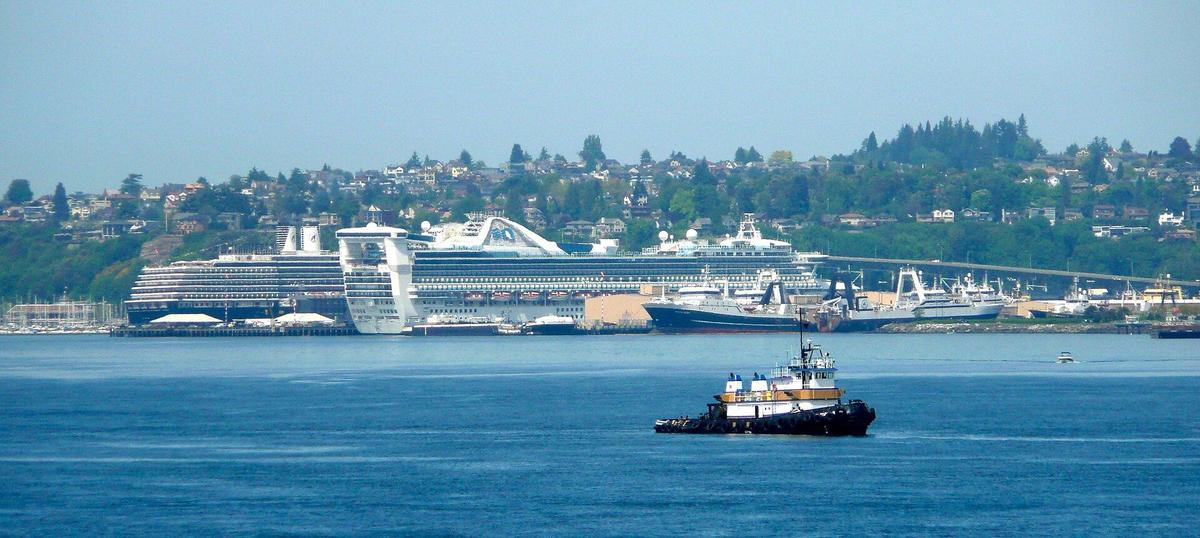
This seattle cruise port guide starts with the one fact that decides everything else about embarkation day: Seattle has two cruise terminals, and they are not interchangeable. Pier 66, the Bell Street Cruise Terminal, sits on the downtown waterfront. Pier 91, the Smith Cove Cruise Terminal, sits at the north end of the waterfront, a short drive away. Going to the wrong one costs time on the one morning when time matters most, so confirm the terminal printed in your cruise documents before booking transfers, parking or a hotel, and treat this guide as the planning layer underneath that confirmation.
Seattle cruise port guide: the two terminals compared
The Port of Seattle describes Pier 66 as an 11-acre complex on the downtown waterfront, an easy walk to Pike Place Market, the Seattle Aquarium and the Great Wheel. That location changes the shape of the day. A Pier 66 sailing can start with a downtown hotel, a walk along Alaskan Way and a short transfer with bags, and it can end the same way. Pier 91 is a different proposition: a purpose-built terminal at historic Smith Cove, roughly ten minutes from the retail core and the Space Needle in the port's description, with on-site parking and a ground transportation centre rather than a city-centre setting.
Choosing between Pier 66 and Pier 91
Neither terminal is "better" in the abstract. Pier 66 suits travellers who want a city break attached to the cruise and who are happy using taxis, rideshare or a line transfer from the airport. Pier 91 suits drivers, because parking is on site, and larger-ship sailings, because that is where most lines are based. What matters is matching your logistics to the terminal you actually have — airport timing, parking and luggage plans all read differently across the two piers.
| Terminal | Where it is | Lines listed by the Port of Seattle, as of October 2026 | Best-fit traveller |
|---|---|---|---|
| Pier 66 — Bell Street Cruise Terminal, 2225 Alaskan Way | Downtown waterfront, walkable to Pike Place Market | Norwegian Cruise Line, Oceania Cruises | Fly-in guests adding a downtown stay |
| Pier 91 — Smith Cove Cruise Terminal, 2001 West Garfield Street | North end of the waterfront at Smith Cove | Carnival, Celebrity, Cunard, Holland America, MSC, Princess, Royal Caribbean, Virgin Voyages | Drivers using on-site parking; most large-ship Alaska sailings |
Terminal assignments can change between seasons, and a line can move a ship. The table reflects the Port of Seattle's own terminal pages as of October 2026; your booking documents remain the final word for your sailing.
Getting to the pier in this seattle cruise port guide
The Port of Seattle puts both terminals at a 30–40 minute direct ride from SEA Airport, and that range deserves respect rather than optimism. Cruise days concentrate arrivals: several thousand passengers heading for the same two piers, on the same morning, through the same downtown road network. Build the journey around the check-in window your line assigns, not around the shortest drive time a map app shows on a quiet Tuesday.
Reaching each pier from the airport
For Pier 66, the port notes taxis and rideshare from the airport garage, motor coach transfers offered by some lines, and Link light rail into downtown Seattle — with the explicit caveat that there is no direct mass transit option to the terminal itself; the train gets you downtown, and you walk or take a short taxi or rideshare from there. For Pier 91, the port is blunter: light rail runs from the airport to downtown, public transit is not available to the Smith Cove terminal, and use of rideshare, taxi and other transport services is highly recommended. Read that as a planning instruction. A Pier 91 embarkation built on public transit alone is a plan with a gap in the middle of it.
Drivers should note the structural difference as well. Pier 66's parking is the Bell Street Pier garage across from the terminal. Pier 91's parking is an on-site lot with a complimentary shuttle to the terminal and a free cell phone waiting lot for pick-ups. In both cases, pre-booking where the operator offers it removes one queue from the day.
Parking, luggage and Port Valet
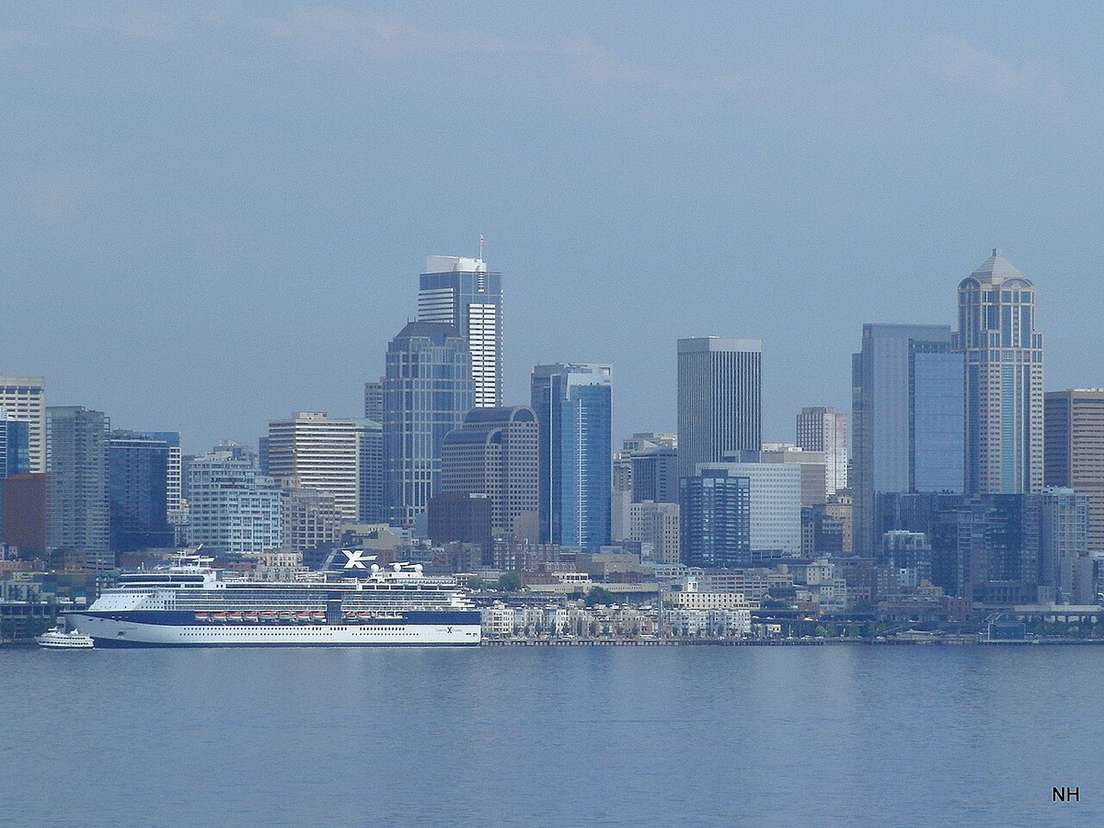
Parking rates are the kind of figure third-party guides routinely get wrong, so the rates here come only from the Port of Seattle's own terminal pages, as of October 2026. The port lists general parking at the Bell Street Pier garage for Pier 66 at $30 per day, not including taxes, with a maximum vehicle height of 6'6". At Pier 91, the port lists general parking from $27 per day in its 800-space on-site lot, with RV and overheight parking listed from $47 per day. The port marks rates as subject to change, so re-check the figure for your sailing date before budgeting — the point of citing the authority's own page is that it is the page that will be right on the day.
Luggage at the piers, before Port Valet
Luggage handling is where Seattle genuinely stands apart, and it works at both ends of the cruise. On embarkation day, both terminal pages list same-day luggage storage at $6 per bag, with pick-up by 3pm to avoid a late fee — useful for an early arrival with hours to fill downtown. Pier 66 also describes an early luggage drop-off option for embarking Norwegian Bliss, Joy and Encore guests, who may drop checked luggage from 8:00am and return by 2pm to continue embarkation.
On disembarkation day, the headline service is Port Valet, which the Port of Seattle describes as its complimentary luggage transfer service for cruise passengers, sponsored by the port. In plain terms, enrolled passengers hand their checked bags over at the ship and the service transfers them toward their flight home, freeing the last day in Seattle from dragging cases around. Participation depends on your line, your airline and enrolment timing, all of which are set out on the port's Port Valet pages and in the enrolment material for your sailing. If it is available to you, it is the single easiest upgrade to a Seattle disembarkation day — and it costs nothing, which is exactly why it fills up the planning conversation early.
Alaska-season timing and where Seattle fits
Seattle exists as a cruise port because of Alaska. The season is concentrated in the warmer months, sailings are heavily weekly, and the port day pattern — fly in, sail out, fly home — repeats at scale. That concentration is the reason the advice in this guide leans conservative: arrive the day before if you are flying any distance, keep the flight home comfortably after disembarkation rather than on the first departure of the morning, and let Port Valet or a late flight turn the last day into usable time instead of airport waiting time. For route, ship and month choices once the port is settled, the companion Alaska cruise guide covers the itinerary decisions, and travellers comparing a very different northern season can set it against the northern Europe cruise guide.
Documents for a sailing that visits Canada
One further check belongs in every Seattle plan: documents. Alaska sailings from Seattle typically call in Canada, which makes the document question an international one even though the cruise starts and ends in the United States. Confirm exactly what your line requires for your itinerary well before sailing day; the terminal cannot fix a document problem at check-in.
Frequently asked questions
Which terminal does my ship use in Seattle?
Check your cruise documents first. As of October 2026, the Port of Seattle lists Norwegian Cruise Line and Oceania Cruises as the home lines at Pier 66, and Carnival, Celebrity, Cunard, Holland America, MSC, Princess, Royal Caribbean and Virgin Voyages at Pier 91. Assignments can change, so the document for your specific sailing outranks any guide, including this one.
How long does it take to get from SEA Airport to the cruise terminals?
The Port of Seattle describes both Pier 66 and Pier 91 as a 30–40 minute direct ride from Seattle-Tacoma International Airport. Allow more on embarkation mornings, when cruise traffic concentrates, and work to your line's assigned check-in window rather than a best-case drive time.
How much is cruise parking in Seattle?
From the Port of Seattle's own pages, as of October 2026: $30 per day plus taxes at the Bell Street Pier garage serving Pier 66, and from $27 per day at the on-site lot at Pier 91, with RV and overheight parking at Pier 91 listed from $47 per day. The port states rates are subject to change, so confirm the current figure before you travel.
What is Port Valet and does it cost anything?
Port Valet is the Port of Seattle's complimentary luggage transfer service for cruise passengers: enrolled guests' checked bags are transferred from the ship toward their onward flight, so disembarkation day can be spent luggage-free. The port describes the service as complimentary and sponsored by the Port of Seattle. Eligibility depends on your cruise line, airline and enrolment, so follow the enrolment instructions issued for your sailing.
Conclusion: use this seattle cruise port guide to fix the terminal first
Everything in this seattle cruise port guide reduces to one sequence: confirm the terminal, then build the day around it. Pier 66 rewards a downtown, walkable plan; Pier 91 rewards a driven, park-on-site plan; both reward an early luggage decision and a realistic airport transfer. Once those pieces are fixed, compare Seattle against every other departure option on the ports hub at MyCruiseDiscount.com, where the port pages lay out terminals and logistics side by side so the sailing you book starts at the pier you actually planned for. All of it is upstream of the pier: theseattle cruise port tips that save an embarkation day are terminal confirmed, luggage decided, transfer realistic — and they cost nothing to get right.
See the deals, total price first
Every deal we list will show the total — fare, taxes and port fees included — before you pay. That is the rule the deals page is being built to.
Browse cruise dealsNever overpay after you book
Once sign-ups open at launch, our price-drop alerts will watch the sailing you care about and flag it when the fare moves.
About price-drop alerts

Search cruises
Every result shows the total for your cabin — taxes and port fees included.