Using Your Phone on a Cruise Ship: The Bill That Ruins Welcome Home
Ships carry their own mobile network, and phones join it silently at sea-going rates. This explainer covers maritime roaming, satellite wifi and the two settings that prevent the famous bill. Cell phone use on a cruise ship should be decided before sailaway, not at the first roaming alert, and the settings checklist below locks that decision in.

Using your phone on a cruise ship feels like using it anywhere else — signal bars appear, messages arrive, photos upload — and that is exactly the problem. A cruise ship carries its own mobile phone network, separate from land towers and from the ship's wifi. Once at sea, a phone in its normal settings quietly joins that onboard network and is billed at maritime roaming rates set by the home carrier, not the cruise line. Nothing on the handset warns the owner. The connection looks ordinary and announces its cost only when the carrier bill arrives after the holiday — by which point it dwarfs what the ship's wifi package would have cost for the whole sailing. This explainer decodes how that network works, why phones spend on it untouched, and the two settings that shut the trap before sailaway.
Using your phone on a cruise ship: the network nobody mentions
What the ship's mobile signal actually is
The service is generally marketed, when it is marketed at all, under names such as Cellular at Sea. Norwegian Cruise Line's own explainer describes it plainly: the onboard cellular service becomes available once the ship is in international waters — Norwegian puts activation at roughly six nautical miles from shore — and stays available until the ship nears land or docks again. The ship relays phone traffic by satellite; the home carrier treats the connection as roaming on a maritime network, sets the retail price and sends the bill. Because it is roaming, no included allowance covers it: a domestic plan's flat rate stops applying the moment the phone registers on the ship. The phone is only doing its job — fading shore signal, strong shipboard signal, automatic switch — and that silence is what makes the charge famous: passengers routinely learn the network existed only when the bill describes it back to them.
Why phones spend money without being touched
A traveller who never makes a call can still come home to a maritime data bill, because a modern handset is busy on its own account: email syncs, messaging apps poll, photo libraries back themselves up, app stores check for updates, social feeds pre-load — each a small data session routed through the satellite relay and billed under the carrier's maritime terms. Voice and texting add exposure whenever the phone sits registered on the network; a call home from mid-ocean is a satellite-routed roaming call. The comparison that matters is structural, not numerical: carrier maritime rates vary by carrier, plan and over time, so no honest guide can quote a figure still right when a reader sails. A wifi package is a fixed sum, known in advance. Maritime roaming is a meter running in the background — rates never seen, usage never consciously chosen, reconciled weeks later. Judged the way our guide to how cruise prices work judges every cruise charge — named, bounded, agreed before money moves — roaming fails on all three counts, silently.
Using your phone on a cruise ship without the bill: the two settings
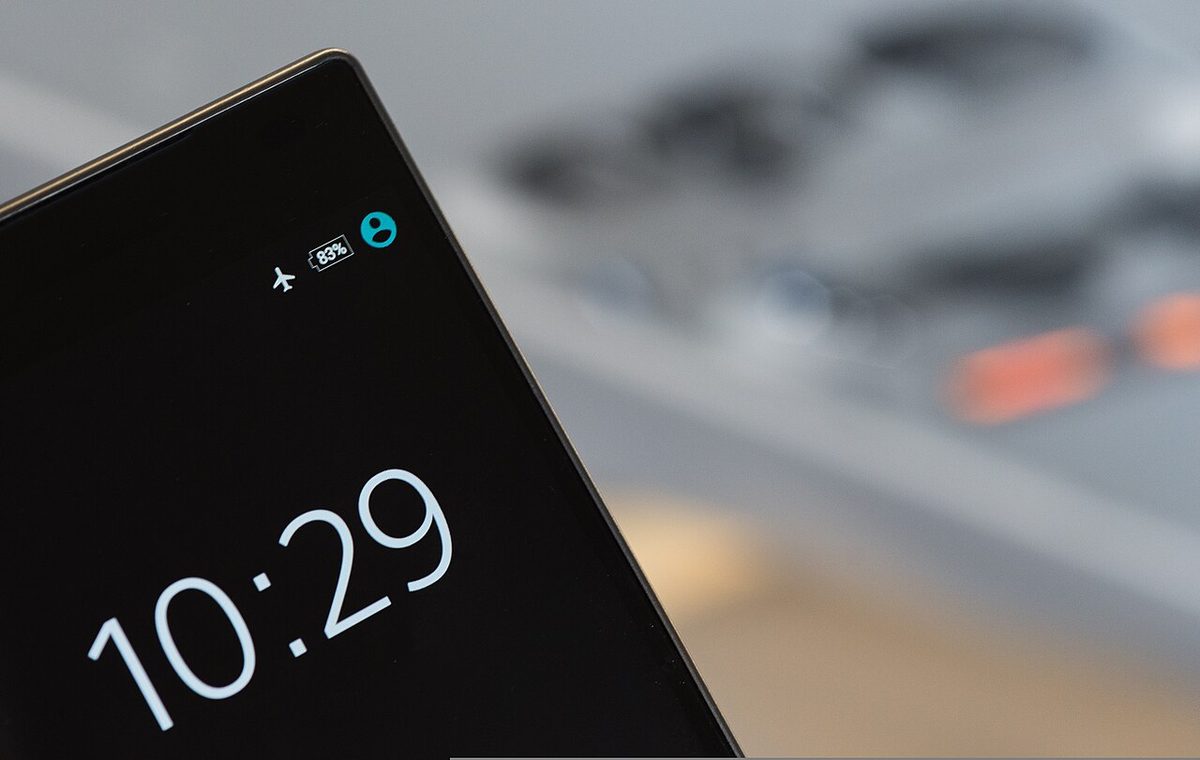
The setup, in order, before the ship leaves the dock
The fix is a configuration, not a purchase. First, switch the phone to airplane mode while still in port, before sailaway. Airplane mode shuts the cellular radio down entirely, making registration on the ship's maritime network impossible rather than merely discouraged. Second, with airplane mode still on, switch wifi back on by itself — the two controls are independent on modern handsets — and join the ship's wifi network. That pairing is the whole rule: cellular off, wifi on. The line's app works over the ship's internal network for schedules, deck plans and bookings; a purchased internet package delivers messages, email and browsing over the same connection; and wifi calling, where package and handset support it, stands in for ordinary calls. Whether that package earns its price is analysed separately in are cruise wifi packages worth it, because the break-even question and the roaming trap are different problems. The referee's point is narrower: declining wifi while leaving cellular on is not saving — it is swapping a known price for an unknown one.
| Setting | At sea | In port | Why |
|---|---|---|---|
| Airplane mode | On throughout | Off only if using a land network deliberately | Blocks registration on the ship's maritime cellular network |
| Wifi | On, joined to the ship's network | On or off as needed | Carries the line's app and any purchased internet package |
| Mobile data and data roaming | Off, as back-up | On only under a known land plan or pass | Blocks silent background data if cellular returns |
| Automatic downloads and cloud backup | Paused or set to wifi-only with care | Resume normally | Stops backups and updates consuming metered connections |
| Wifi calling | On if the ship's package supports it | Optional | Routes calls over the internet instead of cellular |
Ship wifi is the controlled alternative, described by the lines in their own terms. Royal Caribbean's VOOM pages present a satellite-delivered package bought per device, usable from stateroom to pool deck for messaging, browsing, email and streaming. Carnival's internet plan pages likewise sell defined packages, including multi-device options, with terms and total visible before purchase. Wifi's defining virtue here is not speed, which varies with satellite coverage and passenger load — it is that the commitment is made in the open, at a stated price, before usage happens. A passenger who buys nothing and keeps airplane mode on spends nothing: the honest baseline, and the reason a phone left on cellular at sea is an unpriced contract never read — the same species of surprise catalogued in cruise mistakes first timers make.
Port days, and the traveller who must stay reachable
Near land, the phone can be unshackled — deliberately, not by drift. The maritime service switches off as the vessel nears shore and the handset looks for a land network. In a home-country port that may be ordinary usage; in a foreign port it is international roaming under whatever the home plan says about that country — a separate question, with terms to check before the trip. The pattern: airplane mode stays on at sea without exception, land-network use in port is a conscious switch, and the switch is reversed before the ship sails — because the dangerous moment is departure, when a phone still on a foreign shore network hands over to the ship's system as the coast recedes. For travellers who cannot go dark — a business, a family situation, an on-call obligation — carriers sell the deliberate version of what roaming does by accident: cruise-specific passes and maritime add-ons, described on the lines' own connectivity pages alongside Cellular at Sea, bundling talk, text and a defined amount of data for a set daily charge arranged in advance. Their prices and inclusions are the carrier's and change, so they are described here rather than quoted — read the current disclosures before sailing and confirm the pass covers maritime use, since a land-based international pass is not automatically the same product.
Frequently asked questions
Does airplane mode stop the cruise line's app from working?
No. Airplane mode disables the cellular radio; wifi can be switched back on independently, and the line's app runs over the ship's wifi network for schedules, deck plans, reservations and account views — a connection separate from the maritime cellular system and any paid package.
Is wifi calling free once a wifi package is bought?
Wifi calling uses the internet connection rather than the ship's cellular network, so it avoids maritime roaming. Whether a tier carries voice and video calls is a package term — the lines publish which activities each tier supports — and the carrier's rules for wifi calling from abroad also apply. Check both before sailing; assuming is how the other bill happens.
What if the phone was left on for the first day at sea?
Switch it to airplane mode as soon as the mistake is noticed; the meter matters only while the cellular radio is on. Usage already incurred sits with the carrier, whose bill or app shows what registered and whose customer service is the only channel that can review it. Note the times, keep the itinerary, and ask the carrier to itemise the maritime sessions charged.
Is an eSIM or a port-day pass a substitute for all of this?
They solve a different problem. A travel eSIM or land roaming pass covers connectivity in port and on shore excursions. Neither reaches the open sea, where only the ship's two systems — its wifi and its maritime cellular network — exist. The airplane-mode rule governs sea days regardless.
The bottom line on phone use at sea
The bottom line: using your phone on a cruise ship safely is a settings decision made once, in port, before the coast disappears. The ship will offer the handset a strong, silent, satellite-priced network the moment land signal fades, and the handset will accept unless told not to. Tell it: airplane mode on, wifi on, and let every connection after that be one whose price was read before it was used. Compare the full cost of the sailing — fare, fees and the connectivity chosen — the way how our prices work insists every cruise charge be compared: in the open, in advance, and in total. Decide your cell phone use on a cruise ship once, in port, before the coast disappears, and the handset will never get the chance to choose for you.
See the deals, total price first
Every deal we list will show the total — fare, taxes and port fees included — before you pay. That is the rule the deals page is being built to.
Browse cruise dealsNever overpay after you book
Once sign-ups open at launch, our price-drop alerts will watch the sailing you care about and flag it when the fare moves.
About price-drop alerts



Search cruises
Every result shows the total for your cabin — taxes and port fees included.