Duty Free Shopping on a Cruise: What 'Tax Free' Actually Saves
Duty-free is a tax status, not a discount promise. This guide separates the genuine savings categories from the theatre - and covers the customs allowance waiting at the home pier. Duty free shopping only beats shoreside prices on a short list of categories, and the allowance table below marks exactly which purchases survive the customs maths.
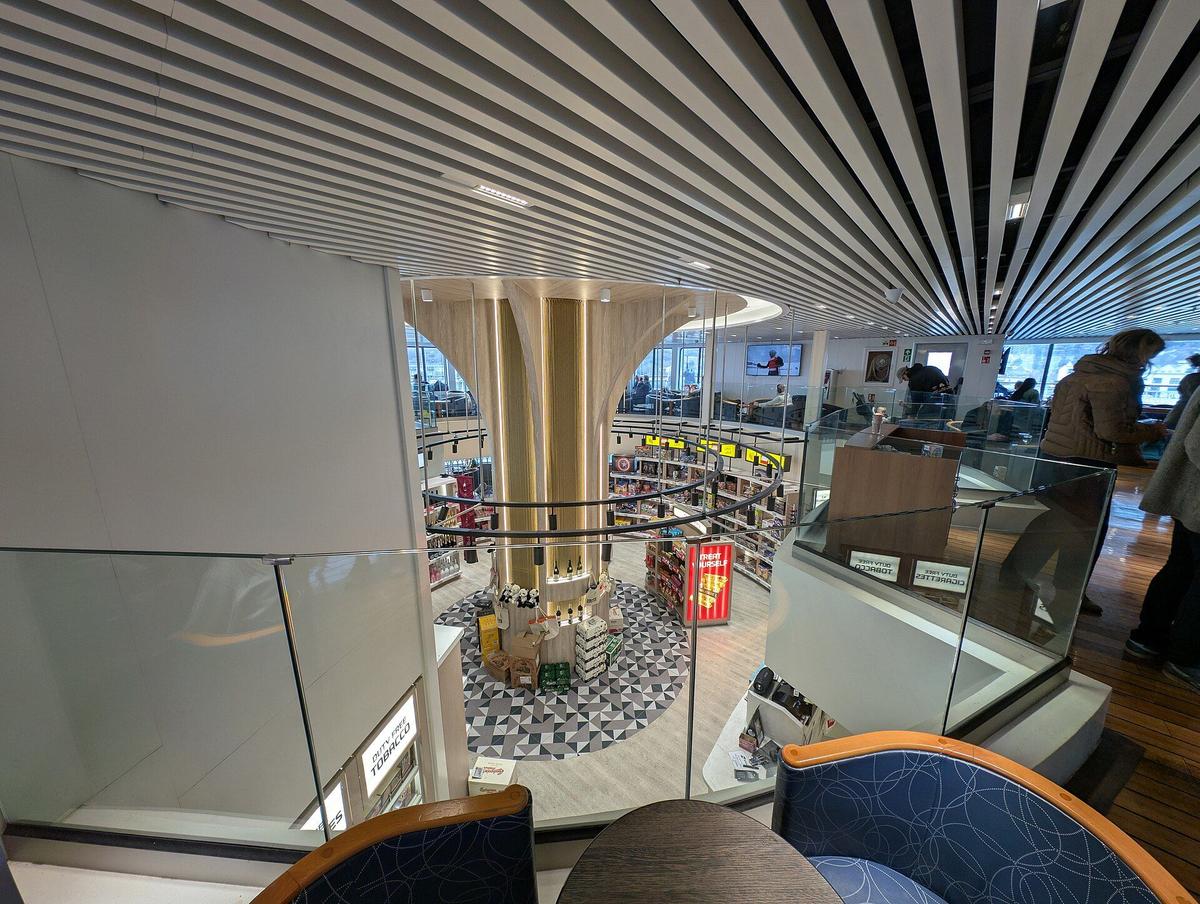
Duty free shopping on a cruise sounds like a simple promise: no tax, lower price. The first half is broadly true. The second does not follow. A duty-free shop removes certain taxes and import duties. It does not remove the retailer's markup, guarantee a competitive starting price, or remove the customs allowance that applies when you carry purchases home. Treat duty-free as a tax status, not a discount label.
What duty free shopping on a cruise removes — and what it leaves alone
A shop can only waive a tax that would otherwise apply. In international waters, onboard stores are generally not charging a home port's sales tax or the import duty of the country the ship left. Royal Caribbean states this on its onboard shopping questions page: its shops are tax and duty-free, passengers are responsible for knowing their country's allowances, and shops can only be open in international waters. Norwegian Cruise Line makes a similar claim on its cruise shopping page, describing duty-free liquor, tobacco and perfume in its onboard boutiques.
What neither claim promises is a low base price. That is where markup does its work. An onboard shop has a captive audience, no competing store on the same deck, and a range chosen by the seller. The seller can set a high starting price, remove the tax, run a daily special, and still land above a competitive landside price — or below it. Royal Caribbean also notes its shops charge to the shipboard card, not cash, and describe items as final sale. A saving that cannot be returned easily is worth less at sea.
Shopping also sits inside the total cost of the trip. See how to keep port-day spending under control and how purchases settle through a cruise onboard account.
Alcohol and tobacco: where the tax component is largest
Alcohol and tobacco carry heavier taxes and duties on land than most retail goods, so removing that component gives these categories the most room to be genuinely cheaper. Room is not proof. Bottle sizes and editions sold onboard may differ from the version you know at home. Compare like for like — same product, same size — or treat the price as untested. The saving is also locked up for the sailing: Royal Caribbean says liquor bought in its onboard shops cannot be taken to your stateroom and is distributed on the last night.
Perfume, watches and jewellery: where markup does the work
Fragrance, cosmetics, watches and jewellery are the showcase categories, and where the seller has the most freedom on price. They are gift-friendly goods bought in a holiday mood, often in ship-exclusive sets or sizes that defeat direct comparison. That shifts the work to the buyer. If you checked the home price for the exact item before sailing, you have a referee. If you did not, a percentage-off sign is only a claim about a starting price the same seller chose.
Logo goods and sundries: convenience, not comparison
Ship-branded clothing, souvenirs and forgotten essentials have no meaningful duty-free story. A logo item is sold only onboard, so there is no landside equivalent to beat, and a toiletry at sea is a convenience purchase priced for urgency. Buy them because you want them, not as savings.
How to judge duty free shopping on a cruise like a referee
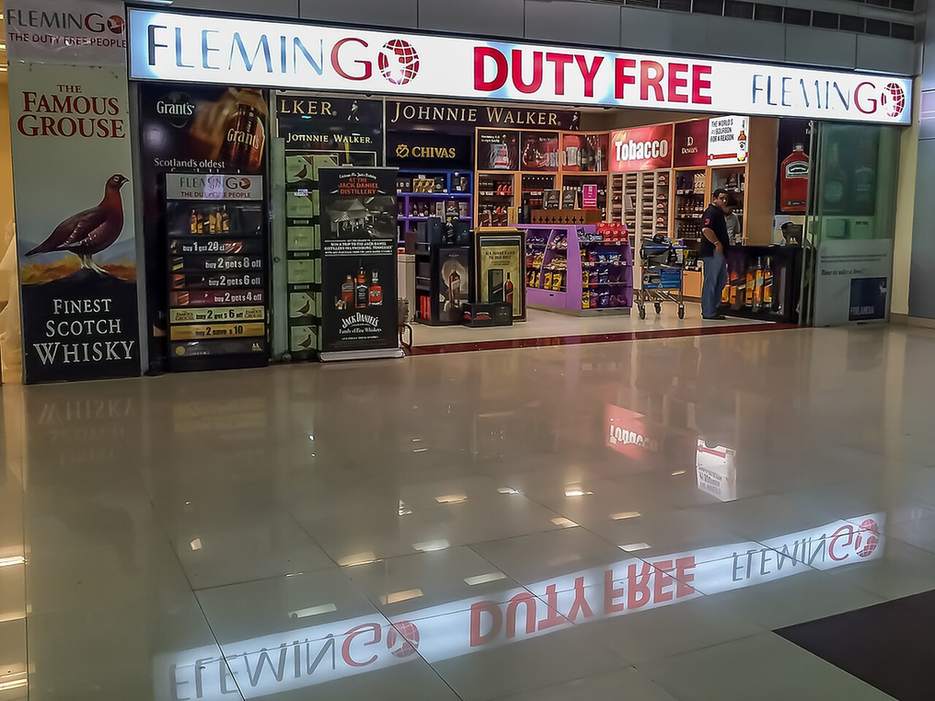
The referee method is boring, and it works. Before you sail, note the home price of the few items you might actually buy — a particular bottle, fragrance or watch. Onboard, compare only that item, in that size, at its final price. Then add the second half: whether the purchase still fits inside your customs exemption combined with everything else you are bringing home, including port purchases. A small saving that pushes you over the allowance is not a saving in total-cost terms.
| Category | Why tax removal may help | What to check before buying |
|---|---|---|
| Alcohol | Landside alcohol carries duty and excise tax, so the tax part of the price can be significant | Same brand and bottle size as the home price you checked, and your one litre allowance |
| Tobacco | Cigarettes and cigars are heavily taxed on land | Same quantity as your comparison, and the 200 cigarette and 100 cigar limits inside the exemption |
| Perfume and cosmetics | Import duty and sales tax are absent onboard | Exact product and size, because ship sets and editions can block a direct comparison |
| Watches and jewellery | No onboard sales tax on a high value item can matter | The home price for the same model, final sale terms, and whether the total exceeds your exemption |
| Logo goods and sundries | Tax removal is minor or irrelevant to the decision | Whether you want the item at that price, with no saving assumed |
Keep shopping in perspective when you book. The fare is the large, comparable number; the arcade is small, discretionary spending. Start with the sailing on the current cruise deals page, and let any onboard saving be a verified bonus.
The customs allowance on duty-free purchases, waiting at the home pier
Here is the rule most marketing leaves out. As US Customs and Border Protection explains on its Customs Duty Information page, checked in October 2026, duty-free shop articles are free only for the country in which that shop is located. If purchases exceed your personal exemption, duty-free articles will be subject to duty when you enter your destination country. Duty-free describes the sale, not your arrival home.
As of October 2026, CBP's guidance gives a returning resident a personal exemption of $800. Within it, alcohol is limited: one American litre (33.8 fluid ounces) may be included if you are at least 21, it is for personal use, and it does not violate the law of the state where you arrive. Tobacco is limited too: not more than 200 cigarettes and 100 cigars. Extra alcohol is not free simply because total spending is under $800 — CBP's example charges duty at a flat 3 percent, plus any internal revenue tax due, on a second litre. Everything acquired abroad must be declared at the price paid, including gifts.
Keep receipts and add up a running total
The practical defence is paperwork. Save onboard and port receipts together, keep a running total per person, and include gifts and items already worn or used — using something does not remove it from the declaration. Family members in the same household, returning together, may file a joint declaration and combine purchases, as CBP describes. Even so, plan against your own total first. Near the exemption, treat further signs as purchases that may carry duty.
Frequently asked questions
Do duty-free purchases still have to be declared?
Yes. CBP requires travellers to declare articles acquired abroad that they did not have when they left, and its guidance specifically addresses duty-free shops. Declaring is not an admission that duty is owed — it is how the exemption is applied. Under it, no duty is due; above it, duty can be charged.
What happens if purchases exceed the $800 exemption?
You may bring back more than the exemption, but the excess is dutiable. CBP assesses duty on value above the exemption, with a flat rate for some articles — its alcohol example uses 3 percent plus any internal revenue tax due — and item-specific Harmonized Tariff Schedule rates more generally. Keep receipts to support the prices declared.
Why are the onboard shops closed in port?
Because the saving depends on where the ship is. Royal Caribbean says its shops can only be open in international waters to provide tax and duty savings, and are closed in port. Expect shopping time to be sea time, not port time.
Can the duty-free liquor be opened during the cruise?
On Royal Caribbean, no — the line says liquor bought at its onboard shops cannot be taken to your stateroom and is distributed on the last night. Policies are set by each line, but plan on duty-free liquor being a take-home purchase, not an onboard drink.
The verdict on duty free shopping on a cruise
Duty free shopping on a cruise can save money, in a narrow, checkable way: on heavily taxed categories, in the same size you priced at home, at a fair base price, and carried home inside your exemption. Outside those conditions it is ordinary retail dressed in a tax status. Shop with a comparison price, a running customs total, and CBP's $800, one litre, 200 cigarette and 100 cigar figures in mind — as of October 2026 — and duty free shopping on a cruise becomes a small, verified saving, never a surprise bill at the home pier. Done properly, duty free shopping is a small, verified saving on a short list of categories, never a surprise bill at the home pier.
See the deals, total price first
Every deal we list will show the total — fare, taxes and port fees included — before you pay. That is the rule the deals page is being built to.
Browse cruise dealsNever overpay after you book
Once sign-ups open at launch, our price-drop alerts will watch the sailing you care about and flag it when the fare moves.
About price-drop alerts

Search cruises
Every result shows the total for your cabin — taxes and port fees included.