Bringing Wine on a Cruise: Line Policies and the Corkage Catch
A bottle from home can beat the wine list - if your line allows it aboard and the corkage does not eat the saving. This post tabulates the policies and does the honest arithmetic. The rules for bringing wine on board are set line by line, and the table below names each line's bottle limit before the corkage maths begins.

Bringing wine on a cruise is the rare onboard money question with a printed answer. Most mainstream lines allow it — a bottle, sealed, carried on by an adult on embarkation day — and then charge you a corkage fee for the privilege of drinking it anywhere but your cabin. The policies are genuinely permissive and genuinely finicky at the same time, and they differ sharply enough that a rule learned on one line becomes a confiscation story on another: one major line bans carry-on wine entirely in some cases, as this guide will note. Everything below comes from the lines' own published alcohol policies (Carnival's beverage policy and Norwegian's official FAQ, both checked October 2026). It is a policies-only guide — what is allowed, in what quantity, opened where, at what fee — for passengers packing a bottle they care about, whether for a celebration or because the same bottle costs three times as much poured by the glass on board.
Bringing wine on a cruise: the allowances, line by line
The common shape, and Carnival's printed version
Carnival's published beverage policy (checked October 2026) is the genre in one paragraph: at embarkation only, each guest aged 21 or over may bring one sealed or unopened 750ml bottle of wine or champagne, in carry-on luggage; the same policy prohibits all other alcohol from being brought aboard, treats alcohol in checked luggage as subject to removal, and reserves confiscation — with alcohol purchased in port or in the onboard shops held and returned on the final night. The words doing the work are sealed, carry-on and embarkation day: an opened bottle fails the first, a bottle in a checked suitcase fails the second, and a bottle bought at a port of call fails the third — port purchases are stored by the ship, not carried to your cabin. Norwegian's FAQ publishes the same skeleton: sealed bottles of wine may be brought aboard by guests of legal age, screened at embarkation, with the corkage applied at that check.
Where the lines diverge — including the ban
Within the common shape, the edges move. Norwegian extends the allowance's paperwork: boxed wine is expressly not allowed, and its corkage schedule prices the magnum ($30 per 1,500ml) as well as the standard bottle ($15 per 750ml). Royal Caribbean's published policy allows one sealed 750ml bottle of wine or champagne per guest of drinking age on embarkation day — and on consecutive (back-to-back) cruises it allows one bottle for each individual sailing: additional bottles brought at the first embarkation are stored by the ship and delivered, one bottle at a time, on the first day of each new voyage, with documentation for the consecutive sailings to be shown at initial embarkation. The referee's rule from all of this is procedural: your line's current policy page governs, because allowances, fees and exceptions are revised without announcement. Read it in the week you pack — the same discipline cruise packing list applies to every other restricted item — and if your sailing matters to you, screenshot the policy that allowed your bottle.
Bringing wine on a cruise: the corkage catch and the real arithmetic
What corkage buys, and where you can dodge it honestly
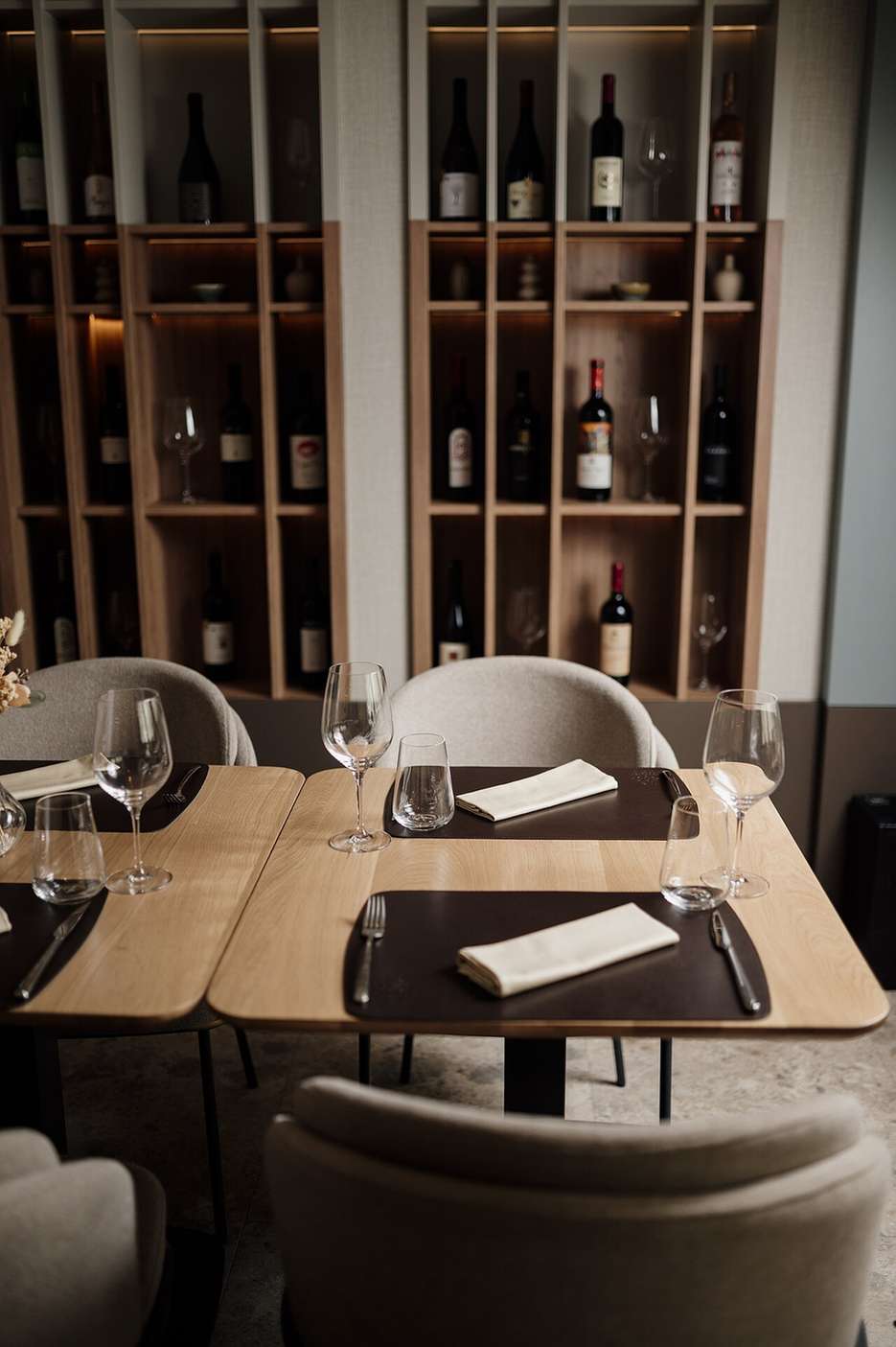
Corkage is not a tax on importing wine; it is the price of opening your bottle in the ship's venues. Carnival charges its $15 USD per 750ml bottle only if the bottle is consumed in the main dining room, the steakhouse restaurant or a bar. Norwegian applies its corkage at the embarkation check itself, for bottles beyond its package holders' exemption. Drinking your bottle in your stateroom attracts no corkage on either policy — the cabin is the free venue, subject to your cabinmate's opinion of warm white wine. That detail decides whether bringing wine on a cruise saves money at all: a modest bottle drunk in the cabin saves its full markup; the same bottle carried to the dining room saves the markup minus corkage. Either way the bottle interacts with the package decision — Norwegian's corkage exemption for package holders, and the whole-cabin purchase rules in cruise drink package rules, mean the bottle, the package and the cabin should be priced as one system, not three.
| Policy element | Carnival (official policy, checked October 2026) | Norwegian (official FAQ, checked October 2026) |
|---|---|---|
| Allowance | One sealed/unopened 750ml bottle of wine or champagne per guest 21+ | Sealed wine bottles for guests 21+, screened at embarkation |
| When and how | Embarkation day only, in carry-on luggage | At embarkation, through the security check |
| Corkage | USD 15 per 750ml bottle, charged if consumed in the dining room, steakhouse or bar | USD 15 per 750ml; USD 30 per 1,500ml magnum, applied at embarkation check |
| Package interaction | None stated in the policy | Corkage not charged to beverage-package / Free at Sea (More at Sea) guests |
| Hard exclusions | All other alcohol prohibited; alcohol found in checked luggage removed; port and shop purchases held until the final night | Boxed wine not allowed; port and shop alcohol stored and returned on the final night or debarkation morning |
No smuggling tips — and why that is the whole point
Every cruise forum carries the other genre of wine advice: the decanted spirits, the disguised bottles, the luggage tricks. This guide contains none of it, on principle and on arithmetic. The lines' policies treat non-compliant alcohol as a confiscation matter — Carnival's published policy states prohibited alcohol is confiscated and discarded, not stored — and the security screening that X-rays carry-ons is looking for exactly the shapes the tricks use. The honest allowance is genuinely useful: a celebration bottle, a favourite vintage, a cabin glass on the balcony, all legal, all priced in the open above. The moment the plan requires deceiving the screener, it has stopped being a saving and become a risk priced in confiscated wine and a spoiled embarkation — the opposite of everything how our prices work stands for.
Frequently asked questions
How many bottles of wine can I bring on a cruise?
On the documented policies: one sealed 750ml bottle of wine or champagne per guest of legal drinking age, on Carnival; Norwegian's FAQ likewise covers sealed bottles per guest with per-bottle corkage. A couple travelling together has two allowances between them. Quantities beyond the policy are not a negotiation at the gangway — excess and non-compliant bottles are held or discarded under the line's rules.
Can I put wine in my checked luggage?
No. Carnival's policy requires the bottle in carry-on luggage and treats alcohol found in checked bags as removable; screening is built around the carry-on rule across lines. Checked bottles also risk breakage no policy compensates. Carry it on, sealed, on embarkation day.
When is corkage actually charged?
It depends on the line's mechanism. Carnival charges its $15 USD when the bottle is opened in the main dining room, steakhouse or a bar — cabin consumption carries no corkage. Norwegian applies its corkage ($15 per 750ml, $30 per magnum) at the embarkation screening, and waives it for guests holding its beverage package or Free at Sea (More at Sea). Both figures are from the lines' published documents, checked October 2026.
What happens to alcohol I buy in port or in the onboard shop?
It is stored by the ship and returned at the end of the sailing — Carnival says embarkation purchases come back on the final night; Norwegian returns stored alcohol on the final night or debarkation morning. It is not available for consumption during the cruise. Factor that into any duty-free bargain: the saving is real, but the bottle travels as cargo, not as part of your trip.
Conclusion: wine aboard, within the allowance
The bottom line: bringing wine on a cruise is a small, honest loophole with printed edges — one sealed bottle per adult, carry-on, embarkation day, corkage if you open it at dinner, and hard confiscation rules outside the lines. Read your line's current policy the week you pack, price the bottle against the package as one system, and let the celebration bottle be exactly what the policy says it can be. The best bottle is the one you actually enjoy on a cruise, so read the policy the week you pack and price the corkage before the bottle.
See the deals, total price first
Every deal we list will show the total — fare, taxes and port fees included — before you pay. That is the rule the deals page is being built to.
Browse cruise dealsNever overpay after you book
Once sign-ups open at launch, our price-drop alerts will watch the sailing you care about and flag it when the fare moves.
About price-drop alerts




Search cruises
Every result shows the total for your cabin — taxes and port fees included.