Paying for a Cruise With Points: When Points Beat Cash - and Lose Perks
Points feel free, so their costs hide. This referee's guide prices what a points booking can forfeit - perks, protection, support - against the fare it erases, so redemption is a decision. A cruise with points should be priced against the cash fare on the same sailing before you redeem, and the portal comparison below shows where the points price quietly inflates.

Points are the fare you cannot see. Paying for a cruise with points — redeeming card or programme points through a bank's travel portal, or transferring them to a booking partner — erases a cash price from the screen, and in its place installs a set of quieter costs: perks that do not attach, protections that do not apply, and a booking owned by an intermediary when something changes. None of this makes points bookings bad. It makes them a trade, and trades deserve a referee. The channel question underneath — who you book through and what each channel does to price and perks — is the subject of cruise direct vs travel agent. How credits from different sources combine on a normal booking is covered in onboard credit stacking rules. This post owns the points-specific trade.
Paying for a cruise with points: what the portal actually is
Your agent, whether you chose one or not
Card travel portals are described in their own terms — cited here, not linked, because they are seller-operated — as booking services whose cruises are fulfilled through the portal's travel operation. In the line's eyes, that makes the portal your travel agent, and the line's contract treats the role seriously. Royal Caribbean's United States guest terms state that any travel agent used in connection with a booking "is, for all purposes, Guest's agent," that the carrier is not responsible for the agent's representations, and that receipt of notices by the agent is deemed receipt by the guest (per Royal Caribbean's guest terms, §16, checked October 2026). Read that against a portal booking and the structure is plain: changes, repricing requests, document issues and disruption notices route through the portal's service operation, at the portal's pace, under the portal's policies — not the line's, and not yours.
The fare you erase is not the only price on the ticket
Points feel free because they were earned as a by-product of spending. They are not free: every point spent on a cruise is a point not spent on the flights, hotels or statement credits it could otherwise buy, and programmes set and reset redemption rates as they please. This guide states no points valuation as fact, because there is none — a point is worth what your programme will give for it on the day, in the category you would genuinely use. The honest comparison is therefore two-sided: the cash fare for the sailing, in full total on our prices page standard, against the best alternative use of the same points. Points win when the portal prices the cruise at a redemption you cannot beat elsewhere and the booking's lost flexibility costs you nothing. Both halves must hold.
What a points booking can forfeit
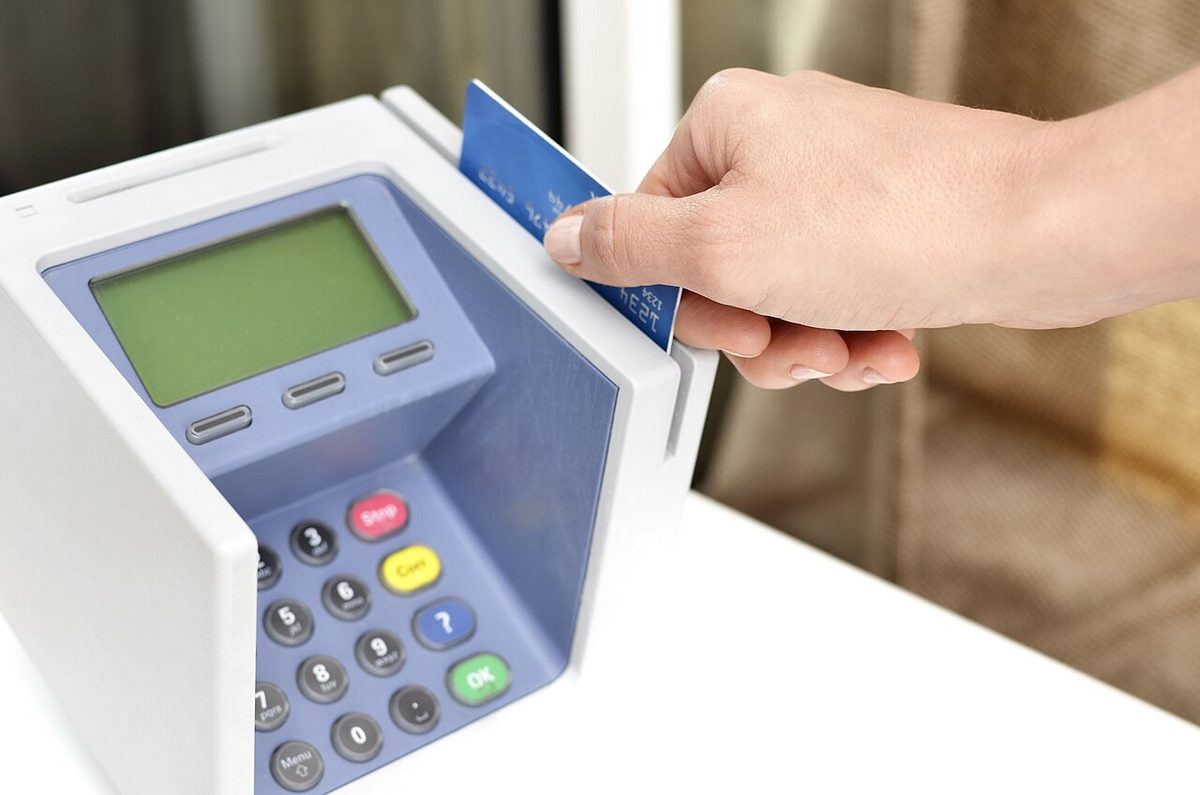
Perks, protection and the repricing problem
Three losses recur. Perks: seller-side value — an advisor's onboard credit, group-space pricing, a watched fare — attaches to bookings made through that seller. A portal booking is made through the portal, and promotional structures are channel-sensitive in the lines' own terms; Celebrity's purchase terms, for example, govern how promotional onboard credit applies and is affected by booking changes and channels (per Celebrity's global purchase terms, checked October 2026). Price protection: the guarantees and repricing habits that serve cash bookers run on cash fares through the booking's owner — through a portal, a fare drop becomes a portal transaction, in points and cash under portal rules, if it is available at all. Support: when a sailing is disrupted, the line's contract points you to your agent; a portal's service desk at midnight is a different instrument from an advisor who knows your booking, and the difference is only visible when you need it.
| Element | Cash booking (direct or via an advisor) | Points booking via a portal |
|---|---|---|
| Who owns the booking | You, with the line or your chosen agent | The portal, as your agent of record |
| Seller perks and credit | Attach per the seller's offer | Generally do not attach |
| Price drops | Repricing and guarantees per line terms | Portal rules, in points and cash; often impractical |
| Changes and problems | Line or advisor, who knows the booking | Portal service operation, by its policies |
| What you spend | Cash, fully visible | Points with an alternative use you must price yourself |
| Loyalty credit with the line | Governed by the line's booking-channel terms | May be treated differently by channel — verify before redeeming |
The verdict framework for paying for a cruise with points
When points win, and when they quietly lose
Points win on simple bookings: a sailing you are certain to take, on a fare with no meaningful perks in play, where the portal's redemption beats the points' next-best use and the cash total is genuinely high. Points lose on complex ones: group or multi-cabin trips, fares carrying rich promotions, sailings you may need to reprice or move, and any booking where an advisor's credit and monitoring were part of the value. In between sits the hybrid worth knowing exists — some programmes allow partial redemption — whose terms are the portal's own and must be read there. Decide with the total in view: erase a fare with points only when what the booking forfeits is worth less than what the points were worth elsewhere. That sentence, applied cold, is the whole guide.
Frequently asked questions
Do I still earn cruise-line loyalty credit on a portal booking?
It depends on the line's channel terms, which vary and change — some programmes credit sailings regardless of channel, others treat certain third-party or redemption bookings differently. Verify with your line's programme terms for your specific booking type before you redeem, not after you sail.
Can a travel advisor take over or service my points booking?
Generally the booking stays with the agent of record — the portal. Lines treat the booking agent as the channel for changes and notices, which is precisely the structural cost this guide describes. Assume you will service the booking where you made it.
Are points a good way to pay for a cruise deposit or balance?
The deposit-versus-balance distinction matters less than the ownership one: however the points are applied, the booking sits in the portal's system. Partial redemptions exist in some programmes under their own terms — read them in the portal, and weigh the same forfeits described here.
What is a point worth when I compare?
Whatever your programme will actually give you for it in a redemption you would genuinely make — there is no market price, and any fixed cents-per-point figure is a rule of thumb, not a fact. Compare this cruise's redemption against your realistic alternative, and count the booking's lost perks on the other side.
The bottom line: paying for a cruise with points trades a visible cash fare for invisible booking costs — an intermediary as your agent, perks that do not attach, protection that thins. On a simple, certain booking at a strong redemption, take the trade. On anything complex, price what the points erase against what the booking forfeits, and let cash keep the booking you actually own. On a simple, certain booking, a cruise with points is a fair trade, but on anything complex, price what the points erase against what the booking forfeits.
See the deals, total price first
Every deal we list will show the total — fare, taxes and port fees included — before you pay. That is the rule the deals page is being built to.
Browse cruise dealsNever overpay after you book
Once sign-ups open at launch, our price-drop alerts will watch the sailing you care about and flag it when the fare moves.
About price-drop alerts




Search cruises
Every result shows the total for your cabin — taxes and port fees included.