Older Cruise Ships vs New Ships: Refurbished Value, Launch Premiums
The newest ship charges for novelty; the refurbished one charges for the same sea. This comparison weighs venues, space ratios and fare posture across generations - so age becomes a strategy. The older cruise ships in this comparison win on space and price per night more often than their launch dates suggest, and the scoring below shows exactly where.
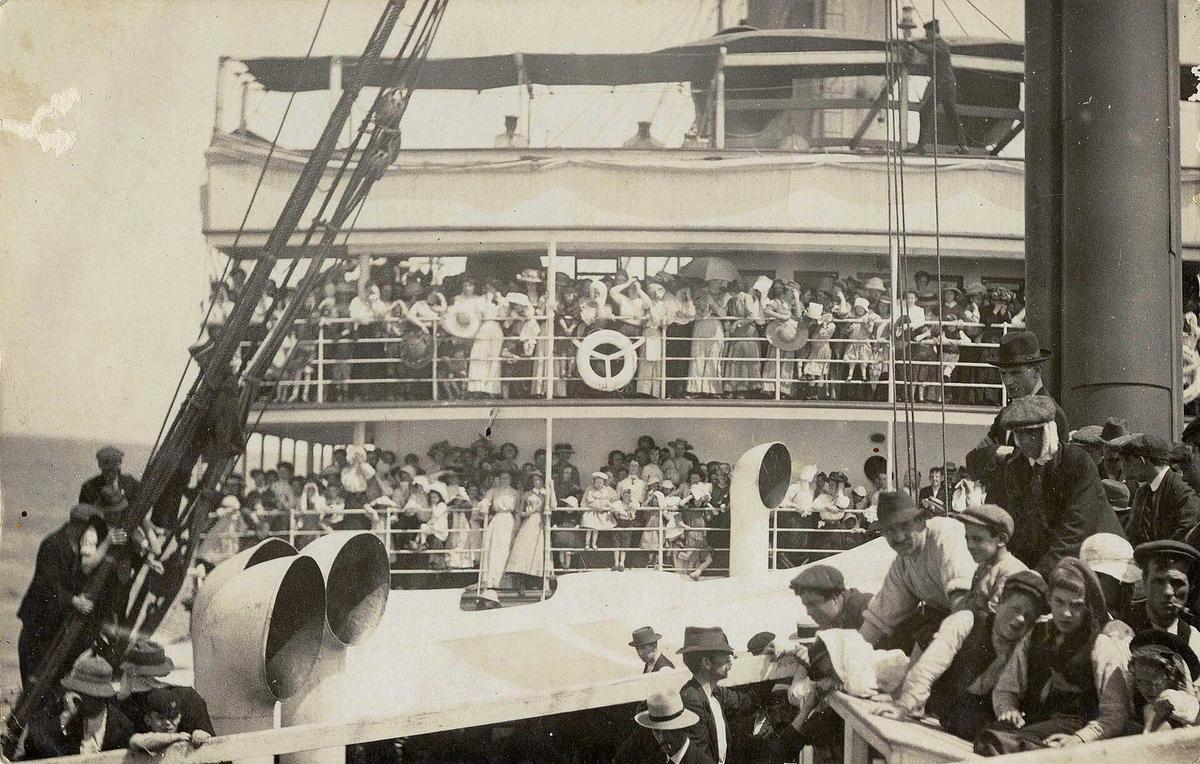
Older cruise ships vs new ships is rarely a question about the sea. The ports and the water are shared. What changes with a ship's generation is the building you live in while you travel: how much space it spreads around each guest, which venues were designed in from the start, which were added later, and how the fare is positioned when a ship is new to the market. Read that way, age becomes a strategy — provided the comparison is made on total cost and on evidence, not on launch publicity.
Older cruise ships vs new ships: what a ship's age actually changes — and what it does not
A launch date hides three separate things. The first is scale. Fleets have grown by generation, and lines describe that growth themselves: Royal Caribbean's ships-by-age guide, checked October 2026, lists its Icon Class ships at 2024, 2025 and 2026 alongside Vision Class ships dating to 1996 — newer classes built around neighbourhoods, large waterparks and dedicated family decks, older classes presented as smaller and more intimate.
The second is layout. A ship designed around a venue can give it the height, deck position and flow it needs. A ship that gains a venue later must fit it into existing space. That is why two ships from the same line can feel like different products.
The third is what age does not change. Itinerary, embarkation port and cabin category are separate choices from hull age. An older ship on the itinerary a traveller actually wants can be a better fit than a newer ship on a compromise route — which is why the fleet-wide view on our ships page is the right starting point.
Size, space and the feel of a sailing day
Headline size is not the same as personal space. What matters is how public space, deck space and venues are divided among the guests on a given sailing. Larger new ships can offer more distinct places to be — separate adult, family and activity zones — while carrying many more people to fill them. Smaller older ships offer fewer places, with shorter distances between them and a simpler daily rhythm.
Neither pattern is a verdict. Travellers who will use headline attractions daily will feel the benefit of a ship built for them; travellers whose day is a cabin, a dining room, a deck chair and a port will notice scale far less. The test is a ship-guide test: read the deck plan for what will actually be used. For how that single-ship reading works, see Symphony of the Seas ship guide — that guide owns that ship; this post stays cross-fleet.
Venues are a generation question before they are an age question
Dining rooms, theatres and pool decks exist on ships of every age. What shifts by generation is the number of specialised venues layered on top: additional restaurants, dedicated activity decks, expanded suite areas and newer entertainment formats. A new class arrives with those venues as a set; a refurbishment adds a selection to an existing frame.
So a simple old-versus-new label misleads. A recently refurbished older ship may share several current venue names with a new ship, while one that has had only routine maintenance may not. The date that matters is often the launch date read together with the last major refurbishment — and its published scope.
Refurbishment: the middle path between classic and new
Refurbishment is not one thing. Routine dry-dock work maintains a ship. A named modernisation programme is a different claim: it sets out in advance which spaces will change, which venues will be added and which staterooms will be created or redesigned. The announcement, not the adjective, is the evidence.
Royal Caribbean describes its programme on its Royal Amplified renovations page, checked October 2026, as older favourites refurbished with the line's latest innovations — dining concept debuts, new activities and refreshed relaxation areas, varying by ship. Celebrity Cruises describes its Celebrity Revolution on its Celebrity Millennium Revolution page, checked October 2026, as a $500 million initiative, as published by the line, to bring design aspects of Celebrity Edge across the fleet, with Celebrity Millennium first to complete it, in February 2019. Norwegian Cruise Line's announcement for Norwegian Encore, dated 1 August 2024 and checked October 2026, gives a ship-specific example: a two-week dry dock from 18 November to 2 December 2024, a new adults-only Spice H2O, expanded Cagney's Steakhouse and Teppanyaki capacity, redesigned Haven suites and 24 new balcony staterooms from part of the Observation Lounge, as announced by Norwegian Cruise Line.
Together, those announcements show the range — and their limit. None rewrites a hull. All can materially change dining choice, deck use and cabin inventory on the ships they cover.
Read a refurbishment announcement like a contract
Four checks separate a substantial refurbishment from a refresh. First, scope: does the announcement name venues, cabins and spaces, or only say refreshed? Second, dates: is there a stated dry-dock window, as in the Norwegian example above? Third, permanence: are venues being added or converted, and what is removed to make room? Fourth, coverage: for a fleet programme, which ships have completed the work, and how do experiences vary by ship? A refurbishment that passes those checks narrows the gap in the areas it touches. It does not change original size, cabin dimensions where they were not rebuilt, or basic deck geometry.
Older cruise ships vs new ships on price: launch premiums, refurbished value and total cost
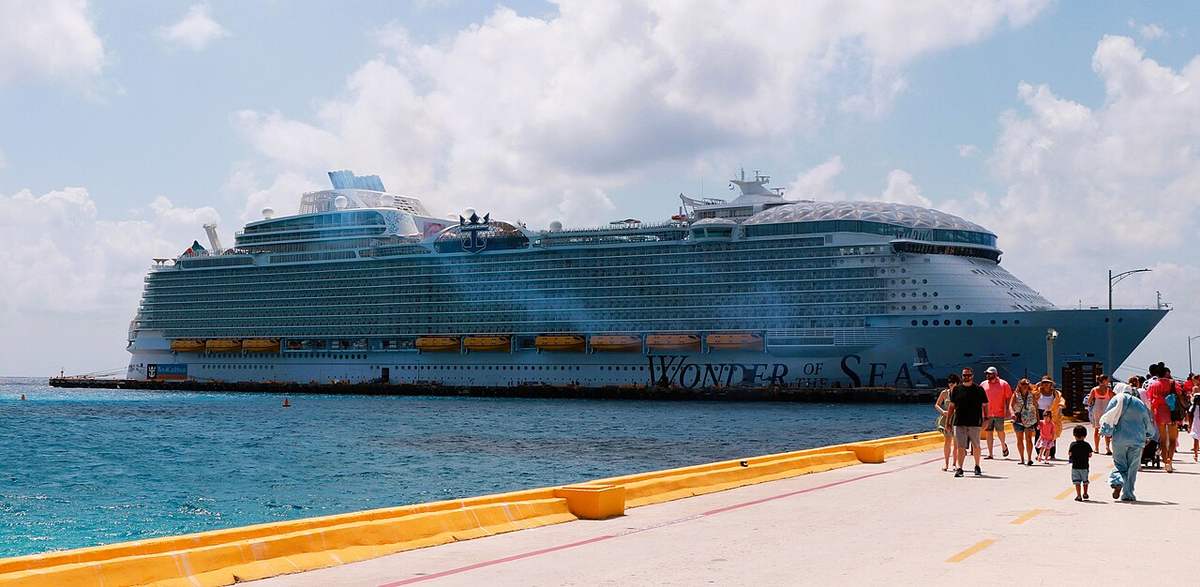
New ships are commonly positioned at the proud end of a line's fare range when they launch, reflecting demand for inaugural seasons and the newest venue set — the launch window itself is examined in inaugural cruise sailing. It is a posture, not a law: fares move with date, cabin category, itinerary and how full a ship is. This comparison therefore makes no claim about a fixed fare gap. No honest percentage exists without dated, like-for-like examples.
Older and refurbished ships tend to be positioned more gently, and deployed differently — on varied itineraries, from a wider range of homeports, where the ship is not the headline. That deployment can be the value: a convenient homeport can remove flights and a hotel night, and a preferred itinerary can be worth more than a newer venue list.
| Comparison lens | Newer ship | Older or refurbished ship |
|---|---|---|
| Fare posture | Priced for novelty and launch demand | Usually positioned more gently within the fleet |
| Venue set | Designed in as a complete set from launch | Core venues plus any venues added by a named refurbishment |
| Scale and layout | Larger classes with distinct zones and neighbourhoods | Smaller classes with shorter distances and a simpler layout |
| Cabins | Current cabin design and categories from build | Original dimensions unless cabins were rebuilt or added in refurbishment |
| Itinerary role | Often flagship routes and inaugural seasons | Often wider homeport and itinerary variety |
| What to verify | Whether headline venues will actually be used | Refurbishment scope, dry-dock date and what was changed |
Compare total cost like for like, not headline to headline
Total cost is where the generations should be judged. Build the same trip both ways: same line where possible, similar itinerary and length, same cabin category, fare plus taxes and port charges, planned onboard spending, and travel to the homeport. Then ask what the difference buys — on a new ship, venues used every day; on a refurbished ship, a better cabin, a preferred date or the itinerary itself. If it buys nothing that will be used, it is a launch premium paid for its own sake.
A decision framework by traveller priority
Start with the priority, not the launch year. For headline attractions and the widest venue choice, a newer ship matches the brief by design. For a specific itinerary, a quieter scale, a convenient homeport or value within a set budget, an older ship — particularly one with a documented, substantial refurbishment — matches it without paying for novelty. In between, the refurbished ship is the deliberate compromise: check its programme scope first, then its total cost against the newer alternative on the same terms.
Frequently asked questions
Are older cruise ships less safe or less well maintained than new ships?
Age alone does not establish that. Ships of all ages operate under the same inspection and maintenance regimes, and lines publish dry-dock work as part of keeping older ships in service. What age reliably indicates is design generation — size, layout and venue set — not a maintenance verdict on an individual ship.
Does a refurbishment make an older ship the same as a new ship?
No. A substantial programme can add venues, redesign cabins and refresh public spaces. It cannot change the ship's original hull, overall scale or basic deck geometry. The honest claim is a narrower gap in the areas refurbished, not equivalence.
Why do new ships usually cost more at launch?
Because launch sailings combine the newest venue set with inaugural-season demand, and lines position fares accordingly. That is a posture rather than a fixed gap: the same ship's fares vary by date, itinerary and cabin category, so comparisons should use dated, like-for-like totals rather than an assumed percentage.
How can the total cost be compared fairly across generations?
Use the same line, similar itinerary and length, and the same cabin category, then add taxes and port charges, planned onboard spending and the cost of reaching each homeport. Judge any difference by what it buys — venues that will be used, a better cabin, a preferred date or a better itinerary.
Conclusion
The bottom line: older cruise ships vs new ships is not a contest with a single winner. New ships sell a complete, current venue set and charge for the novelty of it. Older ships, especially those with a named, documented refurbishment, sell the same sea and much of the same daily life at a gentler fare posture. Choose by priority, verify the refurbishment scope in the line's own announcement, and settle it on like-for-like total cost through our ships page. Let the refurbishment record, not the launch year, judge older cruise ships, because a documented refit buys the same sea at a gentler fare posture.
See the deals, total price first
Every deal we list will show the total — fare, taxes and port fees included — before you pay. That is the rule the deals page is being built to.
Browse cruise dealsNever overpay after you book
Once sign-ups open at launch, our price-drop alerts will watch the sailing you care about and flag it when the fare moves.
About price-drop alerts



Search cruises
Every result shows the total for your cabin — taxes and port fees included.